
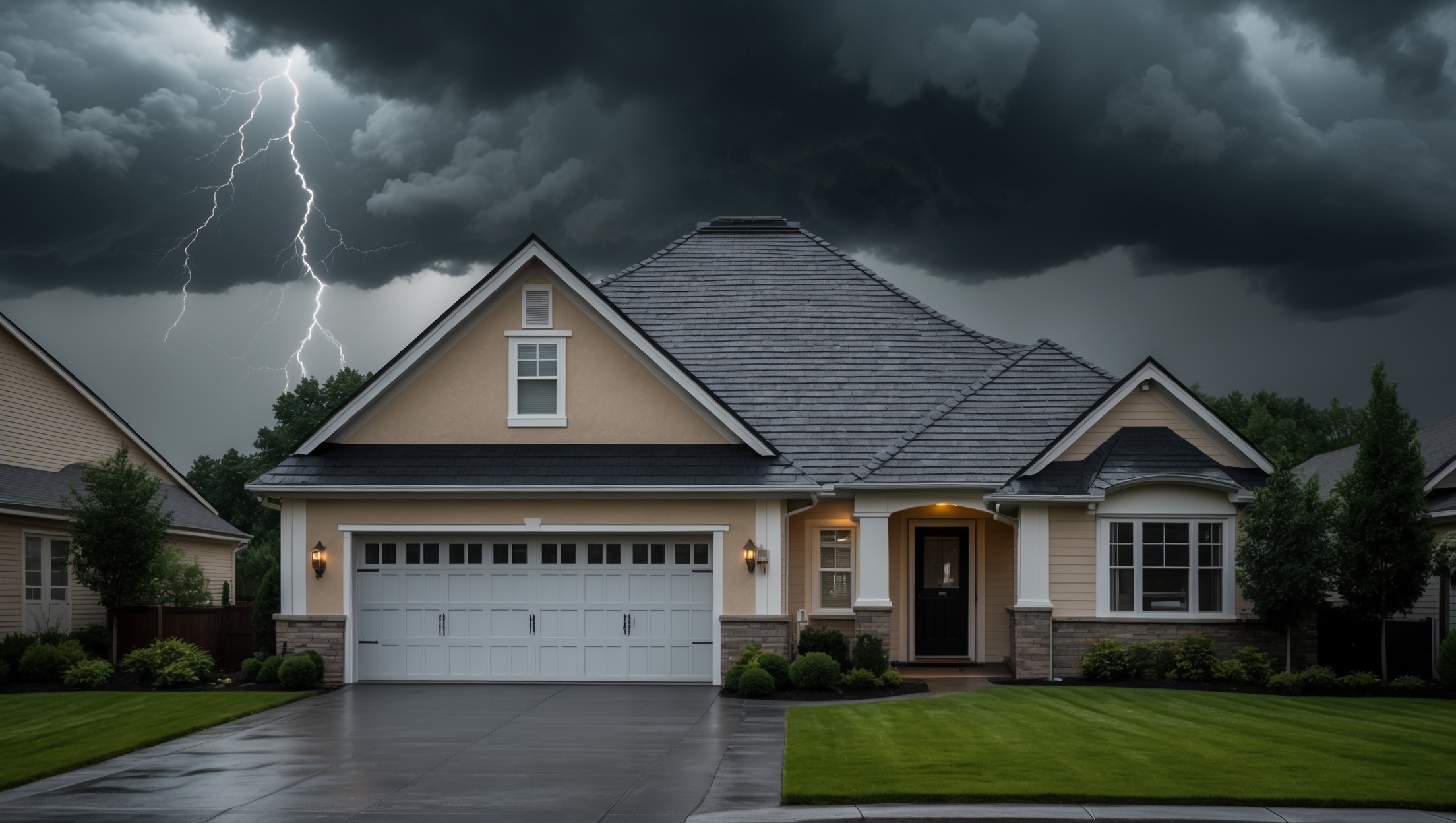
Insurance Essentials for Home Roof Replacements: Protecting Your Investment from Storms and Surprises

Introduction: Why Insurance Matters for Roof Replacements
Replacing your home’s roof is one of the most significant investments a homeowner can make. While a new roof promises improved protection, energy efficiency, and curb appeal, it also represents a substantial financial outlay—often running into the tens of thousands of dollars. Yet, amid the excitement of choosing new materials and colors, many homeowners overlook a critical factor: insurance. When storms, hail, or unforeseen accidents strike, your roof stands as the first line of defense. Without the right insurance coverage, you could be left vulnerable to financial losses, inadequate repairs, or even disputes with your insurer. Navigating the world of home insurance as it relates to roof replacements requires knowledge, preparation, and sometimes advocacy. This comprehensive guide breaks down everything you need to know about insuring your roof replacement—before, during, and after the project—so you can protect your investment, your home, and your peace of mind.
Understanding Your Homeowner’s Insurance and Roof Coverage
How Standard Policies Treat Roof Replacements
Most standard homeowner’s insurance policies cover your roof under the dwelling protection clause. However, coverage is typically limited to damage caused by specific perils, such as wind, hail, or fire. Wear-and-tear, neglect, or improper installation are almost always excluded. Here’s what you need to know:
- Covered Perils: Storms, hail, fire, vandalism, and sometimes falling objects.
- Excluded Causes: Age-related deterioration, lack of maintenance, and poor workmanship.
- Actual Cash Value (ACV) vs. Replacement Cost Value (RCV): ACV policies pay out the depreciated value of your roof, while RCV policies cover the cost of a new roof, less your deductible.
Limits, Deductibles, and Endorsements
Policies often have coverage limits and deductibles specific to wind or hail claims. Some policies require separate endorsements for certain roof types or materials, especially if you have a high-value or specialty roofing system. Review your policy for:
- Wind/hail deductibles, which may be higher than standard deductibles.
- Policy limits that may not cover luxury roofing materials.
- Exclusions for roofs over a certain age (often 20+ years).
Before You Replace: Steps to Take with Your Insurance
Review and Document Your Current Roof
Before starting any roof replacement project, document the current condition of your roof. Take clear photos from multiple angles, noting any pre-existing damage or wear. This documentation is vital if you need to make a claim during or after the replacement process.
Consult Your Insurance Provider
Contact your insurer to clarify:
- What documentation is required for claims related to roof replacement.
- Whether your policy covers full replacement cost or only actual cash value.
- If any policy updates or endorsements are necessary for the new roof material.
- How policy terms may change with a new roof (e.g., potential discounts for impact-resistant materials).
Get a Professional Inspection
Some insurers require a professional inspection both before and after replacement—especially if you’re upgrading to a premium roofing system. An inspection can identify issues that could impact coverage, such as underlying structural problems or code violations.
Understand Permitting and Compliance Requirements
Insurance claims for roof damage or replacement can be denied if the work was completed without proper permits or failed to meet local building codes. Always obtain required permits and ensure your contractor follows relevant codes and manufacturer specifications.
Choosing a Contractor: Insurance and Liability Considerations
Verify Contractor Insurance
Your roofing contractor should carry:
- General liability insurance to cover property damage or injuries.
- Worker’s compensation insurance to protect you from liability if a worker is injured on your property.
- Proof of coverage—request certificates and verify with the insurer.
Require Written Contracts and Warranties
A detailed contract should outline:
- Scope of work and materials to be used.
- Timeline and payment schedule.
- Warranty terms (workmanship and materials).
- Contractor’s insurance information.
Written warranties can be essential if you ever need to file a claim related to defective materials or installation issues.
Beware of Storm Chasers
After severe weather events, some unlicensed or underinsured contractors may solicit roof replacement work. These “storm chasers” often perform subpar work and disappear before warranty issues arise. Always vet contractors for proper licensing, insurance, and references.
During the Replacement: Protecting Your Coverage
Monitor the Work
Stay involved throughout the project. Document progress with photos, keep all receipts, and save communications with your contractor. If the contractor uncovers additional damage (such as rot or hidden leaks), notify your insurer immediately—these may be covered under your policy if linked to a covered peril.
Address Mid-Project Damage Promptly
If a storm or accident damages your home during the replacement, contact your insurer right away. Do not authorize major repairs without insurer approval, as this could impact your claim eligibility.
Update Your Policy if Needed
If you upgrade to impact-resistant shingles, metal roofing, or other premium materials, inform your insurer. You may qualify for discounts or need an endorsement to ensure full coverage of your new roof’s value.
After the Replacement: Documentation and Long-Term Protection
Final Inspection and Certification
Obtain a final inspection certificate from your contractor or the local building department. This certifies that your roof meets code and was installed according to manufacturer specifications—critical documentation if you ever need to file a claim.
Update Your Insurance Policy
Provide your insurer with:
- Proof of completion and final inspection certificates.
- Receipts and contracts from the project.
- Information about upgraded materials or additional features (e.g., improved ventilation, ice shields).
This helps ensure that your coverage accurately reflects the value and specifics of your new roof.
Maintain Your Roof—and Your Coverage
Most policies exclude damage due to neglect. Schedule regular professional inspections and perform maintenance such as cleaning gutters, trimming overhanging branches, and repairing minor damage promptly. Keep records of all maintenance to demonstrate responsible ownership.
Common Insurance Pitfalls and How to Avoid Them
- Assuming All Damage Is Covered: Damage from age or poor maintenance is rarely covered. Only specific perils listed in your policy are eligible for claims.
- Delaying Claims: Most policies require prompt notice of damage. Waiting too long can result in denial.
- Neglecting Documentation: Lack of before-and-after photos, receipts, or inspection reports can stall or sink a claim.
- Overlooking Policy Changes: Failing to update your insurer after significant upgrades can leave you underinsured.
- Choosing Low-Bid Contractors Without Insurance: This can expose you to liability or void your policy’s protections.
Special Considerations: Storms, Hail, and Natural Disasters
Understanding Regional Risks
In areas prone to hail, hurricanes, or wildfires, insurers may impose higher deductibles, stricter coverage limits, or even exclude certain perils. Review your policy for:
- Separate wind/hail deductibles (often a percentage of your home’s value).
- Coverage exclusions for cosmetic damage (such as minor shingle dents).
- Requirements for specific roofing materials or installation techniques.
Disaster-Related Claims
If your roof is damaged in a declared disaster, expedited claims processes may apply. However, documentation and prompt reporting are still essential. In some cases, government assistance programs may supplement insurance payouts, but these rarely cover full replacement costs.
Insurance Discounts and Upgrades
Qualifying for Premium Reductions
Some insurers offer discounts for impact-resistant or fire-rated roofing materials, hurricane straps, or upgraded ventilation systems. Ask your insurer about available discounts before selecting materials, and keep documentation of all qualifying upgrades.
Roof Age and Premiums
A new roof can lower your premiums, but as your roof ages, some insurers increase deductibles or limit coverage. Stay proactive by maintaining your roof and updating your policy as needed.
Filing a Claim: Step-by-Step Process for Roof Replacement
- Assess and Document Damage: After a storm or covered event, take clear photos and videos of all affected areas.
- Notify Your Insurer Promptly: Contact your agent or claims department to start the process.
- Meet the Adjuster: The insurer will send an adjuster to inspect the damage. Provide all documentation and be present if possible.
- Get Repair Estimates: Obtain written, itemized estimates from reputable, insured contractors.
- Review the Settlement: The insurer will issue a settlement based on your policy terms (ACV or RCV). Review carefully before agreeing.
- Schedule Repairs: Once approved, hire a contractor and keep all receipts. Some insurers pay the contractor directly; others reimburse you.
- Final Inspection and Policy Update: After repairs, update your insurer with completion documents and request any applicable policy endorsements or discounts.
Conclusion: Protecting Your Roof—and Your Investment—for the Long Haul
Your home’s roof is more than just a barrier against the elements—it’s a critical investment in your property’s safety, comfort, and value. Navigating the insurance landscape can be daunting, but it’s essential to ensure that your roof replacement is fully protected against both the expected and the unexpected. By understanding your policy, documenting every step, vetting your contractor, and keeping your insurer informed, you can avoid common pitfalls and maximize your coverage. Remember, insurance is not just about responding to disasters—it’s about proactive planning, ongoing maintenance, and smart decision-making. Take the time to review your policy before your next roof replacement, ask the right questions, and insist on best practices throughout the process. Doing so will provide you with the security and peace of mind you deserve, knowing that your investment is protected for years to come. A well-insured roof is the foundation of a resilient home—make yours count.
You talked about actual cash value versus replacement cost value policies when it comes to roof claims. How can I find out which type my current policy offers, and is it usually possible to upgrade from ACV to RCV? If so, is it worth the extra premium for homeowners in areas with frequent storms?
To find out if your policy is actual cash value (ACV) or replacement cost value (RCV), check your policy documents—look for sections about roof coverage—or contact your insurance agent to clarify. Many insurers allow you to upgrade from ACV to RCV, though it may increase your premium. For homeowners in storm-prone areas, RCV can be worthwhile since it covers the full cost of a new roof without factoring in depreciation, offering better financial protection after severe weather.
The article mentions that homeowner policies often require separate endorsements for certain roof types. Could you explain what kinds of roofs typically need these endorsements, and how does adding one affect your premium?
Roofs made from materials like wood shakes, slate, or tile usually require separate endorsements because they’re more expensive to repair or replace and may be more vulnerable to certain types of damage. Adding an endorsement for these roofs will likely increase your premium, since insurers take on more risk. The exact amount depends on the roof type, age, and your area’s weather patterns.
I’m a little confused about the difference between actual cash value and replacement cost value when it comes to roof insurance claims. If my roof is older but in good shape, which type of policy is generally more cost-effective for homeowners in the long run?
Actual cash value (ACV) pays out what your roof is worth today, factoring in age and wear, so your payout could be much lower for an older roof. Replacement cost value (RCV) covers the full cost to replace your roof with a new one, minus your deductible. While RCV policies often have higher premiums, they usually offer better long-term value for homeowners, especially if your roof is older, because you’ll get more help covering the costs of a new roof if you need to file a claim.
When it comes to filing a claim for storm or hail damage, are there any common issues homeowners face with insurance companies denying coverage due to poor workmanship or maintenance? What can I do upfront to avoid problems if I ever need to make a claim?
Yes, insurance companies often deny claims if they find that damage was caused by poor workmanship or lack of regular maintenance, rather than by a covered event like a storm or hail. To avoid problems, keep records of professional roof inspections and maintenance, address minor repairs promptly, and always use licensed contractors for any roofing work. Document the condition of your roof with clear photos before and after major weather events to support any future claim.