
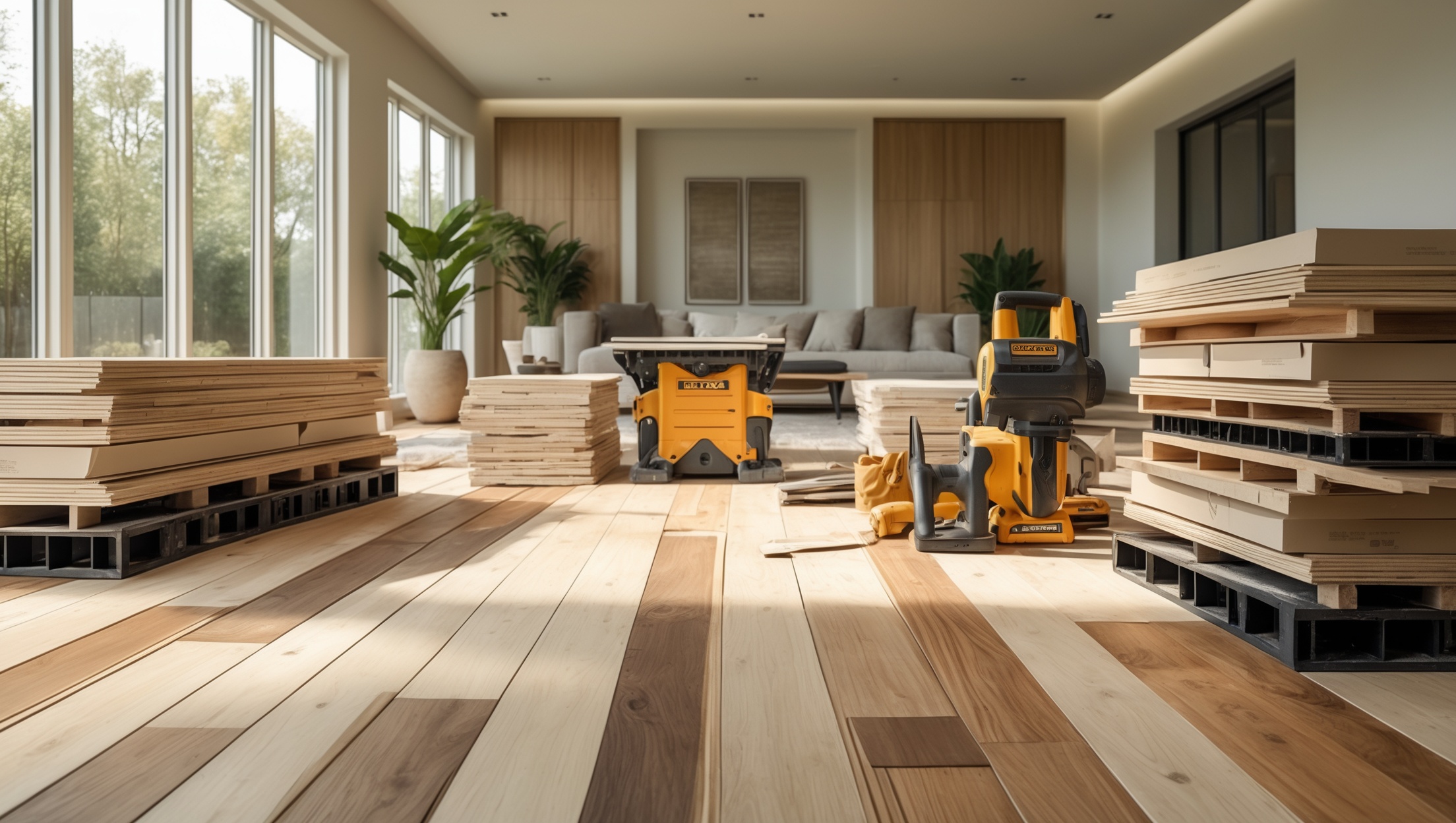
Home Flooring Renovations: Hidden Costs, Compliance, and Maintenance Myths Debunked

Introduction: The Realities of Home Flooring Renovation
Thinking about upgrading your home’s flooring? Whether you’re dreaming of rich hardwood, sleek tile, or plush carpet, a flooring renovation can dramatically enhance your living space’s comfort, value, and style. However, beneath the glossy finish lies a complex process full of hidden costs, compliance considerations, and persistent maintenance myths that can trip up even the most diligent homeowner. Many embark on flooring projects without grasping the full scope of expenses—from subfloor preparation to post-installation care—or the importance of permits and building codes. Even after installation, confusion over cleaning and long-term care abounds, often leading to unnecessary costs or avoidable damage. This comprehensive guide cuts through the confusion, exposing the real price tag of flooring renovations, clarifying compliance essentials, and debunking common myths about maintenance. Whether you’re a first-timer or a seasoned renovator, arm yourself with the practical knowledge you need to ensure your flooring investment stands the test of time—and avoids costly surprises along the way.
Hidden Costs of Flooring Renovation
1. Subfloor Preparation: The Unseen Expense
One of the most overlooked aspects of any flooring project is the condition of the subfloor. Before a single plank or tile is laid, your subfloor must be flat, dry, and structurally sound. Issues such as moisture, uneven surfaces, or old adhesive can require extensive prep work, including:
- Leveling compounds: Essential for uneven concrete or wood subfloors. Costs can range from $2 to $6 per square foot.
- Moisture barriers: Necessary if moisture is present, especially on ground-level slabs. Expect $0.50 to $1.50 per square foot extra.
- Subfloor repairs: Replacing damaged plywood, patching holes, or fixing squeaks can add hundreds (sometimes thousands) to your bill.
2. Removal and Disposal of Old Flooring
Taking up old flooring is more than just elbow grease. Laminate, tile, or glued-down carpet can be especially stubborn to remove. Factor in:
- Labor costs: Professional removal ranges from $1 to $4 per square foot.
- Disposal fees: Landfill charges for old flooring and debris may be charged separately—typically $100-$300 per project.
3. Material Waste and Overages
Always order 5-10% more material than your measured square footage to account for cuts, pattern matching, and mistakes. For intricate layouts (like herringbone), overages may reach 15%. This can add hundreds to your material bill, especially with premium options.
4. Underlayment and Accessories
Many flooring types require underlayment for soundproofing, moisture protection, or comfort. Don’t forget baseboards, transition strips, and stair nosings. These add-ons can easily total $2-$5 per square foot, depending on quality.
5. Unexpected Structural or Environmental Issues
During demolition, hidden problems like dry rot, asbestos, or mold may surface. Remediation can balloon costs by thousands. Always set aside a 10-15% contingency in your flooring budget for surprises.
6. Professional Installation vs. DIY
DIY can save on labor, but mistakes often lead to higher long-term costs (material waste, rework, or damage). Professional installation typically runs $3-$10 per square foot depending on material and complexity, but often comes with warranties and ensures code compliance.
Compliance and Permitting: What You Need to Know
1. When Are Permits Required?
In many municipalities, replacing flooring alone does not require a permit. However, there are important exceptions:
- Subfloor replacement: If you are replacing or repairing structural subflooring, permits may be required.
- Heated floors: Installing electric or hydronic radiant heat systems beneath flooring almost always triggers electrical or plumbing permits.
- Modifying load-bearing walls or removing asbestos: Both require permits and may involve inspections for safety and environmental compliance.
Always check with your local building department before starting. Failing to secure necessary permits can result in fines, forced removal, and complications when selling your home.
2. Building Codes and Flooring Materials
Local codes may specify minimum thickness for subfloors, acceptable types of underlayment, and fire ratings for certain materials. For example, high-rise condos often restrict hardwood or tile in favor of soundproofing-approved products. Always verify code requirements and HOA rules before purchasing materials.
3. Environmental and Accessibility Regulations
Some states and municipalities impose restrictions on volatile organic compounds (VOCs) in flooring adhesives and finishes. If you’re seeking LEED or other green certifications, ensure your products comply. For accessibility, minimum slip-resistance ratings may be mandated in homes with elderly or disabled residents.
4. Documenting Compliance
Keep all permits, inspection approvals, and product data sheets on file. This documentation protects you in case of future insurance claims, home resale, or disputes with contractors.
Debunking Common Flooring Maintenance Myths
Myth 1: Hardwood Floors Are Too Delicate for Families or Pets
While hardwood can scratch, modern finishes and harder species (like oak and maple) withstand daily wear remarkably well. Area rugs and felt pads help further. Fact: Regular sweeping and prompt cleaning of spills keeps hardwood looking new for decades. Deep gouges can often be spot-repaired without full refinishing.
Myth 2: Steam Mops Are Safe for All Hard Surface Floors
Steam mops are marketed as an all-in-one solution, but excessive moisture and heat can damage hardwood, laminate, and even some luxury vinyl flooring. Always check manufacturer guidelines; many warranties are voided by improper cleaning methods. Use damp (not wet) microfiber mops for most hard surfaces.
Myth 3: Tile Is Maintenance-Free
Tile is durable, but grout lines are prone to staining and mold. Sealing grout every 1-2 years is essential. Loose or cracked tiles should be fixed promptly to prevent water infiltration and subfloor damage. Routine sweeping and mopping with pH-neutral cleaners keeps tile vibrant.
Myth 4: Carpet Is Unsanitary and Traps Allergens
Modern carpets are engineered to resist stains, mold, and bacterial growth. Regular vacuuming (with a HEPA filter) and periodic professional cleaning reduce allergen buildup. For severe allergies, low-pile or hypoallergenic carpets are available. Proper maintenance is key—not carpet avoidance.
Myth 5: Vinyl and Laminate Are Indestructible
While resilient, both materials are susceptible to scratches from furniture, tears from sharp objects, and damage from standing water. Use furniture pads, avoid dragging heavy items, and wipe up spills immediately. Repairs are possible for isolated damage, but large-scale issues often require plank or tile replacement.
Cost Breakdown by Flooring Type
1. Hardwood Flooring
- Materials: $5-$15 per sq. ft. for solid or engineered hardwood
- Installation: $4-$8 per sq. ft.
- Finishing (if site-finished): $2-$4 per sq. ft.
- Typical extras: Subfloor repair, moisture barriers, baseboards
- Long-term: Refinishing every 10-20 years ($2-$5 per sq. ft.)
2. Tile Flooring
- Materials: $2-$20 per sq. ft. (ceramic, porcelain, natural stone)
- Installation: $5-$15 per sq. ft. (complex patterns cost more)
- Extras: Backer board, grout, sealer, leveling
- Maintenance: Grout sealing every 1-2 years
3. Luxury Vinyl (LVP/LVT) and Laminate Flooring
- Materials: $2-$7 per sq. ft.
- Installation: $1.50-$5 per sq. ft.
- Extras: Underlayment, transition strips
- Maintenance: Sweep and damp mop; avoid harsh chemicals
4. Carpet
- Materials: $2-$8 per sq. ft.
- Installation: $1-$3 per sq. ft.
- Extras: Padding, transitions, disposal of old carpet
- Maintenance: Vacuum regularly, professional cleaning every 12-18 months
Budgeting Tips for Your Flooring Project
1. Get Multiple Quotes
Compare at least three bids from licensed installers. Ensure quotes are detailed and include all potential extras, from removal of old flooring to baseboard replacement.
2. Plan for Overages and Contingencies
Factor in 10-15% for material overages and unforeseen issues. Ask your contractor about typical surprises that arise with your flooring type.
3. Don’t Skimp on Underlayment or Prep
Cutting corners here can lead to creaks, moisture problems, or early failure. Invest up front to avoid costly callbacks.
4. Ask About Warranties
Both product and installation warranties vary widely. Clarify what’s covered (and for how long) before signing a contract.
Best Practices for Ongoing Flooring Maintenance
1. Establish a Routine
- Hard surfaces: Sweep or vacuum daily, damp mop weekly.
- Carpet: Vacuum 1–2 times per week, spot-clean spills immediately.
2. Protect High-Traffic Areas
- Use doormats at entrances to minimize dirt and grit.
- Place rugs or runners in hallways and kitchens.
3. Address Spills and Damage Promptly
Blot up liquids immediately; don’t let spills sit. For scratches or chips, consult manufacturer repair kits or call a professional for best results.
4. Annual or Biannual Deep Cleaning
- Hardwood: Consider professional cleaning or recoating every 2-3 years.
- Tile: Deep-clean grout and reseal as needed.
- Carpet: Hot water extraction every 12-18 months.
Conclusion: Flooring Success Starts with Informed Choices
Flooring renovations are among the most rewarding—and potentially complicated—home improvement projects. The surface may seem straightforward, but as we’ve explored, the process is rife with hidden costs, compliance hurdles, and persistent misconceptions. By budgeting for the full scope of work, understanding your permit and code obligations, and separating fact from fiction in maintenance, you can protect your investment and enjoy beautiful, durable floors for years to come.
Remember, every home is unique. Take the time to assess your subfloor, research material options, and consult with professionals when in doubt. Always prioritize proper installation and ongoing care over initial cost savings; the upfront investment pays dividends in longevity and peace of mind. Avoid shortcuts that can lead to costly repairs or compliance headaches down the road, and don’t let myths steer you away from flooring options that fit your lifestyle and design vision. With careful planning and a commitment to best practices, your new floors can provide lasting beauty, comfort, and value to your home—and make every step you take a confident one.
Could you elaborate on the kinds of permits or building codes that might apply to flooring projects? If I manage a commercial space, are there different compliance steps or inspection requirements compared to residential installations?
For flooring projects, permits and codes can vary by location, but often involve fire safety, slip resistance, and material standards. In commercial spaces, compliance is typically stricter; you may need formal permits, ADA accessibility checks, and regular inspections to meet building codes. Residential projects usually have fewer requirements, focusing mainly on basic safety and structural integrity. It’s important to check with your local building department before starting, especially for commercial renovations.
I had no idea that subfloor preparation could cost so much or even be necessary in some cases. How can a homeowner tell ahead of time if their subfloor will need major repairs or leveling?
A good way to assess your subfloor condition before starting flooring renovations is to lift a small section of your existing flooring in several rooms, if possible. Look for signs of moisture, sagging, squeaks, or uneven surfaces. If you spot any of these, or if your house is older, consider hiring a professional to inspect and identify issues early. This helps you budget more accurately and avoid surprise costs.
I noticed the article mentions subfloor preparation as a significant hidden cost. How can a homeowner tell ahead of time if their subfloor will need major repairs, or is it something you only discover once the old flooring is removed?
It’s often difficult to fully assess subfloor issues before removing the old flooring, since damage like rot, moisture, or unevenness is usually hidden. However, signs such as squeaky floors, soft spots, or noticeable dips might hint at problems. Professional installers sometimes use moisture meters or borescopes for a better pre-removal assessment, but a complete evaluation typically happens after the old floor is up.
Could you clarify if getting permits for flooring projects is always required, or does it depend on the type of flooring and whether the subfloor needs repairs? I want to make sure I stay compliant without overcomplicating my renovation plans.
Permit requirements for flooring renovations can vary depending on your location and the project details. Typically, simple floor covering replacements like carpet, laminate, or hardwood don’t require permits. However, if your project involves structural changes, subfloor repairs, or altering load-bearing elements, a permit may be needed. It’s wise to check with your local building authority to confirm what’s necessary for your specific situation to ensure compliance without unnecessary steps.
I’m worried about post-installation care. Are there any common cleaning mistakes that might actually void the warranty on new hardwood or tile floors? I’ve heard conflicting advice online and want to avoid expensive errors.
You’re right to be cautious, as many warranties can be voided by improper cleaning. For hardwood, using steam mops or excessive water is a major mistake—most manufacturers specify only damp mopping or special cleaners. For tile, avoid harsh chemicals or abrasive scrubbers, which can damage grout or finishes. Always check the care instructions provided with your flooring and stick to recommended products and methods to keep your warranty intact.