
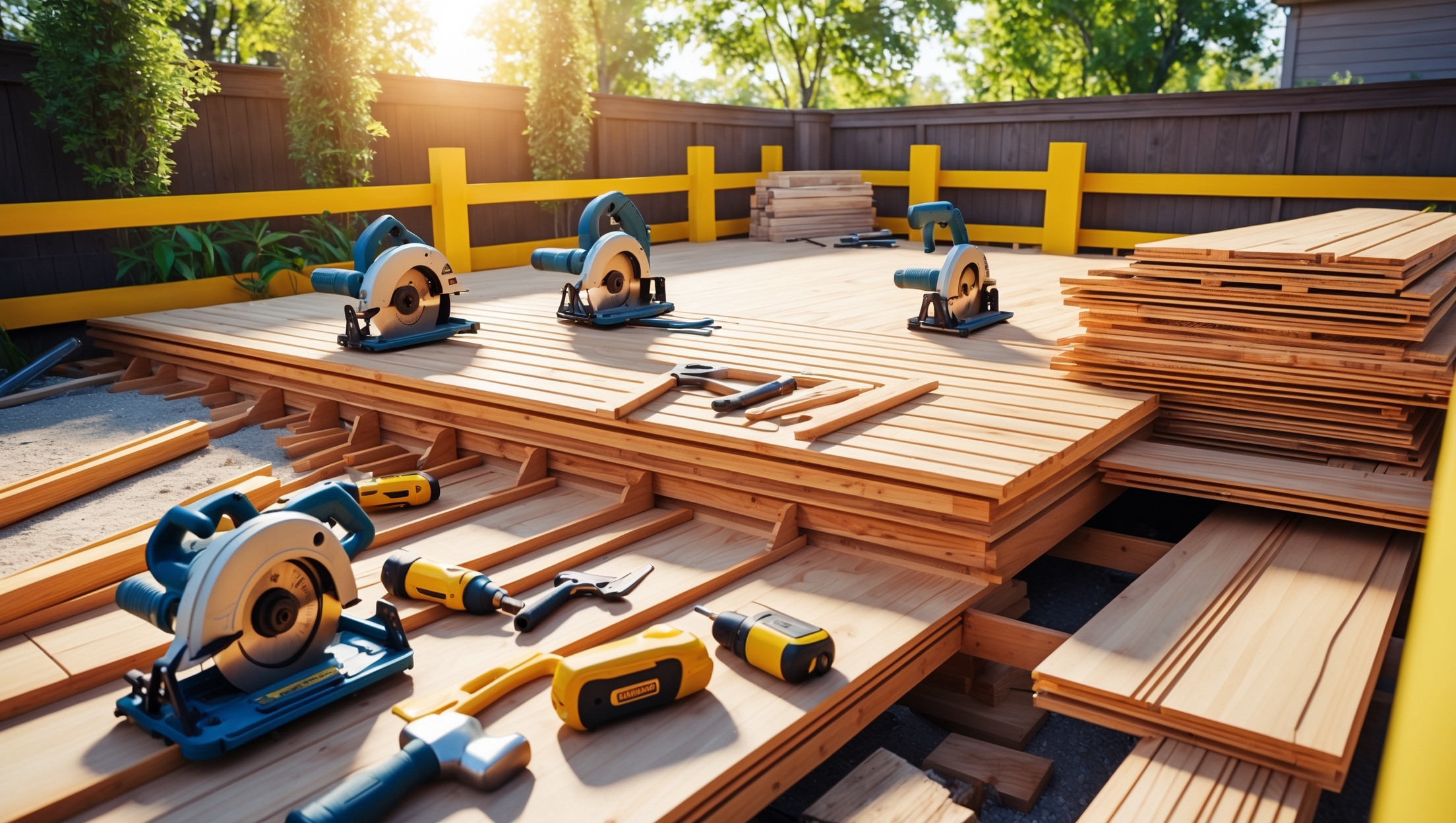
Home Deck Construction: Tools, Permits, Safety, and Seasonal Care

Introduction: Building a Deck the Right Way
Adding a deck to your home is one of the most rewarding home improvement projects, both for immediate enjoyment and long-term value. Whether you envision a cozy corner for morning coffee or a spacious platform for summer gatherings, a well-built deck extends your living space and enhances your property’s appeal. However, many homeowners underestimate the complexity of deck construction. From selecting the right materials and tools to navigating permit requirements and implementing safety measures, each step demands careful planning and execution. Beyond the initial build, seasonal maintenance ensures your deck remains safe, beautiful, and structurally sound year after year. This comprehensive guide walks you through everything you need to know about home deck construction—from the essential tools and permit process to safety best practices and a detailed maintenance calendar. Whether you’re a first-time DIY builder or planning to hire a contractor, these expert insights will help you avoid costly mistakes and maximize your investment.
Essential Tools and Equipment for Deck Construction
Power Tools
- Circular Saw: For cutting deck boards and framing lumber to precise lengths.
- Power Drill/Driver: Needed for driving screws and drilling pilot holes for fasteners.
- Miter Saw: Delivers accurate angled cuts for railings and trim.
- Impact Driver: Helps with heavy-duty fastening, especially for ledger boards and joists.
- Jigsaw: Useful for cutting curves or notches in boards around posts or obstructions.
Hand Tools
- Measuring Tape and Speed Square: For accurate layout and checking corners.
- Level: Ensures the deck is perfectly horizontal and guardrails are installed correctly.
- Chalk Line: Snaps straight reference lines for board placement and cuts.
- Post Hole Digger: For digging footings or post holes to the required depth.
- Hammer, Pry Bar, and Utility Knife: General tasks, from removing warped boards to trimming flashing.
Safety Equipment
- Safety Glasses and Hearing Protection: Essential when using power tools.
- Work Gloves: Protects hands from splinters and sharp edges.
- Dust Mask: Especially important when cutting pressure-treated lumber.
- Knee Pads: Reduce fatigue and injury during prolonged kneeling.
Specialty Tools
- Deck Board Spacers: Maintain consistent gaps for water drainage.
- Joist Hangers and Fastener Kits: Ensure secure, code-compliant framing.
- Concrete Mixer or Wheelbarrow: For mixing and pouring concrete footings.
- Laser Level: Speeds up deck leveling over large spans.
Tool Rental vs. Purchase
For one-off projects, renting high-cost power tools from a local hardware store can be more economical than purchasing. However, investing in quality hand tools pays off for ongoing home maintenance. Always inspect rented equipment for safety and functionality before use.
Permits, Codes, and Compliance: Navigating the Paperwork
Why Permits Matter
Decks are considered structural additions and are subject to local building codes. Permits ensure your deck is safely constructed, meets zoning setbacks, and doesn’t compromise property lines or utilities. Building without a permit can result in hefty fines, forced removal, or issues when selling your home.
How to Obtain a Deck Permit
- Contact Your Local Building Department: Obtain specific regulations and required forms.
- Submit Detailed Plans: Include deck dimensions, framing details, materials, and site plan with property lines marked.
- Schedule Site Inspections: Most regions require inspections at key stages—footings, framing, and final completion.
- Pay Fees: Permit costs vary widely, typically ranging from $100 to $500 depending on project scope and location.
Key Code Requirements
- Footing Depth: Must extend below frost line in cold climates to prevent heaving.
- Ledger Board Attachment: Securely bolted to the house’s rim joist with proper flashing to prevent water damage.
- Joist Spacing: Usually 12 to 16 inches on center, depending on decking material and span.
- Guardrails and Stairs: Rails required for decks over 30 inches above grade; stair treads and handrails must meet width and height codes.
Homeowners Association (HOA) Considerations
If you live in a community with an HOA, review their guidelines before starting. Some HOAs restrict deck size, placement, color, or even allowable materials. Non-compliance can mean expensive rework.
Common Permit Pitfalls
- Submitting incomplete plans or missing details about materials and fasteners.
- Ignoring setback requirements or encroaching on utility easements.
- Failing to request required inspections—leading to delays or denied final approval.
Deck Construction Safety Checklist
Site Preparation
- Mark utility lines before digging footings. Use 811 or your local utility locator service.
- Clear the work area of debris, rocks, and vegetation to prevent tripping hazards.
Personal Safety
- Wear appropriate PPE: safety glasses, gloves, hearing protection, and dust mask.
- Dress in fitted clothing—avoid loose sleeves or jewelry that could catch in power tools.
- Keep a fully stocked first aid kit on site.
Tool and Equipment Safety
- Inspect all tools for damage before use.
- Check power cords for fraying or exposed wires.
- Unplug tools before changing blades or bits.
- Never bypass safety guards on saws or drills.
Lifting and Material Handling
- Use proper lifting techniques—lift with your legs, not your back.
- Get help for heavy beams or long deck boards to prevent strain injuries.
- Stack lumber on flat, stable ground to avoid rolling or shifting.
Weather Concerns
- Avoid working in wet or icy conditions; slippery surfaces increase fall risk.
- During hot weather, stay hydrated and take shade breaks.
Worksite Organization
- Keep tools organized—clutter increases accident risk.
- Use temporary railings or caution tape around elevated areas during construction.
Step-by-Step Deck Construction Overview
1. Planning and Design
- Sketch your deck layout, including dimensions and location relative to your house.
- Choose materials: pressure-treated lumber, composite decking, or specialty woods like cedar or redwood.
- Estimate material quantities using a deck calculator.
2. Site Preparation
- Mark deck perimeter with stakes and string.
- Level the site and remove sod or organic material.
3. Setting Footings and Posts
- Dig holes to required depth and width, as specified by code.
- Pour concrete footings and set posts with metal brackets.
- Ensure posts are perfectly vertical using a level.
4. Framing
- Attach the ledger board to the house, ensuring proper flashing is installed.
- Install beams and joists, spacing per code and decking manufacturer recommendations.
- Secure with galvanized or stainless-steel fasteners to prevent rust.
5. Decking Installation
- Lay deck boards perpendicular to joists, leaving proper spacing for drainage.
- Stagger joints for a more attractive finish and added strength.
- Fasten boards securely—hidden fasteners offer a clean look but require careful alignment.
6. Railings and Stairs
- Install guardrails and balusters to meet height and spacing codes.
- Construct stairs with uniform riser heights and secure handrails.
7. Final Inspection and Cleanup
- Schedule final inspection with your local building department.
- Remove debris, sweep the deck, and store leftover materials safely.
Seasonal Deck Maintenance Best Practices
Spring
- Inspection: Check for loose fasteners, cracked boards, and signs of rot or insect damage.
- Cleaning: Sweep debris and wash deck with a mild detergent or deck cleaner. Use a soft brush or a pressure washer on low setting.
- Sealing: Apply water repellent or sealant if needed—this is especially important for wood decks.
Summer
- Monitor for Warping: High heat can cause boards to expand and warp. Replace or re-secure as needed.
- Check Railings: Ensure all handrails and balusters remain tight and secure.
- Furniture Care: Use furniture pads to prevent scratches and avoid leaving planters in one spot for too long to prevent moisture traps.
Fall
- Leaf Removal: Keep deck clear of leaves and organic debris which can cause staining and promote decay.
- Gutter Check: Ensure nearby gutters and downspouts direct water away from the deck structure.
- Touch-Up: Tackle minor repairs before winter—fill cracks, replace damaged boards, and tighten fasteners.
Winter
- Snow Removal: Use a plastic shovel (never metal) to avoid gouging the boards. Clear snow promptly to prevent ice buildup.
- Deicing: Avoid salt-based deicers on wood decks; use sand or calcium magnesium acetate if traction is needed.
- Moisture Monitoring: Check for pooling water or ice dams that could damage structure or finish.
Common Deck Construction Mistakes to Avoid
- Skipping the permit process, leading to legal and safety issues.
- Improper ledger board installation, which can cause deck collapse.
- Using indoor-grade or non-galvanized fasteners that quickly rust outdoors.
- Poor site drainage, resulting in water pooling around footings and accelerating decay.
- Neglecting regular maintenance, causing premature aging and safety hazards.
- Overloading the deck with heavy furniture or hot tubs without proper engineering.
Deck Insurance and Liability Considerations
Before construction, consult your home insurance provider. Adding a deck can impact your coverage and may require policy updates to reflect the increased value and liability. Ensure your deck is specifically listed in your policy, and keep records of permits, inspections, and receipts for future reference. If hiring contractors, verify they carry current liability and workers’ compensation insurance to protect yourself from on-site accidents.
Conclusion: Building a Deck That Lasts
Constructing a home deck is a project that beautifully marries craftsmanship with compliance. By investing in the right tools and safety equipment, planning thoroughly, and adhering to both code requirements and best practices, you lay the foundation for an outdoor space that’s as safe as it is inviting. The permit process may seem daunting, but it’s essential for both legal peace of mind and resale value. An organized approach to construction—including careful material handling, vigilant safety protocols, and attention to detail—prevents the most common mistakes seen in DIY deck projects. Once your deck is complete, embracing a year-round maintenance routine will keep it looking great and functioning safely for decades. Whether you’re enjoying a quiet morning or hosting a lively barbecue, your deck becomes a true extension of your home—and with the right preparation, it will stand strong through every season. Take the time to do it right, and your deck will reward you with comfort, beauty, and value for years to come.
I noticed you mention both a power drill/driver and an impact driver for deck construction. Can you clarify when it’s best to use each one during the building process? I want to make sure I have the right tool for each step, especially when dealing with joists and ledger boards.
A power drill/driver is ideal for drilling pilot holes and driving standard screws, which is useful for tasks like attaching decking boards. An impact driver, on the other hand, is best for driving longer or thicker screws into tough materials, such as when fastening ledger boards or securing joists. Using an impact driver in these situations reduces the chance of stripping screws and eases the work on your wrists.
When planning out deck construction, is there a preferred sequence for using the various saws and drills mentioned? For example, should precision cuts with the miter saw be done before general framing with the circular saw, or does the order depend on the builder’s experience?
Typically, the sequence is based on the construction process rather than personal experience. General framing is usually done first using the circular saw for cutting joists and beams to size. Once the main structure is in place, the miter saw is used for precision cuts, like trimming deck boards and creating clean angles for railings. This approach ensures accuracy and efficiency during assembly.
When it comes to the permit process you mentioned, are there common delays or issues homeowners run into with local permitting departments, and do you have suggestions for making that step go more smoothly?
Homeowners often encounter delays if permit applications are incomplete, lack required documents, or if plans don’t meet building codes. Sometimes, high demand at local offices can also slow things down. To help things go smoothly, double-check your application packets, ensure your deck plans clearly show dimensions and materials, and respond quickly to any requests for more information from the permitting department.
When it comes to the permit process you mention, how do I find out exactly what permits I need for my area? Is there a typical place homeowners go to get this info, or does it change from town to town?
Permit requirements for deck construction do vary by location, often from town to town. The best place to start is your local municipal building or planning department, which is usually part of your city or county government. They can tell you exactly what permits and documents you need. Many areas also list permit requirements on their official government websites, so checking there can save you a trip.