
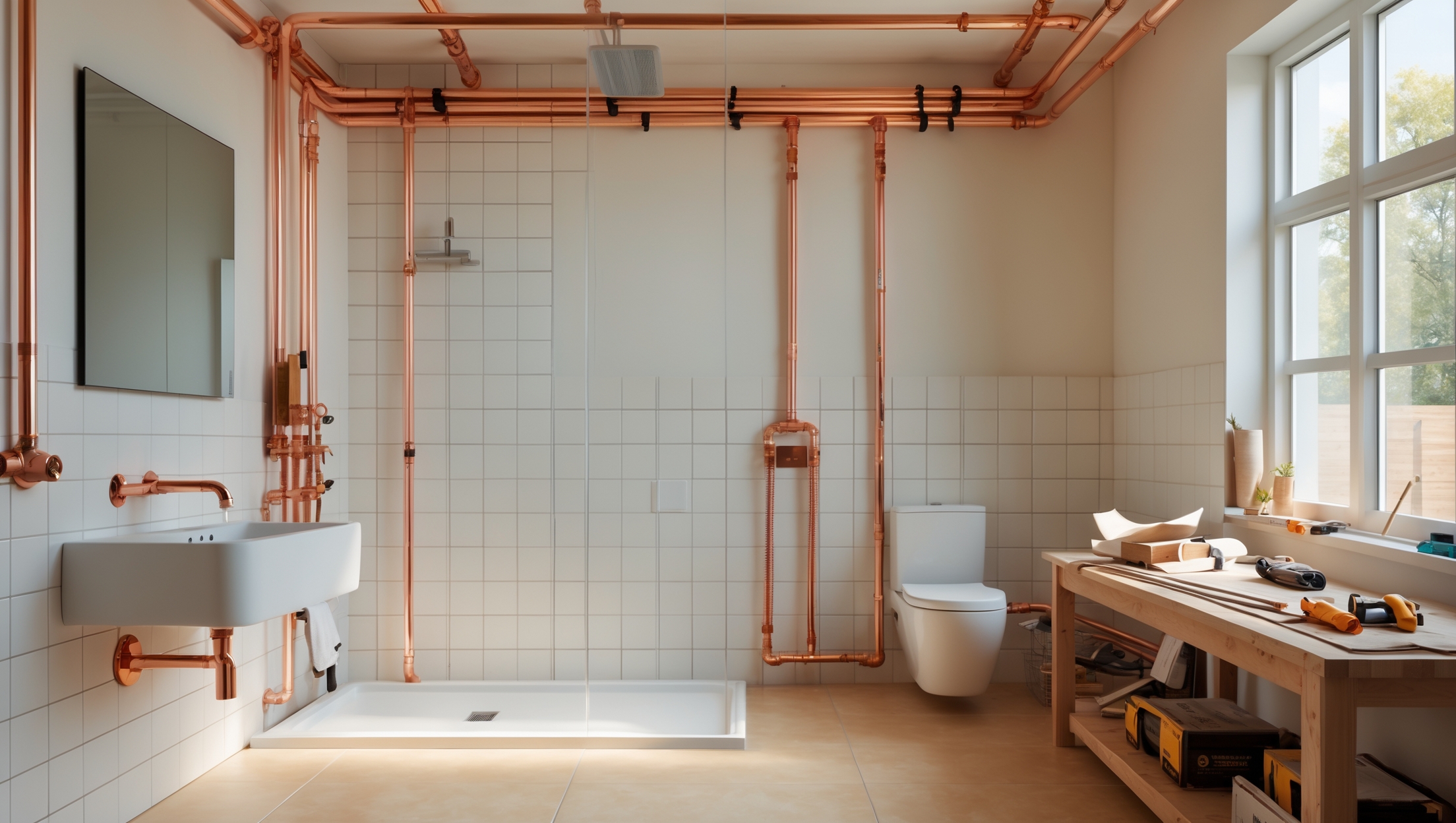
Avoiding Common Plumbing Upgrade Mistakes: Budgeting, Permits, and Long-Term Maintenance

Introduction: Why Smart Planning Matters in Plumbing Upgrades
Upgrading your home’s plumbing system is one of those projects that can dramatically improve comfort, efficiency, and resale value—when it’s done right. However, even seasoned DIYers and experienced homeowners can fall into costly traps when planning, budgeting, or executing plumbing improvements. From overlooking critical permits to underestimating the true cost of materials and labor, mistakes in plumbing upgrades can lead to water damage, code violations, and expensive repairs down the road. The stakes are high: a single overlooked detail can cause leaks, water pressure issues, or even structural damage to your home.
This comprehensive guide will help you navigate the most common pitfalls in home plumbing upgrades. We’ll cover how to accurately budget for the project (including hidden expenses), why compliance and permits are non-negotiable, and outline maintenance best practices that protect your investment for years to come. Whether you’re updating a single bathroom or planning a whole-house repipe, these expert insights will equip you to make informed, confident decisions—and avoid the headaches that plague so many plumbing projects.
Understanding the Scope: What Counts as a Plumbing Upgrade?
Before you can plan effectively, it’s crucial to define the scope of your plumbing upgrade. Plumbing improvements can range from modest fixture replacements to extensive pipe rerouting and system overhauls. Common upgrades include:
- Replacing old galvanized or polybutylene pipes with modern PEX or copper piping
- Upgrading toilets, sinks, and faucets to water-efficient models
- Installing new water heaters or tankless systems
- Adding or relocating plumbing lines for a bathroom or kitchen remodel
- Enhancing water filtration or installing water softeners
- Integrating smart leak detection systems
Each type of upgrade comes with its own set of considerations, costs, and compliance requirements. Clearly defining the project’s scope at the outset is key to accurate budgeting and successful execution.
Budgeting for Plumbing Upgrades: Avoiding Financial Surprises
Setting Realistic Expectations
One of the most common mistakes homeowners make is underestimating the true cost of plumbing upgrades. While online calculators can provide rough estimates, every home presents unique challenges—especially older properties with outdated or concealed systems. Start by gathering multiple quotes from licensed plumbers for the specific work you intend to complete. If you’re considering DIY, research material and tool costs meticulously and factor in a contingency for unexpected issues.
Common Cost Factors
- Material Choices: PEX piping is generally less expensive than copper but may not be suitable for all applications. High-end fixtures and specialty valves can also drive up costs.
- Accessibility: Plumbing hidden behind walls, under floors, or in tight crawl spaces increases labor time and may require additional demolition and repair.
- Code Compliance: Upgrading to meet current code often requires extra parts or labor, such as installing backflow preventers or pressure regulators.
- Permits and Inspections: These fees vary by municipality but should always be included in your budget.
- Remediation: Addressing mold, lead, or asbestos discovered during demolition can add significant unforeseen costs.
- Restoration: Don’t forget to budget for patching drywall, repainting, or retiling after plumbing work is complete.
Hidden Costs to Watch Out For
- Water shutoff and re-activation fees from your local utility
- Temporary accommodations if water service is interrupted for more than a day
- Upgrading main supply lines or installing new shutoff valves to meet code
- Upgrading electrical connections for new tankless water heaters
Always add a 10–20% contingency to your total budget to cover surprises.
Permit and Compliance Essentials: Don’t Risk Costly Violations
When Are Permits Required?
Many homeowners mistakenly believe that small plumbing jobs don’t require permits. In reality, most municipalities require permits for:
- Replacing or rerouting pipes (supply or drain lines)
- Installing new water heaters or major appliances
- Adding or moving plumbing fixtures
- Work involving gas lines or sewer connections
Check with your local building department before starting any plumbing project, no matter how minor it seems. Working without a permit can result in fines, forced removal of non-compliant work, denial of insurance claims, and complications when selling your home.
How to Obtain a Plumbing Permit
- Submit plans or a scope of work to your local building department
- Pay the required permit fees
- Schedule inspections at key stages (rough-in, final, etc.)
- Ensure all work is performed by a licensed plumber, or meet DIY requirements if allowed
Keep all documentation for your records and future home sales.
Key Compliance Considerations
- Pipe sizing and materials must meet local plumbing code
- Fixtures must be WaterSense or code-approved models
- Proper venting and drainage are essential to prevent sewer gas and backups
- Backflow prevention devices may be required to protect the municipal water supply
- Special requirements for homes with private wells or septic systems
Beginner Mistakes to Avoid in Plumbing Upgrades
1. Skipping the Inspection
Never start a plumbing upgrade without a thorough inspection of existing pipes, shutoff valves, and connections. Look for corrosion, leaks, or signs of past water damage. Overlooking hidden problems can lead to project delays and costly fixes after the walls are closed up.
2. Choosing the Wrong Materials
Not all pipe materials are interchangeable. For example, PEX isn’t always suitable for outdoor use or direct sun exposure, and using the wrong diameter pipe can reduce water flow or pressure. Always match materials to the application and local code.
3. Underestimating Labor and Skill
DIY plumbing is tempting, but mistakes here can cause water leaks, property damage, and failed inspections. If you’re unsure, hire a licensed plumber for critical tasks like soldering copper, pressure testing, or connecting to the main supply.
4. Ignoring Shutoff Procedures
Always know how to quickly shut off water to the work area and the whole house. Use new, reliable shutoff valves at every fixture replacement. Never attempt work on pressurized pipes.
5. Forgetting About Water Hammer and Pressure Issues
Upgrades can change water pressure dynamics, sometimes leading to noisy pipes (water hammer) or leaks. Install pressure regulators and hammer arrestors as needed.
6. Poor Planning for Future Access
Don’t bury critical shutoffs, cleanouts, or joints behind finished walls without access panels. Future maintenance will be much harder and more expensive.
Tools and Equipment Guide for Plumbing Upgrades
Essential Tools for DIYers
- Adjustable pipe wrenches (various sizes)
- Pipe cutters (for copper, PVC, and PEX)
- Propane torch (for soldering copper pipes)
- Crimping and cinch tools (for PEX connections)
- Plumber’s tape and pipe dope for leak-free threads
- Tube bender (for custom copper runs)
- Plumber’s putty and silicone sealant
- Bucket, towels, and wet/dry vacuum for water cleanup
When to Rent vs. Buy
Specialty tools like pipe threading machines, inspection cameras, or large drain augers can be rented from most home improvement stores. Only invest in these if you plan to tackle multiple projects.
Long-Term Maintenance Strategies for New Plumbing Systems
Routine Inspections
Schedule annual visual checks of exposed pipes, shutoff valves, and fixtures for leaks or corrosion. Catching small issues early prevents major water damage down the line.
Water Quality Control
Install whole-house filtration or softening systems if you have hard or mineral-laden water. This extends the life of new pipes, fixtures, and appliances.
Protecting Pipes from Freezing
- Insulate pipes in unheated crawl spaces, basements, or exterior walls
- Install heat tape if you live in a cold climate
- Shut off and drain outdoor faucets before winter
Preventing Clogs and Backups
- Never pour grease, oils, or non-flushable items down drains
- Use hair catchers in showers and tubs
- Schedule professional drain cleaning every few years if you have mature trees nearby
Smart Leak Detection
Consider installing leak-detection sensors under sinks, near water heaters, and behind toilets. Many modern systems can alert you via smartphone and automatically shut off water in the event of a leak.
Insurance Considerations for Plumbing Upgrades
Notifying Your Insurer
Major plumbing upgrades can affect your home insurance policy. Notify your insurer before starting work, and provide documentation of permitted, code-compliant installations. This ensures you’re covered for water damage claims related to newly installed plumbing.
Coverage for Water Damage
Verify that your policy covers accidental water discharge and sewer backup. Upgrading old pipes may qualify you for reduced premiums, but only if the work is permitted and inspected.
Case Study: Real-World Budgeting and Compliance Lessons
Consider the example of a homeowner who decided to upgrade their 1960s-era galvanized plumbing to modern PEX. The initial quote was $6,500, but after opening up walls, asbestos insulation was discovered, requiring professional remediation. Permit and inspection fees added another $800. Once the new system was in place, a routine inspection revealed a missed vent connection, which needed to be corrected before the final sign-off. The homeowner’s careful documentation and compliance with permit requirements ensured that their insurance company approved their claim for minor drywall damage during the process.
The lesson: Always budget for hidden contingencies, never skip permits, and plan for inspections at every stage.
Conclusion: Invest in Quality, Compliance, and Maintenance for Lasting Results
Plumbing upgrades offer one of the best returns on investment for home comfort, efficiency, and property value—but only if you approach them with a clear plan, realistic budget, and a commitment to code compliance. The most common mistakes, from underestimating costs to neglecting permits and inspections, can turn a straightforward upgrade into an expensive headache. Take the time to research your project, consult with licensed professionals, and never cut corners on permits or quality materials.
Long-term maintenance is just as important as the initial installation. A proactive approach to inspections, water quality, and freeze protection will ensure your new plumbing system serves your family reliably for decades. Don’t forget the insurance side: document all work, communicate with your provider, and keep your records safe.
By following the strategies and avoiding the mistakes outlined in this guide, you’ll protect your investment, avoid costly surprises, and enjoy the peace of mind that comes from a job well done. Whether you’re tackling a single bathroom refresh or a whole-house repipe, smart planning and expert execution are your keys to success.
When budgeting for a whole-house repipe, what are some of the hidden expenses that tend to catch business owners off guard? I want to be as accurate as possible with my planning.
When budgeting for a whole-house repipe, business owners are often surprised by costs such as drywall or flooring repairs after pipes are replaced, permit and inspection fees, disposal of old materials, and possible asbestos or lead remediation in older buildings. Also, factor in the cost of shutting down operations if water needs to be off, and possible upgrades to bring the plumbing up to current codes.
I’m planning to replace some old polybutylene pipes with PEX, but I’m not sure if I need a permit for just swapping out sections at a time. Should I get in touch with the city before starting, or do permits only apply for major overhauls?
It’s important to check with your local building department before starting any pipe replacement, even if you’re only swapping out sections. Many areas require permits for replacing old polybutylene pipes, regardless of the extent of the work. Contact your city authorities to clarify the specific requirements for your area. This helps you avoid fines and ensures the work meets code.
If I want to add smart leak detection to my current plumbing setup, is it better to do that during a larger upgrade or can it be easily added after? Are there maintenance tasks specific to these systems I should plan for in the long run?
Adding smart leak detection can be done either during a larger plumbing upgrade or afterward, but integrating it during a bigger project is often more efficient and may save on installation costs. However, these systems are designed for retrofits as well, so adding them later is usually straightforward. For maintenance, plan on checking sensor batteries regularly, keeping sensors clean, and updating the system’s firmware as needed to ensure optimal performance.
When it comes to budgeting for a plumbing upgrade, how do you estimate hidden expenses like unexpected pipe replacements or water damage repairs? I don’t want to underestimate the total cost, but it’s hard to know what to expect before starting.
Estimating hidden expenses in a plumbing upgrade can be tricky, but building a contingency fund into your budget really helps. A good rule is to add 15-25% of your estimated project cost for unexpected issues like hidden pipe damage or surprise repairs. Before starting, ask your plumber to inspect and assess behind walls or under floors if possible, and get their professional opinion on potential risks. This approach gives you a realistic buffer and helps reduce financial surprises.
Could you elaborate a bit more on the permit requirements you mentioned? For example, if someone is just replacing a water heater versus adding new plumbing lines for a remodel, do the same permitting rules apply or does it vary by type of upgrade?
Permit requirements can vary depending on the type of plumbing work and your local regulations. Generally, replacing a water heater often requires a permit, but the process is usually more straightforward than for larger projects. Adding new plumbing lines for a remodel almost always requires permits and inspections, as it impacts the home’s plumbing system more significantly. Always check with your local building department to find out exactly what permits are needed for your specific upgrade.
For someone adding smart leak detection to their home for the first time, are there any long-term maintenance steps that are often overlooked, or is it mostly a set-it-and-forget-it kind of upgrade?
While smart leak detection systems are often seen as set-it-and-forget-it devices, there are a few long-term maintenance steps that can be overlooked. It’s important to periodically check the batteries or power supply, ensure that sensors remain in their proper positions, and test the system occasionally to make sure alerts are working. Also, keep the app or firmware updated to benefit from any security or feature improvements.
If I’m upgrading to a tankless water heater as part of a plumbing renovation, do the permit requirements differ from just replacing existing fixtures or pipes? How do I make sure I’m not missing a step in getting everything approved?
Yes, installing a tankless water heater often has different permit requirements compared to simply replacing fixtures or pipes. Tankless units may involve electrical, gas, and venting changes, which require specific inspections. To ensure nothing is missed, contact your local building department early, ask for a list of required permits for your exact project, and use licensed professionals familiar with local codes to handle the installation and paperwork.
If I want to add a smart leak detection system while upgrading my kitchen plumbing, should I do that at the same time as new fixture installations, or would it be better to handle that as a separate project for easier maintenance down the line?
Installing a smart leak detection system at the same time as your new kitchen fixtures is usually the best approach. This allows the plumber to integrate the sensors and wiring seamlessly with the new plumbing, making installation cleaner and potentially saving you some costs. It also helps ensure that everything works together smoothly from the start, without the need to reopen walls or disrupt your new fixtures later.
When budgeting for a plumbing upgrade like switching from galvanized to PEX piping, are there any hidden expenses homeowners frequently overlook, like disposal fees or temporary water shutoff costs?
Yes, there can be several hidden expenses when switching from galvanized to PEX piping. Homeowners often overlook costs like disposing of old pipes, temporary water shutoff fees from the utility company, patching walls or floors after pipe replacement, and permit fees. Also, if your project uncovers other plumbing issues or requires upgrades to meet code, those can add to your expenses. It’s a good idea to clarify all potential costs with your plumber before starting.