
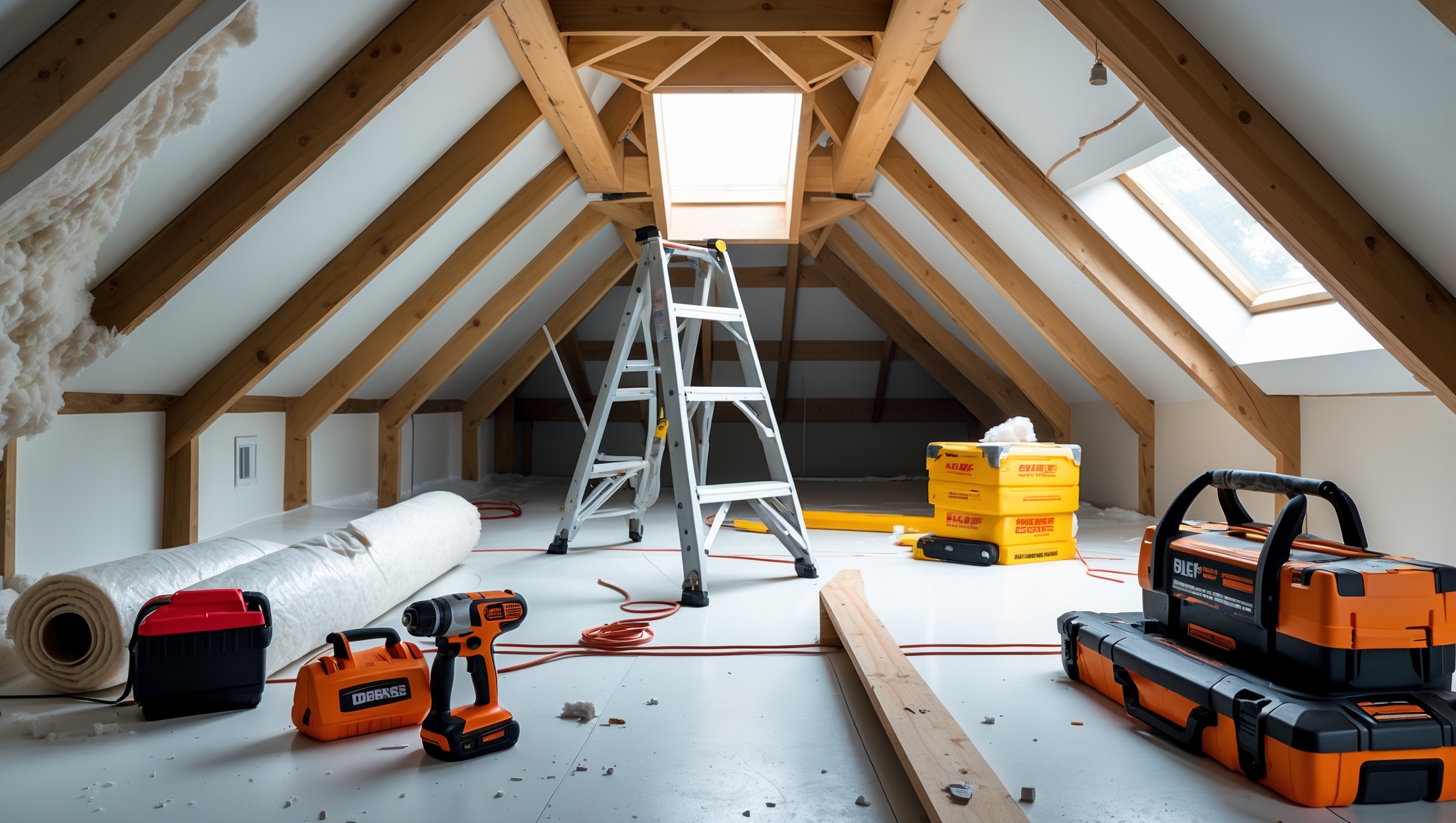
Essential Tools & Equipment Guide for DIY Attic Conversions—Maximize Space Safely

Introduction: Unlocking Your Attic’s Potential
Transforming an underutilized attic into a functional space is one of the most rewarding home improvement projects you can undertake. Whether you’re envisioning a cozy guest room, a home office, or a creative studio, an attic conversion adds significant value, comfort, and usable square footage to your home. However, the journey from dusty storage to polished living area is filled with unique challenges—tight spaces, tricky angles, and safety hazards abound.
One of the most critical factors in a successful DIY attic conversion is having the right tools and equipment. Using improper or inadequate gear can lead to wasted materials, safety risks, and frustrating setbacks. In this comprehensive guide, we’ll walk you through the essential tools, equipment, and safety gear you’ll need to maximize efficiency and minimize risk. From the initial demolition to the finishing touches, our expert recommendations will help you work smarter, safer, and with greater confidence. Let’s get started on turning that forgotten attic into your home’s next showpiece.
Planning Your Project: Assessing Needs & Safety First
Understanding the Scope
Before gathering tools, clarify your attic conversion plan. Will you be framing new walls, installing electrical wiring, or simply finishing surfaces? Each phase—demolition, construction, insulation, and finishing—requires specialized equipment. Create a detailed project breakdown to identify exactly what tools you’ll need at each stage.
Attic-Specific Safety Considerations
- Structural Stability: Many attics have joists meant for light storage, not foot traffic. Assess whether reinforcement is needed before starting work.
- Headroom & Accessibility: Low ceilings and tight access require compact, lightweight tools and stable ladders or scaffolds designed for confined spaces.
- Ventilation & Air Quality: Dust, insulation fibers, and potential mold make respirators and dust extraction systems crucial.
Demolition & Preparation: Clearing the Way
Key Tools for Safe Demolition
- Pry Bars (Various Sizes): For removing old paneling, flooring, and framing without damaging structural elements.
- Reciprocating Saw: Ideal for cutting through old joists, nails, or stubborn fasteners.
- Utility Knife: For precision cutting of drywall, insulation, and vapor barriers.
- Heavy-Duty Trash Bags & Contractor Cleanup Bags: Essential for debris management in tight spaces.
- Shop Vacuum (HEPA-Grade Preferred): To quickly clear dust and hazardous particles.
Safety Gear for Demolition
- Hard Hat: Protects from protruding nails and low beams.
- Work Gloves (Cut-Resistant): Prevents injuries from splinters, nails, and sharp debris.
- Safety Glasses or Goggles: Shields eyes from flying particles.
- Respirator or Dust Mask (N95 or Better): Prevents inhalation of dust and insulation fibers.
Framing & Structural Work: Tools for Building Strong Foundations
Must-Have Framing Tools
- Circular Saw or Miter Saw: For accurate, clean cuts on framing lumber and trim pieces.
- Hammer & Framing Nail Gun: A nail gun speeds up framing dramatically, but always keep a quality hammer on hand for tight spots or corrections.
- Speed Square & Carpenter’s Level: Ensures walls are plumb and square, especially in spaces with odd angles.
- Measuring Tape (25′ Minimum) & Laser Distance Measurer: For precise room measurements and layout planning.
- Chalk Line: Keeps your framing straight and aligned.
Equipment for Joist Reinforcement
- Drill/Driver Set (Cordless Preferred): For driving screws, drilling pilot holes, and installing joist hangers or brackets.
- Impact Driver: Handles heavy-duty fasteners and lag bolts required for structural work.
- Joist Hanger Installation Kit: Includes specialty brackets, fasteners, and the necessary installation tools.
Insulation & Air Sealing: Comfort and Efficiency
Insulation Installation Tools
- Insulation Knife or Long Blade Utility Knife: For clean cuts of batt or rigid foam insulation.
- Staple Gun (Manual or Electric): Secures insulation, house wrap, and vapor barriers.
- Spray Foam Gun: Fills gaps and hard-to-reach areas for maximum air sealing.
- Measuring Tape & Marking Tools: Ensures insulation fits perfectly, reducing waste.
Personal Protective Equipment (PPE) for Insulation
- Disposable Coveralls: Prevents insulation fibers from irritating skin.
- Goggles & Respirator: Essential for working with fiberglass, mineral wool, or spray foam.
- Knee Pads: Increases comfort for prolonged work on joists or subfloors.
Electrical & Lighting: Powering Your New Space
Essential Electrical Tools
- Voltage Tester & Circuit Finder: Confirms power is safely off before starting work.
- Wire Strippers & Pliers: For precise cutting and connecting of wires.
- Fish Tape or Wire Puller: Navigates wires through tight attic spaces and closed walls.
- Drill with Hole Saw Attachments: Makes holes for running wiring and installing light fixtures.
- Electrical Rough-In Kit: Includes junction boxes, cable staples, and other essentials.
Lighting Installation Gear
- Headlamp or Portable LED Work Light: Illuminates dark, confined attic areas for safe, accurate work.
- Step Ladder or Telescoping Ladder: Provides stable access to ceiling fixtures in low-clearance spaces.
Safety First: Electrical Work Precautions
- Always shut off power at the breaker before starting any electrical work.
- If you’re not comfortable with electrical installations, hire a licensed electrician for code compliance and safety.
Drywall, Flooring, and Interior Finishes
Drywall Installation Tools
- Drywall Lift or Panel Lift: A lifesaver for holding panels in place when working alone or overhead.
- Drywall T-Square & Rasp: Ensures straight cuts and smooth edges.
- Drywall Screw Gun: Speeds up panel attachment and reduces hand fatigue.
- Joint Knife Set & Taping Tools: For finishing seams and achieving a smooth, professional appearance.
Flooring Tools: Navigating Tight Quarters
- Circular Saw or Jigsaw: For trimming floorboards to fit irregular attic layouts.
- Rubber Mallet & Flooring Pull Bar: Ensures tight seams in hardwood, laminate, or vinyl plank floors.
- Flooring Nailer or Stapler: Speeds up installation of traditional hardwood.
- Moisture Meter: Confirms subfloor dryness before installing new materials.
Finishing Touches: Painting & Trim
- Extension Poles for Rollers: Makes painting ceilings and high walls easier in cramped attic spaces.
- Miter Saw: For precise cuts on baseboards, crown molding, and window/door trim.
- Caulk Gun: Seals gaps around trim and windows for a polished, draft-free finish.
Ventilation, HVAC, and Climate Control
Tools for Installing Attic Ventilation
- Hole Saw or Jigsaw: For cutting vent openings in the roof or gable ends.
- Roofing Nailer or Hammer: Attaches roof vents and flashing securely.
- Flexible Ductwork Tools: Includes snips, clamps, and foil tape for quick, airtight connections.
Climate Control Equipment
- Mini-Split HVAC Installation Kit: Contains mounting brackets, refrigerant line tools, and a vacuum pump for installing ductless units.
- Smart Thermostat: Enables precise climate control and energy efficiency.
- Infrared Thermometer: Checks for thermal leaks around windows, doors, and insulation gaps.
Access & Safety: Ladders, Platforms, and Fall Protection
Choosing the Right Ladder
- Telescoping Ladder: Compact, lightweight, and easy to maneuver in tight attic entries.
- Attic Ladder Installation Kit: For permanent, safe access from below—often includes mounting hardware and insulation covers.
Scaffolding and Work Platforms
- Folding Work Platform: Provides stable footing for working on ceilings or high walls, especially useful in areas with limited headroom.
- Mobile Scaffold Tower: For larger attic conversions, a rolling scaffold increases safety and productivity.
Fall Protection Gear
- Harness and Lanyard Kit: Required if you’ll be working near open attic hatches or unfinished stairways.
- Non-Slip Work Shoes: Reduces the risk of slips on dusty or inclined surfaces.
Tool Organization & Storage in Tight Spaces
Best Practices for Tool Management
- Rolling Tool Chest or Tool Backpack: Keeps essential gear organized and mobile in cramped conditions.
- Magnetic Wristband or Tool Belt: Prevents drops and keeps frequently used items handy.
- Portable Parts Organizer: Essential for screws, nails, and electrical connectors.
Keeping the Workspace Safe & Efficient
- Always clear debris and unused tools at the end of each workday to prevent trips and falls.
- Utilize wall-mounted storage for extension cords and hoses to free up floor space.
Pro Tips: Maximizing Efficiency and Safety
Work in Phases
Break your attic conversion into logical phases: demolition, framing, insulation, utilities, and finishing. Gather tools for each phase in advance and return or store what you don’t need for the next step, reducing clutter and confusion.
Invest in Quality Over Quantity
For tools you’ll use repeatedly—like saws, drills, and safety gear—opt for reputable brands and ergonomic designs. Cheap tools often lead to frustration, downtime, and even injury.
Leverage Tool Rental Services
For specialty equipment (drywall lifts, mobile scaffolding, heavy-duty nailers), consider renting instead of buying. Many home improvement centers offer short-term rentals, saving money and storage headaches.
Stay Current on Code & Compliance
Always check with your local building department before beginning work. Electrical, insulation, and egress requirements for attic conversions are stringent and vary by jurisdiction. Using code-compliant tools and installation methods protects your investment and safety.
Conclusion: Your Attic, Your Vision—Equipped for Success
Converting an attic is a complex, rewarding endeavor that can dramatically enhance your home’s functionality and value. With the right tools and safety gear, you can tackle each phase confidently, minimizing risks and maximizing results. This guide has outlined the critical equipment needed for every stage of an attic conversion—from demolition and framing to insulation, electrical work, and finishing touches. Each tool serves a specific purpose, addressing the unique challenges of working in confined attic spaces.
Remember, safety should always come first. Invest in personal protective equipment and use ladders and scaffolding rated for your project’s demands. Stay organized: well-managed tools save time, reduce frustration, and keep work areas hazard-free. Don’t hesitate to rent specialized equipment or call in professionals for tasks outside your expertise—especially electrical or structural work that must meet local codes.
Armed with this expert tool and equipment guide, you’re ready to transform your attic with confidence, efficiency, and peace of mind. Enjoy the process, embrace the learning curve, and soon you’ll have a beautiful new space to enjoy for years to come.
I noticed you mentioned that attic joists might only be designed for light storage. How do I figure out if my attic floor needs to be reinforced, and what kind of tools or consultations should I budget for if that turns out to be the case?
To determine if your attic floor needs reinforcement, start by checking the size and spacing of the joists, as well as any building code requirements in your area. Consulting a structural engineer or experienced contractor is a smart move, as they can assess the load capacity and recommend solutions. For budgeting, plan for the cost of a professional assessment, possible materials like stronger joists or subflooring, and tools such as drills, saws, and safety gear if you plan on doing some of the work yourself.
The article mentions the importance of air quality and using respirators in attics. Could you suggest the best type of respirator or dust mask for handling insulation fibers and possible mold, especially for someone with allergies?
For working in attics with insulation fibers and potential mold, a NIOSH-approved N95 or P100 respirator is recommended. These provide strong protection against fine particles and allergens. Look for models with a proper seal and adjustable straps for comfort, especially if you have allergies. Avoid simple dust masks, as they don’t filter out smaller particles or mold spores effectively.