
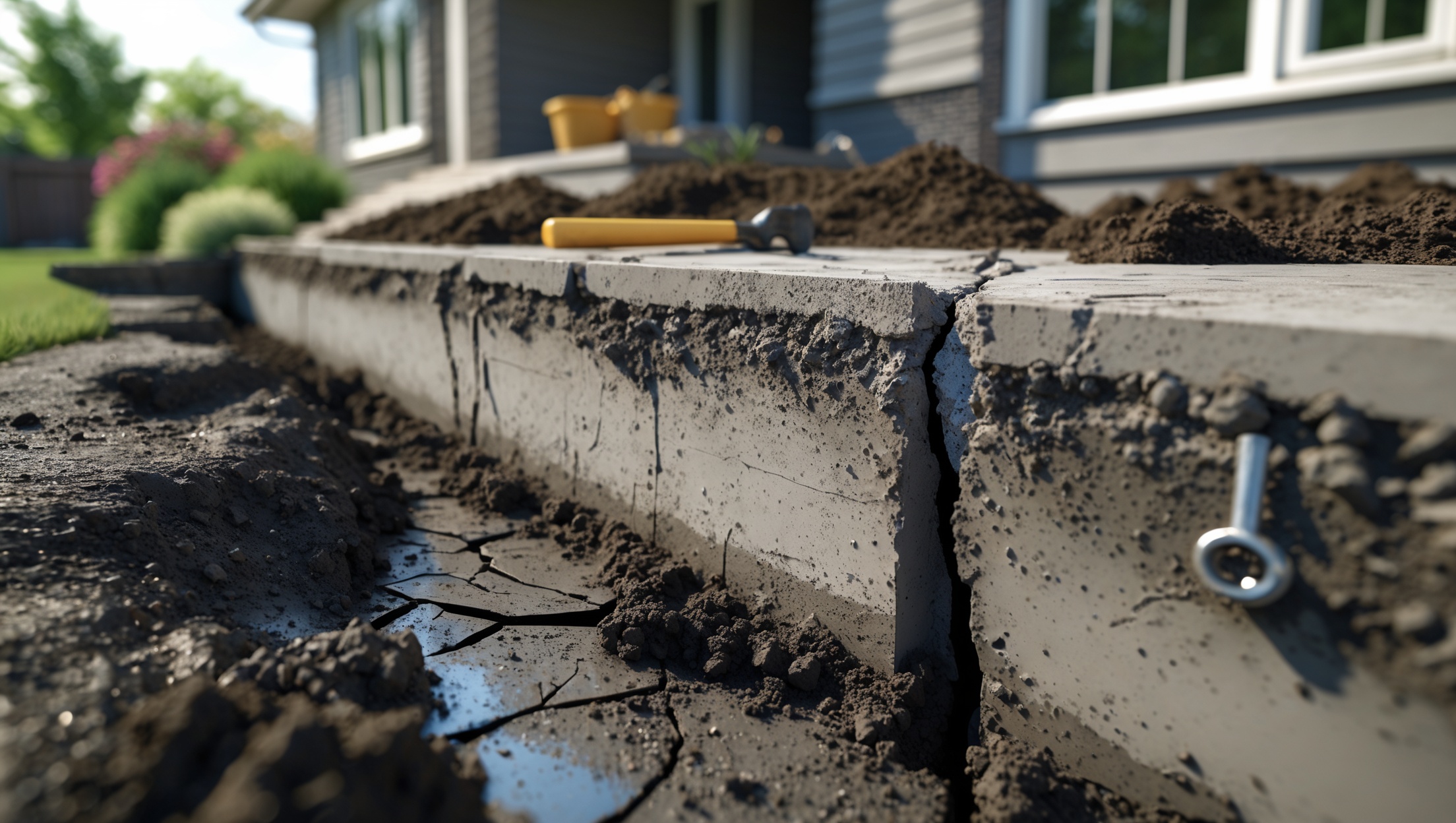
Common Myths About Home Foundation Repairs—Debunked with Real Facts

Introduction: The Truth About Home Foundation Repairs
When it comes to home improvement, few issues cause as much anxiety as foundation problems. Cracks in your basement walls, sloping floors, or stuck windows can send homeowners into a spiral of worry about cost, safety, and resale value. Unfortunately, the foundation repair industry is rife with myths and misconceptions—many of which can lead you to make costly or even dangerous mistakes. Separating fact from fiction is crucial if you want to protect your home and your wallet.
This comprehensive guide will break down the most common myths about home foundation repairs, explain the real facts behind them, and provide actionable advice for homeowners. Whether you’re dealing with a minor crack or a serious structural issue, understanding the truth will help you make informed decisions, avoid scams, and ensure that your home remains safe and sound for years to come.
Myth #1: All Foundation Cracks Are an Emergency
The Myth
Many homeowners panic at the first sight of a crack in their foundation, believing it’s an urgent sign of catastrophic failure. Contractors and real estate forums often amplify this fear.
The Facts
Not all foundation cracks indicate a major problem. Concrete naturally shrinks as it cures, often resulting in small, hairline cracks that are purely cosmetic. The real cause for concern is when cracks are wider than 1/4 inch, grow over time, are stair-stepped in brick or block walls, or are accompanied by other symptoms like doors sticking or uneven floors.
- Vertical cracks: Often due to normal settling or shrinkage, especially if less than 1/8 inch wide.
- Horizontal cracks: Can be more serious, indicating pressure from soil or water against the wall.
- Stair-step cracks: Common in masonry and may signal uneven settling.
Monitor minor cracks and photograph them for future comparison. If you notice changes or additional warning signs, call a structural engineer for a professional assessment.
Myth #2: Foundation Repairs Are Always Expensive
The Myth
The idea that all foundation repairs will cost tens of thousands of dollars is widespread. This fear can cause homeowners to delay needed work, hoping the problem will fix itself.
The Facts
Foundation repair costs vary dramatically based on the type and extent of the problem. While major structural repairs can be costly, many foundation issues are minor and can be addressed for a few hundred to a few thousand dollars. For example:
- Epoxy crack injection: $350–$1,000 per crack
- Minor wall stabilization: $2,000–$5,000
- Full piering or underpinning: $8,000–$25,000+
Getting multiple quotes and a professional assessment can help you avoid unnecessary expenses. Don’t let exaggerated cost myths prevent you from addressing small problems before they grow into larger ones.
Myth #3: DIY Foundation Repair Is Just as Good as Professional Work
The Myth
With the abundance of DIY videos online, some homeowners believe they can handle foundation repairs themselves using sealants or patch kits from the hardware store.
The Facts
While cosmetic crack filling is possible for minor, non-structural cracks, most foundation problems require professional evaluation and repair. DIY fixes can mask symptoms but rarely address underlying issues such as soil movement, drainage problems, or structural instability. Using improper materials can even make the problem worse, leading to more expensive repairs later.
Always consult a licensed structural engineer or reputable foundation contractor before attempting repairs yourself. They can identify the root cause and recommend proper solutions.
Myth #4: Foundation Problems Mean Your Home Is Unsellable
The Myth
The belief that a foundation issue will permanently destroy your home’s resale value is common, and it can discourage owners from even addressing problems.
The Facts
Foundation issues are a red flag for buyers, but they do not make a home unsellable—especially if addressed properly. In fact, professionally repaired foundations with transferable warranties can reassure buyers. What kills deals is undisclosed or unrepaired foundation damage. Being proactive, documenting repairs, and providing clear information can preserve your home’s value.
- Tip: Always disclose foundation work and provide receipts and warranty information to potential buyers.
Myth #5: All Foundation Repair Companies Are the Same
The Myth
Homeowners may assume that all foundation repair contractors offer similar expertise, pricing, and quality of work.
The Facts
There is a wide range of qualification and quality in the foundation repair industry. Some companies cut corners, use high-pressure sales tactics, or recommend unnecessary work. Others have decades of experience and stand behind their repairs with long-term warranties. Key differences include:
- Qualifications: Look for companies that employ licensed structural engineers or have certified specialists.
- Warranties: Reputable firms offer transferable warranties—avoid those with vague or non-existent guarantees.
- Reputation: Check reviews, BBB ratings, and ask for references.
Always get at least three quotes and ask detailed questions about repair methods, warranties, and experience.
Myth #6: Foundation Repair Warranties Cover Everything
The Myth
It’s easy to believe that once you have a warranty, future foundation problems are fully covered, no matter what.
The Facts
Foundation repair warranties vary widely. Many cover only specific repairs and exclude new problems that may arise elsewhere. Some are voided by changes to landscaping, drainage, or additions to the home. Always read the fine print and ask for clarification. Key things to look for:
- Coverage area: Does it cover only the repaired section or the entire foundation?
- Transferability: Can it be transferred to a new owner?
- Length and exclusions: How long does it last, and what is not covered?
Understanding your warranty helps prevent surprises if future problems occur.
Myth #7: Watering Your Foundation Prevents All Problems
The Myth
In regions with expansive clay soils, some homeowners believe that regularly watering the foundation will prevent all settling and cracking.
The Facts
While maintaining consistent soil moisture can reduce movement in certain soils, overwatering or improper drainage can actually worsen foundation problems. The key is balance:
- Too little water: Soil shrinks and pulls away from the foundation, causing settlement.
- Too much water: Soil expands or becomes soggy, increasing hydrostatic pressure and leading to heaving or leaks.
Install proper drainage, keep gutters clean, and grade soil away from the foundation. Watering may help in drought-prone areas, but it’s not a universal solution.
Myth #8: Foundation Repairs Last Forever
The Myth
Some homeowners expect a foundation repair to be a permanent, one-time fix that eliminates all future risk.
The Facts
While quality repairs can last decades, foundations are subject to ongoing soil movement, weather cycles, and structural loads. Shifts in climate, changes to landscaping, or nearby construction can cause new or recurring issues. Regular inspections and maintenance are essential to catch problems early.
Most reputable contractors offer warranties, but even the best repairs may require adjustment over time. Think of foundation repair as part of a long-term maintenance plan, not a one-and-done project.
Myth #9: Permits Aren’t Needed for Foundation Repairs
The Myth
Some contractors claim permits are unnecessary for foundation work, especially for minor repairs or homes outside city limits.
The Facts
Most major foundation repairs—such as underpinning, wall stabilization, or significant structural changes—require permits and inspections from your local building department. Permits ensure that work meets safety codes and protect your home’s resale value. Skipping permits can result in fines, insurance issues, or problems during future sale transactions.
- Always ask your contractor to clarify which repairs require permits and confirm they will handle the process.
Myth #10: Foundation Issues Are Only Caused by Poor Construction
The Myth
It’s common to blame foundation problems solely on the original builder’s mistakes or shoddy workmanship.
The Facts
While poor construction practices can contribute to foundation issues, many problems stem from natural factors beyond the builder’s control, including:
- Soil type: Expansive clay soils are highly prone to movement.
- Climate: Cycles of drought and heavy rain can cause soil to swell and shrink.
- Tree roots: Large trees near the foundation absorb moisture and destabilize soil.
- Drainage: Improper grading or clogged gutters can direct water toward the foundation.
Understanding these causes helps homeowners focus on prevention and maintenance, not just blaming construction.
How to Respond If You Suspect Foundation Problems
Step 1: Document and Monitor Changes
Take clear photographs of cracks, sloped floors, or stuck doors. Note the date and any changes over time.
Step 2: Schedule a Professional Evaluation
Contact a licensed structural engineer or a reputable foundation repair company for an inspection. Avoid companies that offer free estimates but try to sell repairs without a thorough assessment.
Step 3: Get Multiple Quotes and Opinions
Obtain at least three detailed proposals. Ask for explanations of the recommended repairs and compare methods, costs, and warranty terms.
Step 4: Check Credentials and Reviews
Research contractor licenses, certifications, and online reviews. Ask for references from previous customers.
Step 5: Review Permits and Warranties
Confirm that necessary permits will be obtained and that you will receive a written warranty for the work performed.
Preventive Maintenance Tips for Home Foundations
- Maintain proper drainage: Clean gutters, extend downspouts, and ensure soil slopes away from the foundation.
- Monitor soil moisture: In drought, water the soil near your foundation only enough to prevent excessive shrinkage.
- Avoid planting large trees too close: Root systems can damage foundations over time.
- Inspect regularly: Check for new cracks, sticking doors, or sloping floors at least twice a year.
- Fix plumbing leaks promptly: Leaking pipes can erode soil and cause settlement.
Conclusion: Making Smart Decisions About Foundation Repairs
Foundation repairs are one of the most important—and misunderstood—aspects of home maintenance. Misinformation can lead to unnecessary stress, wasted money, and even dangerous shortcuts. By understanding the truth behind the most common foundation myths, you can approach any issue with confidence and clarity.
Remember, not every crack is a disaster, and not every repair requires a massive budget. The key is to assess problems promptly, rely on professional expertise, and maintain your foundation with regular inspections and preventive care. Don’t be swayed by high-pressure sales tactics or doomsday warnings—focus on facts, compare options, and always ensure your contractor is reputable and qualified.
With the right approach, foundation repairs can be manageable, affordable, and effective. Staying proactive not only protects your investment but also ensures the safety and comfort of your home for years to come. Trust in real facts, not myths, and you’ll navigate foundation issues with the confidence of a well-informed homeowner.
If I notice a horizontal crack that seems to be getting wider, is it better to call a foundation repair specialist or go straight to a structural engineer for the initial assessment? The article mentions both, and I want to avoid unnecessary expenses but still take the right steps.
If you notice a horizontal crack that is widening, it’s wise to start with a foundation repair specialist. Many reputable specialists offer free or low-cost assessments, and they can tell you if the issue is serious. If they identify a structural problem, they may recommend bringing in a structural engineer for a more detailed analysis, which can involve additional costs. This approach helps you address the issue promptly without incurring unnecessary expenses.
I noticed the article differentiates between vertical, horizontal, and stair-step cracks. If someone has both vertical and stair-step cracks appearing at the same time, does that change how urgent the situation is compared to finding just one type?
When both vertical and stair-step cracks appear at the same time, it can suggest more complex foundation movement than just one type of crack. Stair-step cracks, in particular, are often linked to structural shifts. Having both types together usually means you should consult a foundation professional sooner rather than later to accurately assess the cause and prevent further damage.
You mentioned different crack types and suggested monitoring minor ones with photos. As a business owner working from home, what are the signs that indicate the issue has progressed from cosmetic to something that could disrupt my operations or safety?
Watch for cracks that widen quickly, doors or windows that suddenly stick, floors that become uneven, or noticeable gaps between walls and ceilings. If you see water seeping through cracks or walls bowing, those are urgent red flags. Any of these changes suggest the foundation issue is worsening and could impact your business activities or safety. It’s wise to consult a professional if you notice these signs.