
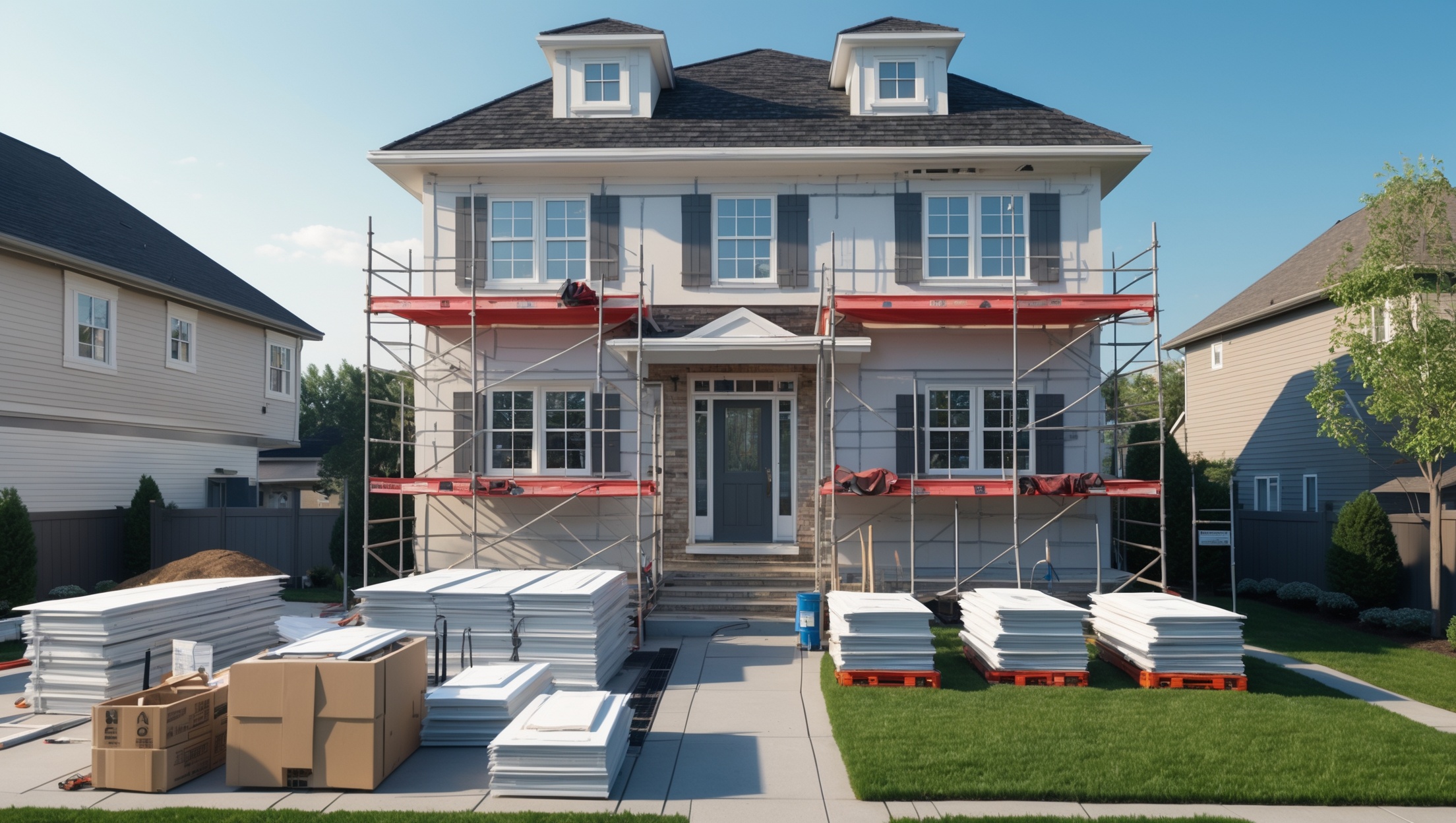
Insurance Essentials for Home Siding Replacement: Navigating Claims, Coverage, and Cost Surprises

Introduction: Why Insurance Matters for Siding Replacement
Home siding replacement is one of the most impactful upgrades you can make—boosting curb appeal, improving insulation, and protecting your house from the elements. But beyond choosing between vinyl, fiber cement, or wood, many homeowners overlook a critical element: insurance. Replacing siding is not just a design choice; it’s a significant construction project that exposes your property to risks, both during and after installation. What happens if a storm damages your new siding before the project is finished? Do you know if your contractor’s insurance is enough, or if your own policy covers unexpected costs? Navigating these questions ahead of time can save you from expensive surprises and ensure your investment is fully protected.
This in-depth guide demystifies the insurance essentials for home siding replacement. You’ll learn how to review your homeowners policy, vet contractor coverage, avoid gaps in protection, and handle insurance claims if something goes wrong. We’ll break down common cost surprises, real-life case examples, and practical steps to safeguard your siding project from start to finish. Whether you’re repairing storm damage or upgrading for energy efficiency, understanding the insurance angle is as important as picking the right material or color. Let’s get started and make sure your siding replacement is as secure as it is beautiful.
Understanding Insurance Coverage for Siding Replacement
Homeowners Insurance: What’s Typically Covered?
Your standard homeowners insurance policy generally covers siding replacement only when the damage is caused by a covered peril—such as fire, wind, hail, or vandalism. Routine wear and tear, improper installation, or gradual fading are usually not covered. If you’re planning a proactive siding upgrade (not repair from a covered event), your policy likely won’t help with the costs. However, if you’re replacing siding after, for example, a hailstorm, your insurer may pay for repairs or full replacement—up to your policy limits and minus your deductible.
- Covered: Hail, wind, fire, vehicle impact, vandalism (check your policy for specifics).
- Not covered: Age-related deterioration, rot, warping, mold from poor maintenance, cosmetic defects.
- Partial replacement: Some policies only cover the damaged section, not the entire façade, which can result in mismatched siding.
Contractor Insurance: Protecting Yourself During Installation
Any reputable siding contractor should carry two key types of insurance:
- General Liability: Covers property damage or injuries caused by their work. If the crew accidentally breaks your windows or damages landscaping, their policy should pay for repairs.
- Workers’ Compensation: Covers medical costs if a worker is injured on your property. If your contractor lacks this, you could be liable for injuries.
Always request proof of both insurance types before work begins, and verify coverage with the insurer. Ask for a certificate of insurance and ensure your address is listed as an additional insured party for the project duration.
Common Insurance Gaps and How to Avoid Them
Matching Siding Exclusions
One of the biggest surprises for homeowners is the “matching siding” clause. Many insurance policies will only cover the exact area damaged by a covered peril. If your original siding is discontinued or the color has faded, you may be left with a mismatched exterior. Some insurers offer optional endorsements to cover full replacement for uniform appearance—ask your agent about this before starting your project.
Deductibles and Coverage Limits
Deductibles for wind or hail damage may be higher than for other claims—sometimes a percentage of your home’s value instead of a flat rate. Review your policy’s declarations page to avoid sticker shock if you need to file a claim. Also, check if your policy has a cap on siding replacement costs; high-end materials or extensive repairs might exceed your limit.
Renovation-Related Exclusions
Some homeowners policies require you to report major renovations in advance. Failing to notify your insurer about your siding project could lead to denied claims if damage occurs during construction. Contact your agent and get written confirmation of ongoing coverage during the work.
Before You Begin: Preparing for a Siding Replacement Project
Step 1: Review Your Homeowners Insurance Policy
- Locate your most recent policy documents or access them online.
- Check the section on “Dwelling Protection” or “Coverage A.” This outlines what structure upgrades are covered.
- Pay attention to exclusions, especially for cosmetic or partial-damage scenarios.
- Call your agent for clarification on siding claims and to ask about available endorsements.
Step 2: Vet Your Contractor’s Insurance
- Request a copy of their general liability and workers’ compensation certificates.
- Ensure the policy is active for the entire project timeline.
- Contact the insurance provider directly to confirm coverage.
- Ask if you can be named as an additional insured.
Step 3: Notify Your Insurer of Upcoming Work
- Call your insurance agent before the project begins.
- Ask if you need to provide documentation or update your coverage.
- Get written acknowledgment that your home will remain covered during renovations.
Filing a Claim for Siding Damage: What to Expect
Step-by-Step Siding Claim Process
- Document the Damage: Take detailed, timestamped photos and video from multiple angles. Include close-ups and wide shots.
- Contact Your Insurer: Report the damage as soon as possible. Provide your policy number and all documentation.
- Meet with an Adjuster: The insurance company will send an adjuster to inspect the siding and determine coverage.
- Get Repair Estimates: Obtain at least two quotes from licensed siding contractors. This helps support your claim and ensures a fair payout.
- Review the Settlement: The insurer may offer Actual Cash Value (ACV) or Replacement Cost Value (RCV):
- ACV pays for the depreciated value of your old siding.
- RCV covers the cost to replace with new materials (minus your deductible).
- Complete the Work: Hire a vetted contractor to perform the repairs or replacement. Save all receipts and documentation.
- Submit Final Paperwork: Some insurers require proof of completion before releasing the final payment.
Tips for a Smooth Claim
- Act quickly—delays can complicate the claims process.
- Keep a written record of all conversations with your insurer and contractor.
- Don’t accept a settlement until you understand what’s covered (including matching siding issues).
- Consider hiring a public adjuster if you disagree with your insurer’s assessment.
Cost Surprises: Insurance and Out-of-Pocket Expenses
Understanding Your Deductible
Many homeowners are surprised by high deductibles for wind, hail, or named storm claims. For example, if your home is insured for $400,000 and your wind deductible is 2%, you’ll pay $8,000 out of pocket before insurance kicks in. Flat-rate deductibles are usually lower, but less common for weather-related claims.
Upgrades and Code Compliance
If your local building codes have changed since your original siding was installed, your insurer may only pay for “like kind and quality”—not upgraded or code-compliant materials. Some policies offer “ordinance or law” coverage for these situations, but many do not. Check if your policy includes this endorsement or if you can add it for extra protection.
Coverage Limits for High-End Materials
Luxury siding options (fiber cement, composite, specialty wood) can cost significantly more than standard vinyl. If your policy caps payouts for siding, you could face a shortfall if you’ve upgraded to premium materials. Review your limits and request increased coverage if needed before starting the project.
Case Studies: Real-Life Siding Replacement Insurance Lessons
Case Study 1: Matching Siding Headaches
A hailstorm damages the north side of a home with 15-year-old vinyl siding. The manufacturer no longer makes the exact color. The insurer agrees to replace only the damaged panels, leaving the repaired section noticeably different from the rest. The homeowner negotiates a partial payout and pays out-of-pocket for a full replacement. Lesson: Ask about matching siding endorsements and know what your policy will pay for in advance.
Case Study 2: Contractor’s Insurance Saves the Day
During installation, a siding crew accidentally breaks a neighbor’s window with a falling tool. The contractor’s liability insurance covers the damages, preventing a costly dispute. Lesson: Always verify your contractor’s insurance is active and sufficient.
Case Study 3: Renovation Notification Avoids Claim Denial
A homeowner starts a siding replacement without informing their insurer. During the project, a storm causes water damage inside the walls. The claim is initially denied due to lack of notification. After providing documentation of the project and proof of ongoing coverage, the insurer reverses the decision. Lesson: Always notify your insurance company before major renovations.
Best Practices for Protecting Your Siding Investment
- Document Everything: Keep records, contracts, photos, and receipts for every step of your siding project.
- Stay Informed: Review your insurance policy annually. Update coverage after major upgrades.
- Vet All Contractors: Require proof of insurance and references before signing any agreement.
- Communicate: Keep your insurer in the loop—from project planning to completion.
- Understand Your Rights: If your claim is denied or underpaid, ask for a detailed explanation. Appeal if necessary.
Conclusion: Securing Peace of Mind with the Right Insurance Strategy
Siding replacement is more than a cosmetic upgrade—it’s a major investment in your home’s protection and value. Yet, too many homeowners focus solely on materials and contractors, overlooking the crucial role of insurance. As we’ve explored, the right coverage can mean the difference between a smooth project and a financial headache. From understanding what your homeowners policy does (and doesn’t) cover, to ensuring your contractor’s insurance is up to par, proactive planning is key. Don’t let matching siding exclusions, high deductibles, or code compliance surprises catch you off guard. By reviewing your policy, notifying your insurer, and insisting on proper contractor coverage, you’ll minimize risks and maximize your protection.
Remember: insurance isn’t just for disasters—it’s an essential safeguard during every stage of your siding replacement, from the first estimate to the final inspection. If you’re unsure about your current coverage or have concerns about a specific project, consult with your insurance agent well before work begins. With the right strategy, you can enjoy your upgraded home exterior with confidence, knowing you’re protected against the unexpected. Take these steps today to secure your siding investment and avoid costly surprises tomorrow.