
Home Painting Projects: Budgeting, Prep Mistakes, and Compliance Tips

Introduction: Painting for a Fresh Start
Few home improvement projects offer the instant transformation and satisfaction of a fresh coat of paint. Whether you’re aiming to boost curb appeal, update a tired interior, or prep your house for sale, painting is a go-to upgrade that can dramatically change a space—often in just a weekend. But while painting may seem like the quintessential DIY project, many homeowners are surprised to find that achieving a flawless, durable finish involves more than buying a few cans of paint and rollers. Budgeting accurately, avoiding prep mistakes, and understanding compliance requirements are vital for success. This guide unpacks the real costs of a home painting project, highlights the most common pitfalls during preparation, and explores compliance tips that too many homeowners overlook. By the end, you’ll have the knowledge to plan, execute, and enjoy a painting project that looks professional and stands the test of time.
Budgeting for a Home Painting Project
Estimating the Cost: Interior vs. Exterior
The costs for painting projects can vary widely based on scope, materials, and labor. Here’s how to break it down:
- Interior Painting: Typically ranges from $2 to $6 per square foot, including labor and materials. DIYers can expect to spend $1 to $3 per square foot, depending on paint quality and prep needs.
- Exterior Painting: Exterior jobs are more labor-intensive and can cost $1.50 to $4 per square foot for DIY, or $3 to $7 per square foot for professionals. Factors like home height, siding material, and prep complexity play major roles.
Breaking Down the Costs
- Paint: Quality interior paints range from $25 to $60 per gallon, with premium exterior formulations climbing to $80 or more per gallon. Coverage averages 350-400 sq. ft. per gallon.
- Supplies: Rollers, brushes, painter’s tape, drop cloths, trays, extension poles, ladders, and cleaning materials add $50 to $200 to the total.
- Surface Prep: Spackle, sandpaper, caulk, and primer can add $40–$150, especially if repairs are needed.
- Labor: For professional jobs, labor is usually 60–70% of the total cost.
- Permits and Compliance (see below): Rare for interiors, but sometimes required for exteriors in historic districts or multi-family dwellings.
How to Create an Accurate Budget
- Measure all surfaces to be painted (length x height for walls, width for trims/doors).
- Calculate paint needed (total sq. ft. ÷ coverage per gallon).
- Add 10–15% extra paint for touch-ups and mistakes.
- Itemize all supplies and surface prep materials.
- Factor in potential repairs—cracks, water stains, or mildew may require extra products.
- Allow contingency for unexpected issues (budget 10–20% extra).
Beginner Mistakes to Avoid During Prep
Underestimating the Importance of Preparation
Most painting mishaps trace back to poor prep. Rushed or skipped steps lead to peeling, uneven finishes, and wasted time. Here are the prep pitfalls to steer clear of:
Skipping Cleaning
Paint adheres poorly to dirty surfaces. Always wash walls with mild detergent to remove dust, grease, and fingerprints. For exteriors, a pressure washer may be necessary—just ensure surfaces are fully dry before painting.
Neglecting Repairs
Failing to patch holes, cracks, or nail pops results in a bumpy, unprofessional look. Use spackle or joint compound for interior drywall; for exteriors, use exterior-grade fillers for wood or masonry cracks. Sand smooth after repairs.
Ignoring Sanding
Glossy or previously painted surfaces must be lightly sanded to promote adhesion. Skipping this can cause new paint to peel.
Forgetting Primer
Primer isn’t just for new drywall—it’s critical whenever you’re painting over stains, dark colors, or repaired areas. For exteriors, primer helps seal wood and prevents tannin bleed-through.
Improper Masking and Taping
Rushing through taping leads to messy edges and paint on unwanted surfaces. Use high-quality painter’s tape and press it down firmly. Remove tape while paint is still slightly wet for crisp lines.
Overlooking Moisture Issues
Paint applied over damp surfaces (interior or exterior) will blister and peel. Fix leaks and ensure surfaces are completely dry before painting.
Compliance and Permits: What Homeowners Need to Know
When Are Permits Required?
Most interior painting projects do not require permits. However, there are important exceptions:
- Historic Homes: Many historic districts regulate paint colors and finishes. Check with your local historic commission before painting exteriors—or sometimes, even interiors.
- Multi-Family or Rental Properties: Painting common areas or exteriors may require approval from a homeowner’s association (HOA) or local building department.
- Lead Paint: Homes built before 1978 may contain lead-based paint. Federal law requires safe removal practices and may require notification or certification.
Lead Paint Regulations
Disturbing lead paint without proper containment can result in fines and health hazards. The EPA’s Renovation, Repair and Painting (RRP) Rule mandates lead-safe practices for homes built before 1978, including:
- Certified contractors for professional jobs
- Containment and cleanup protocols
- Notification requirements for tenants and occupants
DIYers should use EPA guidelines for testing, containment, and cleanup—consult local regulations for additional requirements.
HOA and Community Guidelines
Many neighborhoods have rules governing exterior paint colors and finishes. Always check with your HOA or community board before purchasing paint to avoid costly re-dos or fines.
Environmental Regulations
Some states and municipalities limit the volatile organic compounds (VOCs) in paints for air quality reasons. Purchase low- or zero-VOC paints when required, and check disposal guidelines for old paint and cleaning solvents.
Tools and Equipment: What You Really Need
Essential Tools for Interior Painting
- Rollers (standard and mini for tight spaces)
- Angled brush for cutting in
- Painters’ tape
- Drop cloths (canvas or plastic)
- Paint trays and liners
- Extension pole for ceilings and tall walls
- Sandpaper or sanding blocks
- Putty knife
- Spackle or joint compound
Extra Equipment for Exterior Painting
- Sturdy ladder or scaffolding
- Pressure washer (for cleaning siding)
- Caulk gun and exterior caulk
- Wire brush for removing flaking paint
- Paint sprayer (optional, speeds up large surfaces)
Quality vs. Budget Tools
Don’t skimp on brushes and rollers—cheap tools shed bristles and leave streaks. Quality tools provide better coverage and can be reused with proper cleaning.
Step-by-Step Painting Process
1. Clear and Protect the Area
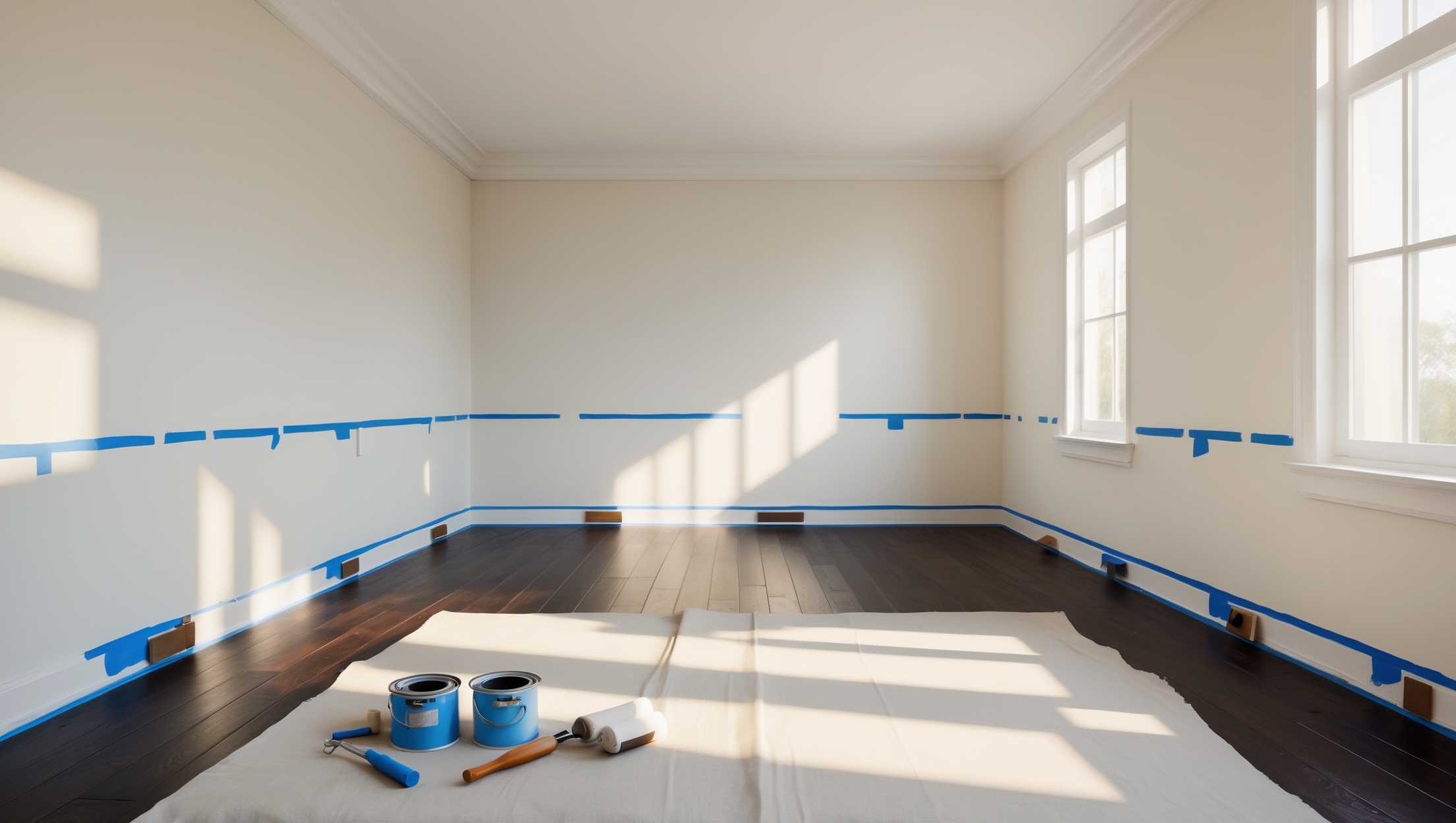
Move furniture away from walls and cover with drop cloths. Remove wall hangings, outlet covers, and light switch plates. Tape off trim, windows, and fixtures to prevent accidental splatters.
2. Clean Surfaces
Wash walls with a mild detergent and water. For stubborn stains (like grease or crayon), use a degreaser. Let dry completely.
3. Make Repairs
Fill holes and cracks with spackle or filler. Once dry, sand smooth. For patched areas, feather out the edges for a seamless look.
4. Sand and Dust
Lightly sand all surfaces to be painted, especially shiny or previously painted walls. Wipe with a damp cloth or tack cloth to remove dust.
5. Prime as Needed
Apply primer to bare drywall, repaired spots, or areas with stains or drastic color changes. Use high-adhesion exterior primer for outdoor surfaces.
6. Cut In Edges
Using an angled brush, paint a 2-3 inch border along ceilings, trim, and corners. This ensures crisp edges when you roll the main areas.
7. Roll Large Surfaces
Pour paint into a tray and load your roller evenly. Work in small sections, overlapping each pass slightly. Maintain a wet edge to avoid lap marks.
8. Apply Additional Coats
Allow paint to dry according to manufacturer’s instructions before applying a second coat. Most projects require at least two coats for even coverage and durability.
9. Remove Tape and Clean Up
Remove painter’s tape while the paint is still slightly tacky for sharp lines. Clean brushes and rollers immediately to preserve them for future use.
Maintenance Best Practices for Lasting Results
Regular Cleaning
Gently clean painted walls with a soft sponge and mild soap annually to prevent buildup of dust and grime. For exteriors, an annual rinse with a garden hose removes dirt and pollen.
Prompt Touch-Ups
Keep a small amount of leftover paint for quick touch-ups to chips or scratches. Address damaged areas promptly to prevent peeling and moisture intrusion.
Monitor for Moisture Issues
Peeling or blistering paint often signals underlying moisture problems. Check for roof leaks, clogged gutters, or plumbing issues and resolve them quickly.
Inspect Caulk and Seals
For exteriors, inspect caulking around windows, doors, and siding annually and replace as needed to prevent water damage.
Safety Checklist for DIY Painters
- Ventilate rooms by opening windows or using fans—especially with solvent-based paints.
- Wear gloves and eye protection when handling chemicals.
- Use a respirator or mask if sanding old paint or using high-VOC products.
- Secure ladders on stable, level surfaces. Never stretch or overreach.
- Keep paint and solvents away from pets and children.
- Dispose of rags and paint waste according to local hazardous waste rules.
Conclusion: Paint with Confidence—And Results That Last
Painting your home is a rewarding project that can transform a space and add real value to your property. But the difference between a professional-looking result and a disappointing finish often comes down to careful planning, meticulous preparation, and an understanding of both the technical and regulatory aspects of the job. By accurately budgeting for materials, tools, and potential repairs, you avoid mid-project surprises. Diligent surface prep lays the foundation for smooth, long-lasting paint. Staying informed about compliance—especially with historic homes, HOA rules, and lead paint laws—keeps your project on the right side of the law and protects your family’s health. Finally, using the right tools and maintaining your painted surfaces ensures your hard work pays off for years to come. Whether you’re tackling a single room or the entire exterior, approach your next painting project with the knowledge and confidence to achieve stunning, enduring results. Happy painting!