
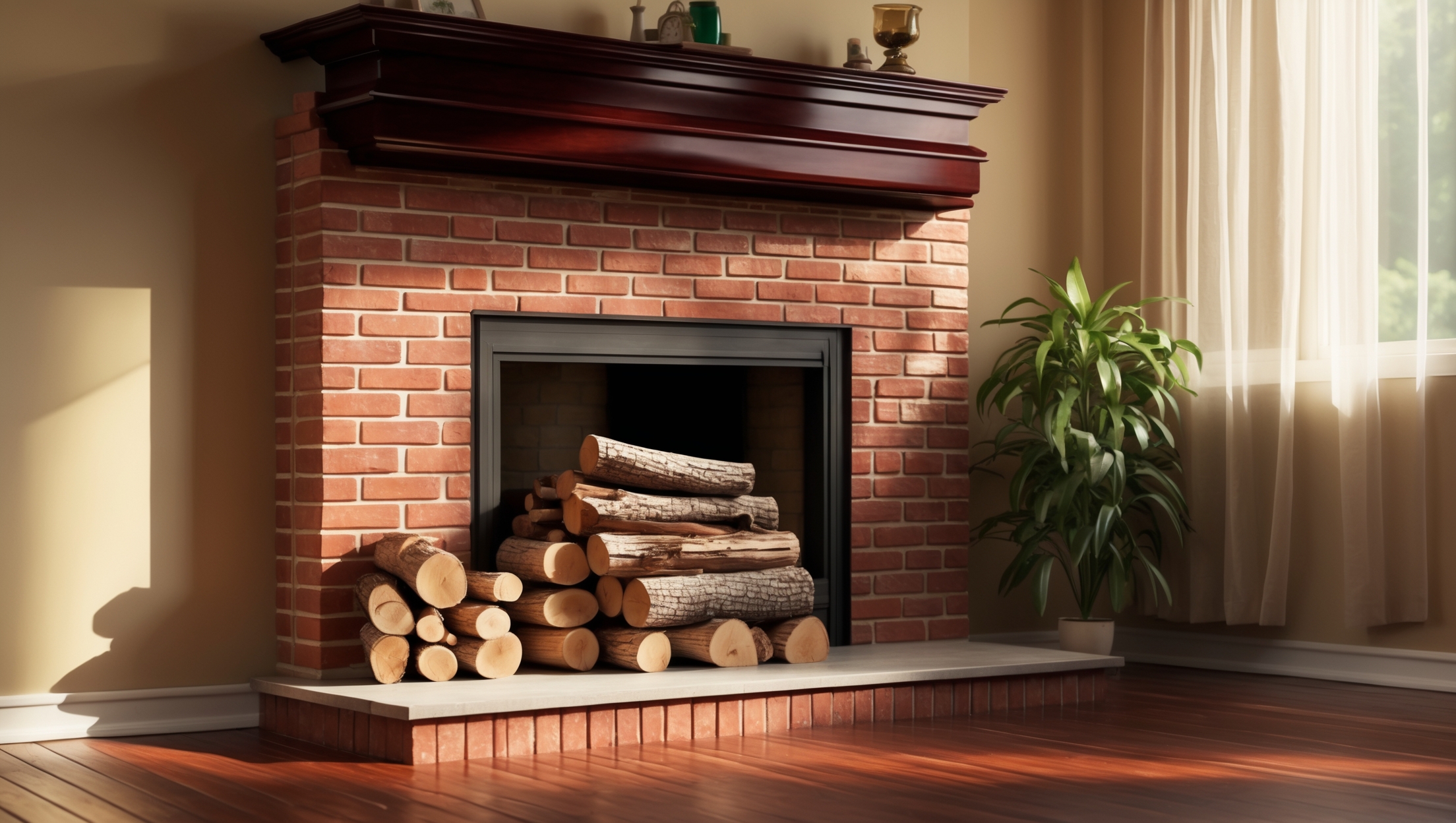
Fireplace Maintenance Best Practices: Keeping Your Hearth Safe and Efficient All Year

Introduction
There’s nothing quite like the warmth and ambiance a fireplace brings to a home. Whether you rely on a wood-burning, gas, or electric model, your fireplace is often the centerpiece of your living space—especially during the colder months. However, many homeowners overlook one crucial aspect: consistent maintenance. Failing to properly care for your fireplace can lead to decreased efficiency, costly repairs, and even dangerous conditions like house fires or carbon monoxide leaks. On the bright side, a well-maintained fireplace not only provides reliable comfort but also operates more efficiently, saving you money on energy and repairs. In this comprehensive guide, we’ll walk you through the best practices for maintaining your fireplace—covering everything from annual inspections and deep cleaning to troubleshooting common issues and ensuring your hearth complies with safety standards. Whether you’re a first-time homeowner or a seasoned DIYer, you’ll find practical, actionable advice to keep your fireplace safe, functional, and beautiful all year long.
Understanding Your Fireplace: Types and Maintenance Needs
Wood-Burning Fireplaces
Traditional wood-burning fireplaces offer classic charm and strong heating power. However, they require the most hands-on maintenance due to soot, ash, and creosote buildup. Regular cleaning and inspections are vital to prevent chimney fires and maintain airflow.
Gas Fireplaces
Gas fireplaces provide convenient, low-maintenance heat. Their venting systems and burners still require periodic inspection and cleaning to ensure no leaks or blockages compromise safety or performance.
Electric Fireplaces
Electric fireplaces are the easiest to maintain, with no combustion or venting requirements. Nevertheless, dusting the unit, checking electrical connections, and replacing bulbs or heating elements as needed will keep it running smoothly.
Annual Inspection: The First Line of Defense
Why Professional Inspections Matter
Professional fireplace and chimney inspections are essential, even for the most diligent DIYer. Certified chimney sweeps or fireplace technicians inspect for structural issues, blockages, creosote buildup, and gas leaks. They can spot early warning signs of wear or damage invisible to the untrained eye.
What to Expect During an Inspection
- Structural Assessment: Checking for cracks, loose bricks, or deteriorated mortar in the firebox and chimney.
- Chimney Cap & Crown: Ensuring no debris, bird nests, or water damage is present.
- Flue & Damper: Verifying the damper opens/closes fully, and the flue is clear of obstructions and creosote.
- Gas Lines (if applicable): Checking for leaks, corrosion, or faulty pilot lights.
- Ventilation: Confirming all vents are clear and functioning properly.
Cleaning Your Fireplace: Step-by-Step Maintenance
Wood-Burning Fireplace Cleaning
- Remove Ash: Wait 24 hours after your last fire. Shovel out cold ashes into a metal container. Dispose of them safely—ashes can ignite even after days of cooling.
- Clean Firebox: Scrub the firebox with a stiff-bristle brush and a solution of warm water and mild dish soap. Avoid harsh chemicals that could produce toxic fumes when heated.
- Creosote Removal: Use a chimney brush to sweep the flue, or hire a professional for a deep clean. Creosote buildup is highly flammable and the primary cause of chimney fires.
- Inspect Doors & Screens: Clean glass doors with a fireplace-specific cleaner and check screens for holes or damage.
Gas Fireplace Cleaning
- Pilot Light Off: Turn off the gas and allow the unit to cool completely.
- Remove Glass Front: Carefully remove the glass panel and clean it with a non-abrasive cleaner.
- Clean Logs & Burners: Use a soft brush or vacuum with a brush attachment to remove dust and debris from logs, burners, and vents.
- Check for Soot: Excessive soot indicates incomplete combustion—schedule a professional service if present.
Electric Fireplace Cleaning
- Power Off: Unplug the unit before cleaning.
- Dusting: Wipe down the exterior and interior with a soft, dry cloth.
- Vent Cleaning: Use a vacuum to gently clean intake and exhaust vents.
- Bulb Replacement: Replace burnt-out bulbs or malfunctioning heating elements following the manufacturer’s instructions.
Chimney Maintenance: Preventing Blockages and Damage
Chimney Cap and Crown
A secure cap keeps out rain, debris, and animals. Inspect annually for rust, cracks, or missing mesh. Repair or replace as needed to prevent water damage and blockages.
Flue Liner
Cracks or deterioration in the flue liner can allow heat and gases to escape into walls. Have a professional assess your liner’s condition during annual inspections and address repairs immediately.
Waterproofing
Chimneys are vulnerable to water infiltration, which can cause interior damage and structural issues. Apply a breathable, waterproof sealant to the exterior masonry every few years.
Creosote Control
Burn only seasoned hardwoods to reduce creosote buildup. Avoid burning green wood, paper, or trash, which produce excessive smoke and residue.
Fireplace Safety Checklist
- Install and regularly test smoke and carbon monoxide detectors in rooms with fireplaces.
- Keep a fire extinguisher nearby and ensure everyone in the household knows its location and proper use.
- Maintain a non-combustible hearth extension (such as stone or tile) that extends at least 16 inches in front of the fireplace opening.
- Never leave a fire unattended, especially overnight.
- Store firewood at least 30 feet from the home to prevent pest infestations and fire hazards.
- Keep combustible materials (drapes, furniture, etc.) at least three feet away from the fireplace.
- Use fireplace screens to catch sparks and embers.
- Check the damper is fully open before lighting a fire; close it only when the fire is completely out and ashes are cool.
Seasonal Fireplace Maintenance Checklist
Fall
- Schedule a professional inspection and cleaning before the first use of the season.
- Check and replace batteries in smoke and CO detectors.
- Clear the chimney cap of leaves and debris.
- Stock up on properly seasoned firewood (for wood-burning models).
Winter
- Clean out ash regularly to maintain airflow and efficiency.
- Check for drafts or cold air leaks around the fireplace and address with weatherstripping or insulation as needed.
- Monitor for unusual odors, smoke, or soot buildup indicating combustion or venting issues.
Spring
- Remove and safely dispose of ash and debris from the firebox.
- Conduct a post-season inspection for signs of moisture, mold, or pest infestation.
- Schedule repairs for any cracks or damage identified during winter use.
Summer
- Clean and polish glass doors and metal surfaces to prevent corrosion.
- Close the damper to block drafts and pests while the fireplace is not in use.
- Consider installing a chimney balloon to further insulate and prevent debris entry.
Troubleshooting Common Fireplace Issues
Smoke Backdrafts
If smoke enters your home instead of venting outside, check that the damper is open and the flue is clear. Cold air in the chimney can also cause backdrafts—prime the flue by lighting a rolled newspaper and holding it up the damper for a few minutes before starting the fire.
Persistent Odors
Lingering smells often signal creosote buildup, moisture, or animal nests in the chimney. A thorough cleaning and inspection will usually resolve the issue.
Poor Heat Output
Fireplaces are designed for ambiance, but a dramatic drop in heat could indicate airflow blockages, insufficient fuel, or malfunctioning blower fans (in gas/electric units). Clean all vents and consult a technician if problems persist.
Cracked Masonry or Firebox Damage
Address cracks in masonry or refractory panels promptly to prevent heat transfer to combustible framing. Use fireplace mortar for small repairs or call a mason for more extensive work.
Energy Efficiency Upgrades for Your Fireplace
Fireplace Inserts
Modern inserts (wood, gas, or electric) dramatically improve heat output and combustion efficiency compared to open fireplaces. Inserts use insulated doors and blowers to direct more heat into the room and less up the chimney.
Glass Doors
Installing glass doors reduces heat loss when the fireplace is not in use and acts as a barrier for safety and draft control.
Blower Fans
Adding a blower fan to compatible fireplaces helps circulate warm air throughout the room more effectively, maximizing energy use.
Sealing and Insulation
Seal gaps around the hearth and damper with fireproof materials to prevent drafts. Consider insulating the chimney, especially if it runs along an exterior wall.
When to Call a Professional
- Annual inspections and deep chimney cleanings
- Suspected gas leaks or persistent pilot light issues
- Major masonry or structural repairs
- Creosote buildup thicker than 1/8 inch
- Installation of inserts, blowers, or new gas lines
- Resolving smoke, odor, or draft issues that persist despite troubleshooting
Always choose certified professionals with National Fireplace Institute (NFI) or Chimney Safety Institute of America (CSIA) credentials for peace of mind and compliance with local codes.
Conclusion
Your fireplace is more than just a decorative element—it’s a vital component of your home’s comfort and safety. By following these best practices for maintenance, you can enjoy a crackling fire with confidence, knowing you’ve taken the right steps to prevent hazards and extend your fireplace’s lifespan. Consistent cleaning, annual inspections, and attention to key safety measures will keep your hearth efficient and reliable through every season. Remember, investing a little time in maintenance now can save you from costly repairs or dangerous situations down the road. Whether you handle routine upkeep yourself or rely on trusted professionals for more complex tasks, the payoff is a warm, inviting space that’s as safe as it is cozy. Make fireplace care part of your regular home maintenance checklist, and you’ll ensure that your hearth remains a source of comfort and joy for years to come.