
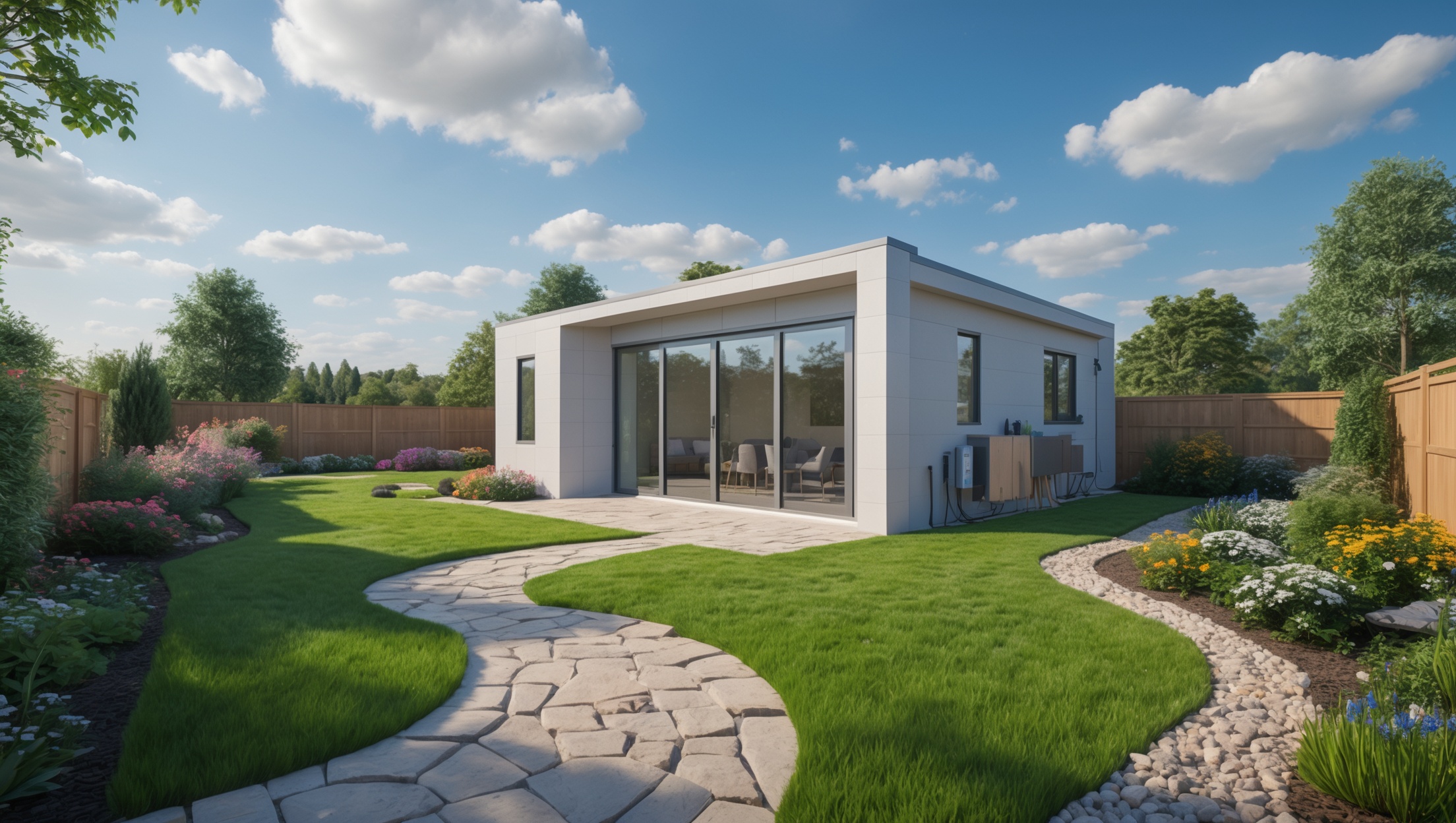
Compliance and Permit Checklist for Building a Backyard ADU: Avoiding Costly Delays

Introduction: Why Permits and Compliance Matter for Backyard ADUs
Accessory Dwelling Units (ADUs) are transforming the way homeowners maximize their property’s value, generate rental income, or accommodate family. Whether you’re dreaming of a cozy guest house, a rental studio, or a private office retreat, building an ADU in your backyard is a major investment that demands careful planning and strict adherence to regulations. Unfortunately, many homeowners underestimate the complexity of compliance and permitting, leading to costly delays, rework, or even demolition orders. City ordinances, state laws, and neighborhood covenants all influence what you can build—and how. Overlooking any compliance detail or permit step can halt your project and drain your budget. This comprehensive checklist demystifies the compliance and permitting process for backyard ADUs, equipping you with the knowledge to avoid common pitfalls. From understanding zoning restrictions to passing final inspections, every stage is covered so your project moves forward smoothly and legally.
Understanding What Counts as an ADU
Before diving into paperwork, it’s crucial to know how local authorities define an ADU. This affects not only what you can build, but also which permits and rules apply.
- Detached ADUs: Standalone structures, such as backyard cottages or tiny homes.
- Attached ADUs: Additions to your primary residence, like a converted garage or basement unit.
- Conversion ADUs: Transforming existing spaces (garages, attics) into separate living quarters.
Each type may be subject to different building codes, fire safety requirements, and utility connections. Always confirm your project’s classification with your local planning department before proceeding.
Step 1: Initial Research and Feasibility
Check Local Zoning Laws
Zoning determines whether you can build an ADU on your property and what form it can take. Key factors include:
- Lot Size and Coverage: Minimum and maximum allowable ADU size, set-back requirements, and total lot coverage.
- Height Restrictions: Limits on the building’s height relative to surrounding structures.
- Parking Requirements: Some municipalities require additional parking spaces for ADUs, while others have waived this rule.
- Owner-Occupancy: Rules on whether the property owner must live on-site.
- Historic Districts: Stricter guidelines if your home is in a designated historic area.
HOA and CC&R Restrictions
If your property is governed by a Homeowners Association or Covenants, Conditions & Restrictions (CC&Rs), review their rules. Some associations ban or limit ADUs entirely. Get written approval if needed.
Utility Access and Infrastructure
Research whether your current water, sewer, and electrical systems can handle another dwelling. Upgrades may be required, affecting both cost and permitting.
Step 2: Assemble Your Project Team
While DIY is tempting, ADUs usually require professional expertise. Consider:
- Architect or Designer: To create code-compliant plans and optimize space.
- Structural Engineer: For foundation, framing, and seismic requirements.
- Licensed Contractor: To manage construction and schedule inspections.
- Permit Expeditor: Optional, but helpful for navigating complex bureaucracies.
Choosing the right professionals can save you time and help avoid costly compliance errors.
Step 3: Prepare Your Permit Application
Common Permits Required
- Building Permit: Always required for new structures and most conversions.
- Plumbing, Electrical, and Mechanical Permits: Needed if you’re adding new systems or making significant changes.
- Grading or Site Permit: If your project affects soil stability, drainage, or topography.
- Tree Removal or Environmental Permits: If construction affects protected trees or wildlife habitats.
Documents and Plans Needed
- Site plan showing property lines, existing structures, and proposed ADU location.
- Detailed construction drawings (architectural, structural, electrical, and plumbing plans).
- Title documents and proof of ownership.
- Energy compliance documentation (if required by your jurisdiction).
Application Submission Tips
- Double-check all forms for completeness and accuracy.
- Submit digital copies if your municipality allows; this can speed up the review process.
- Pay all required fees upfront to avoid processing delays.
- Keep copies of everything you submit for your records.
Step 4: Navigating the Review Process
What Happens During Plan Check
The planning and building departments will review your application for code compliance, safety, and neighborhood compatibility. Expect feedback or “plan check corrections” that require revisions. Common issues flagged include:
- Insufficient set-backs from property lines.
- Non-compliant window sizes or egress routes.
- Inadequate fire separation between units.
- Missing or unclear utility plans.
Promptly address all comments and resubmit revised plans to keep your project moving.
Neighbor Notification and Hearings
Some cities require you to notify adjacent neighbors or attend a public hearing, especially for variances (exceptions to standard rules). Prepare to explain your project and respond to concerns about privacy, parking, or noise.
Step 5: Securing Final Permit Approval
Once your plans meet all requirements, you’ll receive approved permits. Only then can you legally begin construction. Ensure all subcontractors (plumbers, electricians, etc.) are listed on the permit and follow local licensing laws.
Permit Expiration and Renewal
Permits typically have an expiration date—often 180 days from issuance or last inspection. If your project is delayed, apply for extensions before permits lapse to avoid additional fees or re-application.
Step 6: Inspections and Compliance During Construction
Types of Required Inspections
- Foundation Inspection: Before pouring concrete, inspectors check footings and reinforcement.
- Framing Inspection: Ensures proper structural work before insulation and drywall.
- Rough Plumbing, Electrical, and Mechanical: Verifies correct installation before systems are covered.
- Insulation and Energy Compliance: Checks that insulation and energy-efficient measures match your plans.
- Final Inspection: Confirms all work meets code, and the ADU is safe for occupancy.
Schedule inspections as required and never cover up work before approval. Failing an inspection can mean costly tear-outs and delays.
Common Compliance Pitfalls During Construction
- Using unlicensed contractors or making unauthorized changes to approved plans.
- Skipping inspections or failing to post permits on-site.
- Adding amenities (like a second kitchen) not shown on the plans—this can trigger code violations.
Step 7: Certificate of Occupancy and Final Steps
After passing all inspections, apply for a Certificate of Occupancy (CO). This document legally certifies your ADU as habitable space. Without it, you cannot legally rent or use the unit for living.
Additional Approvals
- Registering your ADU with the city or county (if required).
- Updating your homeowner’s insurance to reflect the new structure.
- Ensuring utility accounts are correctly set up for separate billing, if applicable.
Cost and Timeframe: What to Expect
Permitting and compliance costs vary by location and scope. Expect to budget for:
- Permit fees (typically $2,000–$10,000, but can be higher in some metro areas).
- Professional design and engineering services.
- Utility upgrades and impact fees.
- Possible legal fees for variances or appeals.
Timelines also vary widely. Straightforward projects with complete, code-compliant plans may get permits in 2–3 months. Complex projects, required variances, or incomplete submissions can stretch this to 6–12 months. Building without permits can result in fines, legal action, and mandatory demolition.
Best Practices to Avoid Delays and Mistakes
- Start Early: Begin research and contact your planning department before hiring designers or contractors.
- Stay Organized: Keep digital and physical copies of all documents, permits, and correspondence.
- Communicate: Regularly check in with your project team and city officials.
- Don’t Cut Corners: Unpermitted work is risky and can impact your property value and insurability.
- Plan for Contingencies: Allow time and budget for unexpected requirements or inspection failures.
Conclusion: Building an ADU the Right Way
Adding a backyard ADU is a rewarding way to create flexible, valuable living space—but only if you approach it with a clear understanding of compliance and permitting requirements. The up-front effort to research zoning, hire qualified professionals, and compile a thorough permit application is well worth it. You’ll avoid the stress and expense of stop-work orders, rework, or legal battles, and you’ll gain peace of mind knowing your investment is secure and fully approved. Remember, every municipality is different, and regulations evolve, so stay informed and proactive throughout your project. Consult local planning staff early and often, document every step, and don’t hesitate to ask questions if you’re uncertain. By following this compliance and permit checklist, you’ll set your ADU project up for success—ensuring a smooth, legal process from concept to keys-in-hand. The time and attention you devote now will pay dividends for years to come, whether you’re housing loved ones, welcoming tenants, or simply enjoying your expanded living space.
If my property has an existing detached garage that I want to convert into an ADU, are there specific requirements or extra steps in the permit process compared to building a brand new detached unit, especially regarding fire safety or utility hookups?
Yes, converting an existing detached garage into an ADU generally involves some different requirements compared to building a new unit. You’ll need to ensure the garage meets current building codes, including fire safety standards like fire-rated walls and proper egress windows. Utility hookups (water, sewer, electricity) may also need upgrades or new connections. The permit process usually requires detailed plans showing how the converted space will comply with these standards. It’s a good idea to check with your local building department for any specific rules and inspection steps for conversions.
The article mentions that city ordinances, state laws, and neighborhood covenants can all impact what kind of ADU you’re allowed to build. If these rules ever conflict, which one typically takes precedence in determining what I can actually construct on my property?
When city ordinances, state laws, and neighborhood covenants conflict, state law generally takes precedence over local rules. However, neighborhood covenants—also called CC&Rs—are private agreements and can be even more restrictive than local or state codes. So, even if state or city laws allow something, your HOA or neighborhood rules could prohibit it, and those would still apply. Always check all three before proceeding.
My city’s zoning rules seem super complicated, and I’m worried about missing some tiny detail that could cause delays. What are the most common zoning or compliance issues that trip up homeowners during the initial research phase?
Homeowners often run into issues like not meeting setback requirements, exceeding maximum ADU size limits, or overlooking parking regulations. Other common problems include misunderstanding occupancy limits, missing utility upgrade requirements, or skipping neighborhood notification steps. It’s a good idea to carefully review your city’s zoning code and consult with the planning department early to clarify any gray areas before starting your project.
You noted that missing a permit step can lead to costly delays or even demolition orders. What are the most commonly overlooked permits or compliance details that homeowners should double-check before starting construction?
Some commonly overlooked permits and compliance details include utility hookups (like water, sewer, and electrical connections), site surveys or soil reports, tree removal permits, and adherence to local setback or height requirements. Homeowners sometimes also miss required approvals from homeowners’ associations or historic preservation boards. Double-check with your city’s planning department to ensure all necessary permits and documents are secured before breaking ground.