
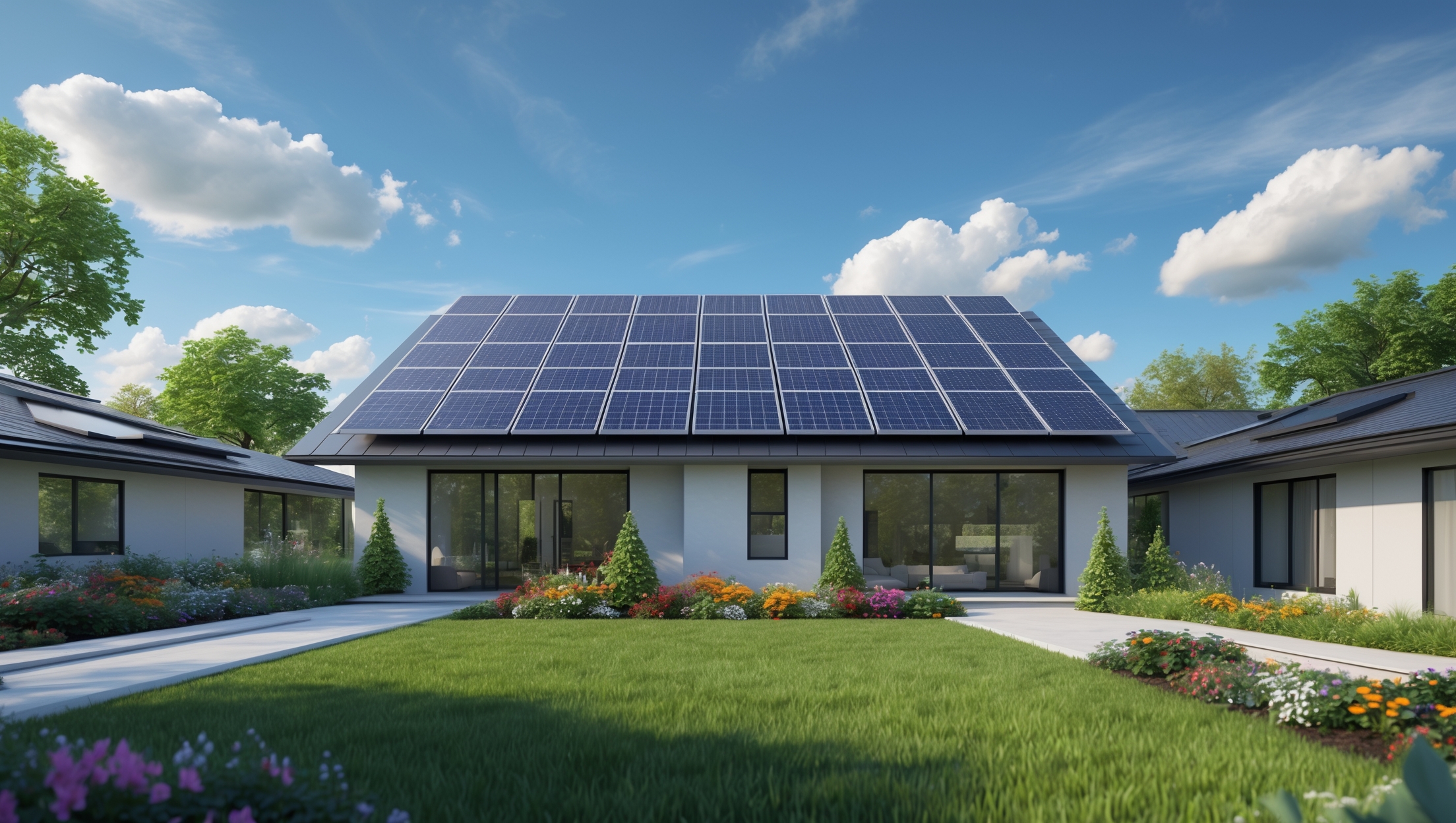
Common Myths and Realities of Home Solar Panel Installation: What Every Homeowner Should Know

Introduction: Shedding Light on Home Solar Panel Installation
Interest in solar energy for homes has skyrocketed in recent years, driven by rising utility costs, environmental awareness, and enticing incentives. Yet, even as more homeowners consider harnessing the sun’s power, confusion and misconceptions abound. Is solar really affordable? Will panels damage your roof? What about cloudy climates or strict local codes? These questions—and the myths behind them—can stall or derail your solar journey before it even begins.
In this comprehensive guide, we’ll separate fact from fiction about home solar panel installation. We’ll address widespread myths, clarify true costs and financial benefits, highlight essential compliance and permit considerations, and outline practical maintenance realities. Whether you’re a DIY enthusiast or planning to hire professionals, understanding the real challenges and opportunities of solar will empower you to make informed decisions, avoid costly pitfalls, and maximize the value of your investment. Let’s illuminate the path to a smarter, safer, and more sustainable home energy future.
Myth #1: Solar Panels Only Work in Sunny, Warm Climates
The Reality of Solar Efficiency
One of the most persistent myths is that solar panels are only effective in places like California or Arizona. In reality, solar technology has advanced dramatically, and panels can generate substantial power even in cooler, cloudier regions. Germany, for example—a leader in solar adoption—receives less annual sunlight than much of the United States, yet consistently produces impressive solar output.
How Solar Panels Perform in Different Climates
- Cloudy Days: Modern panels can capture diffuse sunlight, still producing up to 10-25% of their rated capacity even on overcast days.
- Cold Weather: Solar panels often operate more efficiently in cooler temperatures, as excessive heat can reduce their performance.
- Snow: While heavy snow will temporarily block sunlight, most panels are installed at an angle, allowing snow to slide off. Reflective snow can also increase sunlight exposure when the panels are clear.
Bottom line: Don’t discount solar if you live outside the Sun Belt. A professional site assessment will determine your home’s true solar potential based on roof orientation, shading, and local weather patterns.
Myth #2: Solar Panels Will Damage Your Roof
Understanding Installation Methods
Worries about leaks and structural damage are common, but modern installation practices are designed to protect your roof—not harm it. Installers use specialized mounting hardware, flashing, and sealants to create watertight barriers around penetration points.
- Professional Assessments: Reputable installers inspect your roof’s condition and suitability before proceeding. They’ll recommend repairs or replacement if your roof is nearing the end of its lifespan.
- Mounting Systems: For shingle roofs, mounting brackets are attached to rafters and sealed. Metal and tile roofs have purpose-built solutions to ensure longevity and watertightness.
- Roof Warranty: Many installers offer workmanship warranties that cover potential roof issues related to the installation.
The key is working with certified professionals who follow local codes and manufacturer guidelines. DIY installations, while possible, significantly increase the risk of roof problems if not done correctly.
Myth #3: Solar Is Too Expensive for the Average Homeowner
Breaking Down the True Costs
Sticker shock is a major barrier, but the actual cost of installing solar has dropped over 70% in the past decade. Let’s break down what you can expect:
- Average System Cost (2024): $2.50–$3.50 per watt before incentives. For a typical 6kW system, that’s $15,000–$21,000 before rebates.
- Federal Tax Credit: The current federal solar tax credit covers 30% of installation costs, reducing a $18,000 system to $12,600.
- State and Local Incentives: Many areas offer additional rebates or property tax exemptions. Check your local energy authority for details.
- Financing and Leasing: Zero-down loans and Power Purchase Agreements (PPAs) make solar accessible to more homeowners, though ownership delivers the most long-term value.
Payback Period: Most homeowners recoup their investment in 6–10 years through reduced energy bills, with systems lasting 25–30 years or more. Ongoing electricity rate hikes can shorten this payback window.
Hidden Costs to Watch For
- Roof Repairs: If your roof needs replacing within the next 10 years, do it before solar installation.
- Electrical Upgrades: Older homes may require panel upgrades or rewiring to meet safety codes.
- Permit and Inspection Fees: These vary by locality and should be included in your installer’s quote.
Myth #4: Solar Requires Constant, Complicated Maintenance
What Routine Maintenance Really Looks Like
Solar panels are remarkably low-maintenance. There are no moving parts, and the majority of systems require only periodic inspection and cleaning.
- Cleaning: In most climates, rainfall keeps panels clear of dust and debris. In dry or polluted areas, annual cleaning may be necessary. Use a soft brush and water—no harsh chemicals.
- Visual Inspection: Check for cracked glass, loose wiring, or shading from new tree growth at least once a year.
- Inverter Checks: The inverter (which converts DC to AC) is the most common component to need replacement, usually after 10–15 years.
Professional Maintenance
- Warranty Service: Most panels have 20–25 year performance warranties. Inverter and workmanship warranties typically last 10–12 years.
- Monitoring Systems: Many modern installations include remote monitoring, alerting you to performance dips or faults.
With minimal effort, your system can deliver trouble-free power for decades.
Myth #5: Solar Panels Will Void Your Home Insurance or Complicate Coverage
How Solar Impacts Home Insurance
Contrary to popular belief, most insurers readily cover solar panel systems as part of your dwelling. However, you should:
- Notify Your Insurer: After installation, inform your provider to ensure your policy reflects the increased home value.
- Coverage Limits: Check if your policy covers the full replacement cost of your panels, especially after rebates and incentives.
- Liability: A properly installed system should not increase your liability risk, but DIY or non-code-compliant installations may.
Shopping around is wise if your current insurer is unfamiliar with solar or charges excessive premiums. Most major carriers now have established solar guidelines.
Myth #6: Solar Installation Is a DIY-Friendly Project for Most Homeowners
Assessing DIY vs. Professional Installation
The allure of saving money through DIY installation is strong, but solar systems are complex electrical projects subject to strict codes. Consider:
- Permitting: Most jurisdictions require permits, detailed plans, and utility approval—often only granted to licensed professionals.
- Electrical Safety: Incorrect wiring can lead to fire hazards, system failure, or electric shock.
- Warranty and Incentives: Many manufacturers void warranties and some rebates are unavailable for non-professional installations.
Confident DIYers may tackle off-grid or small-scale projects, but for grid-tied systems, professional installation is almost always the safer and more cost-effective choice.
Compliance, Permits, and HOA Considerations
Navigating the Red Tape
Solar is subject to a web of regulations designed to ensure safety and protect the grid. Here’s what you need to know:
- Building Permits: Required for most installations; your installer should handle the paperwork and inspections.
- Electrical Codes: National and local codes govern wiring, disconnects, and system integration with your home’s electrical panel.
- Utility Interconnection: Approval from your utility is necessary for grid-tied systems. This process typically includes plan submission, inspection, and a final sign-off before you can operate.
- HOA Rules: Some homeowner associations restrict panel placement for aesthetic reasons. However, many states now have “solar access rights” laws limiting HOA power to prohibit solar outright.
Delays are most common when paperwork is incomplete or when installations don’t meet code. Choose experienced installers familiar with your municipality’s requirements.
Solar Panel System Options: Which Is Right for You?
Types of Panels and Mounting Systems
- Monocrystalline Panels: Highest efficiency and sleek appearance, but generally more expensive.
- Polycrystalline Panels: Lower cost, slightly less efficient, often with a blue hue.
- Thin-Film Panels: Flexible and lightweight, ideal for some unique roofs but less efficient overall.
Mounting Options
- Rooftop: The most common, using racking systems tailored to your roof’s material.
- Ground-Mounted: Ideal for large properties or shaded roofs; easier to maintain but require available land.
- Solar Shingles: Integrated into new roofs for a seamless look, but typically at a higher price point.
Choosing the right system depends on your roof’s age, shape, shade, and budget. An experienced installer will provide a detailed site analysis and system proposal.
Maximizing Financial Benefits: Incentives and Net Metering
Understanding Net Metering
Net metering allows you to send excess energy back to the grid, earning credits that offset your electricity use at night or during cloudy days. Policies vary by state and utility:
- Full Retail Net Metering: You receive credit at the same rate you pay for electricity.
- Reduced or Time-of-Use Net Metering: Credits may be worth less or vary based on time of generation and consumption.
Other Incentives
- State and Local Rebates: These can shave thousands off your upfront cost.
- SREC Markets: In some states, you can sell Solar Renewable Energy Credits for additional income.
- Property Tax Exemptions: Many states exempt the added value of solar from property taxes.
Always check the Database of State Incentives for Renewables & Efficiency (DSIRE) or consult your installer to ensure you maximize every available benefit.
Frequently Overlooked Factors When Installing Solar
- Panel Placement and Orientation: South-facing roofs at a 30–40° angle are ideal, but east/west exposures can work with adjusted system sizes.
- Shading: Even small amounts of shade from chimneys, trees, or nearby buildings can reduce output. Microinverters or power optimizers can mitigate this effect.
- Future Additions: If you plan to expand your system or add batteries/Electric Vehicle chargers later, size your inverter and panel layout accordingly.
- Grid Outages: Standard grid-tied systems shut down during outages for safety. Battery storage is required for backup power.
Conclusion: Making an Informed Decision About Home Solar
Solar panel installation is an investment in your home, your finances, and the planet. But separating hype from reality is crucial to making smart, satisfying choices. Despite common myths, solar can work well in a wide range of climates, won’t harm your roof when properly installed, and is financially accessible to more homeowners than ever before—especially with today’s incentives and financing options.
Maintenance is simple, insurance coverage is straightforward for most, and the regulatory landscape, while complex, is navigable with the right professional help. Rather than being a DIY weekend project, solar installation is a sophisticated upgrade best entrusted to certified experts, ensuring safety, code compliance, and access to all available incentives.
As you weigh your options, consider not just the upfront costs, but the long-term benefits: lower utility bills, increased home value, and reduced carbon footprint. Consult multiple reputable installers, demand detailed site analyses and proposals, and confirm all warranties and service terms in writing. By approaching your solar project with accurate information and clear expectations, you’ll be well-positioned to enjoy clean, reliable energy for decades to come.
Ready to take the next step? Start with a professional site assessment and explore local policies and incentives. The truth is, the future of home energy is bright—and it might start right on your rooftop.
I was curious about the financial aspect brought up—especially the claim that solar is more affordable now. Are there any unexpected costs after installation that homeowners should budget for, such as maintenance, insurance changes, or inverter replacements?
After installing solar panels, most homeowners experience low ongoing costs, but it’s wise to budget for a few things. Occasional maintenance, like cleaning panels or checking connections, can add minor expenses. Inverter replacements are common after 10–15 years and can cost a few thousand dollars. Some homeowners may see slight increases in insurance premiums due to the added value of solar systems, so checking with your provider helps avoid surprises.
The article mentions that solar panels can still produce energy during cloudy days, but do you have any information about how much production typically drops during a long stretch of overcast weather? I’m curious how much that could affect my utility savings in a place with unpredictable seasons.
On cloudy or overcast days, solar panels generally produce about 10% to 25% of their usual output compared to sunny days. The exact drop depends on cloud thickness and duration. In areas with frequent unpredictable weather, this reduced production can lower utility savings, but your overall annual savings may still be significant if you get enough sun the rest of the year. A local solar installer can provide more specific estimates based on your region’s weather patterns.
I’m curious about the financial aspect you touched on. With so many incentives and rebates changing from state to state, how can someone figure out the true upfront cost and payback period for installing solar panels on an average home?
To find the true upfront cost and payback period for solar panels, start by getting quotes from reputable local installers—they’ll factor in your home’s energy use and state-specific incentives. Next, look up federal and local rebates or tax credits, as these can change often. Many installers provide a detailed financial breakdown, including estimated savings, so you can compare costs and see your projected payback period accurately.
The article mentions maintenance as an important practical consideration. Could you share what typical maintenance tasks are required and how much ongoing time or budget I should expect to set aside for keeping a rooftop solar setup running efficiently?
Typical maintenance for rooftop solar panels is minimal. You’ll mainly need to keep the panels clean by rinsing them with water once or twice a year, or more often if you live in a dusty area. It’s also wise to schedule a professional inspection every 2-3 years to check electrical connections and system performance. Budgeting around $100–$300 annually generally covers cleaning and periodic inspections. Most homeowners find that solar panels are low-maintenance and don’t require much of your time.
I live in an area that gets a lot of cloudy days and some snowfall each winter. Could you explain a bit more about how much energy I should realistically expect to generate during those seasons, and if there are maintenance issues with snow buildup?
In cloudy or snowy conditions, solar panels will generate less energy—typically 10 to 25% of their usual output on cloudy days. During winter, shorter daylight hours further reduce production. Snow buildup can temporarily block sunlight, but panels are usually installed at an angle, so snow often slides off. Light maintenance like gently brushing off heavy snow after storms can help keep your panels working efficiently.
The article mentions that solar panels can still generate power in cooler, cloudier regions like Germany, but are there any extra maintenance steps I should consider for panels in colder climates, especially where snow is a factor?
Solar panels do work well in colder climates, but snow can temporarily block sunlight if it accumulates on the panels. To maintain efficiency, gently clear heavy snow after major storms using a soft brush or a tool designed for solar panels—avoid anything that could scratch the surface. Also, it’s wise to check your panels for ice buildup and ensure they’re angled to help snow slide off naturally. Regular visual inspections after winter weather can help spot and address any issues early.
The article talks about myths regarding roof damage during installation. If I have an older roof, should I get it replaced before putting up solar panels, or are there ways to safely install panels without a full roof replacement?
If your roof is older or nearing the end of its lifespan, it’s generally wise to consider replacing it before installing solar panels, since removing and reinstalling panels later can be costly. However, if your roof is still structurally sound, solar professionals can often safely install panels without a full replacement. It’s best to have a roofer evaluate your roof’s condition before making a decision.
When it comes to maintenance, are there any regular tasks homeowners need to keep up with to make sure their panels remain efficient, especially in places that get a lot of snow? I’m curious how practical it is for someone with a busy schedule.
For most homeowners, solar panels require minimal regular maintenance. In snowy regions, it’s helpful to gently remove heavy snow buildup to maintain efficiency, but this isn’t always urgent as panels are often installed at an angle, letting snow slide off naturally. If you’re busy, professional cleaning services are available, and most systems just need occasional visual checks for debris. Overall, upkeep is practical and not time-consuming for most people.
The article talks about advances in solar technology making it possible to generate power even in cold and cloudy climates. Are the upfront costs or maintenance requirements different if I live somewhere with harsher winters compared to a sunny area?
Upfront costs for solar panels are generally similar regardless of climate, but in areas with harsh winters, installers may recommend panels that are better suited for snow and cold temperatures, which could affect price slightly. Maintenance can be a bit more involved—keeping panels clear of snow and checking for ice buildup is important, but overall maintenance is still minimal and manageable.