
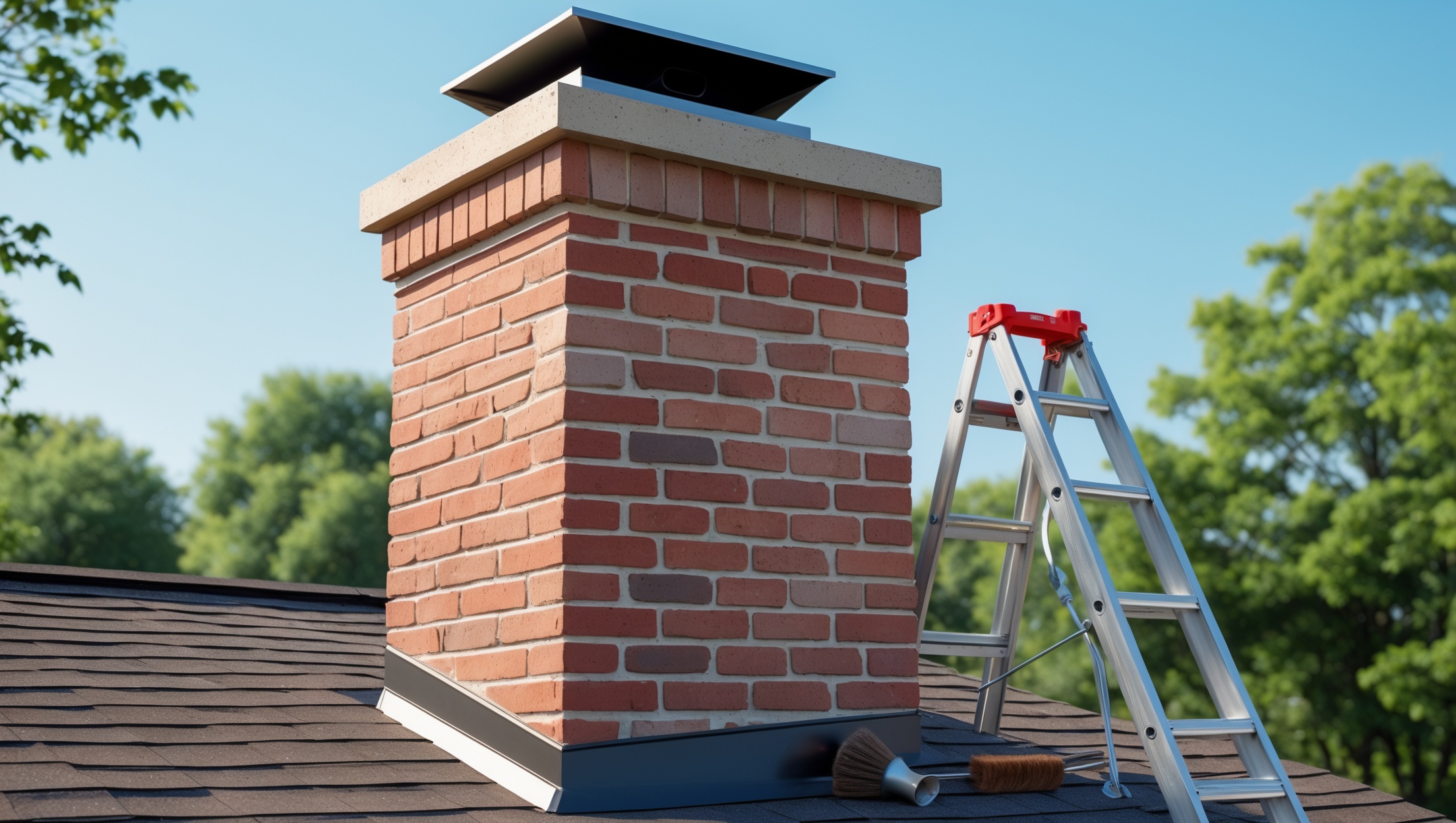
Seasonal Chimney Maintenance Checklist: Preventing Hazards and Maximizing Efficiency

Introduction: Why Seasonal Chimney Maintenance Matters
Chimneys are often overlooked in routine home care—until a problem arises. From cracked masonry to hidden blockages, neglected chimneys can pose serious fire and carbon monoxide hazards, decrease heating efficiency, and lead to expensive repairs. According to the National Fire Protection Association, thousands of home heating fires annually originate in chimneys that haven’t received proper maintenance. Regular, seasonally-timed chimney maintenance isn’t just about compliance with insurance requirements; it’s about protecting your home, your investment, and your family. This in-depth guide provides a comprehensive seasonal checklist for chimney care, focusing on inspection, cleaning, and safety. Whether your chimney vents a wood-burning fireplace, pellet stove, or gas insert, following this checklist will help you catch issues early, maximize energy efficiency, and enjoy peace of mind throughout the year. Read on to learn practical, step-by-step strategies that will keep your chimney functioning safely and efficiently in every season.
Understanding Your Chimney System
Components of a Residential Chimney
- Chimney Flue: The inner passage through which smoke and gases exit the home.
- Chimney Liner: Protective layer (clay, metal, or ceramic) lining the flue, crucial for safety and efficiency.
- Crown/Chase Cover: The top sealing element preventing water intrusion.
- Cap/Spark Arrestor: Mesh-covered top that keeps debris and animals out.
- Firebox: The interior section where fuel is burned.
- Damper: Movable plate controlling airflow and preventing drafts when not in use.
Common Chimney Types
- Masonry Chimneys: Built from brick or stone—prone to mortar deterioration and water infiltration.
- Factory-Built (Prefabricated) Chimneys: Metal systems—usually have chase covers and are susceptible to rust and improper installation issues.
- Vented Gas Fireplaces: Use metal flues, typically require less cleaning but still need inspection for blockages and vent integrity.
Spring Chimney Maintenance Checklist
1. Post-Heating Season Inspection
Once winter ends, schedule a thorough visual inspection. Look for visible cracks, efflorescence (white staining), loose bricks, and signs of moisture penetration. The freeze-thaw cycle can cause rapid masonry deterioration.
2. Remove Ash and Debris
- Sweep out any remaining ashes from the firebox using a metal shovel and dispose of them safely.
- Vacuum fine ash with a HEPA filter vacuum.
- Check the damper for soot buildup and operational issues.
3. Inspect the Chimney Cap and Crown
- Ensure the cap is securely attached and mesh is intact to keep out animals and debris.
- Check the crown for cracks or gaps that would allow water intrusion.
4. Schedule a Professional Chimney Sweep
Spring is an ideal time to book a certified chimney sweep, as they’re less busy than in fall. Sweeps will remove creosote buildup—a leading cause of chimney fires—and conduct a full inspection of the liner and flue.
Summer Chimney Maintenance Checklist
1. Waterproofing and Masonry Repairs
- Apply breathable, siloxane-based masonry sealant to the exterior to prevent water damage.
- Repair cracked mortar joints or spalling bricks using appropriate masonry products.
- Inspect the flashing—where chimney meets roof—for rust or gaps and replace or reseal as needed.
2. Address Odor Issues
Summer humidity often amplifies chimney odors caused by creosote or animal nesting. If you notice a strong, sour smell, arrange for a deep cleaning and deodorizing. Install a top-sealing damper if downdrafts are an issue.
3. Check for Animal Intrusion
- Birds, squirrels, and raccoons frequently nest in unused chimneys during warmer months.
- Look for feathers, nesting materials, or droppings in the firebox and flue.
- Install or repair the chimney cap to prevent future intrusions.
Fall Chimney Maintenance Checklist
1. Pre-Season Professional Inspection
- Hire a CSIA-certified chimney sweep to perform a Level 1 inspection at minimum.
- Request a video scan of the flue to identify cracks, gaps, or obstructions invisible to the naked eye.
- Inspect the damper for proper operation and tight seal.
2. Clean and Test Smoke/Carbon Monoxide Detectors
- Replace batteries in all smoke and CO detectors near the fireplace and sleeping areas.
- Test each device for proper function and replace units older than 7–10 years.
3. Stock Up on Proper Firewood
- Use only well-seasoned hardwood (oak, maple, hickory) with moisture content under 20% to minimize creosote formation.
- Stack firewood off the ground and cover the top, leaving sides open for airflow.
4. Check for Draft Issues
- Close all windows/doors and open the damper to check for cold drafts entering the home.
- If downdrafts are present, consider installing a top-sealing damper or consulting an HVAC specialist.
Winter Chimney Maintenance Checklist
1. Monitor for Ice Dams and Water Intrusion
- After snowstorms, inspect the roof and chimney base for ice dams, which can force water under flashing and into the home.
- Clear snow buildup from the base of the chimney using a roof rake (from the ground, for safety).
2. Check for Smoke Spillage
- With each fire, ensure smoke exits through the chimney and does not back up into the room.
- If you notice smoke spillage, stop use and schedule an immediate inspection; this may indicate a blockage or drafting problem.
3. Safe Ash Disposal
- Allow ashes to cool for at least 24–48 hours before removing.
- Store cooled ashes in a metal container with a tight-fitting lid, at least 10 feet from the house or other structures.
Critical Tools and Supplies for Chimney Maintenance
- Heavy-duty chimney brush (sized to your flue)
- Flexible extension rods
- Shop vacuum with HEPA filter
- Metal ash bucket with lid
- Flashlight or headlamp
- Stiff wire brush (for firebox and damper)
- Protective gloves, goggles, and dust mask
- Siloxane masonry sealant (for waterproofing)
- Stainless steel chimney cap (if replacement needed)
Safety Checklist: Every Homeowner Should Follow
- Always fully extinguish fires before leaving the house or going to bed.
- Never burn treated wood, trash, or plastics.
- Install heat shields or guards around fireplaces to prevent accidental burns.
- Keep flammable items (furniture, drapes, decor) at least 3 feet away from the hearth.
- Maintain a working fire extinguisher within reach.
- Review your homeowner’s insurance policy to confirm chimney-related coverage.
- Document all inspections, cleanings, and repairs with receipts and photos for insurance and resale purposes.
Signs Your Chimney Needs Immediate Attention
- Persistent odors: Especially in summer, may indicate creosote or animal remains.
- White stains or green algae: Suggest moisture penetration and possible structural damage.
- Cracked flue tiles or bricks: Allow heat and gases to escape into walls—fire risk.
- Rust on damper or firebox: Indicates water is entering the chimney system.
- Visible or audible animal activity: Scratching, chirping, or nesting debris.
When to Call a Professional
While some maintenance tasks are DIY-friendly, others require trained expertise:
- Annual sweeping and inspection by a certified chimney sweep (credentialed by CSIA or NFI).
- Flue liner repair, replacement, or installation.
- Masonry repairs involving structural cracks or extensive mortar deterioration.
- Installation or replacement of chimney caps, dampers, or flashing.
- Clearing blockages (animal nests, heavy creosote) beyond DIY capacity.
Costs, Budgeting, and Long-Term Savings
Average Maintenance Costs
- Annual chimney sweep and inspection: $150–$350
- Masonry waterproofing: $250–$500
- Chimney cap replacement: $100–$300
- Minor mortar repair: $200–$600
- Major flue or liner repair: $1,000–$3,000
Why Regular Maintenance Saves Money
- Prevents catastrophic chimney fires ($5,000+ in damages or total loss).
- Averts expensive water damage to ceilings, walls, and structural elements.
- Reduces heating costs by improving draft and combustion efficiency.
- Protects home value and avoids issues during resale inspections.
Conclusion: Make Chimney Maintenance a Seasonal Habit
Chimney maintenance isn’t a once-and-done task—it’s a seasonal commitment that pays off in safety, comfort, and cost savings. By following the checklists outlined above, you can catch minor problems before they escalate, prevent hazardous situations like chimney fires or carbon monoxide leaks, and ensure your home stays warm and efficient through every season. Remember, a well-maintained chimney is less likely to trigger costly insurance claims or sale delays and more likely to deliver years of reliable service. Invest in quality tools, keep detailed records, and work with certified professionals for annual inspections and major repairs. With a proactive, informed approach, your fireplace or stove can remain both a cozy centerpiece and a safe asset to your home. Don’t wait for smoke, odors, or crumbling masonry to signal trouble—make chimney care part of your regular home improvement routine and enjoy peace of mind no matter what the weather brings.