
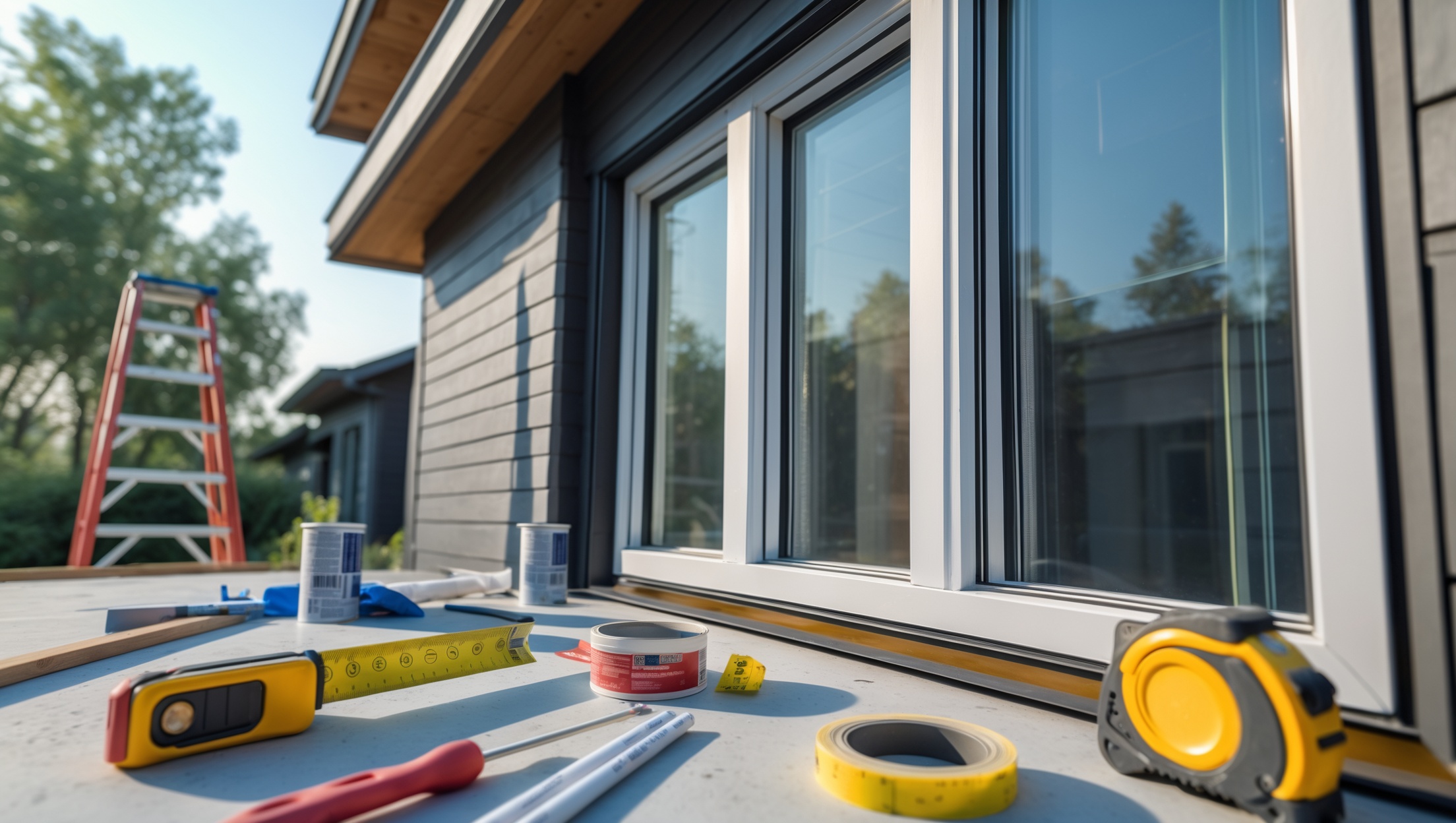
Essential Permit and Compliance Guide for DIY Window Replacements

Introduction: Why Permits and Compliance Matter for DIY Window Replacements
Replacing your home’s windows is one of the most impactful upgrades you can make—improving energy efficiency, increasing property value, and enhancing curb appeal. But if you’re planning to tackle window replacement as a DIY project, there’s a critical step that many homeowners overlook: securing the right permits and ensuring compliance with local building codes. Failing to follow the proper legal process can result in fines, forced removal of new windows, trouble with home insurance, or even complications when selling your home in the future. This comprehensive guide will walk you through the essential permit requirements, compliance checks, and practical steps you need to take for a stress-free, successful DIY window replacement. Get ready to avoid costly setbacks and ensure your new windows are installed safely, efficiently, and—most importantly—legally.
Understanding Permit Requirements for Window Replacements
When Is a Permit Required?
Permit requirements for window replacements vary by location, but in most municipalities, a permit is required if:
- You are changing the size or shape of the window opening.
- You are installing egress windows (especially in basements or bedrooms).
- You are altering the structure of the wall to accommodate different windows.
- You live in a historic district or governed by a homeowners’ association (HOA).
Simple replacement of the window sash, or swapping an old window for a new one of the same size and style, may not require a permit in some areas. However, it’s always best to check with your local building department before starting any work.
How to Obtain a Permit
Follow these steps to secure the right permits for your DIY window project:
- Contact Your Local Building Department: Start by visiting the city or county website, or calling the building office. Many jurisdictions have online permit applications.
- Gather Required Documentation: You may need to submit detailed plans, window specifications, photos of existing windows, and proof of property ownership.
- Pay the Permit Fee: Fees typically range from $50 to $300 depending on the scope of the project and your locale.
- Schedule Inspections: Most permits require at least one inspection after installation, and sometimes a rough-in inspection if the framing is altered.
Keep a copy of your permit on-site during the project; inspectors may request to see it at any time.
Key Compliance Considerations for DIY Window Replacement
Building Codes and Energy Efficiency Standards
Local building codes govern window installations to ensure safety, energy efficiency, and habitability. The main codes to be aware of include:
- International Residential Code (IRC): Sets minimum egress window sizes for bedrooms and basements, as well as structural guidelines.
- State Energy Codes: Many states adopt versions of the International Energy Conservation Code (IECC), which specify minimum U-factor and Solar Heat Gain Coefficient (SHGC) values for windows.
- Local Amendments: Cities may have additional requirements, especially in regions prone to hurricanes, earthquakes, or wildfires.
Egress Requirements
Bedrooms and basements often require egress windows—large enough for occupants to escape during an emergency. The IRC generally requires:
- Minimum opening width: 20 inches
- Minimum opening height: 24 inches
- Minimum net clear opening: 5.7 square feet (5.0 for ground floor)
- Maximum sill height from floor: 44 inches
Measure carefully and double-check local amendments, as requirements can vary.
Historic Districts and HOA Rules
If your home is in a historic district or managed by an HOA, you may need additional approvals. These often regulate window style, color, material, and installation methods. Submit your plans early and allow extra time for review.
Step-by-Step Compliance Checklist for DIYers
Before You Begin
- Confirm if a permit is required for your specific replacement.
- Obtain written approval from HOA or historic preservation board, if applicable.
- Review relevant building and energy codes for your jurisdiction.
- Order windows that meet (or exceed) required standards (look for Energy Star and NFRC labels).
During Installation
- Follow manufacturer’s installation instructions to the letter.
- Maintain structural integrity—don’t cut or alter load-bearing studs without approval.
- Ensure proper flashing and waterproofing to prevent leaks and future damage.
- Schedule required inspections with your building department as needed.
After Completion
- Pass final building inspection (save documentation for your records).
- Retain all permits and inspection reports for insurance and future sale.
- Register window warranties as directed by the manufacturer.
Common Permit and Compliance Mistakes to Avoid
Skipping Permits for “Simple” Replacements
Many DIYers assume that simply swapping windows doesn’t require a permit. In reality, even a like-for-like replacement can trigger permitting if the window affects egress, energy compliance, or fire codes. Always check first.
Ignoring Egress or Emergency Requirements
Noncompliant egress windows are a major safety risk and a red flag for inspectors and appraisers. Double-check sizing and operability before purchasing or installing new windows.
Failing to Schedule Inspections
Some homeowners skip required inspections to save time, but uninspected work can invalidate your permit and result in costly corrections (or outright removal) if discovered later.
Missing HOA or Historic Review
Installing unapproved window styles in a restricted area can lead to forced replacement at your own expense. Secure all approvals before buying materials.
Cost Breakdown: Permits, Inspections, and Code-Compliance Upgrades
Typical Permit Fees
- Single window replacement: $50–$100 (if permitted)
- Multiple windows (whole house): $100–$300
- Historic district or HOA reviews: $0–$200 (may be separate from building permit)
Required Inspections
- Framing inspection (if modifying walls): $0–$100
- Final inspection: often included in permit fee
Compliance Upgrade Costs
- Energy-efficient windows: $50–$200 per window more than standard models
- Fire- or impact-rated windows (where required): $100–$400 extra per window
Practical Tips for a Smooth, Legal DIY Window Replacement
Get Everything in Writing
Document conversations with building officials and HOAs. Save emails, approval letters, and permit receipts for your records.
Budget for Unexpected Expenses
Set aside 10–15% of your project budget for compliance-related costs. Unforeseen requirements—such as additional inspections or code upgrades—are common.
Use Compliant Products
Only purchase windows with clear labeling for energy ratings (U-factor, SHGC), egress size, and, if required, fire or impact resistance. Ask suppliers for documentation that you can show to inspectors.
Schedule Inspections Early
Book required inspections as soon as you know your installation dates. Inspectors’ schedules fill up fast, especially during spring and summer.
Stay Up-to-Date with Local Codes
Building codes change periodically. Double-check requirements before starting, even if you’ve replaced windows before.
Frequently Asked Questions About Window Replacement Permits and Compliance
What happens if I replace windows without a permit?
If your jurisdiction requires a permit and you skip it, you risk fines, mandatory removal of the new windows, and complications with home insurance or future sales. Some areas issue “stop work” orders or refuse to sign off on home sales until unpermitted work is corrected.
Can I pull a permit as a homeowner, or do I need a contractor?
In most areas, homeowners can pull permits for DIY work on a single-family residence they occupy. Some cities require a licensed contractor for multifamily or rental properties.
How long does the permit and inspection process take?
Permits for standard replacements can be issued the same day, while more complex projects (especially in historic districts) may take weeks. Inspections are usually scheduled within a few days of request.
Will my insurance cover unpermitted window replacements?
Insurance companies may deny claims related to unpermitted or non-compliant work. Always follow local rules and keep documentation for your records.
Conclusion: Safe, Compliant, and Efficient Window Upgrades Start with Permits
Taking the time to secure the proper permits and ensure compliance isn’t just about following the rules—it’s about protecting your investment, your safety, and your home’s value. Window replacements may seem simple, but the details matter: egress standards, energy codes, HOA restrictions, and inspection requirements can all impact the success of your project. By researching local laws, obtaining the right approvals, and following best practices, you can avoid costly mistakes and enjoy the full benefits of your window upgrade. Prepare thoroughly, budget for compliance, and document every step. With the information in this guide, you’ll be ready to complete your DIY window replacement with confidence—knowing that your home is safer, more efficient, and fully up to code. Happy renovating!