
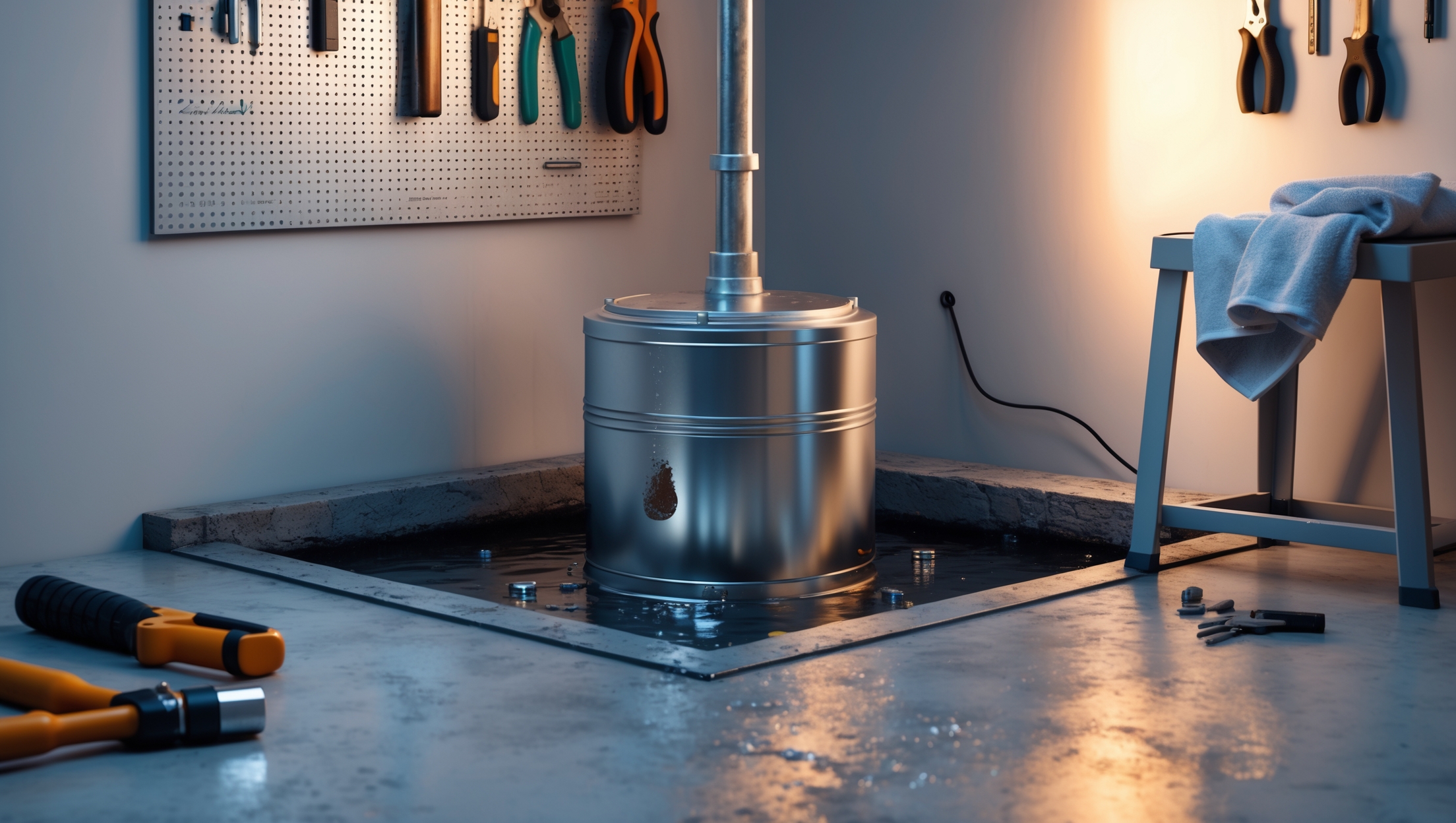
Sump Pump Maintenance: Seasonal Checklist for a Dry Basement

Introduction: Why Sump Pump Maintenance Matters More Than You Think
If you own a home with a basement, your sump pump is one of the most important—yet often overlooked—lines of defense against water damage. For many homeowners, that quiet mechanical device tucked into a damp corner only gets attention when disaster strikes. But waiting until your basement is ankle-deep in water to discover a sump pump failure is a costly mistake. Regular, seasonal maintenance is essential to keep your sump pump running smoothly and your basement dry, no matter what Mother Nature throws your way. This comprehensive checklist will guide you through the practical steps of sump pump maintenance for every season, helping you prevent unexpected breakdowns, avoid costly repairs, and maintain peace of mind year-round. Whether you’re a first-time homeowner or a seasoned DIYer, following this expert-approved routine can extend your pump’s life, optimize its performance, and safeguard your home’s foundation from water infiltration. Let’s dive in and make sure you’re ready for the wettest seasons ahead.
Understanding Your Sump Pump: The Basics
What Is a Sump Pump?
A sump pump is a submersible or pedestal pump installed in the lowest part of your basement or crawl space, typically inside a specially constructed pit. Its purpose is to collect and remove groundwater that accumulates around your home’s foundation, preventing flooding and water damage. When the water in the pit reaches a certain level, the pump automatically activates, pumping the water out and away from your home.
Types of Sump Pumps
- Submersible Sump Pumps: Installed below the water line inside the pit, these are quieter and more powerful, ideal for finished basements.
- Pedestal Sump Pumps: The motor sits above the pit, making them easier to service but noisier. They’re best for smaller pits or unfinished spaces.
Key Components
- Float Switch: Activates the pump when water reaches a set level.
- Check Valve: Prevents pumped water from flowing back into the pit.
- Discharge Pipe: Carries water away from your foundation.
- Backup Power Source: Provides protection during power outages (battery, water-powered, or generator backup).
Spring Maintenance Checklist: Preparing for Heavy Rain
1. Inspect and Clean the Sump Pit
Debris, mud, and gravel in the sump pit can clog the pump and cause it to fail. Carefully unplug the sump pump and remove it from the pit. Use a wet/dry vacuum to clear out any sediment, then wipe down the sides of the pit with a damp cloth. Rinse off the pump itself, making sure the intake screen is free of blockages.
2. Test the Pump Operation
Plug the pump back in. Slowly pour a bucket of water into the pit until the float rises and activates the pump. Observe whether the pump switches on, efficiently removes the water, and shuts off automatically. If it hesitates, makes odd noises, or fails to run, further troubleshooting or professional inspection is needed.
3. Examine the Discharge Line
Walk outside and locate the end of your discharge pipe. Ensure it’s clear of debris, ice, or animal nests, and that it directs water at least 10 feet away from your foundation. A blocked or improperly sloped pipe can send water right back toward your house.
4. Check the Check Valve
Inspect the check valve to ensure it’s tightly secured and functioning. This device keeps expelled water from flowing back into the pit, reducing pump cycling and wear.
5. Battery Backup System Test
Spring storms often bring power outages. If you have a battery backup, unplug your main pump to simulate a power loss and test the backup system. Replace batteries that are more than 3 years old or show corrosion.
Summer Maintenance Checklist: Keeping Cool and Dry
1. Monitor Pump Performance After Heavy Rain
After significant storms, check the pit for unusual amounts of debris or signs of pump strain. Listen for grinding, rattling, or prolonged running, which can indicate a clog or failing motor.
2. Inspect Electrical Connections
Warm weather is a good time to examine the pump’s power cord and outlet for cracks, exposed wires, or corrosion. Ensure the outlet is GFCI-protected to prevent electrical hazards in damp environments.
3. Clean the Vent Hole
Many sump pumps have a small vent hole in the discharge pipe to prevent air lock. Use a thin wire or pipe cleaner to gently clear away any obstructions.
4. Examine for Mold and Odors
Basements can get musty in summer. Check for signs of mold or mildew around the sump pit. Wipe down the area with a mild bleach solution if necessary, and ensure the pit cover fits snugly to minimize humidity.
Fall Maintenance Checklist: Ready for the Unexpected
1. Remove Autumn Debris
Falling leaves can find their way into outdoor discharge pipes and window wells. Clear all exterior drains and ensure water flows freely away from your home.
2. Inspect Backup Systems Before Winter
Test your battery or water-powered backup system again and charge or replace batteries as needed. Cold weather can reduce battery efficiency; better to discover issues now than during a winter storm.
3. Verify Pit Cover Integrity
A tight-fitting pit cover prevents debris, pests, and excess moisture from entering the sump pit. Replace cracked or loose covers to keep your system clean and odor-free over the winter.
4. Review Your Homeowner’s Insurance
Confirm that your policy covers water damage from sump pump failures. If not, consider adding a rider for peace of mind through the wet and snowy months ahead.
Winter Maintenance Checklist: Cold Weather Protection
1. Prevent Discharge Pipe Freezing
Ensure the discharge pipe is insulated or pitched to prevent standing water, which can freeze and block drainage. Install a freeze-proof extension if your area is prone to deep freezes.
2. Regularly Test Pump Function During Thaws
Mid-winter thaws can cause a sudden influx of water. Test your pump monthly by pouring water into the pit, especially if you notice melting snow or ice around your foundation.
3. Keep Area Around the Sump Pit Clear
Don’t store holiday decorations, boxes, or tools around your sump pump. Allow easy access in case of emergency and maintain good airflow to prevent condensation and corrosion.
Annual Deep Maintenance Tasks
1. Full System Inspection
Once a year—ideally in late winter or early spring—do a comprehensive inspection. Remove and clean the pump, pit, and all accessible piping. Check for rust, corrosion, or worn parts, and lubricate moving parts if manufacturer’s instructions allow.
2. Replace or Service the Pump
Most sump pumps last 7-10 years with good maintenance. If yours is approaching this age and showing signs of wear (frequent cycling, noisy operation, or reduced flow), consider replacing it before it fails. Always install according to manufacturer specifications, and consult a professional if you’re unsure.
Troubleshooting Common Sump Pump Issues
- Pump Runs Continuously: Check for a stuck float, jammed switch, or a malfunctioning check valve.
- Pump Doesn’t Turn On: Test the power source, GFCI outlet, and float switch. Replace faulty components as needed.
- Noisy Operation: Look for obstructions in the pit, worn bearings, or loose parts. Tighten and clean as necessary.
- Water Not Discharging Properly: Inspect the discharge pipe and check valve for blockages or leaks.
If you encounter persistent problems or suspect a major failure, consult a licensed plumber or sump pump specialist for repair or replacement.
Pro Tips for Sump Pump Longevity and Reliability
- Install a high-water alarm to alert you if the water level rises too high.
- Consider a secondary backup pump (battery or water-powered) for added redundancy.
- Keep detailed maintenance records, including installation date, service intervals, and any repairs.
- Don’t ignore strange sounds, odors, or cycling behavior—address issues promptly.
- Make sure your discharge line does not connect to your home’s sewer system (illegal in many areas).
Conclusion: Consistency Is Key to a Dry, Worry-Free Basement
Maintaining your sump pump isn’t a one-time task—it’s a year-round commitment that pays off in peace of mind and property protection. By following this seasonal checklist, you’re taking proactive steps to ensure your basement stays dry, your home’s foundation remains healthy, and costly water damage is kept at bay. Remember, a neglected sump pump can fail at the worst possible moment, often during heavy storms or power outages when you need it most. Consistent maintenance not only extends your pump’s lifespan but also helps you spot minor issues before they become major emergencies. Whether your basement is a finished living space or simply storage, the investment of a few minutes each season will save you time, money, and stress in the long run. Treat your sump pump as an essential home system—like your furnace or roof—and give it the regular attention it deserves. With this expert-approved routine, you’ll be ready for whatever the weather brings and enjoy the comfort of a reliably dry basement, season after season.