
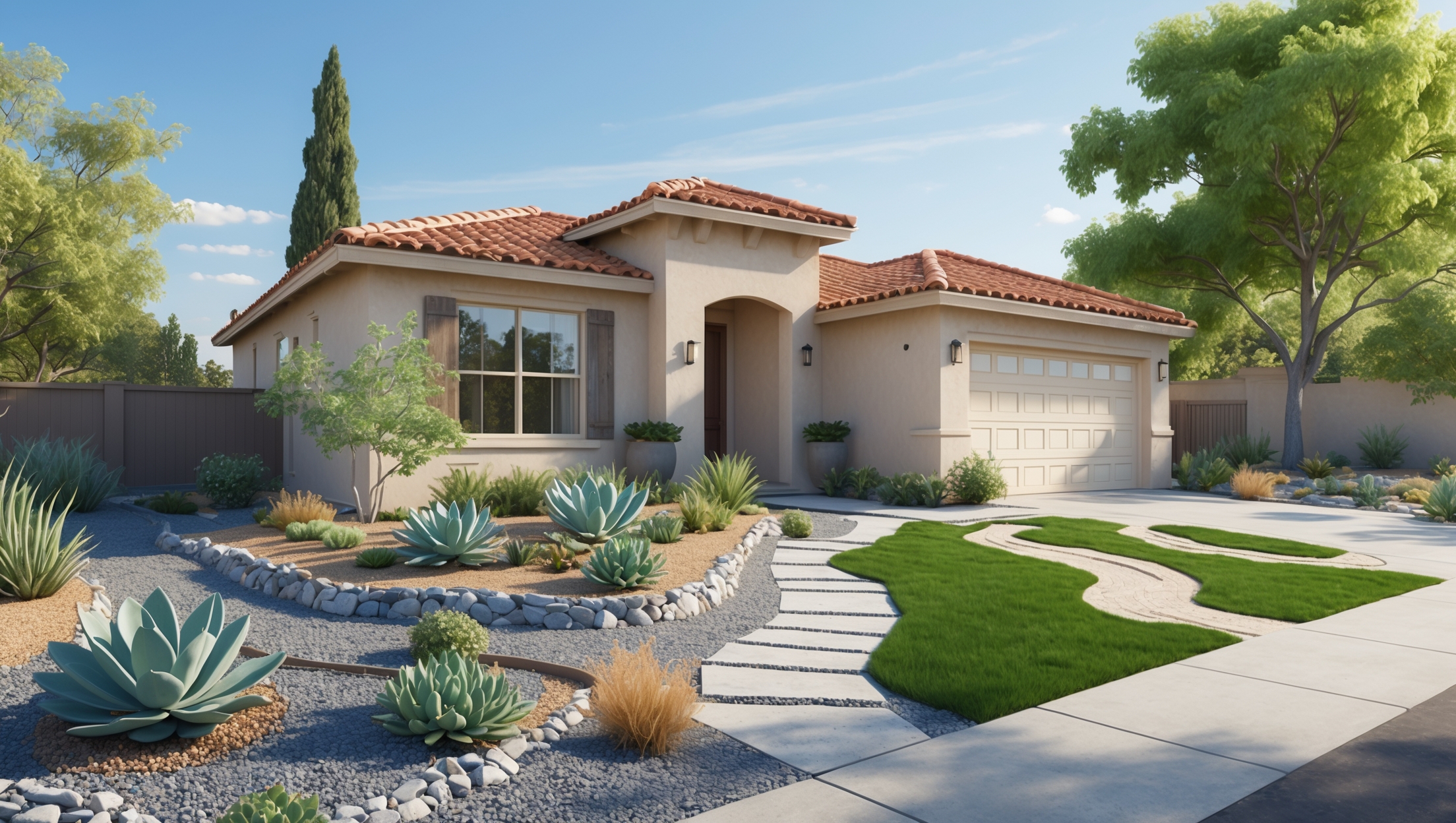
Step-by-Step Guide to Creating a Fire-Resistant Home Landscape: Compliance, Cost, and Maintenance Insights

Introduction: The Importance of a Fire-Resistant Home Landscape
Wildfires are becoming an increasingly common threat in many regions, and homeowners are seeking effective ways to protect their properties. One of the most practical and impactful strategies is to create a fire-resistant landscape. Unlike traditional gardening, fire-resistant landscaping is designed with the intent of reducing the risk of fire spreading to your home. This approach involves careful planning, plant selection, compliance with local regulations, and ongoing maintenance. In this comprehensive guide, we’ll walk you through every step required to transform your outdoor space into a robust first line of defense against wildfires. You’ll learn how to assess your property, choose the right materials, stay compliant with local fire codes, manage costs, and maintain your landscape for years to come. Whether you live in a high-risk area or simply want to strengthen your home’s safety, these actionable insights will help you make informed decisions.
Understanding Defensible Space and Fire-Resistant Landscaping
What is Defensible Space?
Defensible space refers to the buffer you create between your home and the surrounding area that can slow or stop the spread of wildfire. This space is typically divided into zones, each with specific recommendations for plant placement and material selection. Creating defensible space is not just a best practice—many municipalities require it by law, especially in wildfire-prone regions.
Key Principles of Fire-Resistant Landscaping
- Plant Selection: Use plants with high moisture content and low resin or sap, as they are less likely to ignite.
- Material Choices: Incorporate hardscape elements like gravel, stone, and concrete to act as firebreaks.
- Layout: Space plants appropriately to prevent fire from jumping between them.
- Maintenance: Regularly remove dead vegetation, prune trees, and clean gutters to reduce fuel.
- Compliance: Follow local regulations on defensible space and fire-safe landscaping.
Step 1: Assessing Your Property
Conducting a Fire Hazard Evaluation
Begin by walking around your property and evaluating existing vegetation, structures, and materials. Look for potential hazards such as overgrown shrubs, wood mulch near the house, or low-hanging branches. Take note of slopes, as fires travel more quickly uphill, and areas where vegetation clusters near structures.
Mapping Zones for Defensible Space
- Zone 0 (0-5 feet): The immediate area around your home. Should be free of combustible materials.
- Zone 1 (5-30 feet): Plant spacing and maintenance are crucial. Use fire-resistant plants and hardscaping.
- Zone 2 (30-100 feet): Reduce fuel by thinning trees and removing dead vegetation.
Sketch a simple map of your property, marking these zones and noting areas that need attention.
Step 2: Understanding Compliance and Permits
Local Regulations and Fire Codes
Before making changes, research your local fire department or municipality’s landscaping codes. Many areas have specific requirements for defensible space, such as minimum distances for vegetation clearance and restrictions on flammable materials. Failing to comply can result in fines or increased liability in the event of a fire.
Permit Requirements
- Major landscape overhauls may require permits, especially if grading or hardscape installation is involved.
- Contact your local building or planning department to clarify what documentation is needed.
- Keep records of your compliance for insurance purposes.
Step 3: Budgeting and Cost Breakdown
Estimating Costs
The cost of creating a fire-resistant landscape can vary widely depending on property size, existing vegetation, and your project scope. Here’s a breakdown of potential expenses:
- Site Assessment and Planning: $0 (DIY) to $500+ (professional consultation)
- Plant Removal/Clearing: $200–$2,000, depending on density and size
- Hardscape Installation: $1,000–$10,000+ for patios, walkways, gravel, etc.
- Fire-Resistant Plants: $3–$20 per plant, depending on species and size
- Mulch (non-combustible): $30–$100 per cubic yard
- Irrigation Upgrades: $500–$2,500 if needed
- Maintenance Tools: $100–$500
For a medium-sized suburban lot, expect total costs to range from $2,000 to $15,000, with significant savings possible through DIY labor and phased implementation.
Budgeting Tips
- Start with the highest-risk areas closest to your home.
- Re-use existing hardscape materials if possible.
- Choose native, drought-resistant plants to save on water and replacement costs.
- Plan for ongoing maintenance in your annual budget.
Step 4: Selecting Fire-Resistant Plants and Materials
Characteristics of Fire-Resistant Plants
- High moisture content in leaves and stems
- Low amounts of sap, resin, or volatile oils
- Open, airy structure rather than dense, compact forms
- Minimal dead wood or litter production
Recommended Plants by Region
Selection varies by climate, but here are some widely recognized fire-resistant choices:
- Groundcovers: Creeping thyme, lantana, ice plant
- Shrubs: Manzanita (certain varieties), bush honeysuckle, currant, rockrose
- Trees: Maple, alder, cherry, dogwood (avoid conifers near structures)
- Perennials: Yarrow, columbine, daylily, iris
Avoid highly flammable species like juniper, pine, eucalyptus, and ornamental grasses near structures.
Non-Combustible Mulches and Hardscaping
- Gravel, stone, or decomposed granite for ground cover
- Concrete, flagstone, or paver walkways and patios
- Metal or stone edging instead of wood borders
Use these materials in the first five feet around your home for maximum protection.
Step 5: Creating the Fire-Resistant Landscape
Clearing and Preparing the Site
- Remove dead plants, leaves, and pine needles from gutters, roofs, and under decks.
- Cut back tree branches at least 10 feet from chimneys and other trees.
- Clear combustible materials like wood piles, patio furniture, and propane tanks away from the house.
Installing Hardscape Elements
Lay down non-combustible materials in Zone 0, such as gravel or concrete. Install stone or metal barriers to prevent weeds and further reduce flammable vegetation. Use patios, walkways, and retaining walls to break up plantings and create firebreaks.
Planting Fire-Resistant Vegetation
- Space plants according to local recommendations—generally at least 2–3 times their mature width apart.
- Group low-growing, fire-resistant plants in islands with hardscape between them.
- Mulch with gravel or stone, not wood bark or rubber, especially within 5–10 feet of your home.
- Keep lawns green and mowed short or replace with fire-resistant groundcovers.
Upgrading Irrigation Systems
Install drip irrigation or soaker hoses to minimize water use while maintaining healthy, hydrated plants. Avoid overhead sprinklers that can waste water and create runoff.
Step 6: Ongoing Maintenance Best Practices
Seasonal and Annual Tasks
- Remove dead or dying plants as soon as possible.
- Prune back shrubs and trees to maintain recommended clearances.
- Rake and dispose of fallen leaves, pine needles, and dead branches.
- Check and clean gutters and roofs regularly.
- Monitor mulch depth and replenish with non-combustible materials as needed.
- Inspect irrigation systems for leaks or clogs.
Monitoring and Adapting Your Landscape
Periodically reassess your property, especially after storms or strong winds that can create new hazards. Stay informed about local fire conditions and adapt maintenance schedules during periods of high fire risk.
Insurance Considerations and Documentation
Many insurance companies offer discounts for homes with certified fire-resistant landscaping and documented defensible space. Keep detailed records of your improvements, including photos, receipts, and compliance certificates. In the event of a wildfire, this documentation can expedite claims and demonstrate that you took appropriate precautions.
Conclusion: Investing in Safety and Peace of Mind
Creating a fire-resistant home landscape is a proactive step that can significantly reduce your risk of property loss during a wildfire. While the process requires an upfront investment of time and resources, the benefits are clear: increased safety for your family, preservation of your home’s value, and potential insurance savings. By following the steps outlined in this guide, you’ll not only improve your property’s resilience against fire but also create a beautiful, sustainable outdoor space. Remember that fire safety doesn’t end once the initial work is complete—ongoing maintenance, compliance with evolving regulations, and staying informed about best practices are essential. Ultimately, your efforts can create a safer neighborhood and inspire others to take similar precautions. Start with small, manageable changes, and build from there. Your landscape can be both attractive and a critical barrier between your home and the threat of wildfire. Protect your investment, your home, and your loved ones by prioritizing a fire-resistant landscape today.
Could you expand on how to balance the cost of installing hardscape elements like gravel or stone with maintaining good aesthetics? I want to follow fire codes, but I’m also concerned about the budget and curb appeal in a typical suburban setting.
Balancing cost and aesthetics with hardscape can be done by mixing materials and keeping things simple. Use gravel or decomposed granite in high-risk zones close to the house, then add decorative stone or pavers in visible areas for visual interest. You can also break up expanses of gravel with drought-tolerant plants or mulch islands, which meet fire codes but also soften the look. Shop local for materials or consider recycled stone to save money.
I’m curious about long-term maintenance. Beyond the regular removal of dead vegetation and pruning, do you suggest setting up a specific maintenance schedule or hiring professional help to ensure the defensible space remains effective over the years?
Setting up a specific maintenance schedule is very helpful for keeping your defensible space effective year-round. Many homeowners do monthly checks during fire season and quarterly reviews at other times. If you’re short on time or unsure about best practices, hiring a professional annually or semi-annually can help catch issues you might miss and keep your landscape in top shape.