
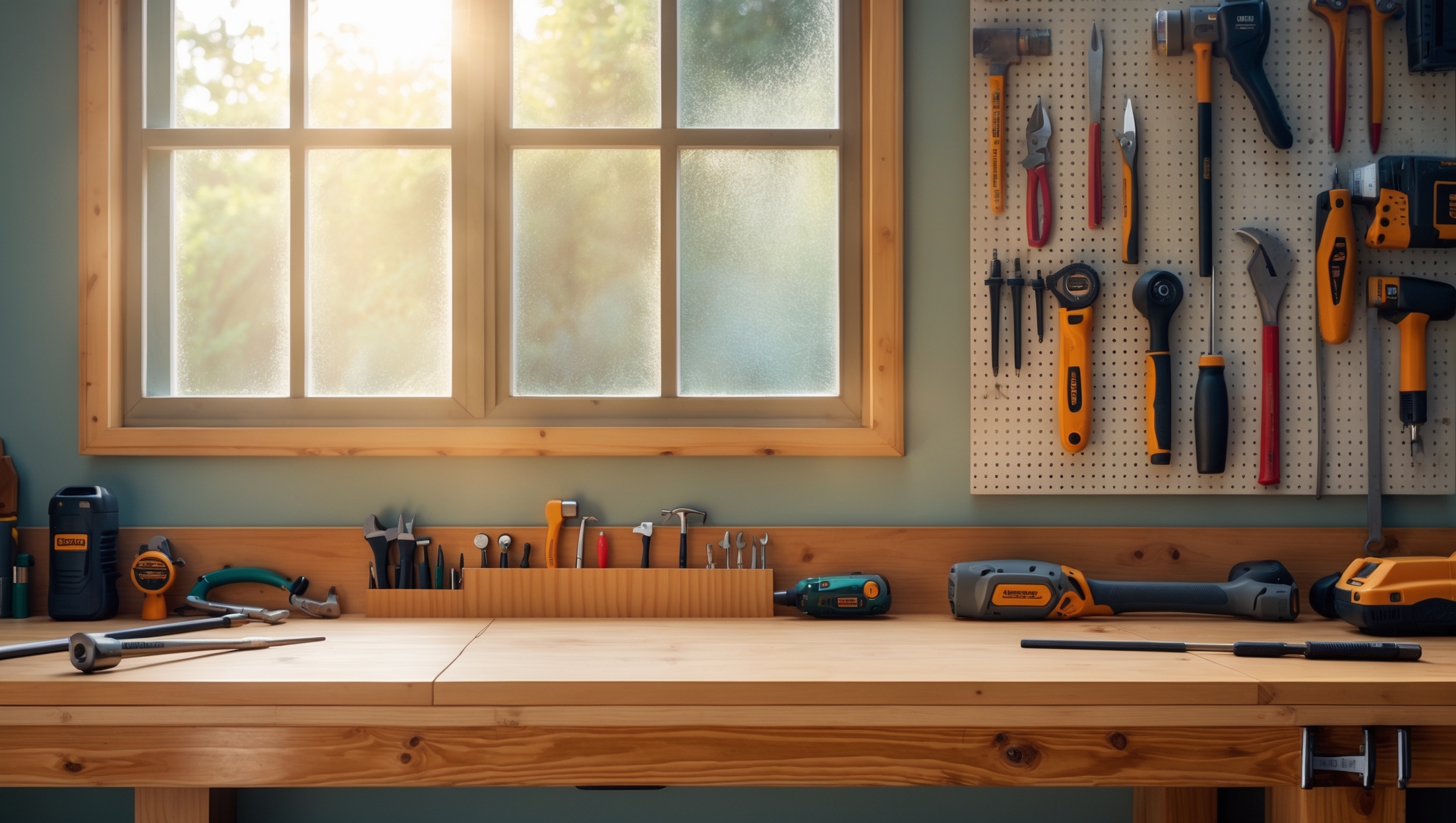
Step-by-Step Guide: Setting Up a Home Workshop for DIY Success

Introduction: Why Every DIYer Needs a Well-Planned Home Workshop
Whether you’re a seasoned DIY enthusiast or just beginning your home improvement journey, having a dedicated, well-organized workshop is transformative. It’s more than just a place to store tools—it’s where creativity, productivity, and safety intersect. A smartly designed home workshop streamlines your projects, reduces frustration, and keeps your tools in good condition, all while minimizing risks. However, many homeowners dive in without a plan, leading to cluttered spaces, misplaced equipment, and even hazardous conditions. By thoughtfully setting up a workshop, you’ll create an environment that inspires confidence and enables you to tackle repairs, builds, and upgrades efficiently. This comprehensive guide walks you through every step, from planning your space and choosing essential tools to ensuring safety, effective organization, and budgeting. Whether you have a sprawling basement or a compact garage corner, you’ll learn how to maximize your workspace for DIY success.
Choosing the Right Space for Your Workshop
Assessing Available Areas
The first step is identifying the best spot in your home. Ideal workshop locations include:
- Garage: Popular for its space, ventilation, and proximity to outdoor projects.
- Basement: Offers protection from the elements, quieter environment, and stable temperatures.
- Shed or Outbuilding: Great for noisy or dusty work, keeps the mess out of the main living area.
- Spare Room or Utility Room: Suitable for smaller-scale projects or craft-focused tasks.
Consider:
- Size: Even a compact 6’x8’ area can support basic projects.
- Accessibility: Easy access for transporting materials or moving large tools.
- Lighting: Natural light is ideal, but you’ll need ample artificial lighting for precision and safety.
- Ventilation: Essential for activities producing dust, fumes, or odors. Garages and sheds often have better airflow.
- Power Supply: Are there enough outlets? Can you safely run power tools without overloading circuits?
- Noise Considerations: Will your work disturb family or neighbors?
Preparing the Space
Before moving in tools and equipment:
- Clear out clutter and sweep the area clean.
- Address moisture issues (especially in basements or garages).
- Install or upgrade electrical outlets and lighting as needed.
- Plan for future expansion—leave space for new tools or storage.
Workbenches: The Heart of the Workshop
Selecting the Right Workbench
A sturdy, flat surface is non-negotiable. Options include:
- Pre-made Workbenches: Available at home improvement stores in various sizes and price points.
- DIY Workbenches: Customizable to your needs; plenty of plans online for all skill levels.
- Foldable or Wall-Mounted Benches: Great for tight spaces—fold away when not in use.
Important features:
- Solid wood or heavy-duty steel construction
- Height (30-36 inches is standard; adjustable legs are a plus)
- Integrated storage options (drawers, shelves, pegboards)
Workbench Placement
Position your bench:
- Near outlets for easy tool use
- Close to a window for natural light, if possible
- With enough clearance around all sides (ideally 3 feet minimum)
Essential Tools: Building Your Collection
Must-Have Hand Tools
- Hammer: Claw or framing style for basic carpentry
- Screwdrivers: Flathead and Phillips in multiple sizes
- Tape Measure: At least 25 feet
- Utility Knife: For precise cuts
- Pliers: Standard, needle-nose, and locking
- Adjustable Wrench: For bolts and plumbing
- Level: 24-inch or longer for accuracy
- Set of Chisels: For woodworking or scraping
- Handsaw: For quick, small cuts
Power Tools for Productivity
- Cordless Drill/Driver: Versatile for drilling and driving screws
- Circular Saw: Essential for cutting wood, plywood, and more
- Jigsaw: Great for curves and detailed cuts
- Orbital Sander: Smooths surfaces for finishing projects
- Shop Vacuum: Keeps dust and debris under control
Start with basics and add specialty tools (miter saw, router, nail gun) as your skills and projects evolve.
Tool Storage and Organization
Efficient storage saves time and frustration. Consider:
- Pegboards: Hang frequently used tools for easy access.
- Wall-Mounted Racks: Store larger items like clamps, saws, or levels.
- Drawer Units: For small hand tools, drill bits, fasteners.
- Mobile Tool Carts: Move your kit to different project areas.
- Label Everything: Use bins and labels to keep hardware sorted.
Optimizing Lighting and Electrical Setup
Lighting for Safety and Precision
Good lighting is essential for both safety and quality work. Combine these options:
- Overhead LED Fixtures: Bright, energy-efficient, minimal shadows.
- Task Lighting: Adjustable desk lamps or under-shelf lights above the workbench for detailed work.
- Portable Work Lights: For illuminating hard-to-reach spots.
Electrical Considerations
- Install GFCI outlets, especially in garages and basements, for safety.
- Have at least two dedicated 20-amp circuits for power tools.
- Use heavy-duty extension cords only as a temporary solution.
- Don’t overload outlets; use surge-protected power strips where needed.
Workshop Safety: Best Practices and Essential Gear
Personal Protective Equipment (PPE)
- Safety Glasses or Goggles: Protect against flying debris.
- Hearing Protection: Earplugs or earmuffs for power tool use.
- Dust Masks/Respirators: Essential for sanding, cutting, or painting.
- Work Gloves: Shield hands from cuts and splinters.
- Steel-Toed Boots: If you’ll be handling heavy materials.
Fire and Chemical Safety
- Keep a Class ABC fire extinguisher within easy reach.
- Store flammable liquids (paints, solvents) in a dedicated, ventilated cabinet.
- Never block exits with materials or tools.
- Install smoke and carbon monoxide detectors if your workshop is enclosed.
General Safety Practices
- Keep the floor clear of cords, spills, and debris.
- Secure loose clothing and tie back long hair during work.
- Maintain sharp, well-functioning tools to reduce accidents.
- Read manuals and follow manufacturer safety instructions for all tools.
- Have a fully stocked first aid kit accessible.
Organization and Workflow: Designing for Efficiency
Layout Principles
- Position the workbench as the central hub.
- Store frequently used tools within arm’s reach of the bench.
- Keep bulky, less-used equipment further away or on mobile bases.
- Designate zones for cutting, assembly, sanding, and finishing if space allows.
- Leave open pathways to avoid tripping hazards and ensure smooth movement.
Vertical and Mobile Storage Solutions
- Use wall-mounted shelves and overhead racks for materials (lumber, fasteners).
- Install hooks for extension cords, hoses, and ladders.
- Consider rolling workbenches or carts for flexibility in tight spaces.
Material Management
- Store raw materials (wood, metal, pipe) flat and off the floor.
- Use labeled bins for screws, nails, and small hardware.
- Keep a dedicated scrap bin for reusable offcuts.
Budgeting for Your Home Workshop
Setting a Realistic Budget
Start with essentials, then expand as needs and skills grow. Budget considerations:
- Workbench: $100–$400 (DIY or store-bought)
- Basic Hand Tools: $150–$300 for a starter set
- Power Tools: $300–$700 (drill, saw, sander, vacuum)
- Storage Solutions: $100–$300 (pegboards, shelves, bins)
- Lighting & Electrical: $100–$300 (fixtures, outlets, wiring)
- Safety Gear: $50–$150 for basic PPE
Total starting investment: $800–$2,000 for a robust beginner setup.
Money-Saving Tips
- Buy quality tools gradually rather than cheap sets that wear out quickly.
- Look for used tools at estate sales or reputable online marketplaces.
- Repurpose furniture or cabinets for storage.
- Join local tool libraries or makerspaces for occasional specialty tool use.
Maintaining Your Workshop for Long-Term Success
Routine Upkeep
- Return tools to their place after every project.
- Wipe down benches and sweep floors weekly to prevent buildup.
- Inspect tools for wear and damage before use.
- Sharpen blades and drill bits regularly.
- Check electrical cords and outlets for fraying or overheating.
Periodic Deep Cleaning and Reorganization
- Every 3-6 months, review your tool and material inventory.
- Donate or sell duplicates and rarely used items.
- Reassess the layout—adjust as your projects or tool collection grow.
Conclusion: Your Workshop, Your DIY Foundation
Setting up a home workshop isn’t just about accumulating tools—it’s about creating a space that empowers you to solve problems, build with confidence, and take pride in your home improvement projects. Whether you’re repairing a leaky faucet, crafting custom furniture, or tackling ambitious renovations, a well-designed workshop is a foundation for success. Start by choosing and preparing the right space, invest in quality essentials, and prioritize safety and organization. As your skills and ambitions grow, your workshop will evolve with you, becoming a hub for creativity and a haven for productive weekends. Remember, the best workshops are built over time—don’t rush the process or try to buy everything at once. Focus on functionality, comfort, and safety. With the right approach, your workshop will not only save you time and money but also bring a sense of accomplishment to every project you complete. Here’s to building, fixing, and creating with confidence—one project at a time.
When setting up a workshop in a basement, what’s the best way to improve ventilation when windows aren’t an option? I do a lot of woodworking and am concerned about dust buildup and fumes from finishes.
In a basement without windows, using a combination of a high-quality air filtration system and a dedicated exhaust fan can greatly improve ventilation. Install an air purifier with a HEPA filter to capture fine dust, and consider a portable fume extractor for dealing with finishes. You can also use flexible ducting to vent fumes outside through an existing vent or small wall opening if possible. Be sure to regularly clean filters and keep your workspace tidy to minimize dust buildup.