
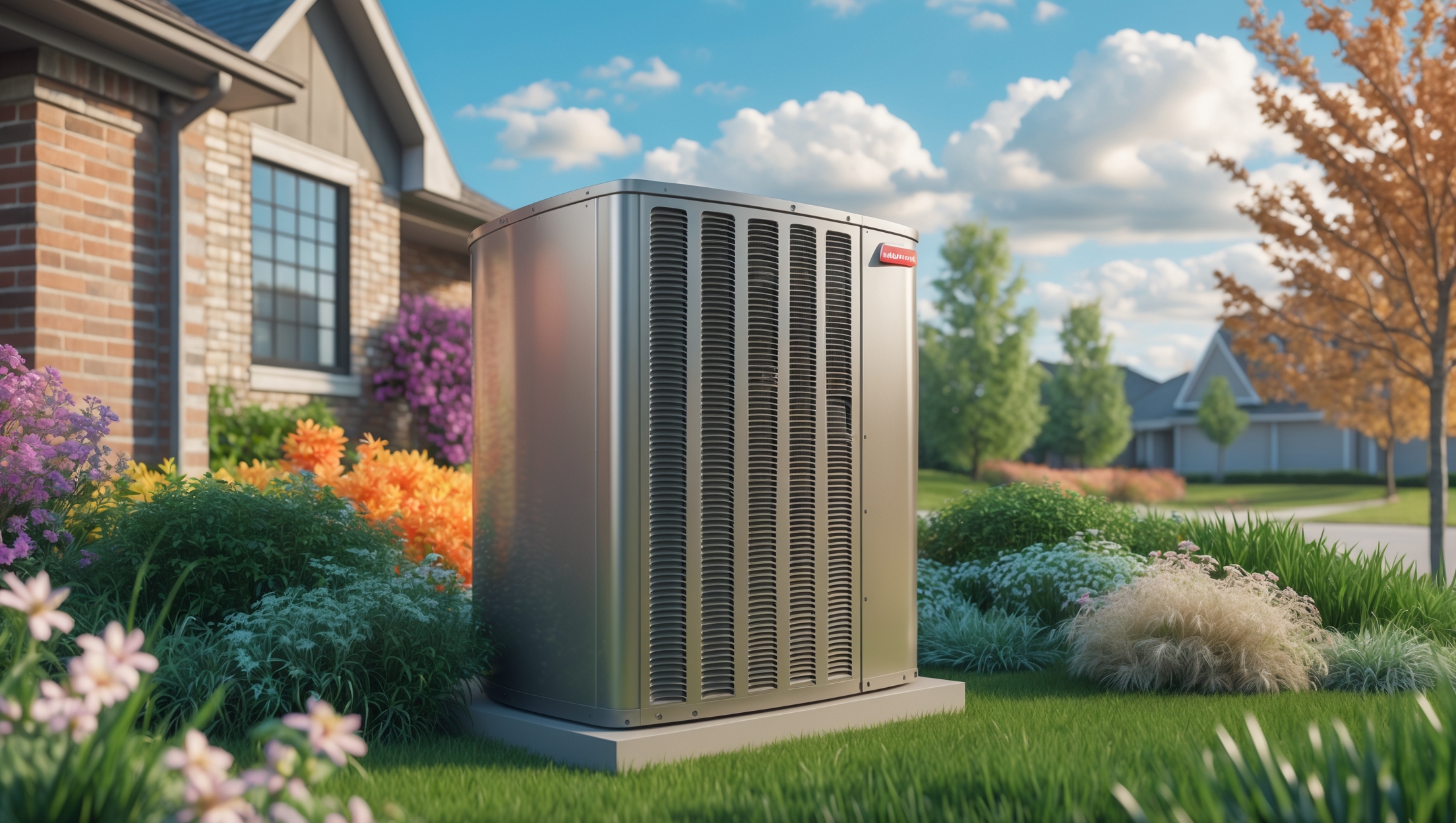
Seasonal HVAC Maintenance Checklist: Stay Comfortable Year-Round

Introduction: Why Seasonal HVAC Maintenance Matters
Heating, ventilation, and air conditioning (HVAC) systems are the backbone of home comfort, but they’re often overlooked until something goes wrong—usually at the worst possible time. Proper, timely maintenance isn’t just about avoiding breakdowns; it’s about optimizing efficiency, reducing energy bills, extending the lifespan of your equipment, and ensuring your home’s air quality. A well-maintained HVAC system can save homeowners hundreds of dollars each year and can prevent costly emergency repairs. This guide provides a detailed, season-by-season checklist designed for both DIY enthusiasts and those who prefer to work with professionals. Whether you’re a first-time homeowner or a seasoned renovator, you’ll find practical advice, compliance considerations, and specific, actionable steps to keep your system running smoothly all year long.
Spring HVAC Maintenance: Prepare for Rising Temperatures
1. Replace or Clean Air Filters
Start spring by replacing or cleaning your HVAC filters. Clogged filters strain your system, reduce air quality, and increase energy consumption. Check manufacturer recommendations, but most filters should be replaced every 1-3 months, especially after heavy winter use.
2. Inspect and Clear Outdoor Units
Winter debris—leaves, branches, dirt—often accumulates around your condenser unit. Turn off the power and clear a 2-foot radius around the unit. Gently hose off coils and fins, being careful not to bend them.
3. Check Thermostat Settings
Test your thermostat. Switch it to cooling mode and verify the system responds. Consider upgrading to a programmable or smart thermostat if you haven’t already; these can significantly improve comfort and efficiency.
4. Examine Ductwork
Look for visible signs of disconnected, crushed, or leaky ducts in attics, crawlspaces, or basements. Minor leaks can sometimes be sealed with mastic or foil tape. Major issues may require a professional duct inspection and sealing.
5. Schedule a Professional Inspection
Spring is the ideal time for a professional HVAC tune-up. Technicians will check refrigerant levels, test electrical components, clean coils, and inspect for wear. Most companies offer spring specials—compare prices and confirm licensing and insurance before scheduling.
- Pro Tip: Keep a maintenance log with dates and details of all work performed. This is invaluable for warranty claims and future repairs.
Summer HVAC Maintenance: Beat the Heat Efficiently
1. Monitor System Performance
As temperatures climb, pay attention to how quickly your system cools your home and listen for unusual noises or vibrations. Poor performance may indicate low refrigerant, dirty coils, or a failing component.
2. Inspect Drain Lines and Pans
Air conditioners remove humidity, which drains through a condensate line. Blocked drains can cause water damage and mold. Flush the line with a mixture of vinegar and water every few months and check for leaks or standing water in the drain pan.
3. Clean or Replace Filters (Again!)
With heavy summer use, filters clog faster. Check and replace or clean filters monthly.
4. Shade and Ventilation
Ensure that the outdoor condenser unit has adequate shade but is not obstructed. Indoors, use ceiling fans and close blinds during the hottest part of the day to reduce the load on your HVAC system.
5. Watch for Ice or Frost on Coils
If you see ice buildup on the refrigerant line or coils, turn off the unit and let it thaw. Persistent icing signals airflow or refrigerant issues—call a professional, as continued operation can damage the compressor.
- Pro Tip: Record your energy usage and compare it to previous summers. Spikes may point to an efficiency issue needing attention.
Autumn HVAC Maintenance: Ready Your System for Cold Weather
1. Replace or Clean Filters (Yes, Again!)
Starting each season with a fresh filter is one of the simplest, most effective ways to maintain your HVAC system.
2. Inspect and Test the Heating System
Turn on your furnace or heat pump before the first cold snap. Listen for abnormal noises, check for odd smells (a brief dusty odor is normal initially), and verify that warm air is coming from the vents.
3. Inspect Exhaust Vents and Flues
For gas or oil furnaces, ensure exhaust vents and flues are clear of debris, nests, or blockages. Proper venting is critical to prevent carbon monoxide buildup.
4. Check Carbon Monoxide and Smoke Detectors
Test all detectors, replace batteries if needed, and confirm units are less than 10 years old. Heating season is when CO risk is highest.
5. Adjust Thermostat Programming
Set your thermostat for efficient heating schedules, lowering the temperature at night or when the house is empty. Smart thermostats can automate this for you.
- Pro Tip: Schedule a furnace inspection before peak season. Many companies offer pre-winter discounts for early bookings.
Winter HVAC Maintenance: Keep Warm and Safe
1. Monitor System Operation
Pay close attention to how quickly your home heats, any odd sounds, and your energy bills. Sudden drops in performance could indicate problems needing professional attention.
2. Clear Snow and Ice from Outdoor Units
For heat pumps or dual-fuel systems, ensure snow or ice doesn’t block the outdoor unit. Gently clear accumulations to maintain airflow and prevent damage.
3. Humidity Control
Heated winter air can become very dry. Use a humidifier if necessary and monitor indoor humidity levels (ideally 30-50%). Too much humidity can cause condensation and mold; too little leads to static and respiratory discomfort.
4. Replace Filters (Monthly in Heavy Use)
Frequent filter changes are especially important in winter, when homes are sealed and dust accumulates more quickly.
5. Emergency Preparedness
Have a plan for power outages or system failure in extreme cold. Know where your main shut-offs are and keep contact info for local HVAC technicians handy.
- Pro Tip: If you leave home for extended periods, set your thermostat no lower than 55°F (13°C) to prevent frozen pipes.
DIY vs. Professional HVAC Maintenance: What to Know
Tasks Homeowners Can Safely Handle
- Regular filter changes
- Clearing debris from outdoor units
- Checking thermostat settings
- Flushing condensate drain lines
- Visual ductwork inspections
- Testing alarms and changing batteries
When to Call a Professional
- Annual (or biannual) system tune-ups
- Refrigerant issues or low cooling capacity
- Electrical repairs or component replacement
- Duct sealing or complex duct repairs
- Persistent leaks, water damage, or unusual noises
- Gas furnace or carbon monoxide concerns
Cost Breakdown: What to Expect
- DIY filter replacement: $10-$40 per filter, every 1-3 months
- Professional tune-up: $80-$200 per visit; some companies offer seasonal packages
- Duct cleaning (if needed): $300-$500
- Major repairs (compressor, heat exchanger): $500-$2,000+
Spending a few hundred dollars annually on maintenance can prevent thousands in emergency repairs and extend the life of your system by years.
Compliance, Permits, and Safety Essentials
Permits and Inspections
Most routine maintenance (filter changes, cleaning, thermostat programming) does not require permits. However, installing new HVAC equipment, replacing major components, or making ductwork alterations often does. Always check with your local building department. Permits ensure work meets safety and efficiency standards, and unpermitted work can void warranties or complicate home sales.
Insurance Considerations
Homeowner’s insurance typically covers sudden, accidental HVAC damage (like a tree falling on your condenser) but not wear and tear or neglect. Keep maintenance records to help with any claims related to equipment failure.
Safety Checklist
- Always turn off power before opening HVAC panels or working near moving parts
- Wear gloves and eye protection when handling filters or cleaning coils
- Never attempt refrigerant repairs unless EPA-certified; improper handling is hazardous and illegal
- Check for gas or carbon monoxide leaks immediately if you smell gas or your CO detector sounds
- Keep all HVAC areas clear of flammable materials
Seasonal Maintenance Calendar: At-a-Glance
- Spring: Filters, outdoor unit cleaning, thermostat check, duct inspection, professional tune-up
- Summer: Monitor performance, clear drains, filters, shade condenser, check for ice
- Autumn: Filters, heating system test, inspect vents/flues, test detectors, adjust thermostat, schedule furnace check
- Winter: Monitor operation, remove snow from units, check humidity, filters, emergency plan
Conclusion: Invest in Comfort, Efficiency, and Peace of Mind
Consistent, seasonally-appropriate HVAC maintenance is a small investment with significant rewards: lower utility bills, improved air quality, and reliable comfort regardless of what the weather brings. By following the practical checklists outlined in this guide, homeowners can avoid the most common pitfalls—like overlooked filters, blocked drains, or lapsed tune-ups—that lead to breakdowns and expensive repairs. Maintaining a record of your efforts not only helps with warranty and insurance claims, but also demonstrates care and responsibility to future buyers should you ever sell your home.
Remember, while many HVAC tasks are simple enough for DIY, there’s no substitute for a professional inspection at least once a year—especially before peak heating or cooling seasons. Local codes and manufacturer warranties often require it. Always prioritize safety; if you’re ever unsure about a task, call a licensed technician. With a little knowledge, preparation, and the right seasonal routine, you can ensure your system runs smoothly and efficiently for years to come. Stay comfortable, stay safe, and enjoy the peace of mind that comes from proactive home maintenance.