
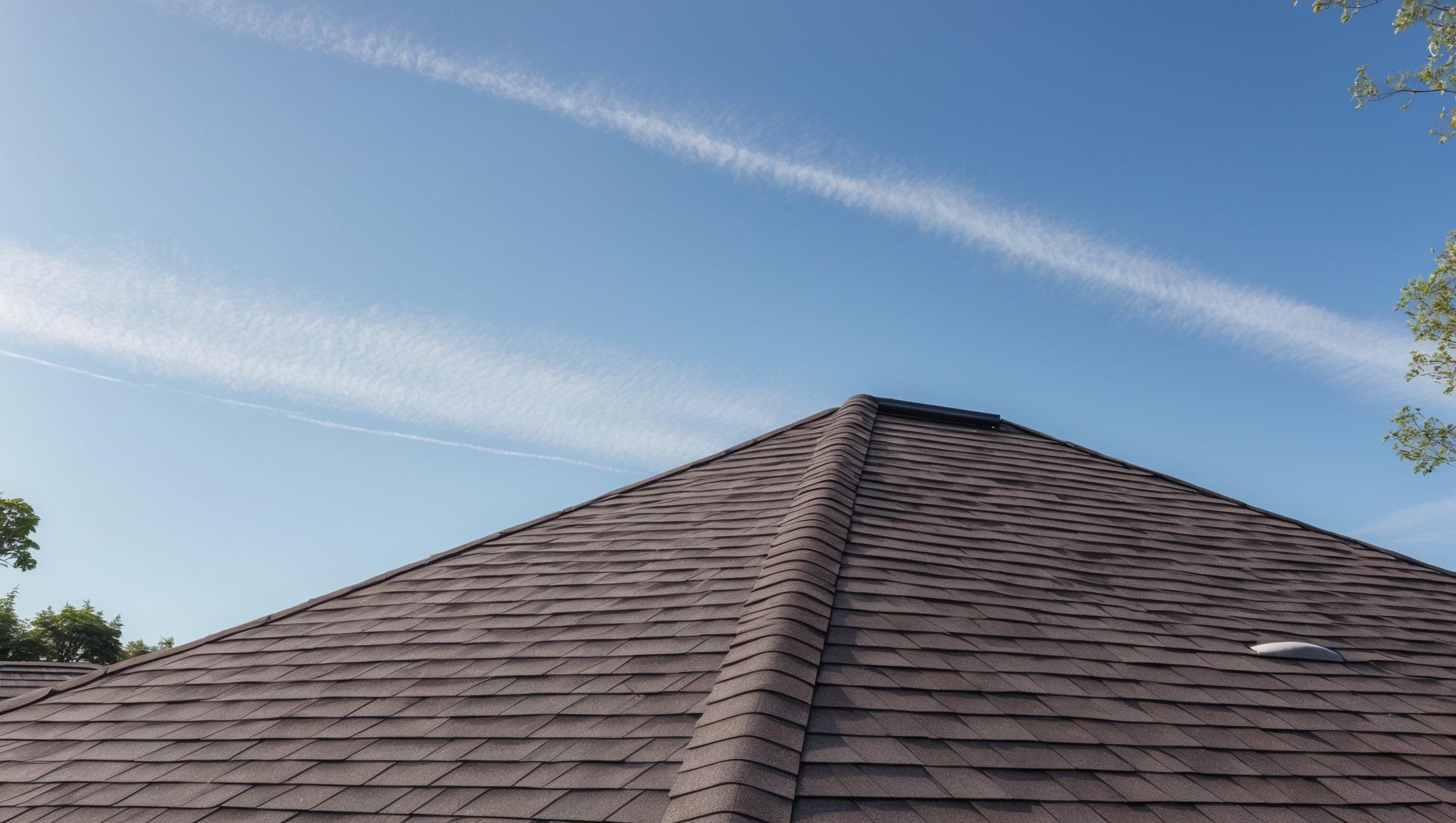
Roof Maintenance Best Practices: Extend Lifespan, Prevent Costly Repairs

Introduction: Why Roof Maintenance Deserves Top Priority
Your roof is your home’s first line of defense against rain, wind, sun, and snow. Yet, it’s often the most neglected component—until a leak stains your ceiling or a storm tears off shingles. Proactive roof maintenance is rarely glamorous, but it’s essential if you want to protect your investment, maintain curb appeal, and avoid sudden, expensive repairs. Neglecting regular upkeep can turn minor issues into major headaches: water damage, mold growth, compromised insulation, and even structural problems. For homeowners who want to maximize their roof’s lifespan and minimize repair costs, understanding and applying roof maintenance best practices is non-negotiable. In this comprehensive guide, we’ll break down practical, actionable steps you can take—regardless of your roof type or climate—to keep your home safe, dry, and looking sharp.
Understanding Your Roof: Types and Vulnerabilities
Common Residential Roof Types
- Asphalt Shingles: Most common and affordable, but prone to curling and granule loss over time.
- Metal Roofs: Durable, fire-resistant, and often recyclable, but fasteners and seams can be weak points.
- Clay or Concrete Tiles: Long-lasting and attractive, but heavy and prone to cracking if walked on.
- Wood Shingles/Shakes: Classic appeal, but susceptible to moss, rot, and fire if not maintained.
- Slate: High-end, extremely durable, but heavy and expensive to repair if broken.
Key Vulnerability Zones
- Valleys (where two roof planes meet)
- Flashing around chimneys, vents, and skylights
- Gutters and downspouts
- Ridge caps and edges
- Areas under overhanging trees
Understanding your roof’s specific materials and weak points is the first step toward effective maintenance and prevention.
Essential Tools and Safety Equipment
- Sturdy extension ladder with stabilizer arms
- Non-slip shoes or boots
- Work gloves and safety glasses
- Roofing harness (especially for slopes over 4:12 pitch)
- Leaf blower or soft-bristle broom
- Garden hose with spray nozzle
- Putty knife or trowel (for cleaning gutters)
- Binoculars (for ground-level inspection)
- Caulking gun with roofing sealant
- Flat pry bar (for minor shingle repairs)
Never compromise on safety. If your roof is steep, slippery, or damaged, hire a professional for inspection and repairs.
Step-by-Step Roof Inspection
Frequency
Inspect your roof at least twice a year—preferably in spring and fall—and after major storms.
Exterior Inspection Checklist
- Visible cracks, curling, or missing shingles/tiles
- Loose or damaged flashing around roof penetrations
- Accumulated debris (leaves, branches, moss, algae)
- Rust spots on metal roofs or flashing
- Deteriorating caulk or sealant
- Sagging or uneven roof lines
- Granule buildup in gutters (a sign of shingle wear)
Interior Inspection Checklist
- Water stains on ceilings or walls
- Mold or mildew odors in attic spaces
- Daylight visible through roof boards
- Damp insulation or wood framing
Document any issues with photos and notes. Early detection is key to affordable repairs.
Routine Cleaning: A Simple Habit with Big Benefits
Clearing Debris
Remove leaves, pine needles, and branches from the roof surface and gutters. Blocked gutters cause water to back up, leading to rot and leaks. Use a leaf blower or broom for the roof and a garden hose for gutters—but avoid high-pressure washers, which can damage shingles.
Removing Moss and Algae
Moss retains moisture, hastening shingle deterioration. Remove it with a 50:50 mix of water and chlorine bleach, gently applied with a sprayer. Rinse thoroughly. Install zinc or copper strips near the ridge to help prevent regrowth.
Addressing Small Repairs Before They Grow
Replacing Damaged Shingles or Tiles
Carefully lift the damaged unit and remove nails with a pry bar. Slide in a new shingle or tile, fasten securely, and seal with roofing cement. For metal panels, tighten or replace loose fasteners and seal seams.
Fixing Flashing and Sealant Failures
Loose or corroded flashing is a leading cause of leaks. Remove old caulk, clean the area, and reapply exterior-grade sealant. Replace flashing if it’s bent or rusted through.
Clearing and Securing Gutters
Ensure gutters and downspouts are firmly attached and sloped to drain. Patch small holes with gutter sealant. Install gutter guards if falling debris is a recurring issue.
Seasonal Maintenance Strategies
Spring
- Inspect for winter storm damage
- Clean all debris from roof and gutters
- Check for algae/moss and treat as needed
Summer
- Trim overhanging branches to prevent damage
- Ensure attic is properly ventilated to minimize heat buildup
- Look for loose or blistered shingles after hot spells
Fall
- Remove fallen leaves and thoroughly clean gutters
- Inspect flashing and sealant before winter rains/snow
- Check for animal nests in attic and under eaves
Winter
- After heavy snow, remove excess buildup to prevent ice dams (use a roof rake from the ground, never climb onto a snowy roof)
- Monitor attic for leaks or condensation
- Stay alert for signs of sagging or stress after storms
Preventing Major Problems: Pro Tips and Upgrades
Upgrade Ventilation and Insulation
Poor attic ventilation leads to heat and moisture buildup, damaging shingles and causing ice dams. Ensure soffit and ridge vents are clear and consider adding insulation to R-38 or higher to reduce energy loss and condensation.
Install Drip Edges and Ice/Water Shields
Drip edges direct water away from the fascia and help prevent rot. Ice and water shield membranes installed in valleys and at eaves provide extra leak protection in climates with freeze-thaw cycles.
Consider Impact-Resistant Shingles
In hail-prone or stormy regions, Class 4 impact-resistant shingles offer superior durability and may qualify for insurance discounts.
Knowing When to Call the Pros
- Your roof is steep, multi-story, or has complex features
- You notice widespread damage, sagging, or structural issues
- There is persistent leaking despite your repairs
- Major storm damage (hail, wind, fallen trees) has occurred
Professional roofers can do a thorough inspection, provide written estimates, and ensure repairs meet local codes and manufacturer warranties. Always verify licensing, insurance, and references.
Maintenance Tracking and Documentation
Log all inspections, cleaning, repairs, and upgrades with dates and photos. This documentation is invaluable for warranty claims, insurance, and when selling your home. Use a simple spreadsheet or dedicated home maintenance app.
Roof Maintenance Myths—Debunked
- “Roofs don’t need attention until they leak.” — By the time water intrudes, damage is already extensive. Preventive care is far less costly.
- “Power washing is the best way to clean a roof.” — High-pressure water strips granules and can void warranties. Stick to gentle cleaning methods.
- “All roof repairs are DIY-friendly.” — Some fixes are safe for handy homeowners, but structural, high, or extensive repairs require expertise.
- “Moss and algae are just cosmetic.” — Moss traps water and accelerates shingle decay, risking leaks and rot.
Cost Breakdown: Budgeting for Roof Maintenance
- Annual Inspection (DIY): Free-$50 (for safety gear and tools)
- Professional Inspection: $150-$400 (depends on roof size/complexity)
- Minor Repairs (shingles, caulk): $50-$300
- Gutter Cleaning: $100-$250 (professional)
- Moss/Algae Removal: $150-$600 (depends on roof size and severity)
- Major Repairs (flashing, leaks): $500-$2,500+
Consistent, small investments in maintenance can save thousands in emergency repairs or premature replacement.
Insurance and Warranty Considerations
Many roof warranties require regular maintenance. Neglect can void coverage. Homeowners’ insurance usually covers sudden storm damage, but not losses due to wear, rot, or lack of upkeep. Keep detailed maintenance records and understand your policy exclusions.
Conclusion: Protect Your Home, Your Wallet, and Your Peace of Mind
Roof maintenance isn’t just a chore—it’s a strategic investment in your home’s longevity, safety, and market value. By following best practices for inspection, cleaning, minor repairs, and seasonal care, you’ll catch problems early and avoid disruptive, expensive surprises. The tools and techniques outlined in this guide empower you to take charge of your roof’s health, whether you’re a hands-on DIYer or prefer to hire pros for complex jobs. Remember, every roof is unique: tailor your approach based on your roof type, age, and local climate. Make maintenance a habit, not a reaction, and you’ll extend your roof’s life, protect your home’s interior, and gain the peace of mind that comes with a well-protected shelter. Start your maintenance plan today—your future self (and wallet) will thank you.