
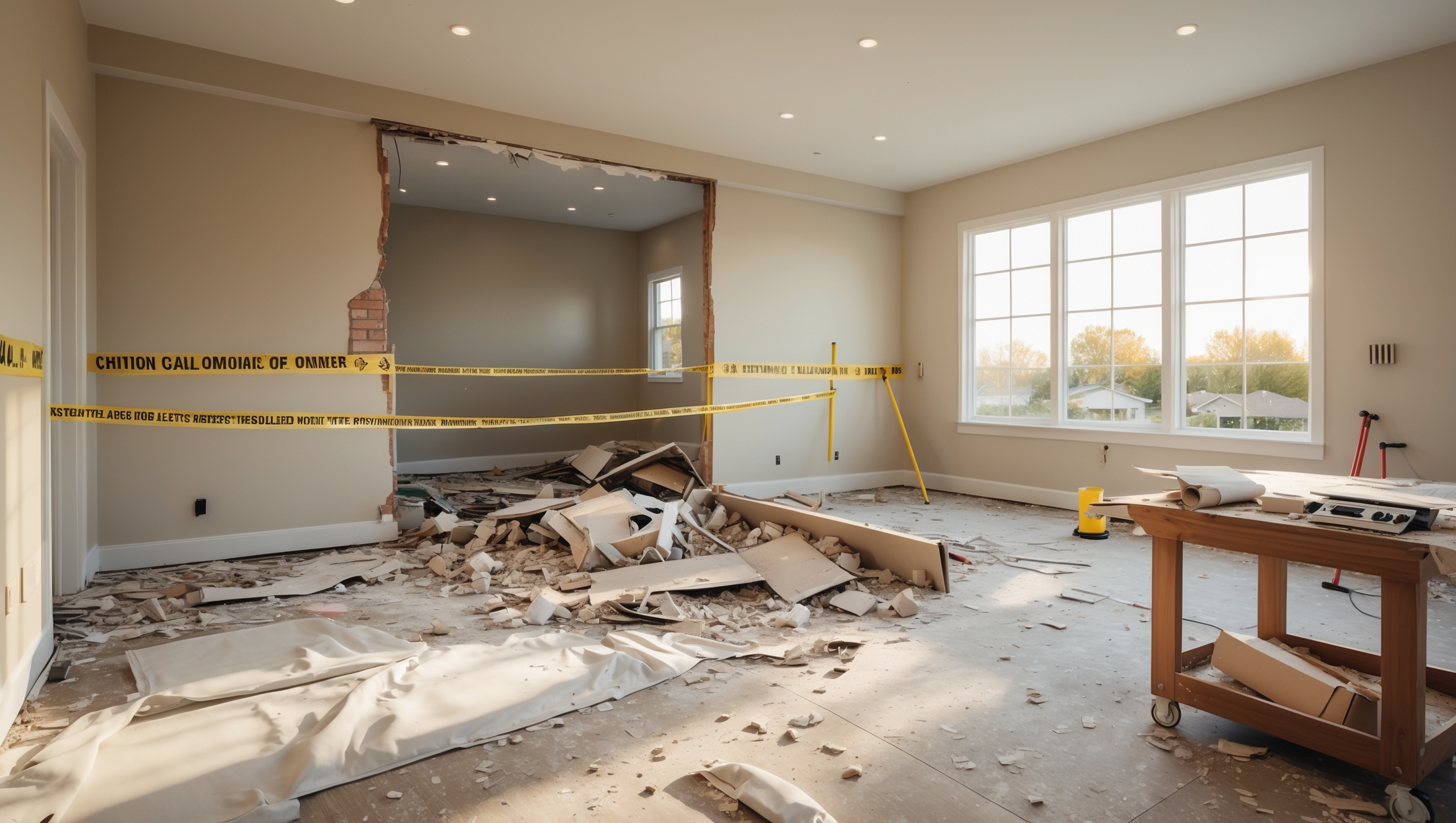
Insurance Essentials for DIY Home Demolition: Cost, Coverage, and Common Pitfalls

Introduction: Why Insurance Matters for DIY Home Demolition
DIY home demolition projects are a tempting way to cut renovation costs and gain hands-on experience. Whether you’re knocking down a non-load-bearing wall or gutting a bathroom, rolling up your sleeves is empowering. But before swinging the first sledgehammer, it’s crucial to understand the insurance risks unique to demolition. Unlike painting or flooring, demolition carries higher risks of injury, property damage, and even legal liability. Many homeowners assume their standard insurance covers any mishaps, only to discover gaps when it’s too late. This guide digs deep into the insurance essentials for DIY demolition: what coverage you need, how much it costs, common mistakes to avoid, and actionable steps to protect your home and finances. By the end, you’ll be equipped to plan demolition safely and legally—without unwelcome surprises.
Understanding the Risks of DIY Home Demolition
Physical Hazards
Demolition work exposes homeowners to a unique set of dangers:
- Structural Collapse: Removing walls or supports can destabilize other areas.
- Hidden Utilities: Accidental strikes to electrical, plumbing, or gas lines can cause fires, flooding, or explosions.
- Debris and Dust: Flying debris and fine dust increase risks for eye injuries and respiratory issues.
Property Damage
Even with careful planning, it’s easy to damage adjoining spaces, shared walls, or essential systems. Water leaks, electrical shorts, and foundation cracks are not uncommon during demolition.
Liability Concerns
If your actions cause damage to a neighbor’s property, injure a bystander, or violate local regulations, you could be held financially responsible. Many homeowners don’t realize that liability from demolition accidents can exceed the value of their home.
Home Insurance: What’s Typically Covered—and What’s Not
Standard Homeowner’s Insurance
Most standard homeowner’s insurance policies provide coverage for sudden, accidental damage—such as fire, theft, or storm damage. However, when it comes to intentional acts like demolition, the waters get murky.
- Covered: Accidental incidents (e.g., tool slips and punctures a pipe, causing water damage), but only if they meet the policy’s terms.
- Not Covered: Damage resulting from “intentional acts” or “negligent construction.” Demolition often falls into this exclusion category.
Exclusions Specific to Demolition
- Intentional Damage: Any damage that results directly from your own demolition efforts may be excluded.
- Unpermitted Work: If your project doesn’t have the required permits, insurers can deny claims even if the damage was accidental.
- Negligence Clauses: Many policies exclude coverage for damage due to improper construction, lack of skill, or code violations.
Key Insurance Types for DIY Demolition Projects
1. Dwelling Under Construction/Builder’s Risk Endorsement
This add-on (sometimes called a “home renovation rider”) extends coverage for homes undergoing significant changes. It can help cover accidental property damage, theft of materials, and sometimes even vandalism related to a project.
- Cost: Typically $500–$2,000 for the duration of the project, depending on scope and location.
- Best for: Large-scale demolition or structural changes.
2. Course of Construction Endorsement
Similar to builder’s risk, this endorsement covers homes during major renovations or demolition. It’s designed for larger projects and must be added before work begins.
3. Increased Liability Coverage
Raising your personal liability limits (often up to $1 million) is wise if you’re taking on risky demolition tasks. This protects you if a neighbor or contractor is injured or property is damaged.
4. Umbrella Insurance
This provides an extra layer of protection above your regular homeowner’s policy, kicking in when liability claims exceed your standard limits.
- Cost: About $150–$300 per year for $1 million in coverage.
- Best for: Homeowners in densely populated areas or with higher-value properties.
5. Workers’ Compensation (If You Hire Help)
Even if you’re doing most of the work, hiring day laborers or casual help can expose you to liability if they’re injured. Some states require you to carry workers’ comp, even for short-term helpers.
Cost Breakdown: Insurance for DIY Demolition
Baseline Costs
- Standard Homeowner’s Policy: Included in annual premium, but coverage is limited for demolition work.
- Builder’s Risk Endorsement: $500–$2,000 per project, depending on home value and scope.
- Umbrella Policy: $150–$300/year for $1 million in extra liability.
- Workers’ Compensation: Varies by state. Expect $200–$800 for short-term, low-wage coverage.
What Affects the Price?
- Project Scope: Full gut renovations cost more to insure than removing a single wall.
- Home Value: Higher-value homes require higher limits.
- Location: Urban and high-risk areas (earthquakes, hurricanes) have higher premiums.
- Duration: Longer projects mean higher insurance costs.
Common Insurance Mistakes in DIY Demolition
1. Not Notifying Your Insurer
Failing to inform your insurance company of planned demolition is one of the top reasons claims are denied. Always call your agent before you begin—even for small projects.
2. Skipping Permits
Insurance companies routinely deny claims for unpermitted work. Even if you believe a permit isn’t needed, check with your local building department and document your findings.
3. Underestimating Project Scope
If you start a ‘small’ demolition that expands, your coverage may not keep up. Always err on the side of caution when explaining your plans to your insurer.
4. Ignoring Exclusions
Read the fine print. Many policies specifically exclude coverage for damage caused by demolition, faulty construction, or code violations. Request a written summary of what is and isn’t covered.
5. Failing to Document Work
Take before, during, and after photos. Keep receipts for materials and tools. In case of a claim, thorough documentation can make the difference between approval and denial.
Practical Steps: Securing the Right Insurance Before Demolition
Step 1: Review Your Current Policy
Request a copy of your current homeowner’s insurance policy. Identify any exclusions related to construction, remodeling, or demolition.
Step 2: Contact Your Agent
Explain your demolition plans in detail. Ask specifically about:
- Builder’s risk or renovation endorsements
- Liability limits
- Coverage for unintentional damage
Step 3: Obtain Necessary Endorsements
If advised, add a builder’s risk or construction endorsement. Raise your liability limits if possible.
Step 4: Confirm Permits and Compliance
Obtain all required local permits and keep them on file. Share copies with your insurance provider if requested.
Step 5: Document Everything
Photograph work areas before, during, and after demolition. Keep a project log noting dates, helpers, and significant events. Store all receipts and permit documents in a secure folder.
Case Study: DIY Bathroom Demolition Gone Wrong
Scenario: A homeowner in a suburban neighborhood decides to remove an old bathroom, saving $2,000 in contractor fees. Confident in their abilities, they neglect to notify their insurer or pull permits. While demolishing a wall, they accidentally rupture a hidden water pipe, resulting in extensive flood damage to the adjacent bedroom and downstairs ceiling. The insurer denies the claim, citing unpermitted work and intentional demolition as the cause. The homeowner faces $18,000 in out-of-pocket repairs.
Lesson: Notifying your insurer and obtaining proper permits is far cheaper than risking denial of a major claim.
Bonus: Insurance Checklist for DIY Demolition
- ✔️ Review current homeowner’s policy for exclusions
- ✔️ Notify insurer of planned demolition
- ✔️ Secure all required city/county permits
- ✔️ Add builder’s risk or renovation endorsement
- ✔️ Increase liability coverage
- ✔️ Document all stages of the project
- ✔️ Save receipts and permit paperwork
Frequently Asked Questions
Does my insurance cover accidental damage during DIY demolition?
It depends on your policy and whether you have the right endorsements. Most standard policies exclude damage resulting from intentional acts like demolition, but accidental, sudden incidents may be covered if you have the proper extensions and permits.
Can I buy insurance for a demolition project after I start?
No. Insurance must be secured before work begins. Most providers will not backdate coverage for projects already underway.
What if I hire a contractor for part of the demolition?
Ensure the contractor is licensed, insured, and provides a certificate of insurance. Your policy may not cover damages or injuries caused by uninsured helpers.
Conclusion: Demolition Done Right—Protecting Your Home and Wallet
DIY home demolition is both thrilling and cost-effective, but it’s far riskier than most homeowners realize. Beyond the obvious hazards of falling debris and power tools, the insurance implications can have lasting financial consequences. Too often, enthusiastic DIYers assume that standard homeowner’s policies will cover any accidents. In reality, exclusions for intentional acts, negligence, and unpermitted work can leave you exposed to enormous out-of-pocket costs.
Securing the right insurance isn’t just a bureaucratic step—it’s your financial safety net. Whether you’re removing a single non-load-bearing wall or gutting an entire room, prudent planning makes all the difference. Start by reviewing your policy, notifying your insurer, and requesting any necessary endorsements. Always obtain permits, document your work meticulously, and increase your liability limits if possible. For larger or riskier projects, consider umbrella or builder’s risk policies to bridge any gaps.
In the excitement of demolition, it’s easy to overlook these steps. But as countless case studies show, a few hours spent on paperwork and phone calls can save you thousands down the line. Don’t let a preventable insurance oversight turn your dream renovation into a financial nightmare. With the right preparation, you can enjoy your DIY demolition project—and the transformation that follows—with confidence and peace of mind.