
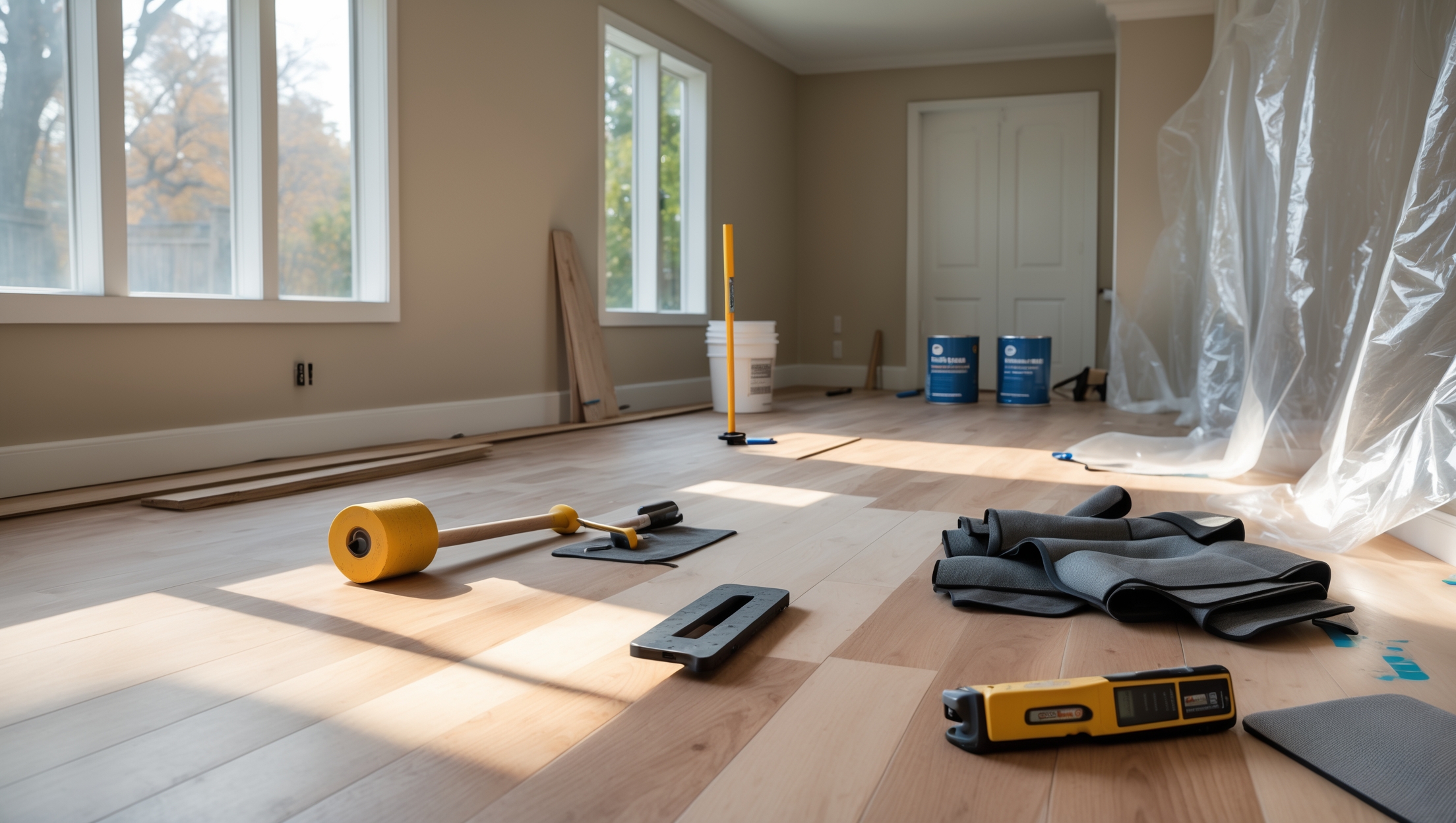
Insurance Essentials for DIY Flooring Projects: Coverage, Claims, and Risk Reduction

Introduction: Why Insurance Matters for DIY Flooring Projects
Taking on a DIY flooring project is a rewarding way to upgrade your home, save on labor costs, and add a personal touch to your living space. However, even the most meticulous homeowners can face unexpected setbacks—think accidental water damage, injuries, or costly mistakes that impact your property value. While you may have researched installation techniques and gathered the right tools, have you considered how your insurance coverage factors into your project? Understanding the nuances of home insurance as it relates to DIY renovations, especially flooring installations, is essential to safeguard your investment and ensure peace of mind both during and after the work. In this comprehensive guide, we’ll break down the types of insurance policies that matter, what’s covered (and what isn’t), common pitfalls homeowners encounter with claims, and practical steps to reduce risk. Whether you’re laying laminate, hardwood, or tile, this article will equip you with the knowledge to make informed decisions and avoid costly surprises.
Types of Insurance Relevant to DIY Flooring Projects
Homeowners Insurance
Most standard homeowners insurance policies offer some level of protection for both the property and the people living there. However, coverage for DIY renovations often comes with exclusions or limitations. It’s crucial to understand how your policy addresses accidental damage, liability for injuries, and coverage of materials and tools during your flooring project.
- Dwelling Coverage: Protects the structure of your home against certain perils, but may not cover faulty workmanship or damage caused during renovations.
- Personal Property Coverage: Covers your belongings, which may include tools and materials, but often only for named perils such as fire or theft.
- Liability Protection: Provides coverage if someone is injured on your property, but may be limited if the injury occurs during construction or due to code violations.
Builder’s Risk Insurance
If you’re undertaking a major flooring overhaul—especially as part of a larger renovation—consider a builder’s risk policy. This specialized insurance covers property and materials during construction, including theft, vandalism, and certain accidental damages. Policies can be purchased for short durations matching your project timeline.
Umbrella Insurance
For added peace of mind, an umbrella policy extends liability coverage beyond your standard homeowners insurance. This can be especially valuable if you have frequent visitors or are working in multi-family dwellings where the risk of unintended damage is higher.
What’s Typically Covered—and What’s Not
Common Covered Scenarios
- Accidental Damage: If your new flooring is damaged by a covered peril (e.g., burst pipe, fire) after installation, homeowners insurance generally applies.
- Theft or Vandalism: Loss of materials or tools due to theft or vandalism, but only if these items are stored securely and the policy includes such coverage.
- Personal Liability: Injuries to guests resulting from temporary hazards—if you’ve taken reasonable precautions and followed code requirements.
Common Exclusions
- Faulty Workmanship: Damage resulting from improper installation or use of incorrect materials is almost always excluded.
- Wear and Tear: Gradual damage or deterioration over time is not covered.
- DIY-Related Injuries: Medical costs for injuries you or your household members sustain are not covered; homeowners insurance typically only covers guests.
- Non-Permitted Work: Any work completed without required permits or not up to code may void coverage for related claims.
Key Insurance Terms Homeowners Should Know
- Deductible: The out-of-pocket amount you must pay before insurance kicks in.
- Actual Cash Value (ACV): The depreciated value of flooring materials at the time of damage.
- Replacement Cost: The amount it would cost to replace damaged flooring with new materials of like kind and quality.
- Endorsement: An added provision or amendment to your policy that can expand or limit coverage specific to renovations or valuable materials.
Preparing for Your DIY Flooring Project: Insurance Checklist
1. Review Your Existing Policy
Before you purchase a single plank or tile, carefully read your homeowners insurance policy. Focus on sections related to renovations, exclusions, and liability. If the language is unclear, contact your insurance agent for clarification.
2. Notify Your Insurance Provider
Many insurers require notification before any significant home improvement. Failing to inform them could jeopardize future claims. Provide details about the scope of work, materials, and timeline.
3. Verify Permit and Code Requirements
Check with your local municipality to determine if your flooring project requires permits. Insurance may not honor claims for damages resulting from non-permitted or non-compliant work.
4. Consider Temporary Insurance Adjustments
If your project increases the value of your home or adds significant risk (e.g., removing structural elements), discuss coverage increases or endorsements with your agent.
5. Document the Process
- Take before, during, and after photos of the work area.
- Keep receipts for all materials and tool rentals.
- Retain copies of permits and inspection reports.
Common Insurance Mistakes DIYers Make
- Not Disclosing Renovations: Failing to inform your insurer can result in denied claims or dropped coverage.
- Ignoring Permit Requirements: Skipping permits may save time upfront but can void insurance protection.
- Assuming All Materials are Covered: Specialty flooring (e.g., imported hardwood or radiant heating systems) may require policy endorsements.
- Overlooking Third-Party Risks: If friends or helpers are injured, your liability may be limited unless you have adequate coverage.
How to File a Flooring-Related Insurance Claim
Step 1: Assess the Damage
Document all damage with photos and written notes. Identify the cause and whether it falls under a covered peril.
Step 2: Contact Your Insurer Promptly
Report the incident as soon as possible. Provide all required documentation, including receipts, photos, and permit records.
Step 3: Cooperate with Inspections
Your insurer may send an adjuster to inspect the damage. Be prepared to explain the installation process, show code compliance, and provide proof of purchase for materials.
Step 4: Understand Settlement Options
Claims may be settled based on actual cash value or replacement cost. Review your policy to know what to expect and ask questions if needed.
Step 5: Dispute Resolution
If you disagree with the settlement, most insurers offer an appeals process. You may also hire an independent adjuster for a second opinion.
Risk Reduction: Practical Tips for Safer DIY Flooring
- Follow Manufacturer Instructions: Improper installation increases the risk of damage and voids warranties.
- Use Proper Tools and Safety Gear: Invest in knee pads, dust masks, and safety goggles to prevent injuries.
- Maintain a Clean Work Area: Clear debris and secure tools to prevent tripping hazards.
- Store Materials Securely: Keep flooring and adhesives in a dry, locked area to avoid damage or theft.
- Inspect for Hazards: Check for hidden pipes or wiring before removing old flooring to prevent accidental damage.
- Have Emergency Contacts Ready: Know how to quickly contact your insurer and local emergency services.
Case Study: When DIY Flooring Goes Wrong (and How Insurance Helped)
Consider the case of a homeowner who attempted to install engineered hardwood flooring in their basement. Despite careful planning, they neglected to install a moisture barrier. After heavy rains, water seeped in and warped the new boards. Because the homeowner had informed their insurer about the renovation and obtained proper permits, the resulting water damage was covered under their policy. Their claim was settled based on replacement cost (since they had that endorsement), minus the deductible. The key factors in their successful claim were documentation, code compliance, and proactive communication with their insurer.
Expert Q&A: Insurance Agents Answer Common DIY Flooring Questions
Q: Will my insurance cover mistakes I make during installation?
A: No. Most homeowners insurance policies explicitly exclude coverage for damage caused by faulty workmanship or installation errors. Hiring a licensed contractor for complex tasks may be wise for high-value floors.
Q: Are my tools and materials insured during the project?
A: Only for specific perils like fire or theft, and usually only if stored securely. Consider a builder’s risk endorsement for higher-value projects.
Q: What if someone helps me and gets hurt?
A: Your liability coverage may apply if a guest is injured due to a clear hazard, but most policies exclude injuries to household members or hired laborers.
Conclusion: Making Insurance Work for Your DIY Flooring Success
Embarking on a DIY flooring project is a fantastic way to add beauty and value to your home, but it’s not without risk. Understanding how insurance intersects with your renovation plans is one of the smartest steps you can take to protect both your finances and your peace of mind. By carefully reviewing your existing policy, discussing planned upgrades with your insurer, and ensuring all work is compliant with local codes, you not only reduce the chance of costly mishaps but also streamline the claims process should something go wrong. Remember that insurance is not a substitute for best practices: always follow safety guidelines, document your work, and don’t cut corners on permits or quality materials. The right coverage, paired with thorough preparation and a clear understanding of your responsibilities, lets you focus on what matters—creating a beautiful, lasting floor that enhances your home for years to come. With these insurance essentials in hand, your DIY flooring project is set for success, free from unexpected setbacks or costly oversights.
If I accidentally cause water damage to a neighboring unit during a DIY flooring install in a condo, would my homeowners insurance’s liability protection still apply, or would there be specific exclusions because the damage occurred during renovations?
Homeowners insurance liability protection often covers accidental damage to neighboring units, including water damage, but policies can have exclusions for incidents arising from renovations or construction work. It’s important to review your specific policy, as some may reduce or deny coverage for DIY projects. Contact your insurer to clarify whether your planned renovations are covered or if you might need additional protection.