
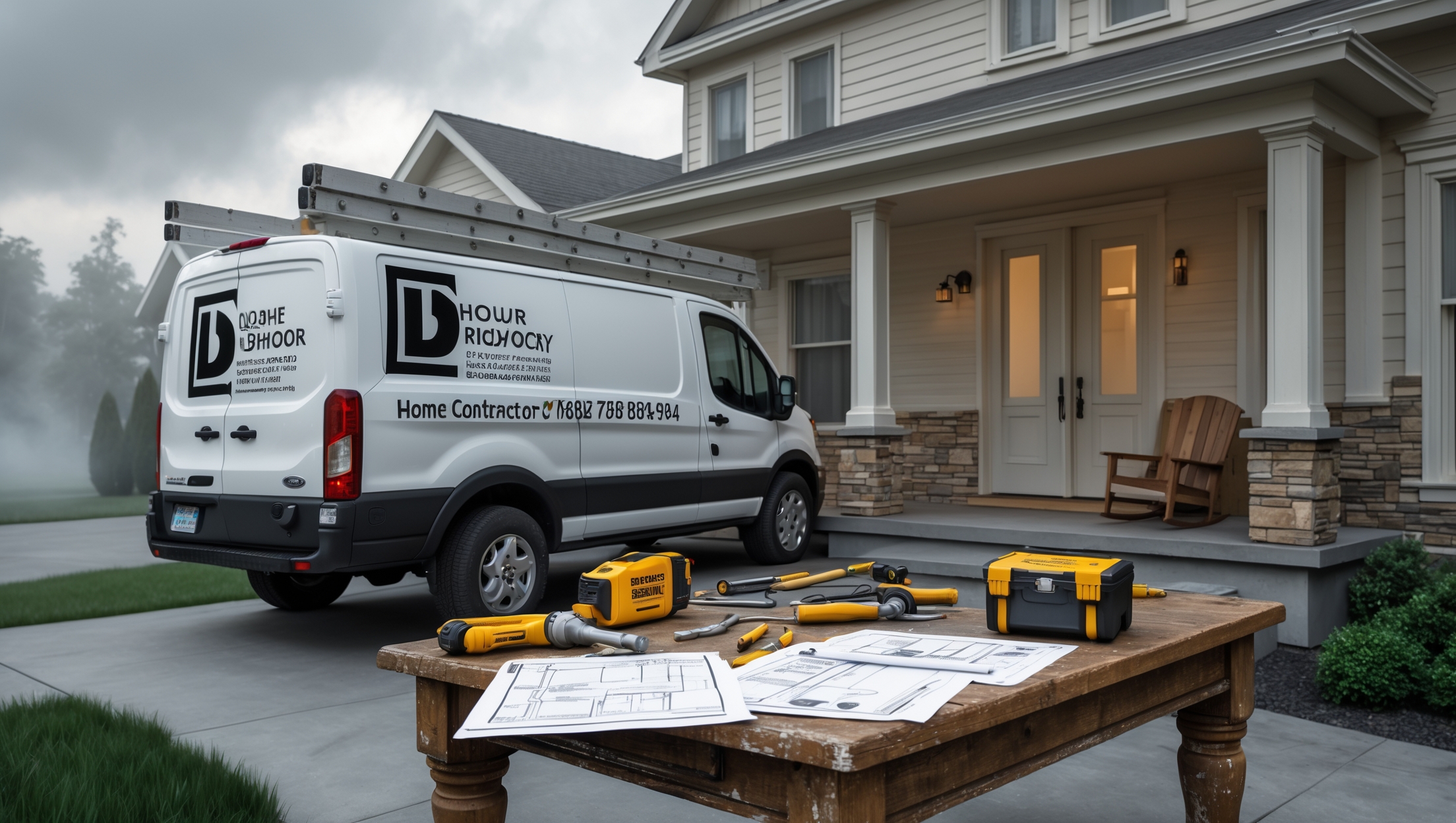
Home Improvement Scams: How to Spot, Report, and Avoid Costly Traps

Introduction: The Hidden Risks of Home Improvement Scams
Home improvement projects hold the promise of a more comfortable, attractive, and valuable home. Whether you’re updating a kitchen, repairing a roof, or tackling minor renovations, these investments can significantly improve your quality of life and property value. However, the home improvement industry is not without its pitfalls. Each year, thousands of homeowners fall victim to scams that result in unfinished work, subpar results, or outright financial loss.
Scammers often prey on homeowners’ lack of expertise, urgency for repairs, or desire for a good deal. Their tactics range from slick sales pitches to high-pressure door-to-door schemes and fraudulent contracts. Some schemes are so sophisticated that even experienced homeowners can be deceived. The consequences can be devastating: lost savings, unsafe living conditions, legal headaches, and emotional distress.
This comprehensive guide aims to arm you with the knowledge and tools needed to recognize, avoid, and report home improvement scams. We’ll explore real-world scenarios, key red flags, proactive strategies, and legal steps you can take to protect yourself. By understanding the warning signs and best practices, you can confidently pursue any home improvement project—without fear of falling victim to costly traps.
Understanding the Landscape: Why Home Improvement Scams Happen
The Scope and Cost of the Problem
Home improvement scams are consistently among the top consumer complaints with agencies like the Federal Trade Commission (FTC) and state attorneys general. The Better Business Bureau (BBB) receives thousands of reports each year from homeowners who have lost anywhere from a few hundred to tens of thousands of dollars. The most common projects targeted by scammers include roofing, paving, HVAC, siding, and emergency repairs after storms or disasters.
Who Is at Risk?
No homeowner is immune, but certain groups are more frequently targeted:
- Seniors: Often targeted due to perceived vulnerability or lack of familiarity with modern contracting practices.
- First-time homeowners: May lack experience vetting contractors or understanding contracts.
- Disaster victims: Those affected by storms, floods, or fires are especially vulnerable to traveling “storm chasers” offering quick fixes.
How Scammers Operate
Most scams follow a similar playbook: establish credibility quickly, pressure for immediate action, ask for upfront payment, and then disappear or deliver shoddy work. Scammers often use unmarked vehicles, lack business licenses, and provide vague or incomplete contracts. Some may even impersonate legitimate companies or fabricate credentials.
Top Red Flags: How to Spot a Home Improvement Scam
- Unsolicited Offers: Beware of contractors who knock on your door out of the blue, especially after storms or local disasters.
- High-Pressure Tactics: Scammers may claim you must act “today only” to get a special price or avoid disaster.
- Upfront Cash Demands: Requests for large or full payment in advance—especially in cash or via wire transfer—are a major warning sign.
- No Written Contract: Refusal or reluctance to provide a detailed written contract is a hallmark of fraud.
- Lack of Credentials: Unwillingness to provide proof of licensing, insurance, or referrals suggests the company may not be legitimate.
- Unverifiable Contact Information: No physical address, working phone number, or professional website.
- Too-Good-to-Be-True Pricing: Extremely low bids compared to other contractors often signal a scam or shortcut work.
- Requests to Pull Permits in Your Name: Some scammers want you to obtain permits so they’re not liable for code violations.
- Unmarked Vehicles and Lack of Branding: Legitimate companies usually have branded trucks, uniforms, and business cards.
- Poor Online Reviews or No Web Presence: A lack of verifiable reviews, or a slew of complaints, should raise suspicion.
Common Types of Home Improvement Scams
1. The Door-to-Door Drive-By
A contractor shows up unannounced, claiming to have “just finished a job nearby” and offers you a steep discount with leftover materials. They often pressure you for quick decisions and upfront cash, then do minimal work or vanish entirely.
2. Storm Chaser Scams
After a natural disaster, unscrupulous contractors flood affected areas, offering quick repairs. They may take deposits and never return or perform improper, unsafe repairs without permits or inspections.
3. Bait-and-Switch Pricing
A contractor provides a low-ball quote to secure the job, then invents “unexpected” issues and dramatically increases the price once work begins. They may threaten to walk off the job if you don’t pay.
4. Shoddy Work with No Warranty
Some scammers complete the job with substandard materials and workmanship, then disappear before problems are discovered. Warranty promises are worthless if the company cannot be contacted.
5. Fake or Stolen Licensing
Scammers may present forged or stolen contractor licenses, or use a legitimate company’s name without authorization. Always verify credentials with local authorities.
6. Phony Financing Schemes
Some contractors push homeowners into high-interest loans or financing agreements with hidden fees, often through aggressive in-house financing offers.
Step-by-Step Guide: Protecting Yourself Before, During, and After Hiring
Before Hiring: Due Diligence Is Essential
- Get Multiple Bids: Always obtain at least three quotes for any project. Compare scope, materials, timelines, and pricing.
- Research the Contractor: Use the BBB, state licensing boards, and online review sites. Verify the company’s physical address, phone, and website.
- Ask for References: Request recent, local references and actually call them. Ask detailed questions about timeliness, quality, and professionalism.
- Verify Licensing and Insurance: Contact your local licensing authority to confirm credentials. Request proof of liability insurance and workers’ compensation.
- Check Complaint History: Look up the business with local consumer protection offices and court records for lawsuits or complaints.
- Understand Payment Terms: Reputable contractors typically require a reasonable deposit (10–30%), with the balance due upon satisfactory completion.
- Insist on a Written Contract: Ensure the contract specifies project scope, materials, start and end dates, payment schedule, warranty, and dispute resolution terms.
- Know Your Right to Cancel: Many states allow a three-day cooling-off period for contracts signed at your home. Familiarize yourself with local laws.
During the Project: Stay Engaged and Vigilant
- Document Everything: Keep copies of contracts, receipts, correspondence, and photos of work in progress.
- Monitor Progress: Visit the site daily if possible. Confirm that the agreed materials and methods are being used.
- Never Pay in Full Upfront: Structured payments should align with clear project milestones.
- Watch for Change Orders: Any changes to the scope or price should be documented and approved in writing before proceeding.
- Ask for Proof of Permits: Ensure the contractor obtains all required permits and inspections. Do not pull permits in your own name if possible.
After Completion: Final Safeguards
- Conduct a Thorough Walkthrough: Inspect all work before making final payment. Use the contract as a checklist.
- Request Lien Releases: Get written confirmation that subcontractors and suppliers have been paid to avoid future liens against your property.
- Obtain Written Warranties: Secure all warranty documentation for workmanship and materials.
- Review the Permits: Ensure all required inspections passed and the job is officially closed with local authorities.
Case Studies: Real Scams, Real Lessons
Case 1: The Too-Good-to-Be-True Roof
After a hailstorm, a homeowner was approached by a contractor offering a roof replacement at half the price of competitors. The contractor demanded 50% upfront, citing “urgent material costs.” After cashing the check, the contractor never started the job and stopped returning calls. The homeowner later learned the company was not licensed in the state and had no physical office.
Lesson:
- Always verify licensing and insurance.
- Never pay large deposits upfront, especially by cash or check.
- Be wary of unsolicited offers after disasters.
Case 2: The Home Addition Headache
A couple hired a contractor for a home addition based on glowing online reviews. The price was competitive, but soon after starting, the contractor claimed “unforeseen structural issues” and demanded an additional $15,000. The couple paid, but work stalled. Investigating further, they found the company had used fake reviews and had multiple complaints with the BBB.
Lesson:
- Dig deeper than surface-level reviews—consult licensing agencies and check for complaints.
- Document all contract changes and never pay for additional work without written approval.
Case 3: The Financing Trap
A homeowner agreed to a new HVAC system with “easy in-house financing.” The contractor rushed the paperwork and didn’t explain the loan terms. Later, the homeowner discovered a high-interest rate and balloon payments, with no way to contact the contractor for support.
Lesson:
- Never sign financing agreements without reading all terms.
- Use reputable lenders and understand your right to cancel.
How to Report a Home Improvement Scam
Immediate Steps
- Cease Communication: If you suspect a scam, stop all payments and communications until you assess your options.
- Document Everything: Gather contracts, receipts, photos, emails, texts, and notes from phone calls.
Where to Report
- Local Law Enforcement: If you feel threatened or believe a crime has occurred, contact the police.
- State Attorney General: File a formal complaint through your state’s consumer protection office.
- Better Business Bureau (BBB): Submit a complaint to help warn others and seek mediation.
- Federal Trade Commission (FTC): Use reportfraud.ftc.gov to alert federal authorities.
- Local Licensing Boards: Report unlicensed or fraudulent contractors to your county or state contractor licensing agency.
- Insurance Company: Inform your homeowners insurance if any claims or damages are involved.
Legal Remedies
- Small Claims Court: For lower-value disputes, this can be a fast, low-cost way to seek restitution.
- Civil Lawsuit: For larger claims or damages, consult an attorney familiar with construction law.
Keep in mind that recovery can be difficult if the scammer is untraceable or judgment-proof. The best defense is prevention.
Proven Strategies: Avoiding Scams and Hiring with Confidence
1. Educate Yourself
Stay informed about common scam tactics in your area. Many local consumer protection offices publish lists of active scams. Attend community workshops or webinars when available.
2. Use Trusted Referral Networks
- Seek referrals from friends, neighbors, or coworkers who’ve completed similar projects.
- Use vetted contractor lists from reputable organizations like the BBB, Angie’s List, or your local home builders association.
3. Put Everything in Writing
Require detailed, signed contracts for all work—even for “small” jobs. Never rely on verbal agreements.
4. Trust Your Instincts
If something feels off—be it pricing, communication, or professionalism—pause the process and reassess. Scammers rely on your hesitation to ask questions or say “no.”
5. Monitor Work and Payments Closely
- Never pay for work that hasn’t been completed or inspected to your satisfaction.
- Keep payment records and avoid cash transactions.
6. Ensure Proper Permits and Inspections
Engage with your local building department to verify permitting requirements and inspections. This not only protects you from scams but also ensures your project is safe and code compliant.
Conclusion: Protect Your Home, Your Investment, and Your Peace of Mind
Home improvement should be a rewarding experience, not a source of stress or financial loss. While the vast majority of contractors are honest professionals, the risks posed by home improvement scams are real and significant. By recognizing red flags, conducting thorough research, insisting on written agreements, and staying engaged throughout your project, you substantially reduce your chances of falling victim to fraud.
Remember: the best protection is preparation. Take your time when selecting a contractor, ask tough questions, and never feel pressured to make snap decisions. If a deal seems too good to be true, it probably is. Leverage the resources available to you—consumer protection offices, licensing boards, and trusted referral networks—to find reputable professionals. Document every step, keep communication clear, and safeguard your investment by following best practices outlined in this guide.
If you ever suspect a scam or encounter questionable business practices, act quickly: document everything, stop payments, and report the incident to local and federal authorities. Not only does this improve your chances of recovery, but it also helps protect others in your community from falling prey to similar schemes.
By staying vigilant and informed, you can confidently navigate the world of home improvement and achieve the results you deserve—without fear of costly traps. Your home is your castle; don’t let scammers breach its walls.