
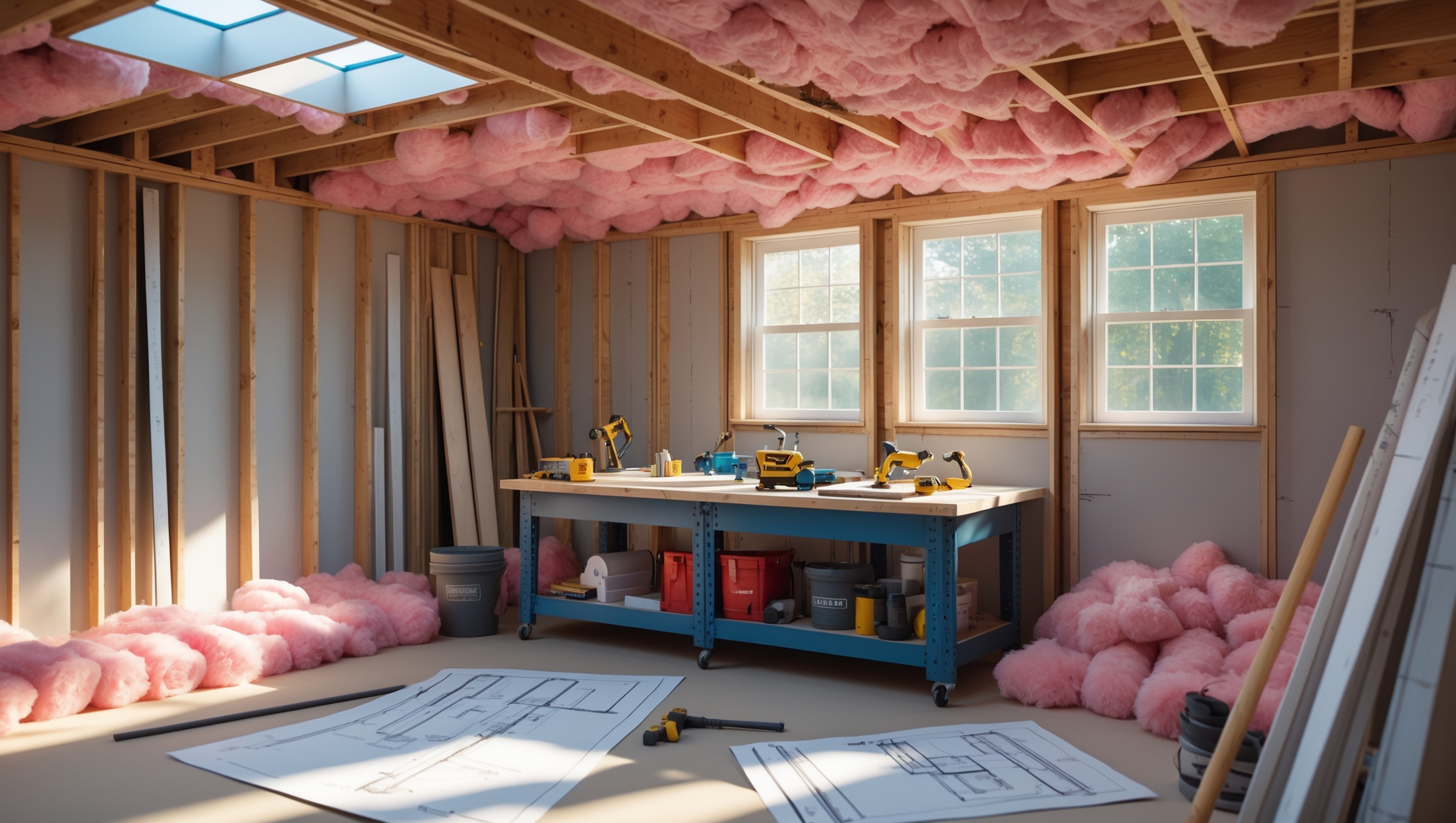
Demystifying Home Improvement Permits for Basement Finishing Projects

Introduction: Why Basement Finishing Permits Matter
Finishing a basement is one of the most rewarding home improvement projects you can undertake. It adds valuable living space, increases property value, and can even help with energy efficiency. But before you pick up a hammer or call a contractor, it’s critical to understand the permit process. Many homeowners underestimate the importance of permits—and the risks of skipping them. Unpermitted work can result in fines, forced removal of improvements, insurance denial, and difficulty selling your home. Navigating the permit maze may seem intimidating, but with the right knowledge, you can ensure your basement project is compliant, safe, and stress-free. This guide will walk you through every aspect of basement finishing permits, from understanding what’s required to preparing your documentation, passing inspections, and avoiding common pitfalls. Whether you’re hiring professionals or tackling the project yourself, this comprehensive resource will help you finish your basement with confidence.
Understanding Permit Requirements for Basement Finishing
What Is a Permit and Why Is It Required?
A permit is official approval from your local municipality or building department to perform specific construction or renovation work. For basement finishing, permits ensure your upgrades comply with building codes, fire safety standards, and zoning regulations. Permitted work is inspected at various stages to guarantee safety and quality—protecting you, future occupants, and even future buyers.
Basement Projects That Typically Require Permits
- Framing new rooms or partitions
- Installing or relocating electrical wiring and outlets
- Adding or modifying plumbing (bathrooms, wet bars, laundry rooms)
- Installing new HVAC or modifying ductwork
- Adding egress windows or altering foundation walls
- Insulating or finishing walls and ceilings
- Creating bedrooms, bathrooms, or rental units
Cosmetic updates like painting or installing carpeting usually do not require permits, but any change to structure, utilities, or room use likely will.
How to Find Your Local Permit Requirements
- Visit your city or county building department website
- Call or email the permit office for guidance
- Check online permit guides or FAQs for your municipality
- Review state building codes if available
Remember, permit rules can vary dramatically between jurisdictions—even between neighboring towns—so always verify requirements for your specific address.
Step-by-Step Guide: Securing Basement Finishing Permits
Step 1: Plan Your Project in Detail
Start with a clear vision of your finished basement. Sketch a floor plan showing room layouts, door and window locations, utility runs, and intended use for each space (e.g., bedroom, bathroom, rec room). This plan forms the basis of your permit application and helps identify which specific permits you’ll need.
Step 2: Gather Necessary Documentation
- Scaled floor plans and elevations (hand-drawn or digital)
- Electrical, plumbing, and HVAC diagrams (if modifying these systems)
- Material specifications (insulation R-values, window types, etc.)
- Contractor license information (if hiring out the work)
Many permit offices offer sample plan templates. If possible, submit detailed, professional-looking drawings to speed up approval.
Step 3: Submit Your Application
Most municipalities allow in-person, mail-in, or online permit applications. Be prepared to pay an application fee (typically $100–$500, depending on project size and location). Submit all required plans and forms together to avoid delays. Some jurisdictions require multiple permits—structural, electrical, plumbing, and HVAC—so clarify what’s needed up front.
Step 4: Respond to Plan Review Comments
Building officials review your submission and may request clarifications or revisions. Common issues include missing egress details, insufficient insulation specs, or unclear room labels. Respond promptly and thoroughly to keep your project moving.
Step 5: Obtain Permit Approval and Post It Onsite
Once approved, you’ll receive your permits—often as physical documents or a downloadable PDF. Print and post the permit at your job site before starting any work. Inspectors look for visible permits during site visits.
Inspections: What to Expect and How to Prepare
Types of Inspections for Basement Finishing
- Rough Framing: After framing walls and installing doors/windows, before drywall
- Rough Electrical: After running wires, before covering with wall finishes
- Rough Plumbing: After installing pipes, before closing walls
- Rough HVAC: After ductwork or vent installation
- Insulation: After installing insulation, before drywall
- Final Inspection: After all work is complete, including finishes and fixtures
Tips for Passing Inspections
- Schedule inspections at required project milestones; don’t skip any
- Have all plans and permit documents onsite for inspector review
- Correct any deficiencies noted by inspectors promptly
- Don’t conceal work (e.g., drywall over wires) before approval
- Be present to answer questions or provide access
Inspections are not adversarial—they ensure your safety and protect your investment. Most issues can be resolved quickly with good communication.
Common Mistakes and How to Avoid Them
Skipping the Permit Process
Some homeowners try to save time or money by skipping permits. This can backfire spectacularly. If discovered, you may face fines, forced demolition, or an inability to sell your home until the work is legalized (often requiring costly retroactive inspections or upgrades).
Underestimating Permit Timelines
Permit approval can take anywhere from a few days to several weeks, especially if plan revisions are needed. Start the process early and build extra time into your project schedule to avoid costly delays.
Incomplete or Inaccurate Plans
Missing details—such as egress window specs or accurate electrical layouts—can result in permit rejection or inspection failures. Double-check your plans for completeness and clarity before submission.
Unpermitted Work by Contractors
Don’t assume your contractor will automatically pull the correct permits. Specify in your contract who is responsible for securing permits and passing inspections. Always verify that permits have been obtained before work begins.
Ignoring Egress and Code Requirements
Basements used as bedrooms or living areas must meet strict egress requirements for safety. This usually means at least one window that can be used as an emergency exit, meeting specific size and accessibility standards. Failure to meet egress codes is a top reason for failed inspections.
Budgeting for Permits and Inspections
Typical Permit Costs
Permit fees for basement finishing typically range from $100 to $1,000, depending on project complexity, municipality, and the number of permits required. Fees may be itemized by trade (structural, electrical, plumbing, etc.).
Other Related Costs
- Inspection fees (sometimes included, sometimes separate)
- Plan review or revision fees
- Retroactive permit fees if work was started without approval
- Possible engineering or architectural consultation fees
Ask your building department for a fee schedule in advance so you can budget accurately.
Special Considerations: Older Homes, Condos, and HOAs
Older Homes
Basements in older homes may have unique challenges—low ceilings, dampness, or non-standard construction. Bringing these spaces up to modern code can require extra work and possibly additional permits. Consult your local inspector early if your home is over 50 years old.
Condos and Townhomes
If you live in a multi-family building, you may need HOA approval or face additional restrictions. Obtain all necessary HOA permissions before applying for municipal permits.
Historic Districts
Historic homes or properties in designated historic districts may face extra scrutiny or require special permits for any alterations, even inside the basement. Check with your local historic preservation office.
Handling Permit Issues When Selling Your Home
Unpermitted basement finishes can complicate or derail home sales. Many buyers and lenders require proof that all improvements were permitted and inspected. If you discover unpermitted work before listing, consider applying for a retroactive permit (“as-built” permit) to legalize the space. This often involves opening up finished walls and paying increased fees but can preserve your home’s value and saleability.
Frequently Asked Questions About Basement Finishing Permits
- Q: Can I submit my own permit application as a homeowner?
A: In most areas, yes. Homeowners can often act as their own general contractor. However, you are fully responsible for code compliance and inspections. - Q: What if my contractor says permits aren’t needed?
A: Double-check with your building department. Ultimately, you as the homeowner are liable for unpermitted work. - Q: Do I need a permit for just adding drywall or flooring?
A: Typically, no—unless it involves new walls, electrical, or plumbing changes. Always confirm locally.
Conclusion: Finishing Your Basement the Right Way
Securing the correct permits for your basement finishing project isn’t just a bureaucratic hurdle—it’s a vital step in protecting your investment, ensuring safety, and enhancing your home’s value. By understanding your local requirements, preparing thorough documentation, and planning for inspections, you avoid costly mistakes and last-minute surprises. Remember, the permit process is designed to catch issues before they become real problems, and inspectors are allies in creating a safe, comfortable living space. Don’t be tempted by shortcuts; unpermitted work can haunt you for years, impacting insurance, resale, and even your family’s safety. By following the detailed steps in this guide, you’ll be equipped to navigate every aspect of the permit process with confidence. Whether you’re a DIY enthusiast or partnering with professionals, make permitting a cornerstone of your project plan—and enjoy your beautiful, code-compliant basement for decades to come.