
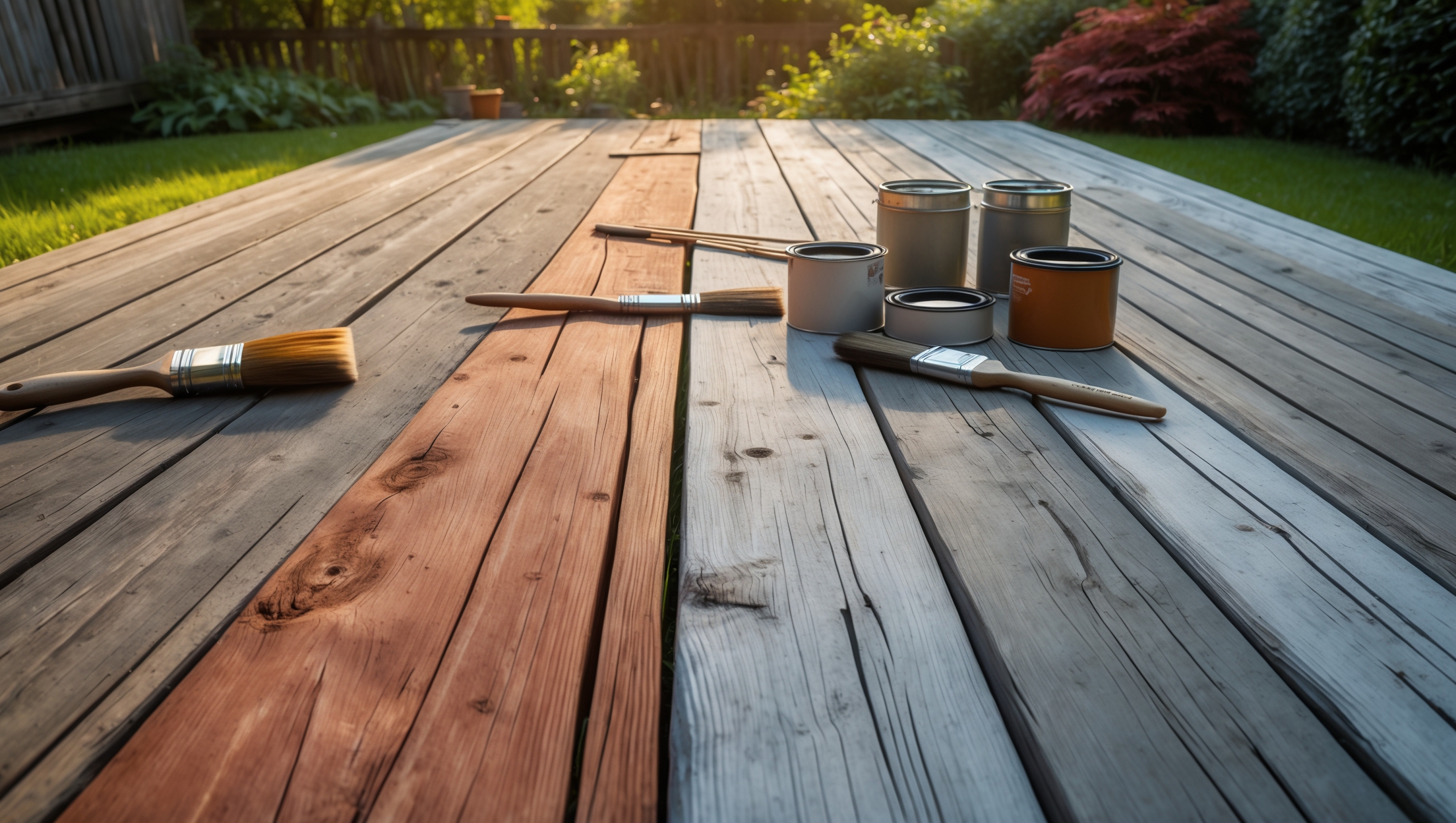
Deck Staining Success: Avoiding Common Mistakes and Achieving Lasting Results

Introduction: Why Deck Staining Projects Often Fall Short
Staining your deck seems straightforward: buy some stain, grab a brush, and spend a weekend outdoors. Yet, countless homeowners end up with blotchy finishes, rapid fading, peeling, or even damage that shortens the life of their deck. Why? Deck staining is a deceptively complex home improvement task that blends chemistry, weather awareness, surface prep, and technique. A single misstep can turn a beautiful wood deck into a maintenance headache or a costly redo.
This article dives deep into the most common mistakes homeowners make when staining their decks—and, crucially, how to avoid them. We’ll cover professional prep methods, how to choose the right stain for your wood and climate, application techniques that prevent streaks and lap marks, drying and curing best practices, and maintenance steps that prolong your deck’s beauty. Whether you’re tackling your first DIY stain or looking to up your game, this is your guide to achieving professional, durable results.
Understanding Deck Stain Types and Their Impact
Oil-Based vs. Water-Based Stains
One of the earliest—and most impactful—choices is stain type. Oil-based stains penetrate deeply, enhancing natural grain and offering superior moisture resistance. Water-based stains, on the other hand, are easier to clean up, dry faster, and are often more environmentally friendly. However, the wrong choice for your deck’s wood species and local climate can mean premature wear or an uneven finish.
- Oil-Based: Best for hardwoods and older decks; perform better in humid or wet climates but require more drying time.
- Water-Based: Ideal for pressure-treated woods and areas with intense sun; resist mold and mildew growth but may raise wood grain.
Solid, Semi-Transparent, and Transparent Finishes
Stain opacity affects both appearance and longevity. Transparent and semi-transparent stains highlight wood grain, while solid stains offer bold color and conceal imperfections. Consider the following:
- Transparent: Shortest lifespan (1–2 years); best for new, unblemished wood.
- Semi-Transparent: Lasts 2–3 years; balances color with visible grain.
- Solid: Maximum UV protection, lasts 3–5 years, but hides grain and can peel if not prepped correctly.
Prepping for Success: The Foundation of a Lasting Stain Job
Skipping Cleaning and Stripping: The #1 Mistake
Applying stain over dirt, mildew, or remnants of old coatings is the fastest way to guarantee premature failure. Use a deck cleaner (or oxygenated bleach for mildew) to scrub away grime. For decks with old stains or sealers, use a quality stripper and then rinse thoroughly. Let the deck dry for at least 48 hours before proceeding.
Overlooking Surface Repairs and Sanding
Check for popped nails, splintered boards, and soft spots. Tighten or replace fasteners and sand rough areas with a random orbital sander (80-grit is standard). Sanding not only smooths the surface but opens wood pores, allowing for better stain absorption. Avoid overly fine sandpaper, which can close the pores and hinder penetration.
Moisture Content: The Unseen Enemy
Staining wet wood prevents absorption and leads to peeling. Use a moisture meter—wood should be under 15% moisture. If you don’t have a meter, tape a plastic sheet to the deck overnight; if condensation forms, wait longer before staining.
Choosing the Right Tools and Application Method
Brush, Roller, or Sprayer?
Each tool has pros and cons:
- Brush: Best for working stain deep into grain and tight spots. Use a high-quality synthetic brush for water-based stains or natural bristle for oil-based.
- Roller: Speeds up application on flat surfaces, but be sure to back-brush immediately to avoid puddles and lap marks.
- Sprayer: Fastest for large decks, but requires careful masking and immediate back-brushing for even coverage.
Common Tool Mistakes
- Using cheap brushes or rollers—these shed fibers and leave streaks.
- Neglecting to back-brush after spraying or rolling, which causes uneven absorption and visible lines.
- Failing to use extension handles, which can lead to an inconsistent finish as fatigue sets in.
Weather Conditions: Timing is Everything
Ideal Temperature and Humidity
Most stains perform best between 50°F and 90°F (10°C–32°C) with low to moderate humidity. High humidity or dew can halt drying, trapping moisture under the stain and leading to cloudiness or peeling. Avoid staining if rain is forecast within 48 hours.
Direct Sunlight and Wind Hazards
Staining in direct, hot sunlight or on windy days causes rapid drying, which prevents proper penetration and results in lap marks. Work in the shade or on cooler, overcast days. If needed, follow the sun around your deck—stain sections as they become shaded.
Application Techniques for a Professional Finish
Working in Manageable Sections
Always stain two to three boards at a time from end to end to avoid lap marks. Never stop midway across the width of a board. If your deck wraps around corners or has intricate railings, start with those details first, then do the main decking.
Avoiding Over-Application and Pooling
Applying too much stain is a common error. Wood can only absorb so much—excess sits on the surface, leading to sticky spots and peeling. After 10–15 minutes, wipe away puddles or excess with a lint-free cloth. Two thin coats are almost always better than one thick one.
Dealing with Knots and End Grain
Knots and end grain absorb more stain and can appear darker or blotchy. Pre-wet these areas with a brush before staining the rest of the board to even out absorption.
Drying, Curing, and Early Maintenance
Allowing Proper Drying Time
Drying time varies by product and weather, but most stains need 24–48 hours before you walk on the deck or replace furniture. Rushing this step can cause imprints, smudges, or uneven sheen.
Initial Cleaning and Care
For the first week after staining, avoid heavy use, planters, or rugs. Sweep off debris gently. If rain occurs before full curing, allow the deck to dry completely before use.
Aftercare: Maintaining Your Freshly Stained Deck
Annual Inspections and Light Cleaning
Inspect annually for signs of wear, mildew, or water beading. Clean with a mild deck wash or diluted dish soap—avoid pressure washing, which can strip stain and damage wood fibers.
Spot Touch-Ups
For minor scuffs or faded spots, lightly sand the area and reapply a thin coat of stain. For widespread fading, a full recoat may be needed, following the same prep steps.
When to Restain
Most decks need a fresh coat every 2–4 years, depending on stain type, exposure, and traffic. The water test: sprinkle water—if it beads, the stain is still protecting; if it soaks in, it’s time to restain.
Bonus: Avoiding Seasonal Staining Pitfalls
Spring and Fall Challenges
Spring pollen and fall leaves can ruin a fresh stain job. Sweep regularly, and cover the deck with a tarp overnight during peak pollen or leaf fall. In cooler months, allow extra drying time.
Dealing with Mold and Algae
In shady or damp areas, use a cleaner with mildewcide before staining. Select stains with built-in fungicides for decks prone to mold or algae.
Conclusion: Achieving Deck Staining Success
Deck staining isn’t just about enhancing the look of your outdoor space—it’s essential protection against the elements and a way to extend your investment’s lifespan. By avoiding common mistakes—skipping prep, choosing the wrong product, rushing the process, or ignoring aftercare—you can achieve a finish that’s both beautiful and durable. Remember, the key to a stunning, long-lasting deck is a combination of thorough preparation, smart product selection, attention to weather and application technique, and ongoing maintenance. Take your time, follow these expert tips, and your deck will reward you with years of low-maintenance enjoyment and curb appeal.
Whether you’re a first-timer or a seasoned DIYer, every deck and climate presents unique challenges. Don’t be discouraged by setbacks—most deck staining mistakes are fixable if caught early. Invest in quality tools and materials, respect the prep and drying stages, and stay attentive to your deck’s needs season after season. With the right approach, you’ll not only avoid the headaches many homeowners face but also enjoy a beautiful outdoor living space that stands the test of time.