
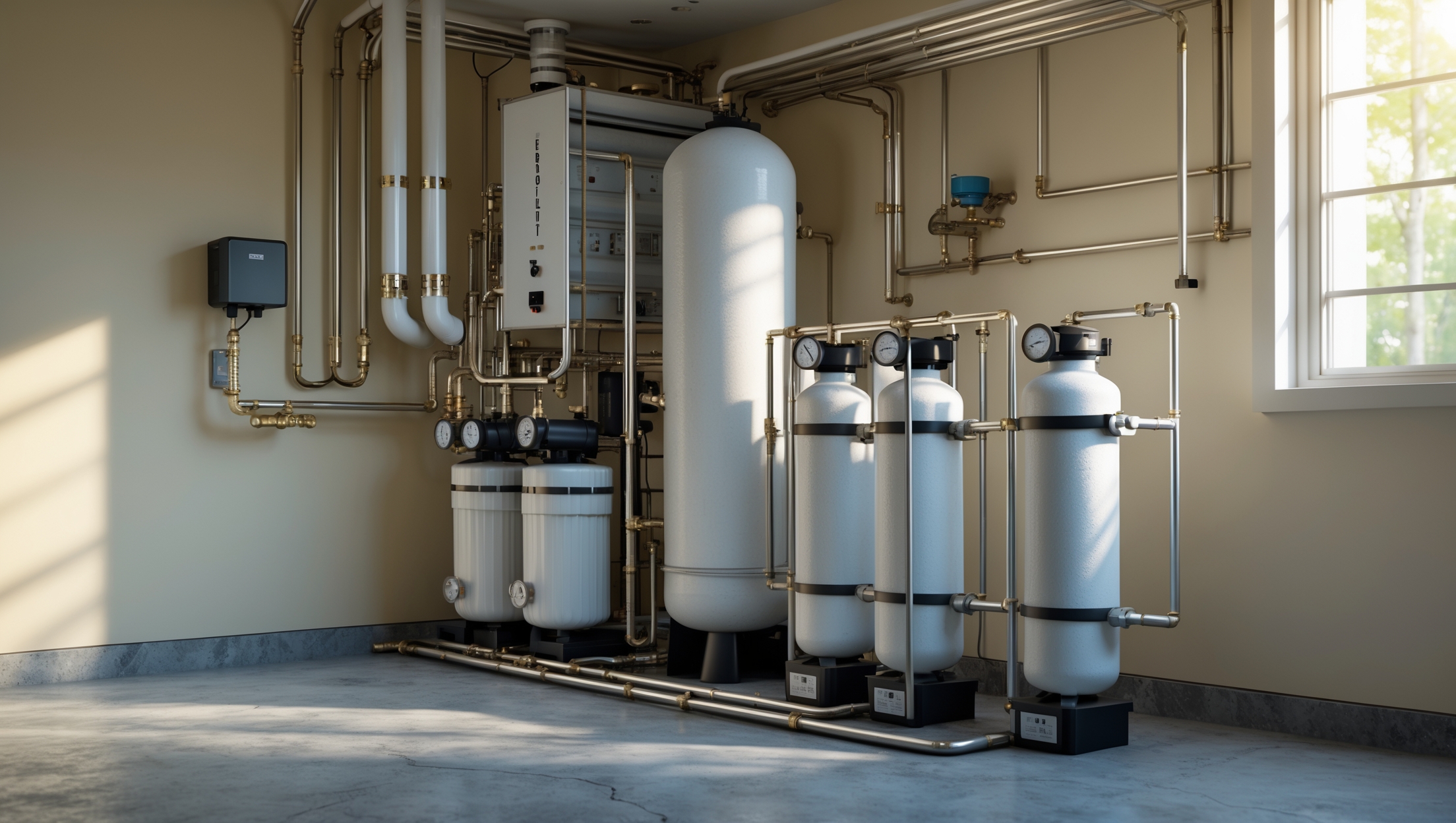
Compliance and Permit Essentials for Whole-House Water Filtration Systems

Introduction: Why Compliance Matters in Whole-House Water Filtration
Safe, clean water is the backbone of a healthy household. As more homeowners become aware of water quality issues, whole-house water filtration systems are gaining traction as a must-have upgrade. But before you begin comparing brands or planning installation, it’s crucial to understand a key piece of the puzzle: compliance and permitting. Skipping or mishandling these steps can lead to costly delays, fines, failed inspections, or even unintentionally compromising your home’s water safety.
Whole-house water filtration systems interact directly with your home’s plumbing network and, by extension, your local water supply. This means installations are subject to a range of building codes, health regulations, and sometimes even environmental guidelines. Each municipality can have its own requirements—what’s allowed in one area may be a violation in another. Homeowners and even some contractors often overlook or underestimate the compliance aspect, exposing themselves to unnecessary risks. In this guide, we’ll walk through everything you need to know—from understanding permit requirements to preparing for inspections and avoiding common pitfalls—so your filtration upgrade is smooth, legal, and truly delivers safe water to every tap in your home.
Understanding Whole-House Water Filtration Systems
What Is a Whole-House Water Filtration System?
Unlike faucet or under-sink filters, a whole-house water filtration system (sometimes called a “point-of-entry” system) treats all water entering your home, ensuring every fixture—showers, sinks, washing machines—dispenses filtered water. These systems can address sediment, chlorine, heavy metals, volatile organic compounds, and even bacteria, depending on the model and filter type.
Common Types of Filtration Systems
- Carbon Filtration: Removes chlorine, sediment, and some chemicals.
- Reverse Osmosis: Effective for dissolved solids and contaminants.
- UV Purification: Targets bacteria and viruses.
- Water Softeners: Remove minerals responsible for hard water.
Each type may have unique installation requirements, which can affect permitting and compliance.
Permit Requirements: What You Need to Know
When Is a Permit Required?
Most jurisdictions require a permit when a water filtration system is:
- Hard-plumbed into your main water line.
- Altering any part of your plumbing infrastructure.
- Potentially impacting water pressure or backflow prevention systems.
Simple countertop or point-of-use filters typically do not require permits. However, because whole-house systems tie into your home’s main supply, local authorities almost always require a permit before installation can legally proceed.
How to Obtain the Right Permit
- Check with Your Local Building Department: Visit your city or county’s website or office. Search for “plumbing permits” or “water filtration system permits.”
- Gather Required Documentation: You’ll typically need:
- A detailed description of the system (manufacturer, model, capacity).
- Plumbing diagrams or schematics showing where the system will be installed.
- Contractor credentials if using a professional installer.
- Submit an Application: Some areas allow online submissions, while others require an in-person visit.
- Pay Associated Fees: Expect permit fees to range from $50 to $500, depending on the project scope and region.
DIY vs. Professional Installations: Who Can Pull the Permit?
Some jurisdictions allow homeowners to apply for permits if they plan to do the work themselves. Others require a licensed plumber or contractor to obtain the permit and perform the installation. Always verify this before purchasing your system or starting work.
Building Codes and Compliance Standards
Plumbing Codes and Material Standards
Whole-house filtration systems must comply with local and national plumbing codes. Key considerations include:
- Pipe Material Compatibility: Your filtration system must be compatible with existing pipe materials (e.g., copper, PEX, PVC).
- Backflow Prevention: Many codes require a backflow prevention device when installing filtration systems to avoid contamination of the public water supply.
- Pressure Ratings: Ensure the system does not exceed the pressure ratings for your home’s plumbing.
- Accessibility: The system must be installed in a location that allows for maintenance and filter replacement without risking leaks or damage.
Health and Safety Regulations
Filtration systems must not introduce contaminants or hazards. Systems that claim to remove bacteria or viruses may be subject to additional health department regulations. Some municipalities require NSF/ANSI certification for the system and all parts in contact with drinking water.
Environmental Considerations
If your system discharges wastewater (as with some reverse osmosis units), local codes may dictate how this water is managed. Improper discharge can violate environmental laws and result in fines.
Budgeting for Compliance: Costs Beyond the System
Permit and Inspection Fees
- Permit Application: $50–$500 depending on region and project complexity.
- Plan Review: Some cities charge extra for reviewing plumbing plans or schematics.
- Inspection Fees: Final inspection costs may be bundled with the permit or billed separately.
Professional Installation vs. DIY
- Licensed Plumber: $700–$2,000 including labor and basic materials.
- DIY: Costs can be lower, but mistakes can lead to expensive code violations or repairs. Always factor in the cost of potential rework or failed inspections.
Material and Compliance-Related Expenses
- Backflow Preventer: $100–$300 installed.
- Additional Plumbing Fittings: $50–$200 depending on your existing setup.
- Certification or Testing: Some areas require water testing post-installation ($50–$150).
Step-by-Step Setup: Navigating Compliance at Every Stage
1. Pre-Installation Planning
- Research your local permit process and gather required documents.
- Select a system that meets both your water quality needs and code requirements (look for NSF/ANSI certification).
- Decide on DIY or professional installation. If hiring, choose a contractor experienced with code-compliant installations.
2. Permit Application
- Submit all application materials and pay fees before work begins.
- Schedule an initial inspection if required.
3. Installation
- Follow approved plans exactly. Any deviation may require plan resubmission.
- Install all code-mandated devices (e.g., backflow preventers, pressure regulators).
- Use only approved materials and fittings.
4. Inspection
- Schedule the final inspection once installation is complete.
- Be present for the inspection if possible, or ensure your installer is available to answer questions.
- Address any corrections or deficiencies noted by the inspector.
5. Post-Installation Paperwork
- Keep copies of permits, inspection reports, and any water test results for your records and future home sales.
- If required, file a notice of completion with your building department.
Common Pitfalls and How to Avoid Them
Skipping the Permit Process
Tempted to skip permits to save time or money? Don’t. Unpermitted work can be discovered during home sales, insurance claims, or water main repairs, resulting in fines or mandatory removal of the system.
Ignoring Backflow Prevention
Backflow prevention is not optional. Failure to include the right device can contaminate your drinking water and that of neighbors, leading to legal and health consequences.
Using Non-Compliant Materials or Installers
Always verify that all system parts are certified for potable water. Unlicensed installers may cut corners, leaving you liable for future repairs or code violations.
Improper Wastewater Disposal
Reverse osmosis and other systems that discharge water must comply with wastewater codes. Never route discharge into storm drains, yards, or other unauthorized locations.
Failing the Final Inspection
This can delay occupancy or system use. Double-check every code requirement and have documentation ready for inspectors.
Inspection Checklist: Passing the First Time
- All components are installed as per submitted plans and codes.
- Backflow prevention device is present and properly installed.
- No leaks or unapproved connections in the system.
- All materials are NSF/ANSI certified and approved for drinking water.
- System is accessible for maintenance and does not obstruct emergency shutoff valves.
- Wastewater discharge (if any) is routed appropriately.
- Water pressure remains within code limits post-installation.
- All required paperwork and documentation are available on site.
Case Study: A Homeowner’s Compliance Journey
Background
Jane, a homeowner in a mid-sized city, wanted to install a whole-house reverse osmosis system. She contacted her local building department and discovered the following requirements:
- Permit application with plumbing schematics.
- Licensed plumber required for all work.
- Backflow preventer installation required.
- Final inspection and water pressure test.
Outcome
Jane hired a plumber who submitted all required documents and installed the system to code. The city inspector approved the work on the first visit, and Jane enjoys clean water throughout her home. By following the correct process, she avoided delays and ensured her investment was protected and fully compliant.
Conclusion: Protect Your Investment and Peace of Mind
Installing a whole-house water filtration system is one of the most rewarding home improvement projects you can undertake, providing peace of mind and tangible health benefits for your family. However, it’s easy to underestimate the importance of compliance and permitting. By taking the time to research your local requirements, gather proper documentation, and follow each step meticulously, you not only protect your investment but also safeguard your home from potential legal, financial, and health risks.
While the process may seem daunting, the benefits far outweigh the hassle. Properly permitted and code-compliant systems ensure that your water stays safe, your home remains insurable, and your property value is protected. Should you ever sell your home, you’ll have the paperwork to show that all work was done above-board, increasing buyer confidence. Most importantly, you’ll avoid the headaches that come with failed inspections, fines, or having to redo work that wasn’t compliant in the first place.
If you’re unsure about any step, consult with your local building department or a licensed plumber with water filtration experience. Their expertise can help you navigate complex requirements and avoid costly missteps. Ultimately, a compliant and well-installed filtration system is a smart investment in your family’s health, your home’s longevity, and your own peace of mind.
Are there certain types of filtration systems, like UV versus carbon, that tend to require more complex permitting or face stricter regulations? I’m trying to estimate the time and budget I should allow for permitting different system types for my customers.
Yes, the type of filtration system can impact permitting complexity. UV systems, because they use electrical components and deal with disinfection, often require stricter oversight, including electrical permits and health department review. Carbon filters typically face fewer regulatory hurdles, as they’re considered less invasive. Plan for longer lead times and potentially higher permitting costs for UV or advanced treatment systems compared to standard carbon or sediment filters.
You mentioned that permit requirements can really differ between municipalities. Is there a general starting point or resource where homeowners can check what codes or permits are needed in their local area before starting a whole-house water filtration installation?
A good starting point is your local city or county building department, as they handle permits and plumbing codes. You can usually find their website by searching for your city or county name along with ‘building permits.’ Many areas also have information on their official websites outlining permit requirements for plumbing or water treatment installations. You can also call them directly to clarify what’s needed for your specific address.
Could you provide a bit more detail on the types of inspections a whole-house water filtration system installation might require? I’m curious if there are usually both plumbing and health department checks, or just one or the other depending on location.
Inspections for whole-house water filtration systems can vary by location, but typically, a plumbing inspection is required to ensure the system complies with local building and plumbing codes. In some areas, especially where water quality is a public health concern, the health department may also conduct a separate inspection to confirm the system meets safety standards. It’s a good idea to check with your local permitting office to find out exactly which inspections apply in your area.
You mentioned that skipping compliance steps could lead to failed inspections. If I hire a contractor to install the system, am I still responsible for any permitting issues, or does the contractor usually handle those requirements for me?
When you hire a contractor, they typically handle the permitting process and ensure compliance with local codes as part of their service. However, as the homeowner, you are ultimately responsible for making sure all permits are obtained and inspections are passed. It’s a good idea to confirm with your contractor that they will secure all necessary permits before work begins.
You mention that skipping compliance steps could result in failed inspections or fines. Could you give an idea of what the inspection process looks like for a whole-house system and what are the most common reasons these installations fail inspection?
During an inspection for a whole-house water filtration system, officials typically check that the installation follows local plumbing codes, that permits are displayed if required, and that safety measures like backflow prevention are in place. Common reasons for failing inspection include unpermitted installations, improper pipe connections, missing or incorrect backflow preventers, and using uncertified materials. Making sure you hire a licensed plumber and follow your local permit requirements can help avoid these issues.