
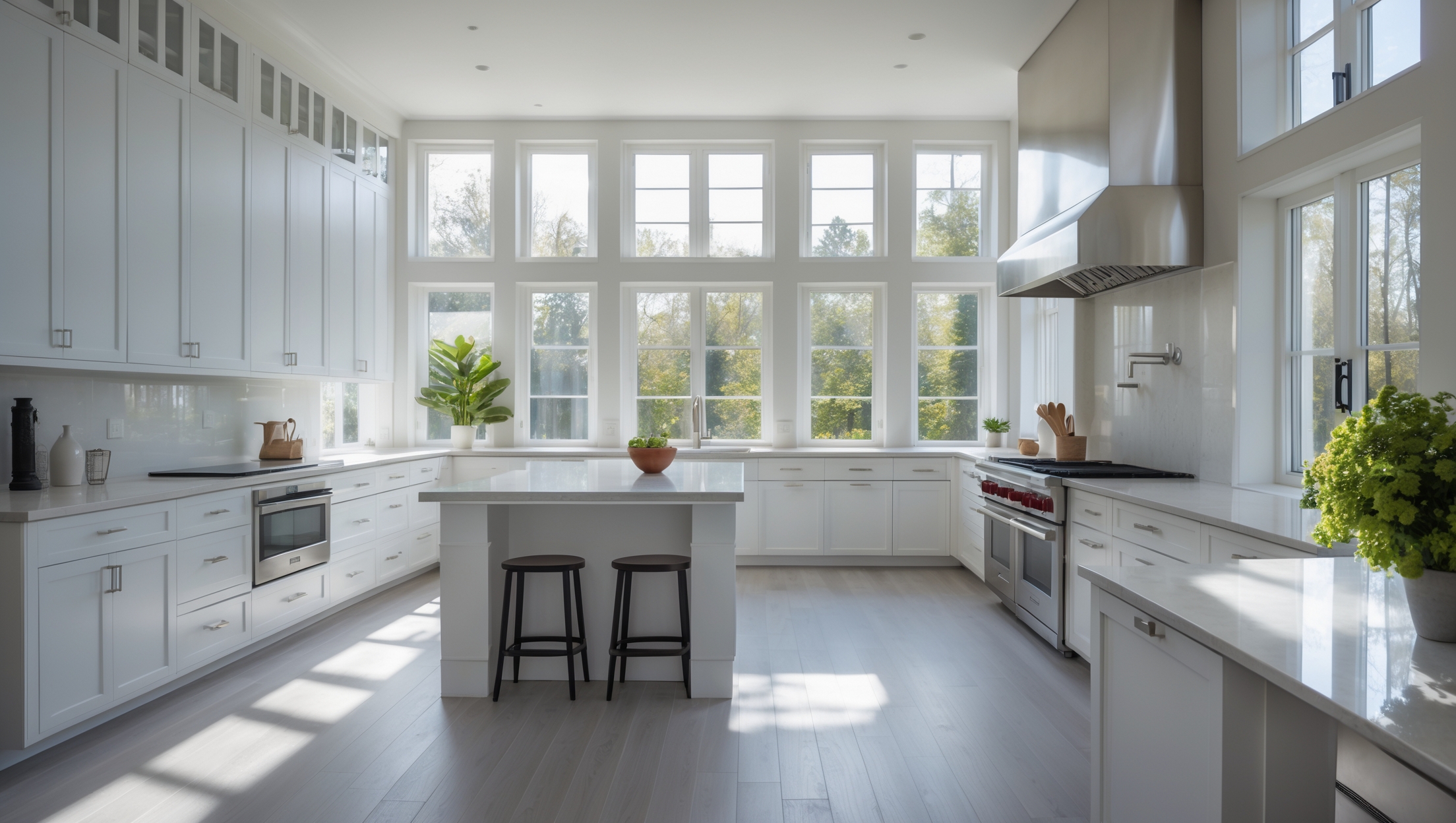
Case Study: Transforming a Cramped Kitchen into a Spacious Culinary Hub—Design, Cost, and Compliance Insights

Introduction: From Cramped to Culinary Hub—The Power of a Kitchen Transformation
Is your kitchen feeling more like a closet than the heart of your home? Many homeowners struggle with outdated, cramped kitchens that hinder both daily routines and their ability to entertain. Yet, with thoughtful planning and the right guidance, even the smallest kitchen can be transformed into a spacious, functional, and beautiful culinary hub. In this in-depth case study, we’ll walk you through the real-life process of renovating a tight, decades-old kitchen into an open, modern space. We’ll detail the design strategies that made the biggest impact, break down the actual costs line by line, discuss compliance and permit requirements, and share actionable lessons learned along the way. Whether you’re considering a full remodel or seeking inspiration for smaller upgrades, this comprehensive guide will offer practical insights and expert tips to ensure your kitchen renovation is a resounding success.
Project Background and Homeowner Goals
Understanding the Starting Point
The subject of our case study is a 1980s ranch home in a suburban neighborhood. The kitchen measured just 120 square feet and suffered from poor lighting, limited counter space, and outdated finishes. Multiple doorways cut into the available wall space, while upper cabinets made the room feel even more claustrophobic. The homeowners—a family of four—loved to cook and entertain but found their kitchen frustratingly cramped and inefficient.
Key Renovation Goals
- Increase usable space without a major home addition
- Improve natural and artificial lighting
- Modernize finishes and appliances for a clean, contemporary look
- Create a layout suitable for family cooking and entertaining
- Stay within a $40,000 budget, including labor, materials, and permits
Design Strategies That Made the Difference
1. Removing Non-Structural Walls to Open the Space
After consulting with a structural engineer, the renovation team identified a non-load-bearing wall between the kitchen and the adjacent dining area. Removing this wall instantly opened up the floor plan, allowing for a much larger kitchen footprint without the need for costly structural modifications.
2. Reconfiguring the Layout for Efficiency
The new design relocated appliances into a functional work triangle, reduced traffic congestion, and introduced a peninsula for extra prep space and casual dining. The refrigerator was moved closer to the pantry for easier access, and the sink was centered beneath a new, larger window.
3. Maximizing Storage with Smart Cabinet Choices
- Full-height pantry cabinet replaced a narrow broom closet
- Deep drawers for pots and pans eliminated the need for awkward base cabinets
- Open shelving above the peninsula kept the space feeling airy
- Corner lazy Susans made use of previously dead space
4. Enhancing Light and Visual Space
To counteract the previously dim space, the team installed recessed LED downlights on dimmers, under-cabinet lighting, and replaced a small window with a much larger one. White shaker cabinets and light quartz countertops further brightened the room and reflected natural light.
5. Upgrading Materials for Durability and Style
- Quartz countertops for low maintenance and a seamless look
- Luxury vinyl plank flooring for durability and water resistance
- Full-tile backsplash as a focal point and easy-to-clean surface
- Stainless steel appliances for a modern, cohesive appearance
Cost Breakdown: Where the Budget Went
Staying within budget required careful planning and a willingness to make compromises in some areas without sacrificing quality in others. Here’s the actual cost breakdown for the project:
- Demolition and Prep: $2,500
- Wall Removal & Structural Consultation: $3,000
- Cabinetry: $12,000 (custom, installed)
- Countertops: $5,000 (quartz, installed)
- Appliances: $7,500 (mid-range stainless steel package)
- Lighting & Electrical: $2,000
- Plumbing (relocation, fixtures): $2,000
- Flooring: $2,000
- Backsplash & Tile: $1,500
- Painting & Finishing: $1,000
- Permits & Inspections: $1,000
- Contingency: $1,500
Total: $41,000
Budgeting Tips from the Project
- Prioritize cabinetry and layout—these drive both function and cost
- Shop appliance sales and package deals for significant savings
- DIY painting and minor finishing work can trim costs
- Include a contingency (at least 5%) for unexpected expenses
Permits, Codes, and Compliance: Navigating the Red Tape
Required Permits
Even though no structural walls were removed, several permits were needed:
- Building permit for general remodeling
- Electrical permit for new lighting and outlet relocation
- Plumbing permit for sink and dishwasher moves
- Mechanical permit for vent hood relocation
Working with Inspectors
Inspections were required at three stages: after rough plumbing and electrical, after wall removal, and at project completion. The homeowners worked with a licensed general contractor who handled permit applications and scheduled inspections. All work passed on the first review, thanks to careful adherence to local residential codes and using licensed trades for specialty work.
Common Compliance Issues to Watch For
- GFCI protection for all kitchen outlets near water sources
- Proper venting for range hood to the exterior
- Clearances between appliances and cabinets to meet code
- Smoke and CO detector requirements for adjacent spaces
Step-by-Step Process: From Demolition to Finishing Touches
1. Planning and Design
- Measured existing kitchen and adjacent spaces
- Worked with a kitchen designer to create detailed floor plans and 3D renderings
- Selected finishes and fixtures with longevity and style in mind
- Obtained all necessary permits before starting work
2. Demolition and Prep
- Removed old cabinets, flooring, and appliances
- Demo’d non-load-bearing wall between kitchen and dining room
- Protected adjacent areas with dust barriers
3. Rough-In: Electrical, Plumbing, and Framing
- Electricians installed new wiring for outlets, lights, and appliances
- Plumbers relocated sink and dishwasher lines
- Framed in new peninsula and pantry area
4. Inspections and Approvals
Scheduled inspections for rough plumbing and electrical. All work passed after minor adjustments to outlet placement.
5. Installation: Cabinets, Countertops, Flooring
- Cabinets installed by professionals, ensuring level surfaces and secure mounting
- Quartz countertops templated and installed after cabinets were set
- Luxury vinyl plank flooring installed last to prevent damage during construction
6. Finishing Touches
- Tile backsplash installed and grouted
- Appliances delivered and hooked up by licensed pros
- All lighting and fixtures tested for function and compliance
- Final painting and trim work completed
Maintenance Considerations for the New Kitchen
Cabinet and Countertop Care
The new cabinets feature a durable finish but require gentle cleaning—no harsh abrasives or soaking. Quartz countertops are stain-resistant but should be wiped down daily and protected from excessive heat.
Appliance Maintenance
Stainless steel appliances need regular cleaning with non-abrasive cleaners, and filters (range hood, dishwasher) should be checked and replaced as needed. Register appliances for warranty coverage.
Flooring and Grout
Luxury vinyl plank floors only require sweeping and damp mopping; avoid excessive water. Tile backsplash grout should be sealed annually to prevent stains and mildew.
Lessons Learned: What Worked and What Homeowners Would Do Differently
- Design Flexibility: Being open to moving appliances and changing the room flow led to a more functional kitchen.
- Professional Help: Hiring a kitchen designer and licensed trades ensured code compliance and avoided costly mistakes.
- Budgeting: Allocating extra for contingency prevented stress when minor surprises (hidden wiring) surfaced.
- Lighting: Investing in layered lighting (overhead, task, accent) made a huge impact on both utility and atmosphere.
- DIY vs. Pro: Painting and some finishing work were DIY, but all critical plumbing and electrical were left to the pros.
Before-and-After: The Impact of a Thoughtful Kitchen Remodel
The transformation was dramatic. The once-dark, cramped room is now a bright, welcoming space that accommodates multiple cooks and guests with ease. Storage and prep space tripled, and the open-plan layout connects the kitchen seamlessly to the dining and living areas. The project increased the home’s value and delivered a kitchen that truly serves as the heart of the home.
Conclusion: Your Roadmap to a Successful Kitchen Transformation
Renovating a small, outdated kitchen can feel overwhelming, but as this case study shows, careful planning, savvy budgeting, and adherence to compliance requirements can deliver outstanding results. By focusing on layout improvements, investing in quality cabinetry and lighting, and navigating the permit process with professional help, you can transform even the most cramped kitchen into a bright, functional, and stylish culinary hub. Remember to allocate funds for a contingency, prioritize changes that maximize space and light, and never cut corners when it comes to code compliance or safety. If you’re considering your own kitchen remodel, use the lessons and strategies from this case study as a roadmap. With the right team and a clear vision, your kitchen can become the centerpiece of your home—where meals, memories, and connections are made for years to come.
When you mention removing non-structural walls to open up the kitchen, did you need to reroute any electrical or plumbing lines, and if so, how much did that add to the overall budget and timeline?
Yes, when we removed the non-structural walls, we did encounter both electrical wiring and a small plumbing line that needed to be rerouted. This added around $2,000 to the overall budget and extended the timeline by approximately three days. We worked with licensed professionals to ensure everything was up to code before proceeding with the rest of the renovation.
With a family of four, how did you manage everyday meals during the remodel? Was it possible to use parts of the old kitchen, or did you have to set up a temporary cooking space elsewhere in the house?
During the remodel, the main kitchen was mostly out of commission, so we set up a temporary cooking area in the dining room. We used a microwave, toaster oven, electric kettle, and a portable induction cooktop for simple meals. The refrigerator was moved nearby for convenience, and we relied more on easy-prep foods and occasional takeout. It definitely took some planning, but it kept things manageable for our family of four.
For a similar 120 square foot kitchen, how much time did the whole transformation take from planning through completion? I’m trying to gauge how long my family would need to manage without a usable kitchen if we take on a remodel like this.
For the kitchen transformation described in the article, the entire process from initial planning to final completion took about 8 to 10 weeks. This included roughly 2 weeks for design and approvals, and 6 to 8 weeks for the demolition, construction, and installations. During this period, the kitchen was not fully usable, so it’s wise to plan for alternative meal options during the renovation.
Our kitchen has a similar issue with multiple doorways eating up wall space. Did you find that relocating or closing off any entry points made the most impact, and were there any compliance issues in doing that?
Yes, adjusting the doorways had a huge impact in creating more usable wall space. In this project, closing off one entry and widening another helped streamline the layout and improve flow. When altering doorways, we worked closely with a contractor to ensure compliance with building codes, especially regarding emergency egress and minimum room access. Always check local requirements before making similar changes.
How long did the entire renovation process take from start to finish, including getting permits and waiting for inspections? I want to get a sense of the timeline before starting a project like this during the semester.
The entire renovation process took approximately 12 weeks from start to finish. This includes getting permits, which took about 2 weeks, and waiting for inspections at different stages, which added another 1 to 2 weeks to the timeline. The actual construction work lasted around 8 weeks. Planning for possible delays is wise, especially if you have a busy semester ahead.
I’m curious about how you managed to improve both natural and artificial lighting in such a small kitchen without bumping up against your $40,000 budget. Did you have to prioritize lighting over other upgrades, or were there any budget-friendly lighting solutions that worked well?
We found that clever lighting choices could really stretch the budget. For natural light, we opted for a larger window rather than a costly skylight. For artificial lighting, we prioritized energy-efficient LED fixtures and under-cabinet strips, which are affordable and make a big difference in brightness. This allowed us to enhance the kitchen’s lighting without sacrificing other important upgrades.
For a family of four who cooks a lot, how did you balance the need for open space with having enough storage after removing upper cabinets? Did you opt for any creative storage solutions or regret losing cabinet space?
After removing the upper cabinets, we focused on increasing lower cabinet capacity by choosing deep drawers and pull-out organizers to maximize storage. We also added a pantry with slide-out shelves for frequently used items. Open shelving was used for attractive, everyday dishes, and a kitchen island provided extra drawers. We don’t regret losing the upper cabinets, since the new layout makes everything more accessible and the kitchen feels brighter and more open. Thoughtful organization was key to making sure we didn’t lose storage functionality.
You mentioned removing non-structural walls after consulting a structural engineer. Were there any unexpected challenges with rerouting plumbing or electrical systems during demo that affected your timeline or costs?
Yes, we did encounter a couple of unexpected challenges during demolition. When we opened up the non-structural walls, we found some hidden electrical wiring and outdated plumbing that needed to be rerouted and upgraded to meet current codes. These surprises added about a week to our timeline and increased costs slightly due to extra labor and materials. It’s always a good idea to budget some contingency for these types of issues.
I noticed the case study mentions removing non-structural walls after consulting a structural engineer. How long did the permitting and inspection process take, and did this step cause any delays in the overall timeline for the kitchen renovation?
In this case study, the permitting and inspection process for removing the non-structural walls took about three weeks from application to final approval. This step did add a short delay, as demolition couldn’t start until permits were secured and initial inspections were complete. However, the renovation team had planned for this and coordinated other tasks to minimize downtime, so the overall timeline was only slightly affected.
For a kitchen renovation like this, how much of the $40,000 budget typically goes toward permits and compliance versus actual construction and finishes? I’m worried about hidden costs in the planning phase.
In a kitchen renovation with a $40,000 budget, permits and compliance usually account for around 5–10% of the total, so you might expect $2,000 to $4,000 for those costs. The bulk of your budget—about 90%—typically goes toward construction, materials, and finishes. Be sure to check with your local authorities, as fees can vary depending on your location and the scope of work.
I noticed the kitchen in the case study started at just 120 square feet. When expanding without a major home addition, how did you balance creating more workspace with keeping enough storage, especially after removing upper cabinets?
In the case study, to increase workspace without a major home addition, the design focused on maximizing lower cabinetry and using deep drawers for storage. Open shelves replaced some upper cabinets to maintain an airy feel while still offering accessible storage. Tall pantry units and custom corner solutions helped make up for lost upper storage, ensuring everything had a place without crowding the room.
With a 120 square foot kitchen and multiple doorways, how did the design team address storage needs after removing upper cabinets to make the space feel larger? Did you opt for more lower cabinets or alternative storage solutions?
The design team maximized storage by incorporating deep lower cabinets with pull-out shelves and large drawers, which offer easy access and more organized space. To further compensate for the removal of upper cabinets, they added a tall pantry unit in an unused corner and used open shelving for essential items. These solutions maintained a spacious feel while ensuring practical storage.
You mentioned consulting with a structural engineer before removing non-structural walls. How did you determine which walls were safe to remove without compromising the home’s integrity, and was the consultation a costly part of the renovation?
To determine which walls were safe to remove, we started by reviewing the original building plans and looking for signs of structural support, like beams or columns. However, we still brought in a structural engineer to confirm our findings and ensure safety. The consultation itself was a relatively small part of the total renovation budget, but it was essential for peace of mind and avoiding costly mistakes. The engineer gave a clear assessment, helping us move forward confidently.
You mentioned the homeowners managed to increase usable space without adding onto the house. Could you share more about which specific design choices had the biggest impact in making the kitchen feel larger without expanding the footprint?
Absolutely! The biggest impact came from removing a non-load-bearing wall to create an open-concept layout, which allowed the kitchen to flow into the dining area. They also chose lighter cabinet finishes and installed under-cabinet lighting to keep the space bright. Tall cabinets maximized vertical storage, and swapping bulky appliances for more streamlined models helped reduce clutter, making the kitchen feel much larger without altering the actual square footage.
For the lighting improvements, did you rely more on increasing natural light through windows or did artificial lighting play a bigger role? I’m curious which approach you found most effective for making a small kitchen feel spacious.
In this kitchen transformation, both natural and artificial lighting played important roles, but artificial lighting had a bigger impact overall. While enlarging the window did help bring in more daylight, it was the addition of layered artificial lighting—such as under-cabinet LEDs and recessed ceiling lights—that made the kitchen feel brighter and more open at all hours. This combination proved most effective for maximizing the sense of space.