
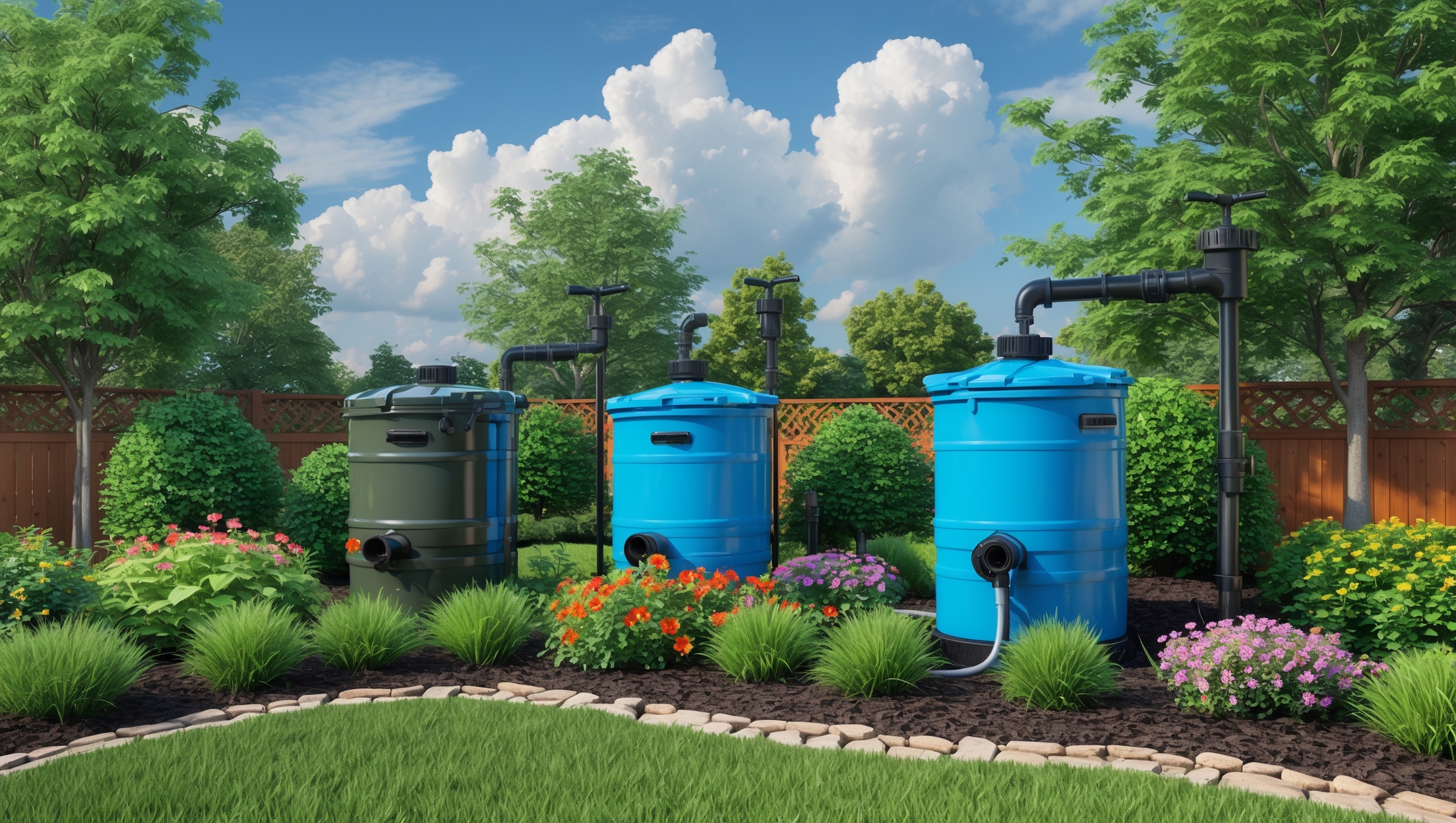
Maintenance Best Practices for Home Rainwater Harvesting Systems

Introduction: Why Maintenance Matters for Rainwater Harvesting Systems
Rainwater harvesting is gaining traction among homeowners who value sustainability, self-sufficiency, and reduced water bills. Whether you’ve installed a basic barrel or a complex underground tank system, harvesting rainwater is an investment that pays off in many ways—if the system is properly maintained. Neglecting maintenance can lead to poor water quality, system failures, costly repairs, or even health hazards. With growing interest in eco-friendly home improvements, understanding how to keep your rainwater harvesting system in top condition is crucial. This comprehensive guide walks you through best practices for maintaining your collection, filtration, and storage components, ensuring your system delivers safe, high-quality water for years to come. We’ll cover cleaning schedules, troubleshooting common problems, seasonal prep, compliance pointers, and expert tips to maximize system efficiency and longevity. Whether you use harvested rainwater for irrigation, laundry, or potable uses, proper upkeep safeguards your investment and helps you make the most of every drop.
Understanding Home Rainwater Harvesting Systems
Key Components
Every rainwater harvesting system, regardless of size, is built around several core components:
- Catchment Area: Usually your roof, it collects rainfall.
- Gutters and Downspouts: Channel rainwater from the roof to storage.
- First-Flush Diverters: Discard the initial, debris-laden runoff.
- Filtration Units: Remove particulates and contaminants.
- Storage Tanks: Hold harvested water (above or below ground).
- Pumps and Distribution: Deliver water to taps or irrigation points.
Each element requires specific maintenance to ensure efficient, safe operation.
Initial Setup: Laying the Foundation for Low-Maintenance Operation
Design Choices That Simplify Maintenance
Smart design choices at installation can drastically reduce your long-term maintenance workload. Consider:
- Leaf Screens and Gutter Guards: Prevent debris from entering gutters and tanks.
- Accessible Filters and Tanks: Ensure all parts are easy to reach for inspection and cleaning.
- UV-Resistant Materials: Inhibit algae growth and material degradation.
- Overflow Paths: Direct excess water away from foundations.
Setting a Maintenance Schedule
Start a maintenance log and set reminders for routine tasks. Most systems benefit from monthly, quarterly, and annual checks. Document manufacturer instructions and local regulations for reference.
Monthly Maintenance Checklist
1. Inspect and Clean Gutters
Gutters and downspouts are the first line of defense. Clogged gutters can lead to overflows, roof damage, and contaminated water. Each month:
- Remove leaves, twigs, and debris from gutters and downspouts.
- Check for sagging or leaks and repair as needed.
2. Check First-Flush Diverters
First-flush diverters trap the initial runoff from each rain event, which carries the most debris and pollutants. Monthly tasks:
- Empty diverter chambers and rinse thoroughly.
- Inspect for blockages or worn seals.
3. Examine Filters
Filters protect your storage tank and downstream uses. Each month:
- Remove and clean mesh or cartridge filters with clean water.
- Replace disposable filters as needed per manufacturer’s recommendations.
- Check for mold, algae, or damage.
Quarterly Maintenance Tasks
1. Inspect Storage Tanks
Every three months, check the integrity of your storage tanks:
- Look for cracks, leaks, or bulging.
- Ensure lids are secure and screened vents are free of debris and insects.
- Check for signs of algae growth (especially in translucent tanks).
2. Test Water Quality (If Used for Non-Potable Indoor Uses)
For systems supplying laundry, toilets, or similar uses:
- Use test strips or kits to monitor turbidity, pH, and odor.
- Record results in your maintenance log to spot trends.
3. Clean and Lubricate Pumps
If your system uses a pump:
- Inspect for leaks or noise.
- Clean strainers/filters per manufacturer.
- Lubricate moving parts if required.
Annual Deep Cleaning and Inspection
1. Drain and Clean Storage Tanks
Once a year (preferably during a dry spell when water levels are low):
- Drain the tank completely.
- Scrub the interior with a long-handled brush and a mild, non-toxic disinfectant (such as a diluted food-grade hydrogen peroxide solution).
- Rinse thoroughly to remove all residues.
- Inspect for and repair any cracks or weak spots before refilling.
2. Flush the System
Open all taps and outlets to flush standing water and sediment from pipes and hoses.
3. Inspect Overflow and Backflow Prevention Devices
Check that overflow pipes are free of obstructions and direct water safely away from your home. Test any backflow prevention valves to ensure they are functioning properly, especially if your system connects to potable plumbing.
Seasonal Tasks: Adapting to Weather and Climate
Spring
- Remove any winter debris from gutters and catchment areas.
- Test system after the first major rainfall to check for leaks or blockages.
- Inspect for insect activity, particularly mosquito larvae in screens or open tanks.
Summer
- Monitor tanks for algae growth; shade or cover tanks if needed.
- Check evaporation rates; top up tanks if necessary (with potable water if required for indoor use).
- Increase filter checks if rainfall is heavy and frequent.
Fall
- Clear falling leaves from gutters, downspouts, and screens weekly.
- Inspect and clean first-flush diverters more frequently during leaf fall.
- Prepare for winter: insulate pipes/tanks if freezing temperatures are expected.
Winter
- Ensure tanks and pipes are insulated or drained to prevent freezing damage.
- Disconnect and store above-ground hoses and portable pumps.
- Inspect for ice blockages and repair any damage after thawing.
Common Problems and How to Fix Them
1. Algae Growth in Tanks
Algae thrive in sunlight and stagnant water. Prevent by:
- Using opaque, UV-resistant tanks.
- Positioning tanks in shaded areas or using covers.
- Cleaning tanks annually and after any visible bloom.
2. Mosquito Infestation
Standing water can attract mosquitoes. Prevent by:
- Installing tight-fitting lids and fine mesh screens on all inlets and overflows.
- Regularly inspecting screens for holes.
- Adding non-toxic mosquito dunks if needed (only in tanks used for irrigation).
3. Foul Odors
Odors often indicate organic build-up. Solutions include:
- Cleaning filters and tanks more frequently.
- Ensuring first-flush diverters are functioning.
- Flushing and refilling tanks if odor persists.
4. Low Water Pressure
This can be caused by clogged filters, sediment build-up, or pump issues. Fixes:
- Clean or replace filters.
- Flush sediment from pipes/tank bases.
- Check for airlocks in the pump system and prime if necessary.
Safety and Compliance Considerations
Water Quality Standards
If you use rainwater for potable (drinking) purposes, you must comply with strict local health standards. Regularly test water for bacteria, heavy metals, and contaminants. Install and maintain appropriate filtration and disinfection (UV or chlorination) systems.
Backflow Prevention
To protect your home’s potable supply—and municipal water—the system must include a backflow preventer if connected to plumbing. Test and maintain this device per local codes.
Inspection and Record-Keeping
Some jurisdictions require annual inspections or maintenance records for rainwater harvesting systems, especially if they connect to indoor plumbing. Keep a detailed log of all inspections, cleaning, repairs, and water tests.
Expert Tips to Maximize System Longevity
- Automate what you can: Consider installing filter flush valves or tank level monitors to reduce manual checks.
- Choose quality parts: High-grade materials may cost more upfront but pay off in reduced maintenance and longer service life.
- Install access ports: Ensure tanks have sufficient access for cleaning and inspection.
- Plan for overflow: Direct overflow away from your home’s foundation and into a rain garden or storm drain.
- Educate your household: Everyone should know how the system works and what to do in emergencies.
Conclusion: Protect Your Investment and the Environment
Rainwater harvesting systems are a smart addition to any home, but their benefits hinge on effective, ongoing maintenance. By following the best practices outlined above—from monthly gutter checks to annual tank cleanings and seasonal adaptations—you’ll ensure your system delivers clean, reliable water whenever you need it. Proper maintenance not only extends the life of your collection, filtration, and storage components but also safeguards your family’s health and the environment. It helps prevent common pitfalls like algae blooms, clogging, or costly repairs, and ensures you stay compliant with local regulations. Remember, every rainwater system is unique, so adapt these guidelines to your climate, system size, and intended use. Keep a detailed log, stay proactive with inspections, and don’t hesitate to call in a professional for complex issues or annual deep cleans. With a little diligence, your rainwater harvesting system will remain a valuable, sustainable asset for years to come, helping you save money, conserve water, and reduce your environmental footprint one drop at a time.
When installing a new rainwater storage tank, what design features should I prioritize if I want to minimize my maintenance time down the road? Are certain types of tanks or filters easier to keep clean than others?
To reduce maintenance, choose a tank with a smooth, non-porous interior like food-grade polyethylene or stainless steel, as these resist algae and sediment buildup. Opt for self-cleaning or first-flush filters, which reduce the frequency of manual cleaning. Tanks with accessible inspection ports and sloped bottoms also make cleaning easier. Avoid tanks with too many crevices or hard-to-reach areas, as these can trap debris and make maintenance harder.
Can you give more details about how often each component, like gutters, first-flush diverters, and storage tanks, should be inspected or cleaned throughout the year? I’m worried about missing a step and jeopardizing water quality.
Absolutely, keeping a schedule really helps maintain water quality. Gutters should be checked and cleared of leaves or debris at least every three months, and more often during heavy leaf fall. First-flush diverters typically need to be inspected and cleaned monthly to ensure they work properly. Storage tanks should be visually inspected quarterly for sediment or contamination, and a thorough cleaning should be done about once a year. Keeping this routine will help prevent issues and keep your system working safely.
Could you elaborate on the recommended cleaning schedules for each of the main components like the first-flush diverters and storage tanks? I’m especially interested in how often these should be maintained to avoid issues with water quality.
For optimal water quality, first-flush diverters should typically be checked and cleaned every 1 to 3 months, especially during rainy seasons when debris can build up quickly. Storage tanks usually require a thorough cleaning at least once a year, but inspecting them every 3 to 6 months for sediment or algae is wise. More frequent checks may be needed if you live in an area with heavy leaf fall or dust.
The article mentions that each component of a rainwater harvesting system needs specific maintenance. Could you explain what some of the most common issues are with filtration units and how often you should check or replace the filters?
Filtration units can often get clogged with leaves, debris, or sediment, which reduces water flow and quality. Common issues include blocked filter screens or worn-out filter cartridges. It’s best to check filters every 1 to 3 months, especially during rainy seasons. Depending on the manufacturer’s recommendations and your usage, filters usually need replacing every 6 to 12 months to keep your system running efficiently.
How should I prep my rainwater system for winter to avoid damage or costly repairs? I want to make sure I am compliant with any local guidelines but not overdo it and waste money.
To prep your rainwater system for winter, start by draining and cleaning your tanks, filters, and pipes to prevent freezing and damage. Disconnect or insulate exposed pipes, and close off valves to prevent water from entering. Check with your local municipality for any specific requirements, as some areas may need tanks to be completely drained or locked. Doing these basics will protect your system without unnecessary expense.
You mentioned seasonal prep as part of maintenance for rainwater systems. Are there specific things I should watch out for before winter in the Midwest, like freezing pipes or protecting the tank, and how early should I start that prep?
Before winter in the Midwest, it’s important to drain and insulate any exposed pipes to prevent freezing. Make sure your tank is either emptied or has a cover to keep out debris and ice. Disconnect and store rainwater collection components that could be damaged by freezing temperatures. Ideally, start this prep in early fall, before the first frost, to avoid any weather surprises.
I see pumps and distribution are listed as key components. If the system is mostly for irrigation and not indoor use, do you recommend a different type of pump or maintenance approach compared to systems supplying potable water?
For irrigation-only systems, you can typically use simpler, non-potable-grade pumps since water quality standards are less strict than for drinking water. Maintenance is usually a bit easier—focus on preventing clogs from debris and checking for leaks or pressure drops. Unlike potable systems, you don’t need to sanitize or monitor for pathogens, but regular cleaning of filters and pump parts is still important for efficient operation.
Can you explain how often the first-flush diverter should be cleaned or checked, and what signs I should look for that it’s not working properly? I’m worried about missing something and ending up with poor water quality.
The first-flush diverter should be checked and cleaned at least every 2 to 3 months, and always after heavy rain. Look for debris buildup, blockages, or any water not diverting as it should. If you notice water overflowing or bypassing the diverter, or if it seems stuck or clogged, it’s a sign that maintenance is needed. Regular checks will help keep your water quality high.
If the water starts smelling odd or looks discolored, what are the most common causes in home rainwater systems, and what is the first thing a homeowner should check before calling in a professional?
Odd smells or discoloration in your rainwater usually point to organic debris buildup, stagnant water, or contamination from the roof or gutters. The first thing to check is your system’s filters, leaf screens, and the tank itself for accumulated debris or sludge. Cleaning these components and flushing the system often resolves the issue without needing a professional.
We have a rain barrel setup mainly for watering the garden, and I’m struggling to find a cleaning schedule that fits into our weekly routine with kids’ activities and work. How often do you really need to clean the filters and tanks for a basic home system?
For a basic rain barrel setup used for garden watering, cleaning the filter every 1–2 months is usually sufficient, especially during heavy rainfall periods when debris can build up quickly. The barrel itself only needs a thorough cleaning about twice a year, ideally at the start and end of your watering season. You can adjust this to fit your busiest times, but these intervals should keep your system running smoothly without too much disruption.