
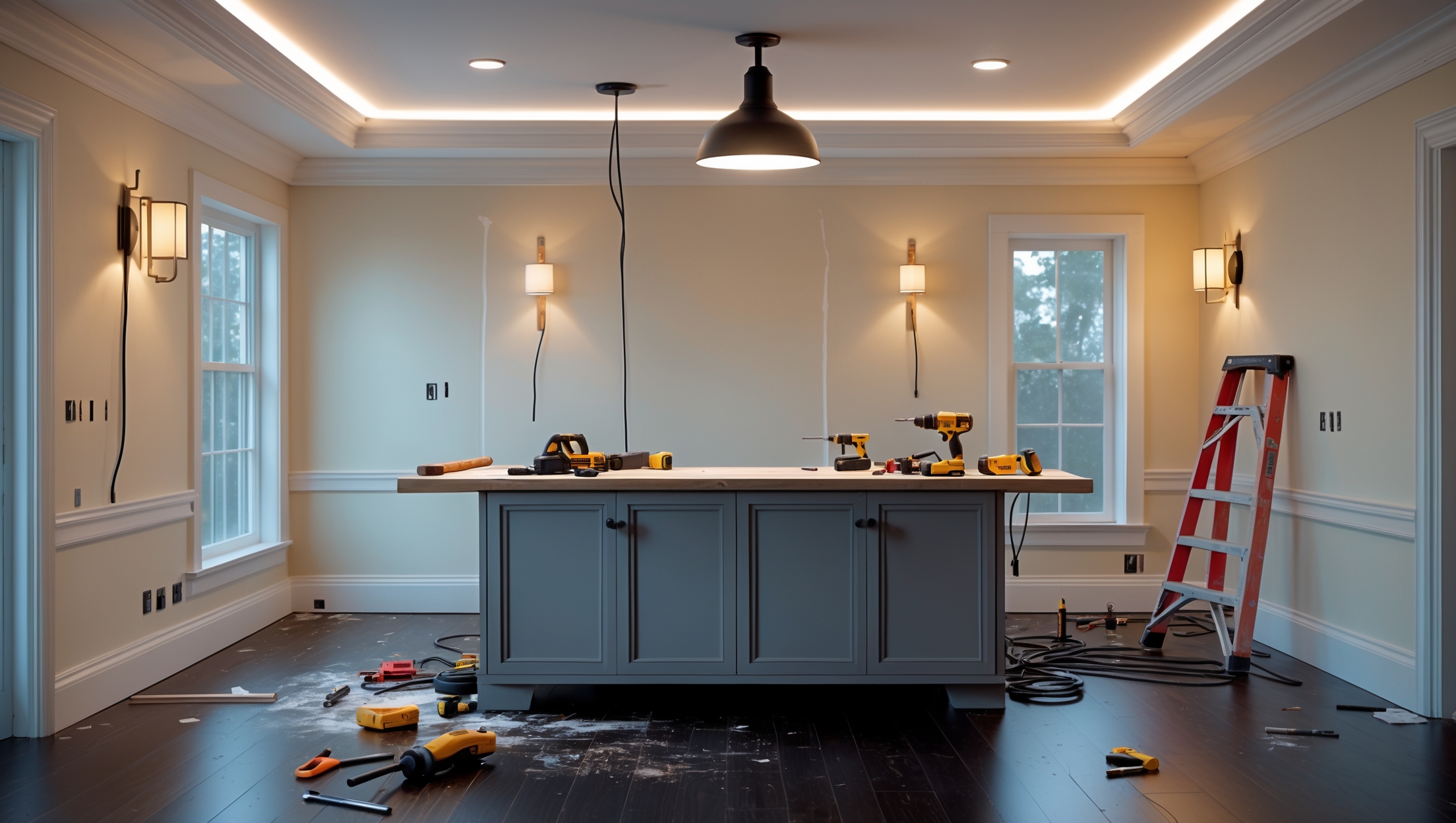
Avoiding Common Mistakes When Upgrading Home Lighting: Cost, Compliance, and Efficiency Tips

Introduction: Why Home Lighting Upgrades Demand Careful Planning
Upgrading your home’s lighting system is one of the most impactful improvements you can make. Not only does it enhance aesthetics and ambiance, but it can also increase energy efficiency, bolster home value, and improve daily comfort. However, lighting upgrades are fraught with pitfalls for beginners and experienced DIYers alike. From miscalculating your budget to overlooking electrical codes, the smallest oversight can lead to costly errors, failed inspections, or even safety hazards.
This detailed guide will walk you through the most common mistakes homeowners make when upgrading home lighting. We’ll break down the real costs involved, explain compliance and permit essentials, share practical efficiency tips, and provide actionable advice to ensure your project runs smoothly from start to finish. Whether you’re swapping out a few fixtures or planning a whole-home overhaul, this resource will help you avoid expensive missteps and achieve lighting that truly transforms your space.
Understanding Home Lighting Upgrades: Scope and Goals
Types of Lighting Projects
- Fixture Replacement: Swapping old fixtures for new styles, often for aesthetics or improved light output.
- Adding New Fixtures: Installing additional lighting (e.g., recessed lights, under-cabinet LEDs) to eliminate dark spots.
- Switch and Control Upgrades: Integrating dimmers, smart switches, or motion sensors for greater control and efficiency.
- Whole-Home Rewiring: Updating outdated wiring for safety and code compliance, often in older homes.
Defining Your Objectives
Before starting, clarify your goals. Are you primarily seeking improved energy efficiency, better task lighting, modern style, or smart-home integration? Your objectives will dictate the products, budget, and level of professional involvement required.
Common Mistakes in Home Lighting Upgrades—And How to Avoid Them
1. Underestimating Project Costs
One of the most frequent errors is under-budgeting. Lighting upgrades often involve more than just the cost of fixtures. Consider:
- Fixture costs: Range widely ($20–$500+ per fixture) depending on style and quality.
- Wiring and electrical supplies: Junction boxes, wire, connectors, and switches add up.
- Professional labor: Licensed electrician rates average $50–$100/hour.
- Patch and paint: Ceiling or wall repairs after installation.
- Permit fees: Vary by municipality ($50–$500+).
Tip: Always get itemized quotes from electricians and check for hidden costs like disposal of old fixtures or required upgrades to electrical panels.
2. Ignoring Electrical Codes and Permit Requirements
Many homeowners skip permits for minor lighting changes, but this is risky. Local codes may require permits for:
- Adding new circuits or outlets
- Installing recessed (can) lights
- Working in wet areas (bathrooms, kitchens)
Unpermitted work can lead to failed inspections, fines, or problems when selling your home.
Tip: Always check with your local building department before starting. Even if permits aren’t required, following code ensures safety and insurability.
3. Choosing the Wrong Type of Fixtures or Bulbs
Selecting the wrong lighting can lead to poor illumination, eye strain, or wasted energy. Common mistakes include:
- Bulb wattage mismatch: Overloading fixtures can cause overheating or fire.
- Wrong color temperature: Too cool (bluish) or warm (yellow) light alters the room’s mood.
- Incompatible dimmers: Not all LEDs work with all dimmers, causing flickering or limited dimming.
Tip: For general living spaces, use warm white (2700K–3000K) LEDs. Always check fixture specifications for bulb compatibility and maximum wattage.
4. Overlooking Electrical Load and Circuit Capacity
Adding too many fixtures to an existing circuit can overload it, causing tripped breakers or fire hazards. This is especially common in older homes with limited circuits.
Tip: Calculate total wattage on each circuit. Consult an electrician if adding more than 600W of lighting to a standard 15-amp circuit or if your panel is already near capacity.
5. Poor Lighting Placement and Design
Even expensive fixtures will disappoint if placed incorrectly. Frequent errors include:
- Recessed lights too close together, creating harsh shadows
- Pendant lights hung at the wrong height, causing glare
- Insufficient task lighting in kitchens or offices
- Ignoring natural light and window placement
Tip: Use a layered lighting plan: combine ambient, task, and accent lighting. Test placements with temporary fixtures before final installation.
6. Neglecting Smart Lighting Compatibility
With the rise of smart homes, integrating lighting controls with apps or voice assistants is increasingly popular. Mistakes include:
- Installing non-dimmable LEDs on smart dimmer switches
- Choosing bulbs incompatible with your preferred ecosystem (e.g., Alexa vs. Google Home)
- Forgetting to update wiring for new control systems
Tip: Research compatibility before purchase. Consider future-proofing your wiring for potential upgrades.
Cost Breakdown: What to Expect When Upgrading Lighting
Fixture Costs by Room Type
- Living Room: $100–$1,000+ (chandeliers, recessed, accent)
- Kitchen: $150–$1,200 (pendants, track, under-cabinet)
- Bathroom: $80–$600 (vanity, moisture-rated ceiling)
- Bedroom: $80–$500 (ceiling, wall sconces)
- Exterior: $100–$800 (flood, landscape, porch)
Labor and Installation
- Simple fixture swap: $50–$200 per fixture
- New circuit installation: $300–$800 per circuit
- Smart control integration: $100–$500 per zone
Permit and Inspection Fees
- Permit costs: $50–$500, depending on project scope and municipality
- Inspection: Often included in permit fee, but re-inspections may incur extra charges if initial work fails
Hidden Costs
- Repairs to drywall or ceiling after wiring
- Upgrades to outdated electrical panels or grounding systems
- Disposal of old fixtures (especially fluorescent or mercury-containing bulbs)
Budgeting Tips
- Get multiple quotes from licensed electricians
- Factor in a 10–20% contingency for surprises
- Choose energy-efficient fixtures to save on long-term utility costs
Compliance and Permit Essentials for Lighting Upgrades
When Permits Are Required
Permits are usually required for:
- New wiring, circuits, or major fixture additions
- Work in bathrooms, kitchens, or wet locations
- Upgrading electrical panels or adding exterior lighting
Tip: Call your local building department or check their website for specific requirements before starting work.
Understanding the National Electrical Code (NEC)
- Box fill limits: Avoid overcrowding electrical boxes with too many wires.
- GFCI protection: Needed for bathroom and kitchen lighting circuits.
- Fixture rating: Use damp-/wet-rated fixtures in appropriate areas.
- Wire gauge: Match wire size to circuit amperage to prevent overheating.
Inspection Process
After installation, a city or county inspector will:
- Check wiring for code compliance
- Test fixture operation and circuit protection
- Verify correct labeling and panel updates
Failed inspections may require costly rework and delay project completion.
Maximizing Energy Efficiency in Your Lighting Upgrade
Benefits of Energy-Efficient Lighting
- Lower utility bills
- Reduced environmental impact
- Longer bulb and fixture lifespan
Choosing Efficient Products
- LEDs: Use 75–80% less energy than incandescents
- ENERGY STAR fixtures: Certified for performance and savings
- Smart controls: Automate usage to reduce waste
Practical Upgrades for Every Room
- Occupancy sensors: Ideal for bathrooms, closets, and hallways
- Dimmers: Adjust output to match needs and save energy
- Daylight integration: Use timers or smart controls to supplement natural light
Step-by-Step Guide: Planning and Executing a Lighting Upgrade
1. Assess Your Current Lighting
- Document all existing fixtures and controls
- Note areas that are too dark or overlit
- Check for outdated wiring or unsafe conditions
2. Design Your New Lighting Plan
- Sketch room layouts and fixture placements
- Select fixture types, styles, and bulb temperatures
- Decide on control systems (manual, dimmer, smart)
3. Set a Realistic Budget
- Price out fixtures, supplies, and professional labor
- Add permit, repair, and contingency costs
4. Hire Qualified Professionals
- Research licensed electricians with lighting experience
- Ask for references and proof of insurance
- Review written estimates and timelines
5. Obtain Required Permits
- Submit plans or drawings to your local building department
- Pay permit fees and schedule required inspections
6. Execute the Upgrade
- Remove old fixtures and prepare surfaces
- Install new wiring, boxes, and controls as needed
- Mount fixtures and test operation
- Repair any wall or ceiling damage
7. Pass Final Inspection
- Ensure all work meets code
- Correct any deficiencies noted by inspectors
8. Enjoy and Maintain Your New Lighting
- Register products for warranty coverage
- Replace bulbs with matching types as needed
- Review controls and settings for optimal performance
Maintenance and Safety Best Practices for Upgraded Lighting
Routine Maintenance
- Clean fixtures and bulbs regularly to maintain brightness
- Inspect for loose connections or flickering
- Replace aging LEDs or smart bulbs before failure
Safety Checklist
- Turn off power at the breaker before any DIY work
- Use non-conductive ladders when working near wiring
- Check for moisture or corrosion in bathroom/kitchen fixtures
- Keep flammable materials away from fixtures
Conclusion: Achieving Hassle-Free, Efficient Lighting Upgrades
Upgrading your home lighting is more than a style choice—it’s an investment in comfort, safety, and long-term value. By avoiding common mistakes like underestimating costs, skipping permits, or choosing incompatible products, you can ensure a seamless project that meets your needs and local regulations. Careful planning, budgeting, and professional guidance are key to avoiding expensive or dangerous pitfalls.
Remember, lighting is about more than brightness—proper placement, efficient technology, and smart controls can dramatically improve your home’s ambiance and utility bills. By understanding compliance essentials and adopting best maintenance practices, you’ll enjoy reliable, beautiful lighting for years to come. Whether you tackle a simple fixture swap or a whole-home upgrade, the right approach will save you money, time, and frustration. Let your lighting upgrade illuminate not just your rooms, but your path to smarter, safer home improvement.
The article mentions miscalculating your budget as a common pitfall. Are there any recommended strategies or checklists for accurately estimating the true cost of both materials and professional labor before starting a lighting project?
To estimate the true cost of a lighting project, start by listing every fixture, bulb, switch, and accessory you’ll need, then get price quotes from multiple suppliers. For labor, request detailed estimates from at least three licensed electricians, making sure they include potential extras like permits or unexpected wiring issues. It’s also wise to set aside an additional 10–20% of your total budget for unforeseen expenses.
When it comes to upgrading switches and controls, like adding dimmers or smart switches, how can I make sure the new components are fully compatible with the wiring in an older home? Are there common compatibility issues I should watch out for?
When upgrading to dimmers or smart switches in an older home, check if your existing wiring has a neutral wire, as many smart switches require one. Verify the load type—some dimmers work only with certain bulbs like LEDs or incandescents. Also, older wiring may not be grounded or may use different color codes, so double-check compatibility in the switch’s documentation. If you’re unsure, consulting an electrician is a safe way to avoid common issues.
The article mentions miscalculating the budget as a common mistake. Could you share some ballpark figures or unexpected expenses people often run into when upgrading lighting, especially if they want to include smart switches or motion sensors?
When upgrading to smart lighting, material costs often range from $15–$50 per smart bulb and $30–$70 per smart switch or motion sensor. Unexpected expenses can include hiring an electrician (typically $50–$100 per hour), needing new wiring for smart switches, or buying a compatible hub. Don’t forget to factor in patching walls after installation or possible upgrades to your home’s Wi-Fi for best performance.
The article mentions compliance and permit essentials for lighting upgrades. If I’m only replacing light fixtures without adding new wiring or circuits, do I still need to worry about permits or inspections?
If you’re simply replacing existing light fixtures and not adding new wiring or altering circuits, permits and inspections are generally not required in most areas. However, local regulations can vary, so it’s a good idea to double-check your city or county’s building codes just to be safe. Always ensure you turn off power at the breaker before starting any work.