
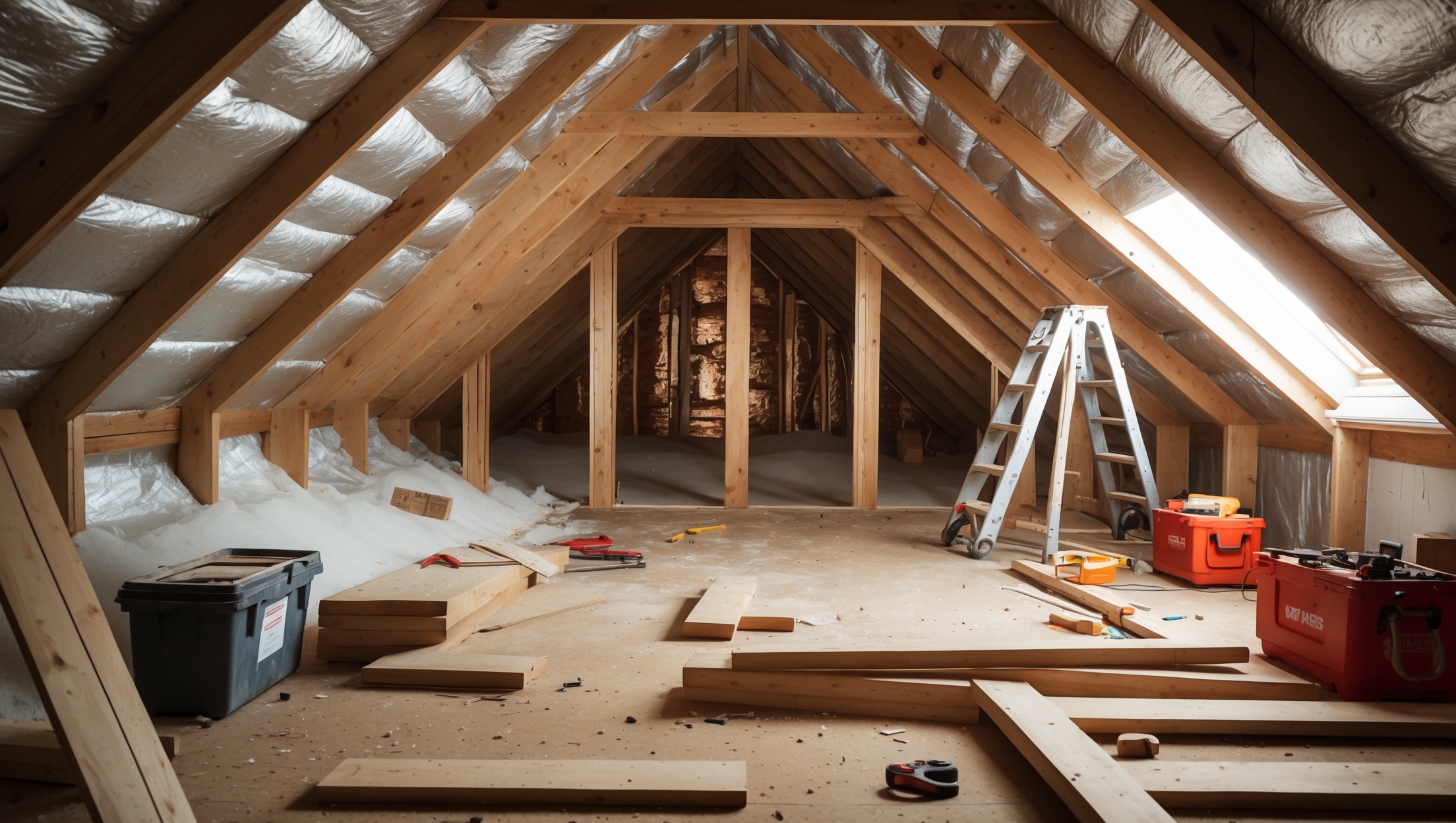
Insurance Essentials for DIY Attic Conversions: Protecting Your Investment from Day One

Introduction: Why Insurance Matters for Your DIY Attic Conversion
Attic conversions are one of the most rewarding home improvement projects. They add functional space, increase property value, and can serve as bedrooms, offices, or creative retreats—all without expanding your home’s footprint. But converting your attic is also an ambitious undertaking, especially if you’re handling the work yourself. While many DIYers focus on design, permits, and materials, there’s a crucial component that’s often overlooked: homeowner’s insurance.
Insurance isn’t just a box to check for peace of mind. The right coverage protects you from financial disaster if accidents occur, materials are stolen, or mistakes lead to costly repairs. Even more, insurance can affect your ability to sell your home or refinance after the project. In this guide, we’ll break down what types of insurance you need before, during, and after a DIY attic conversion, how to avoid common coverage gaps, and what proactive steps you can take to safeguard your investment from day one. Whether you’re still in the planning phase or already knee-deep in insulation, this article will help you navigate the insurance landscape with confidence.
Understanding the Risks of DIY Attic Conversions
Potential Hazards Unique to Attic Projects
Attic conversions present unique challenges not found in other remodeling projects. Here are some risk factors you must consider:
- Structural Integrity: Attics may not be designed to bear the weight of living spaces. DIY mistakes can compromise your home’s structure, leading to expensive damages or even collapse.
- Electrical and Fire Hazards: Adding outlets, lighting, or HVAC in cramped, poorly ventilated spaces increases fire risks—especially if you’re not a licensed electrician.
- Water Damage: Roof penetrations for skylights or ventilation can lead to leaks if not properly sealed.
- Injury Risks: Working in a confined, elevated space increases fall and injury potential—for you and anyone helping.
- Theft and Vandalism: Exposed tools and materials are attractive to thieves, particularly if the project takes weeks or months.
Consequences of Inadequate Insurance
Without proper insurance, you could face:
- Out-of-pocket repairs from accidental damage or faulty workmanship
- Denied claims if a fire, leak, or injury is linked to unpermitted or uninsured work
- Legal liability if a friend or contractor is hurt on your property
- Reduced resale value or mortgage issues if improvements aren’t disclosed or insured
Reviewing Your Current Homeowners Policy
What Your Policy May Cover (and What It Doesn’t)
Most standard homeowners insurance policies include coverage for sudden and accidental damage, liability, and the dwelling itself. However, DIY renovations often fall into gray areas. Typically, your policy may:
- Exclude damages caused by improper renovations or code violations
- Limit coverage for structures under construction or major remodels
- Require notification of significant changes to the home’s structure or use
Steps to Take Before You Start
- Contact Your Insurer: Inform them about your plans. Ask specific questions about coverage during and after the project.
- Request Written Confirmation: Don’t rely on verbal assurances. Get a written statement on what is and isn’t covered.
- Review Exclusions: Pay close attention to sections about “dwelling under construction,” “intentional acts,” and “unpermitted work.”
Specialized Insurance Options for DIY Projects
Builder’s Risk Insurance
Builder’s risk insurance (also called “course of construction” insurance) covers property damage to your home while it’s under major renovation or construction. For attic conversions, this might include:
- Fire, wind, or storm damage to the unfinished space
- Theft or vandalism of materials and tools
- Damage from accidental mishaps during the build
Builder’s risk policies are often time-limited and must be obtained before the project begins. Some insurers offer them as add-ons to your existing policy, while others require a separate policy.
Increased Liability Coverage
If you hire subcontractors (even for a few hours), your liability exposure increases. Consider raising your policy’s liability limits or purchasing an umbrella policy. If friends or neighbors help, ensure your medical payments coverage is adequate in case of injuries.
Equipment and Tool Insurance
Standard homeowner policies rarely cover high-value tools or rented equipment for DIY projects. Standalone tool insurance or a temporary equipment floater can protect your investments.
Addressing Compliance and Documentation
Permits and Code Compliance
Insurance claims may be denied if work wasn’t performed to code or completed without proper permits. Before starting your attic conversion:
- Research local permit requirements for attic conversions. Common triggers include electrical, plumbing, structural changes, or egress window installation.
- Keep copies of all permits, inspection reports, and compliance documents.
- Photograph the project at every stage for your records.
Documenting Your Improvements
Thorough documentation aids insurance claims and future resale. Best practices include:
- Before-and-after photos
- Receipts for materials, fixtures, and equipment
- Detailed project timeline or construction journal
- Inspection sign-offs from local authorities
Protecting Yourself During the Project
Mitigating Risks to People and Property
Insurance is just one part of risk management. Take additional steps to reduce the chance of costly incidents:
- Install temporary barriers or warning signs to keep family and pets away from the work zone.
- Store tools and materials securely when not in use.
- Use appropriate personal protective equipment (PPE) for everyone on site.
- Follow manufacturer instructions for all materials and equipment.
- Schedule inspections at key milestones to catch issues before they escalate.
Managing Subcontractors and Helpers
- Request proof of insurance from any subcontractors or tradespeople you hire.
- Never assume a “friend helping out” is covered; check your liability and medical payments coverage.
- Require written agreements for any paid work, outlining responsibilities and insurance requirements.
After the Project: Updating Your Coverage
Adjusting Your Home Value and Coverage Limits
Once your attic conversion is complete, your home’s value, square footage, and risk profile may change. To remain fully protected:
- Notify Your Insurer: Provide details of the finished space, including photos and documentation.
- Increase Dwelling Coverage: Adjust your policy’s replacement cost to reflect the new improvements.
- Update Personal Property Coverage: If you’ve added expensive fixtures or furniture to the new space, ensure they’re covered.
Disclose Improvements for Future Resale
Full disclosure of permitted, insured improvements protects you in future real estate transactions and appraisals. Retain all documentation as part of your home’s permanent records.
Common Insurance Myths About DIY Attic Conversions
- “My standard policy covers any improvements.” Reality: Most policies exclude major renovations unless reported in advance and may require endorsements.
- “Permits aren’t necessary if I do the work myself.” Reality: Insurance claims can be denied for unpermitted work, regardless of who did it.
- “If a friend helps out and gets hurt, they’re covered.” Reality: Standard policies may limit medical payments for non-residents or non-professionals on site.
- “Tool theft is always covered.” Reality: High-value tools or rented equipment usually need special coverage.
Insurance Checklist for DIY Attic Conversions
- Notify your insurer about the planned attic conversion before starting.
- Request a formal review of your current policy’s renovation-related coverage and exclusions.
- Consider builder’s risk insurance for the duration of the project.
- Increase liability coverage if you’ll have helpers or contractors.
- Obtain or verify tool/equipment insurance for high-value items.
- Secure all necessary permits and schedule required inspections.
- Maintain thorough documentation—photos, receipts, permits, and inspection reports.
- Adjust your policy after completion to reflect increased home value and new contents.
Pro Tips for a Smooth, Insurable Attic Conversion
- Read your entire insurance policy, focusing on renovation clauses and exclusions.
- Don’t delay communicating with your agent; it’s easier to add coverage in advance than to plead your case after a loss.
- Keep a digital backup of all project documentation in a cloud service.
- Photograph your attic before, during, and after every major step.
- Factor insurance premiums and fees into your overall project budget.
Conclusion: Protecting Your Hard Work and Your Home
Converting your attic is an exciting way to expand your home’s potential, but it comes with responsibilities that extend far beyond framing and drywall. Insurance may seem like just another item on a long project to-do list, yet it is the safety net that protects your investment, your family, and your financial future. Failing to secure the proper coverage can turn a dream project into a financial nightmare, with denied claims, legal liabilities, and diminished property value looming as real risks.
The process starts before the first nail is hammered. By notifying your insurer early, securing the right mix of builder’s risk, liability, and equipment coverage, and meticulously documenting every step, you position yourself to avoid common pitfalls. Compliance with local permits and building codes is not just a matter of legality—it’s a prerequisite for coverage. Once your project is done, updating your policy ensures your new space is fully protected and adds legitimate value to your home.
Remember, every attic and every policy is unique. Consult with insurance professionals, be transparent about your plans, and don’t cut corners on permits or documentation. With thoughtful preparation, your attic conversion can be a source of pride, utility, and increased value for years to come—secure in the knowledge that your hard work is protected against the unexpected.
I’m starting to plan a DIY attic conversion and I’m a bit confused about when I need to tell my insurance company about the project. Should I notify them before I start any work, or can I wait until after the permit is approved or construction is underway?
It’s best to notify your insurance company before you start any work on your attic conversion, even before permits are approved or construction begins. This way, your insurer can advise you on coverage during the renovation and ensure there are no gaps that could affect claims if something happens during the project. Early communication helps protect your investment from day one.
I’m planning an attic conversion and will be doing most of the work myself. How should I talk to my insurance company to make sure any DIY mistakes or accidents are actually covered during the project?
When speaking with your insurance company, let them know you’re undertaking a DIY attic conversion and specify which parts you’ll be handling yourself. Ask if your current policy covers homeowner-led renovations, including accidental damage or personal injury during the project. Request written confirmation of any coverage changes or additional policy options, such as renovation or builder’s risk insurance, to ensure you’re protected from the start.
You mentioned issues with structural integrity in DIY attic conversions. Are there specific types of insurance or riders I should ask about that cover mistakes I might make myself, as opposed to hiring a contractor?
Most standard homeowners insurance policies won’t cover mistakes made during DIY renovations, including attic conversions. You can ask your insurer about a renovation or construction rider, but these often require licensed contractors. For DIY work, consider looking for specific ‘builder’s risk’ policies or endorsements for self-managed projects. Always disclose your DIY plans to your insurer to avoid claim denials and make sure you’re following local building codes and permit requirements.
If I’m planning to do the electrical work myself instead of hiring a licensed electrician, does that affect my eligibility for certain types of coverage, or could it lead to denied claims if something goes wrong later?
Doing the electrical work yourself can impact your insurance coverage. Many insurers require that electrical work is completed by a licensed professional to ensure safety and compliance with building codes. If you do the work yourself and a problem occurs, your claim could be denied, and you might even be ineligible for certain policies. It’s best to check with your insurer before starting, as requirements can vary.
When budgeting for this attic project, should I be factoring in extra costs for special insurance riders, or would typical homeowner’s policies generally cover things like materials theft and accidental damage while work is in progress?
You should definitely check with your insurance provider before starting your attic conversion. Most standard homeowner’s policies don’t automatically cover materials theft or accidental damage during renovations. You may need to add a special rider or temporary construction endorsement to ensure you’re fully protected. It’s wise to factor these extra insurance costs into your project budget from the beginning.
You mentioned that DIY mistakes can compromise structural integrity or create fire hazards. Would a standard homeowner’s policy cover damages caused by my own errors, or do I need special renovation insurance while the project is going on?
A standard homeowner’s policy typically does not cover damages resulting from DIY errors, especially if the work was unpermitted or failed to meet code requirements. For protection during the renovation, you should consider a renovation or builder’s risk policy, which can cover certain risks while work is ongoing. Always inform your insurer about major projects—they may have requirements or offer specific coverage options.
You mentioned that attic conversions can impact your ability to refinance or sell your home. Could you explain how insurance coverage plays into that? Are there specific things I should mention to my insurer or potential buyers to avoid issues down the road?
Insurance coverage is important because lenders and buyers want assurance that the converted attic meets safety and building code standards. If your attic conversion isn’t insured properly, it could raise red flags during refinancing or a sale. Be sure to inform your insurer about the conversion, provide documentation that it meets local codes, and update your policy if needed. When selling, show proof of permits and insurance coverage to give buyers confidence.