
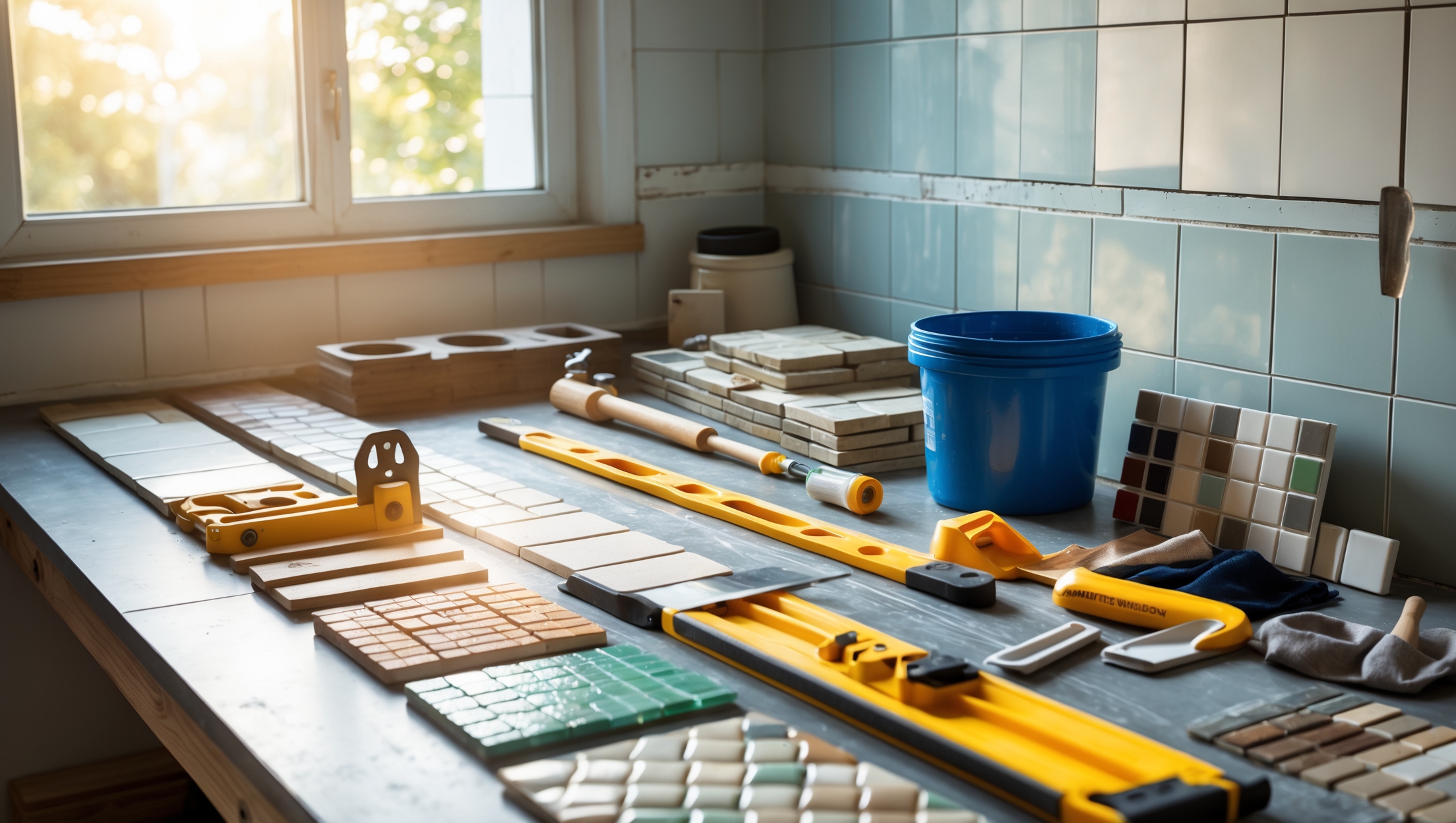
Essential Tools and Equipment Guide for Safe and Efficient Tile Installation

Introduction: Why the Right Tools Matter in Tile Installation
Tile installation is a transformative home improvement project that delivers instant visual impact and long-lasting durability—if it’s done right. Whether you’re updating a kitchen backsplash, refreshing a bathroom floor, or tackling a full-scale renovation, the tools you use make all the difference. Many DIYers underestimate the importance of choosing the correct equipment, resulting in uneven tiles, wasted materials, or even personal injury. In this comprehensive guide, we’ll walk you through every essential tool and piece of equipment you need for safe, efficient, and professional-grade tile installation. We’ll also cover safety tips, tool selection criteria, and expert insights so you can approach your next tiling project with confidence. The right preparation ensures your time and money are well spent, and that your finished result looks and lasts as intended.
Planning Your Tile Project: Assess Before You Begin
Measuring and Estimation Tools
Before you pick up a trowel, start with accurate measurements. Use a measuring tape (at least 16 feet) and a carpenter’s square to map out your workspace. Laser distance measurers offer even greater accuracy for large rooms. A notebook or digital planning app helps you track dimensions and calculate tile quantities, accounting for waste and pattern layout. Calculating the number of tiles needed, plus an extra 10% for cuts and breakage, prevents expensive last-minute runs to the store.
Surface Assessment and Preparation
Check your subfloor or wall for flatness, moisture, and structural soundness. A spirit level and straightedge help identify dips or high spots. Large jobs may benefit from a laser level for precision. If moisture is a concern (as in bathrooms), a moisture meter ensures surfaces are within safe ranges for adhesive bonding.
Core Tile Installation Tools: What You Can’t Skip
Tile Cutters
- Manual Tile Cutter: Ideal for straight cuts on ceramic and porcelain tiles. Choose a cutter with a stable base and durable scoring wheel.
- Wet Saw: For intricate cuts, thick tiles, or natural stone, a wet saw with a diamond blade is essential. It reduces chipping and delivers cleaner edges.
- Tile Nippers: These handheld tools are perfect for trimming small curves or notches around obstacles like pipes or outlets.
- Angle Grinder (with diamond blade): Useful for unique shapes and cutting around fixtures; always use with appropriate safety guards and PPE.
Adhesive Application Tools
- Notched Trowel: Select the correct notch size for your tile type—larger tiles need deeper notches for proper coverage. Stainless steel trowels are durable and easy to clean.
- Margin Trowel: For mixing and scooping adhesive in tight spaces.
- Mixing Paddle: Attach to a drill for lump-free adhesive or grout mixing. Manual mixing is possible for small batches but less consistent.
Tile Placement Aids
- Tile Spacers: Ensure uniform grout lines, available in various sizes for different design aesthetics.
- Rubber Mallet: Gently tap tiles into place without cracking them.
- Level: A bubble or laser level ensures tiles are set perfectly flat. Check each row as you go.
Grouting and Finishing Tools
- Rubber Grout Float: Evenly spreads grout into joints without damaging tiles.
- Sponge: Use a large, damp sponge for wiping excess grout from tile surfaces before it dries.
- Bucket: At least two—one for mixing grout and one for clean water during cleanup.
- Grout Sealer Applicator: For sealing porous or natural stone tile joints after curing.
- Caulking Gun: Essential for applying silicone or acrylic sealant at corners and expansion joints.
Personal Protective Equipment (PPE): Safety First
Tile installation involves sharp tools, airborne dust, and sometimes caustic materials. Protect yourself with:
- Safety Glasses or Goggles: Prevents injury from flying tile fragments and dust.
- Work Gloves: Look for cut-resistant gloves for handling tiles and sharp tools.
- Knee Pads: Prolonged kneeling can damage joints—quality gel knee pads are a must for floor jobs.
- Dust Mask or Respirator: Vital when cutting tiles, mixing powder adhesives, or working in poorly ventilated areas.
- Hearing Protection: If you use a wet saw or power grinder, earmuffs or plugs protect your hearing.
- Steel-Toed Boots: Heavy tiles and tools can cause foot injuries if dropped.
Optional Pro Tools That Boost Efficiency
- Laser Level: For long, straight lines and perfect alignment, especially on large walls or floors.
- Tile Lippage System: Helps prevent uneven tile edges (lippage) on large-format or rectified tiles.
- Electric Mixer: For mixing large batches of thinset or grout, saving time and effort.
- Vacuum (Wet/Dry): Keeps the workspace clean and helps prevent dust inhalation.
- Suction Cups: For handling large tiles or glass mosaics safely, reducing breakage risk.
Step-by-Step: Setting Up Your Tile Installation Workspace
1. Organize and Inspect Your Tools
Lay out all tools and equipment on a sturdy table or workbench. Inspect for wear, missing parts, or dull blades—replacing anything worn ensures efficiency and safety. Sharpen scoring wheels and clean trowels or sponges from previous jobs.
2. Prepare the Surface
- Remove old flooring, adhesives, and debris with a scraper or oscillating multi-tool.
- Vacuum thoroughly to eliminate dust.
- Check for moisture with a meter, especially in bathrooms or basements.
- Repair dips or cracks with appropriate filler or leveling compound.
3. Plan Your Layout
- Mark reference lines using a chalk line or laser.
- Dry-lay a few rows to visualize the pattern and identify tricky cuts in advance.
- Arrange tile boxes from multiple batches to blend color variations.
4. Set Up Cutting and Mixing Stations
- Place the tile cutter or wet saw on a stable, well-lit surface—ideally outdoors or in a ventilated area to control dust and water spray.
- Mix adhesive or grout in a dedicated area with easy access to water.
- Keep all PPE within reach and use it consistently.
Maintenance and Care of Your Tools
Clean After Every Use
Adhesive and grout harden quickly and can ruin tools. Rinse trowels, buckets, and mixing paddles immediately after use. Remove dust from cutters and saws. Oil moving parts on mechanical cutters to prevent rust.
Store Tools Properly
Keep sharp tools in protective cases or wrapped in cloth to avoid accidental cuts. Store power tools in dry, dust-free environments. Regularly check blades and replace as needed. Inspect electrical cords for fraying or damage before each use.
Expert Tips: Avoiding Common DIY Tile Installation Pitfalls
- Don’t rush surface prep: Skipping leveling or cleaning leads to uneven tiles and weak adhesion.
- Use the right trowel: Mismatched notch size means poor adhesive coverage and loose tiles.
- Replace dull blades: Dull cutters crush rather than score tiles, resulting in jagged edges.
- Keep spacers consistent: Inconsistent grout lines look unprofessional and can weaken the installation.
- Never skip PPE: Even short jobs can cause eye or hand injuries—safety gear is non-negotiable.
Budgeting for Tile Installation Tools
Buy, Rent, or Borrow?
If you’re tackling multiple tile projects, investing in quality tools pays off in long-term performance and results. For one-off jobs, consider renting a wet saw or borrowing specialized tools from a tool library. Always factor in PPE as a necessary expense, not an optional one.
Estimated Tool Costs
- Manual Tile Cutter: $30–$100
- Wet Saw (Purchase): $200–$500 (Rental: $30–$50/day)
- Grout Float & Trowels: $10–$30 each
- Knee Pads: $20–$50
- Laser Level: $50–$200
- PPE (Full Kit): $50–$150
Balancing tool quality and cost is key. Avoid cheap, poorly reviewed tools—they can cause more frustration (and mistakes) than they’re worth.
Safety Checklist for Tile Installation
- Inspect all tools for defects before use.
- Always wear safety glasses and gloves when cutting tiles or mixing materials.
- Use knee pads for floor work.
- Work in a ventilated area or use dust extraction when cutting or grinding tiles.
- Keep your workspace organized—avoid trip hazards from cords, tools, or loose tiles.
- Never operate wet saws or power tools with wet hands or standing water nearby.
- Have a first aid kit on hand for minor cuts or scrapes.
Conclusion: Equip Yourself for Lasting Results
Successful tile installation isn’t just about choosing beautiful tiles—it’s about the preparation and tools behind the scenes. By investing in the right equipment, following safety protocols, and maintaining your tools, you’ll achieve professional-quality results that stand the test of time. Remember, meticulous planning and quality gear prevent the most common DIY tiling headaches: uneven surfaces, cracked tiles, and wasted materials. For homeowners new to tiling, starting with the basics and gradually expanding your toolkit as your skills grow is a smart strategy. If you’re an experienced DIYer, upgrading to pro-level tools like laser levels or tile lippage systems can further enhance your craftsmanship. No matter your skill level, prioritize safety at every step—PPE and proper tool use protect both you and your project investment. With careful preparation and the right gear, you’ll enjoy the satisfaction and value of a well-tiled space for years to come.
Do you have recommendations for an affordable, entry-level laser level that would still provide enough precision for a DIY bathroom floor project? I’m trying to balance budget with the need for accuracy as you mention in the planning section.
For a DIY bathroom floor project, a basic cross-line laser level is a great choice. Models from brands like Bosch (such as the Bosch GLL 30) or Tacklife are affordable and offer the accuracy needed for tile layout. They’re simple to use, self-leveling, and generally precise to about 1/8 inch at 30 feet, which is sufficient for most home tiling jobs. Remember to check that your chosen model can be mounted or positioned securely for hands-free use.
When estimating tile quantities, you suggest adding an extra 10 percent for cuts and breakage. In your experience, does this percentage change for more complex patterns like herringbone or mosaics, or is 10 percent enough for most layouts?
For more complex patterns like herringbone or intricate mosaics, you might want to increase your extra allowance to 15 percent or even a bit more. These layouts typically involve more cutting and can create additional waste. For straight or standard layouts, 10 percent is usually enough, but with detailed designs, ordering a little extra helps ensure you have enough matching tiles.
I noticed you recommend adding an extra 10% of tiles to account for cuts and breakage. In your experience, does this percentage change depending on tile patterns or room size, and how do you handle leftover tiles after the job is done?
Yes, the 10% extra is a general rule, but it can change based on the tile pattern and room complexity. Intricate patterns like herringbone or diagonal layouts may require a bit more, sometimes up to 15%. Larger rooms with lots of corners or obstacles might also need extra tiles. For leftovers, it’s best to keep a few spare tiles for future repairs and store them in a labeled box in a dry place.
You mention using a moisture meter to check surfaces in bathrooms before tiling. Is there a particular type or brand you recommend for DIYers, and how accurate do these meters need to be for a successful tile installation?
For DIY bathroom tiling, a basic digital pin-type moisture meter is usually sufficient. Brands like General Tools or Klein Tools offer reliable and affordable options for home use. You don’t need lab-grade accuracy—just make sure the meter can clearly indicate whether the surface is dry or still holding moisture. As long as readings show the area is within the dry range specified in the tile adhesive instructions, you’re good to go.
You mention using a moisture meter if bathrooms are involved. Can you recommend a specific type or brand that works well for checking subfloors before tile installation, especially for someone new to this kind of project?
For beginners, a pin-type moisture meter is usually the best choice since it’s simple to use and provides accurate readings for subfloors. The General Tools MMD4E is a reliable and affordable option that many DIYers find easy to operate. Another user-friendly choice is the Wagner Meters Orion 910, which is more advanced but highly accurate and durable. Both are excellent for checking subfloor moisture before tiling in bathrooms.
I see you recommend adding 10 percent extra tiles to account for cuts and breakage, but if I’m working with a pattern that wastes less material, is it safe to reduce that margin to save money?
If your tile pattern is efficient and you anticipate minimal waste, you can usually reduce the extra tile margin to about 5 percent. However, it’s still wise to have a small buffer for unexpected cuts or future repairs. Just be sure your calculations are precise and double-check your measurements before ordering.
If I’m only updating a small kitchen backsplash, do I really need a laser level or would a standard spirit level be sufficient for proper alignment? Just wondering how much I need to invest in tools for a quick weekend project.
For a small kitchen backsplash, a standard spirit level should be perfectly sufficient for achieving straight, even tile lines. Laser levels are great for larger or more complex projects, but for a quick weekend backsplash update, you don’t need to invest in one. Just make sure your spirit level is accurate and take your time lining up the first row of tiles.
The article suggests adding an extra 10% of tiles to cover cuts and breakage. If I end up with leftover tiles after installation, do you have tips for storing them or repurposing extras effectively?
Storing leftover tiles is a smart move for future repairs—just keep them in a dry, cool place and label the box with the tile type and batch number for easy matching. If you want to repurpose extras, consider using them for small projects like coasters, plant pot bases, or mosaics. They can also be donated to local schools or community centers for craft projects.