
Debunking Myths About Asbestos in Older Homes: What Modern Homeowners Need to Know

Introduction: Asbestos and the Modern Homeowner’s Dilemma
Renovating an older home is an exciting journey, but it’s one that often comes with unique challenges—none more daunting than the specter of asbestos. For decades, asbestos was hailed as a miracle material, used extensively in everything from insulation to floor tiles. Fast forward to today, and it’s become synonymous with health scares and renovation headaches. But how much of what you’ve heard is fact, and how much is fiction? If you’re contemplating updates to a house built before the 1980s, understanding the realities of asbestos is more than just a box to check—it’s essential for the safety of your family, your contractors, and even your budget.
This comprehensive guide dives into the most pervasive myths about asbestos in older homes, clarifies the facts, and outlines exactly what modern homeowners need to know before swinging a hammer. From the true risks of exposure and the legal landscape to practical safety steps and budgeting for remediation, you’ll get clear, actionable insight. Whether you’re a DIY enthusiast or hiring pros, separating myth from reality will help you make confident, informed decisions—protecting both your investment and your well-being.
Understanding Asbestos: What It Is and Where It Lurks
What Is Asbestos?
Asbestos is a naturally occurring mineral made up of fine, durable fibers. Renowned for its heat resistance, strength, and insulating properties, asbestos was used in thousands of construction materials throughout the 20th century. While it’s been heavily regulated or outright banned in many countries since the late 1970s, it remains present in millions of homes built before then.
Common Places Asbestos Hides in Older Homes
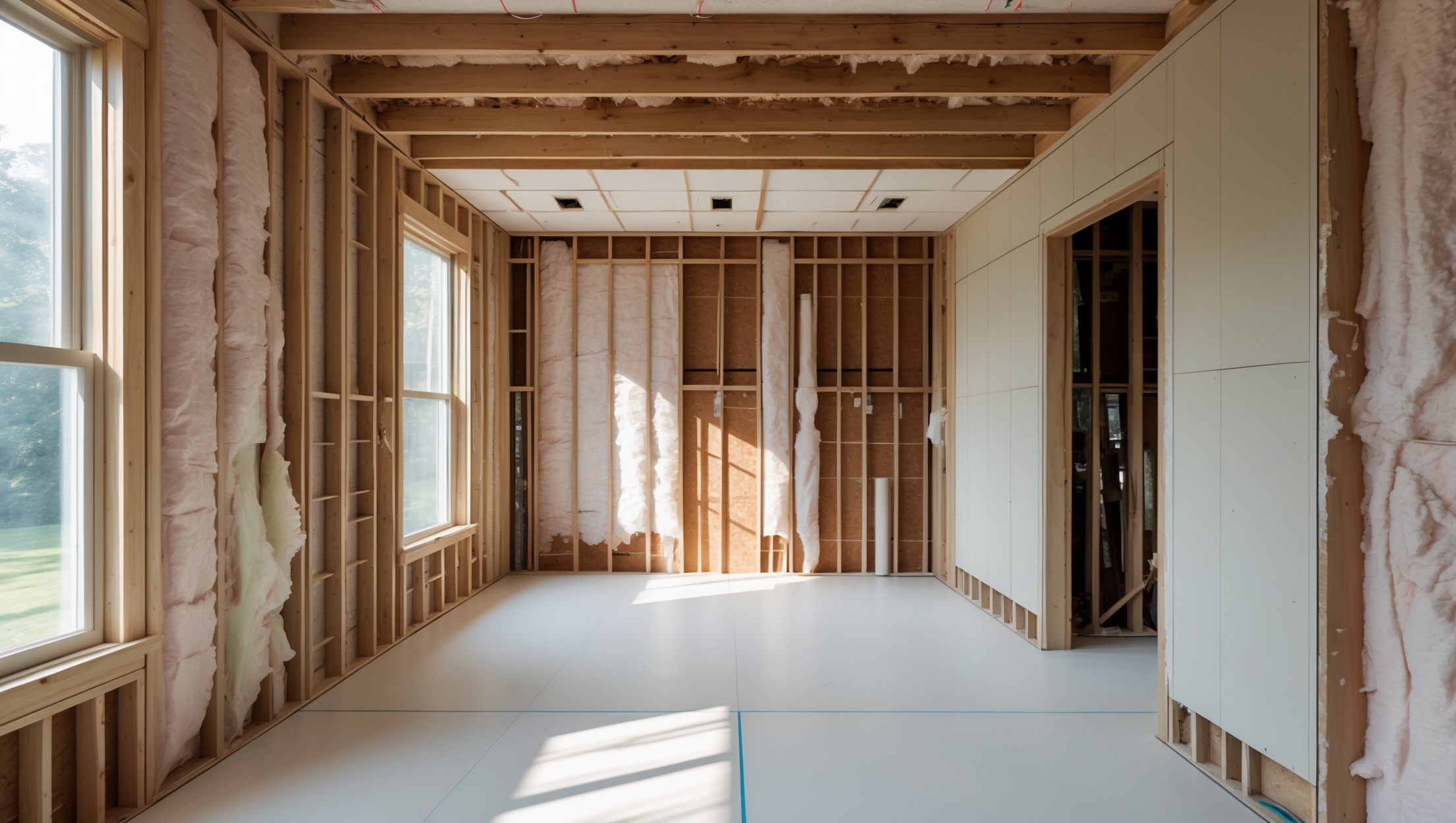
- Insulation: Especially around boilers, pipes, ducts, and attics.
- Vinyl Floor Tiles: 9×9 inch tiles, sheet flooring, and adhesives.
- Ceiling Tiles & Popcorn Ceilings: Acoustic ceiling treatments from mid-century builds.
- Roofing & Siding: Cement shingles, slate, and some asphalt shingles.
- Wall and Pipe Insulation: Especially in basements and utility spaces.
- Textured Paints & Joint Compounds: Especially those applied before the late 1970s.
- Furnace Gaskets & Fireproofing Materials: Found around heating systems and fireplaces.
It’s important to note that not every home from this era contains asbestos, and not every material used contained asbestos. Professional testing is the only way to know for sure.
Debunking the Most Common Asbestos Myths
Myth 1: “Asbestos Is Only Dangerous If You Disturb It”
This myth holds a kernel of truth—undisturbed, intact asbestos materials generally pose minimal risk. However, even minor renovations (like drilling, sanding, or removing old tiles) can release dangerous fibers into the air. Damage from water leaks, settling, or pests can also degrade materials, increasing exposure risk without any renovation activity. The safest assumption: if you suspect asbestos, treat it as potentially hazardous until professionally assessed.
Myth 2: “You Can Spot Asbestos With the Naked Eye”
There is no visual test for asbestos. Many asbestos-containing materials look identical to their non-asbestos counterparts. Only laboratory analysis of material samples can confirm presence. Never assume based on appearance alone—always test before disturbing suspect materials.
Myth 3: “Asbestos Was Banned Decades Ago—My Home Is Safe”
While the EPA and other agencies have issued bans on specific uses of asbestos, it is not fully banned in the United States. Some imported materials may still contain asbestos, and existing materials in older homes remain a risk. Homeowners should not assume that age alone guarantees asbestos-free status.
Myth 4: “DIY Removal Is Safe With a Mask and Gloves”
DIY asbestos abatement is illegal in many areas and extremely hazardous. Standard dust masks and gloves do not provide adequate protection. Specialized equipment, air filtration, and containment protocols are required to safely handle asbestos-containing materials. Untrained removal can contaminate your entire home and put your health at risk.
Myth 5: “All Asbestos Must Be Removed Immediately”
Not all asbestos-containing materials (ACMs) require removal. If the material is in good condition and not at risk of being disturbed, encapsulation (sealing the material to prevent fiber release) may be a safer and more cost-effective option. Professional assessment is key to determining the best course of action.
Health Risks: The Facts Every Homeowner Needs
How Asbestos Affects Health
When asbestos fibers become airborne and are inhaled, they can lodge in the lungs and other tissues. Health risks increase with higher levels and longer durations of exposure. Diseases associated with asbestos include:
- Asbestosis: Scarring of lung tissue, leading to chronic respiratory issues.
- Lung Cancer: Risk increases significantly among smokers exposed to asbestos.
- Mesothelioma: A rare, aggressive cancer almost exclusively linked to asbestos exposure.
- Other Cancers: Asbestos exposure is also associated with cancers of the larynx and ovaries.
There is no safe level of asbestos exposure, and symptoms often develop decades after exposure. This long latency makes prevention and caution absolutely critical.
Who Is Most at Risk?
- Renovators and DIYers: Especially those working on older homes without prior testing.
- Children: More susceptible to long-term effects due to developing lungs.
- Contractors and Workers: Those without proper training or safety measures.
Even short-term, repeated exposure during home projects can pose significant health risks. Always prioritize professional assessment and abatement.
Legal and Compliance Essentials for Homeowners
Federal and State Regulations
Asbestos regulation in the U.S. is overseen by agencies like the EPA, OSHA, and state environmental authorities. Key requirements include:
- Mandatory Testing: Many states and municipalities require asbestos testing before any demolition or major renovation in buildings constructed before a certain year (often 1980 or earlier).
- Certified Professionals: Only licensed asbestos inspectors and abatement contractors may legally handle testing and removal.
- Notification and Permits: You may need to notify local authorities and obtain permits before starting any work involving asbestos.
- Proper Disposal: Asbestos waste must be handled and disposed of at approved facilities—illegal dumping carries severe penalties.
Failure to comply can result in fines, legal action, and hazardous conditions for your household and community.
What Homeowners Must Do Legally
- Arrange for professional asbestos inspection before starting renovations, especially in homes built before 1980.
- Obtain written reports and keep documentation for any work involving asbestos.
- Use only licensed and insured abatement contractors for removal or encapsulation.
- Ensure proper notification and permitting processes are followed.
Always check your local building department’s requirements, as regulations can vary widely by location.
Practical Steps: What To Do If You Suspect Asbestos
1. Pause Your Project
If you uncover or plan to disturb materials you suspect may contain asbestos, stop work immediately. Do not attempt to remove or tamper with the material yourself.
2. Contact a Licensed Asbestos Inspector
Hire a certified professional to collect samples and have them analyzed in an accredited laboratory. Results typically return within a few days.
3. Review Your Options
- Encapsulation: If the material is intact and won’t be disturbed, it can often be sealed in place.
- Removal: If the material is damaged, deteriorating, or will be disturbed, professional abatement is required.
- Monitoring: In some cases, regular inspections can ensure materials remain safe over time.
4. Budget for Professional Help
Professional asbestos testing typically costs $250–$800, depending on the number of samples. Removal can range from $1,500 for small jobs to $20,000+ for extensive remediation. Never cut costs by hiring unlicensed contractors—your health and legal liability are at stake.
5. Notify Your Contractor and Neighbors
If you’re working with a contractor, they must be informed of any known or suspected asbestos so they can take appropriate precautions. If major abatement is required, notifying neighbors is courteous and may be legally required to avoid cross-contamination.
Budgeting for Asbestos Testing, Abatement, and Renovation
Cost Breakdown
- Inspection and Testing: $250–$800 (depends on square footage and number of samples)
- Encapsulation: $2–$6 per sq.ft., depending on material and accessibility
- Removal: $15–$45 per sq.ft. for most common materials
- Air Quality Testing (Post-Removal): $300–$1,200
- Permit Fees: $50–$500 (varies by jurisdiction)
Plan for potential delays and budget overages—unexpected discoveries are common in older homes.
Insurance and Financing Considerations
Standard homeowner’s insurance often excludes asbestos abatement as it is considered a pre-existing condition. However, insurance may cover accidental damage resulting from a sudden event (such as a burst pipe) that disturbs asbestos. For planned renovations, consider:
- Adding an asbestos rider or endorsement if available
- Financing options or grants for abatement (some states offer assistance programs)
- Documenting all professional inspections and abatement for future claims or home resale
Best Practices for Safe Renovation in Older Homes
Planning and Communication
- Start every project with a risk assessment if your home was built before 1980.
- Communicate openly with all contractors about known or suspected asbestos.
- Schedule asbestos inspection as the first step, before demolition or removal of finishes.
During Construction
- Use plastic sheeting and negative air machines to contain workspaces if abatement is underway.
- Seal HVAC systems to prevent fiber spread.
- Prohibit eating, drinking, or smoking in work zones.
- Clean up using HEPA-filter vacuums and wet cleaning methods—never dry sweep or use standard vacuums.
After Abatement
- Request post-abatement air quality testing to verify safety.
- Obtain clearance documentation from your abatement contractor.
- Keep all paperwork for future buyers, appraisers, or insurance purposes.
Maintaining an Asbestos-Safe Home
Regular Monitoring
If asbestos-containing materials remain in your home, schedule regular inspections with qualified professionals. Monitor for signs of wear, water damage, or accidental disturbance.
Safe Living Tips
- Avoid drilling, sanding, or sawing suspect materials.
- Promptly repair leaks and water damage to prevent material degradation.
- Educate household members and future contractors about asbestos locations and safe practices.
Conclusion: Confident, Safe Renovation Starts With Knowledge
Asbestos is one of the most misunderstood hazards in home improvement, wrapped in decades of myth, misinformation, and fear. But knowledge truly is power. By understanding where asbestos lurks, recognizing the limits of DIY solutions, and following legal and safety protocols, you can transform your renovation from a potential health disaster into a safe, successful project.
Remember: professional testing is the single most important step if you suspect asbestos in your home. Resist the urge to rely on visual cues or shortcuts—nothing replaces certified analysis. If asbestos is found, work with licensed professionals to determine whether removal, encapsulation, or monitoring is the right path. Build the cost of asbestos management into your renovation budget from the start to avoid unwelcome surprises and dangerous delays.
Ultimately, older homes offer charm and character that newer builds often lack, but they also demand respect for their hidden hazards. With the right knowledge, planning, and professional support, you can preserve both your home’s heritage and your family’s health. Don’t let asbestos myths cloud your renovation plans—arm yourself with facts, follow best practices, and renovate with confidence.
You mentioned that asbestos is still present in millions of homes built before the 1980s. If I’m planning to remove old vinyl floor tiles myself, what specific safety steps should I follow to avoid exposure, or is this a situation where professional help is absolutely necessary?
Removing old vinyl floor tiles that may contain asbestos is risky, as disturbing them can release dangerous fibers into the air. It’s strongly recommended to hire certified asbestos removal professionals rather than doing it yourself. They have specialized training and equipment to handle the job safely and ensure proper disposal, which greatly reduces health risks to you and your household.
I’m planning to update my attic insulation in a house from the 1960s. How can I tell if the existing material contains asbestos before starting any work, and what should I do first if I’m unsure?
In homes from the 1960s, attic insulation can sometimes contain asbestos, especially if it looks like loose, gray, fluffy material or resembles vermiculite. To be safe, avoid disturbing the insulation and do not try to test it yourself. The best first step is to contact a certified asbestos professional to inspect and, if needed, take samples for testing. This way, you’ll know exactly what you are dealing with before starting any renovations.
If someone discovers asbestos while doing DIY renovations, what are the immediate legal or safety steps they should take? Is work supposed to stop completely, and do you have to notify any local authorities or agencies right away?
If you find asbestos during DIY renovations, stop work immediately to prevent exposure. Disturbing asbestos can release harmful fibers, so avoid touching or moving the material. In most areas, you’re required to contact local environmental or health authorities for guidance. They may advise you to hire licensed asbestos professionals for inspection and removal. Laws can vary, so it’s important to check your local regulations as soon as possible.
I’m planning a small renovation in my older house and learned that asbestos could be present in places like old duct insulation or vinyl floor tiles. What are the first steps I need to take to make sure my family stays safe during the process?
Before starting your renovation, it’s important to have the areas that may contain asbestos, like duct insulation or vinyl floor tiles, professionally inspected and tested. If asbestos is confirmed, only licensed abatement professionals should handle removal or disturbance. Make sure the renovation area is sealed off to prevent dust from spreading and avoid any DIY removal, since even minor disruption can release harmful fibers.
Can you clarify how homeowners can distinguish between safe and hazardous asbestos-containing materials when inspecting older insulation or floor tiles? The article mentions these areas as common sources, but I’m unsure what signs would indicate a real risk versus something that can remain undisturbed.
It can be very difficult for homeowners to visually distinguish safe from hazardous asbestos materials since asbestos fibers are microscopic. Generally, materials in good condition—undamaged, not crumbling, and not disturbed—pose less immediate risk if left alone. However, any cracked, fraying, dusty, or deteriorating insulation or tiles may release fibers and should be considered a potential hazard. If you’re unsure, the safest approach is to avoid disturbing the material and consult a certified asbestos professional for testing.
I saw you discussed budgeting for remediation, but does the cost of removing asbestos vary a lot depending on whether it’s insulation around pipes versus something like popcorn ceilings? Any tips for homeowners trying to estimate what to expect before getting professional quotes?
Yes, the cost to remove asbestos can vary quite a bit depending on where it’s found. Pipe insulation removal is often more labor-intensive and may cost more per linear foot, while popcorn ceiling removal usually costs less per square foot but can add up if the area is large. To estimate costs, homeowners should note the asbestos location, the approximate size of the area, and whether the material is easily accessible, as these factors influence quotes. Having this information ready helps when you contact professionals for more accurate estimates.
If I’m planning to remodel a pre-1980s home, is it generally safer or more budget-friendly to have a professional asbestos inspection first, or can DIY test kits give reliable enough results without breaking the bank?
Having a professional asbestos inspection before remodeling a pre-1980s home is generally safer because experts know where to look and how to test without risking exposure. DIY test kits can be less expensive, but their accuracy depends on proper sample collection, which can be risky if you’re not trained. For peace of mind and safety, a professional inspection is usually worth the extra cost.
You mentioned that asbestos is still present in millions of homes built before the 1980s. If I want to do some minor DIY repairs, what specific safety steps should I take before accidentally disturbing any hidden asbestos materials?
Before starting any DIY work in an older home, identify areas that might contain asbestos, such as old insulation, floor tiles, or ceiling textures. Avoid drilling, sanding, or cutting these materials. If you’re unsure whether a material contains asbestos, leave it alone and consider hiring a certified asbestos professional for testing. Always use proper protective gear and keep the area well-ventilated if you must be near suspected materials, but the safest approach is not to disturb them at all.
You mentioned budgeting for remediation—can you provide a ballpark estimate on how much asbestos removal typically costs for areas like popcorn ceilings or old pipe insulation? I want to plan ahead before hiring professionals.
For popcorn ceilings, asbestos removal usually ranges from $3 to $7 per square foot, depending on location, ceiling condition, and accessibility. Removing old pipe insulation often costs between $8 and $15 per linear foot. These are general estimates—actual costs can vary based on the amount of material, disposal fees, and local contractor rates. It’s a good idea to get multiple quotes for a more accurate budget.
When budgeting for remediation, are there any hidden costs homeowners commonly overlook, such as disposal fees or post-removal air testing, that should be anticipated based on typical projects?
Yes, several hidden costs can catch homeowners off guard during asbestos remediation. Besides the upfront removal expenses, you should anticipate fees for proper disposal of hazardous waste, permits, and post-removal air quality testing to ensure safety. Sometimes, temporary relocation costs may arise if the work disrupts daily living. It’s wise to request a detailed estimate from your contractor to avoid surprises.
When hiring contractors for renovations in a pre-1980s house, what specific questions should I be asking to make sure they’re following proper asbestos safety measures? Is there a particular certification or documentation I should request from them before starting any work?
When hiring contractors for renovations in a pre-1980s home, ask if they have experience with asbestos-containing materials and what specific procedures they follow for testing and safe removal. Request to see their asbestos handling certification (such as EPA or state-specific accreditation) and proof of liability insurance for asbestos work. Also, ask for a written asbestos management plan detailing how they will contain and dispose of any asbestos safely before work begins.