
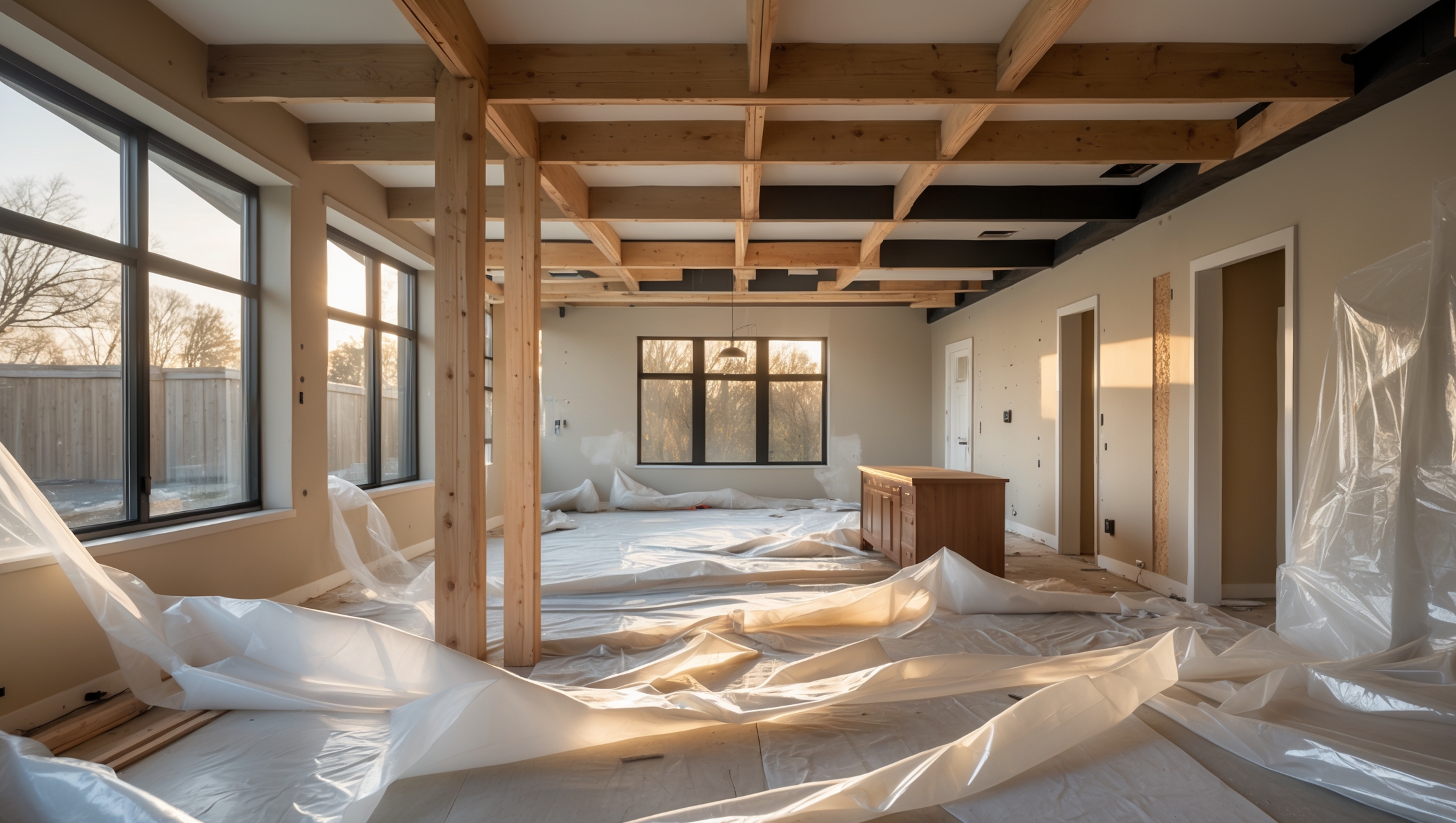
Understanding Homeowners Insurance for Major Renovations: What You Must Know Before You Start

Introduction: Why Homeowners Insurance Is Crucial for Major Renovations
Major home renovations—whether you’re adding a new room, gutting your kitchen, or building an extension—are exciting but complex projects. While most homeowners focus on design, budgeting, and hiring the right contractor, insurance often takes a back seat. This oversight can lead to devastating financial consequences if things go wrong. Did you know that your standard homeowners insurance policy may not fully cover your property during renovations? Or that some improvements could invalidate your current policy if you don’t notify your insurer? In this guide, you’ll learn exactly how homeowners insurance interacts with major renovations, what gaps and risks to watch for, and the proactive steps you need to take to stay protected before, during, and after your project. Whether you’re a first-time renovator or a seasoned DIYer, understanding these insurance essentials can save you from costly surprises and ensure your dream home is protected every step of the way.
How Major Renovations Affect Homeowners Insurance Coverage
Types of Renovations That Trigger Insurance Concerns
- Structural changes (additions, removing load-bearing walls, new roofs)
- System upgrades (electrical, plumbing, HVAC replacements)
- Square footage increases (finished basements, attic conversions)
- High-value improvements (luxury kitchens, bathrooms, home theaters)
Any renovation that increases the value, risk, or footprint of your home should prompt an insurance review. Insurers view these projects as changes to your risk profile and may require policy adjustments.
Common Coverage Gaps During Renovations
- Uninsured construction materials: Materials stored on-site may not be covered against theft or damage.
- Partial or suspended coverage: Many policies reduce or suspend coverage while your home is under major construction.
- Liability gaps: Injuries to workers or guests during the project may not be covered, especially with uninsured contractors or DIY work.
- Vacancy exclusions: If renovations require you to vacate the home for 30+ days, coverage may lapse unless you add a vacancy endorsement.
Step-by-Step: Securing Proper Insurance Before You Renovate
Step 1: Review Your Current Policy
Start by reading your homeowners policy’s declarations page. Look for exclusions related to remodeling, construction, or increased risk. Note the current coverage limits for dwelling, personal property, and liability—and compare them to your planned improvements.
Step 2: Inform Your Insurance Company
Contact your insurer as soon as you finalize your renovation plans. Provide details including:
- Scope of work
- Expected timeline
- Whether you’ll live in the home or vacate
- Contractor information (including proof of their insurance and bonding)
Your insurer will determine if your policy needs to be updated or if you require supplemental coverage.
Step 3: Add or Adjust Coverage
- Increase Dwelling Coverage: Ensure your policy reflects the new replacement value of your renovated home.
- Consider Builder’s Risk Insurance: This specialized policy covers the structure and materials during construction, protecting against fire, theft, vandalism, and weather-related damage.
- Add Vacancy Endorsements: If you must move out, ask about special coverage to prevent lapses.
- Raise Personal Property Limits: If you’re bringing in new appliances or high-value fixtures, increase your contents coverage.
Step 4: Vet Your Contractor’s Insurance
Request certificates of insurance for:
- General liability
- Workers’ compensation
- Bonding (if required by your state or project type)
Confirm that policies are current and that coverage amounts meet your state’s requirements and your comfort level. If you’re managing subcontractors, ensure each one is insured as well.
Step 5: Document Everything
- Take pre-construction photos and videos of your property and valuables.
- Keep all receipts and contracts for materials and labor.
- Maintain a renovation journal tracking work, incidents, and communications with your insurer and contractor.
Understanding Builder’s Risk Insurance: Do You Need It?
What Is Builder’s Risk Insurance?
Builder’s risk insurance (also called a “course of construction” policy) covers structures under construction or renovation. It is short-term, customizable, and typically covers:
- Fire, wind, hail, lightning, and other perils
- Theft or vandalism of materials and equipment
- Damage to the existing structure (in some cases)
When Is Builder’s Risk Insurance Required?
- For renovations exceeding 10% of the home’s value or requiring permits
- If required by your lender or local building codes
- When your homeowners insurance suspends or restricts coverage during construction
Check with your insurer and contractor to determine if builder’s risk is essential for your project.
How Much Does Builder’s Risk Insurance Cost?
Premiums typically range from 1-4% of the total renovation cost. For example, a $100,000 project might cost $1,000–$4,000 for builder’s risk coverage, depending on project complexity, location, and security measures.
Liability and Worker Injuries: Protecting Yourself During Construction
Homeowners Liability During Renovations
If a visitor, neighbor, or delivery person is injured on your property during renovations, you could be held liable. Standard homeowners policies offer some liability coverage, but major projects increase your risk exposure.
Contractor and Subcontractor Coverage
Always hire licensed and insured contractors. If a worker is injured and the contractor lacks adequate workers’ compensation insurance, you could be sued for medical expenses and damages. Verify all coverage before work begins, and ask your contractor to name you as an “additional insured” on their policy if possible.
DIY Renovations and Insurance Implications
If you’re handling parts of the renovation yourself, understand that:
- Your homeowners policy may exclude injuries to yourself or unpaid helpers (friends, family).
- Personal liability coverage is limited for DIY accidents.
- Consider hiring professionals for high-risk tasks (electrical, roofing, structural work).
Special Insurance Scenarios: Vacant, Unoccupied, and Second Homes
Vacancy Clause Risks
If your renovation requires you to leave your home vacant for more than 30-60 days, your insurer may limit or void coverage due to increased risks of theft, vandalism, and undetected damage. Ask about a vacancy permit or endorsement to maintain protection.
Second Homes and Rental Properties
Renovating a vacation or investment property? Standard homeowners and landlord policies have even stricter rules about construction-related coverage. Discuss specific needs with your insurer and consider specialized builder’s risk or landlord policies.
After the Renovation: Updating Your Policy and Avoiding Underinsurance
Reassess Your Home’s Value
Once renovations are complete, your home is likely worth more—sometimes significantly. Failure to update your dwelling coverage could leave you underinsured in the event of a total loss.
Request a New Appraisal
Many insurers recommend (or require) a professional appraisal post-renovation. This ensures your policy reflects the true replacement cost of your improved home.
Update Personal Property and Liability Limits
If your renovation included new appliances, electronics, or luxury finishes, increase your personal property coverage accordingly. Upgraded features may also attract more visitors, so consider increasing liability coverage as well.
Discounts for Safety and Security Upgrades
Some renovations reduce your insurance premium. Examples include:
- Installing a monitored security system
- Adding smoke or CO detectors
- Upgrading wiring or plumbing
- Replacing the roof
Ask your insurer about discounts for improvements that lower your home’s risk profile.
Frequently Overlooked Insurance Issues in Major Home Renovations
- Permit violations: Unpermitted work can void coverage if damage occurs as a result.
- Code upgrades: If your renovation reveals outdated wiring or plumbing, your policy may not cover the cost of bringing systems up to code unless you add an ordinance or law endorsement.
- Flood and earthquake risks: Standard policies rarely cover these hazards. If renovations increase vulnerability, consider separate coverage.
- Home-based business upgrades: Adding a home office or workshop? You may need a business property endorsement.
- Shared walls and multi-family homes: Special rules apply for condos, townhouses, and duplexes—coordinate with your HOA or neighbors and insurer.
Pro Tips for a Smooth, Insured Renovation
- Notify your insurer in writing before starting any major project.
- Get all insurance documentation from contractors and subs upfront.
- Keep a digital and hard copy of all renovation records.
- Schedule mid-project insurance check-ins for long or complex jobs.
- Document changes with photos throughout the renovation process.
- Request a policy review and update immediately after completion.
Conclusion: Protect Your Investment—Don’t Let Insurance Be an Afterthought
Major renovations transform your home—and your insurance needs. Overlooking the insurance implications can leave you exposed to theft, fire, liability lawsuits, or even total loss with inadequate coverage. By proactively communicating with your insurance provider, securing the right policies (including builder’s risk or vacancy endorsements when needed), and thoroughly vetting your contractors, you create a strong safety net for your investment. Don’t assume your standard policy is sufficient; every renovation is unique, and insurers have specific requirements that can impact your claims down the road.
After the dust settles and your dream space is complete, make sure your policy reflects your home’s new value, features, and contents. Not only does this protect you financially, but it can also unlock premium discounts for security and safety upgrades. Remember: insurance shouldn’t be a stumbling block on your renovation journey—it should be a foundation of confidence that lets you enjoy your improved home for years to come. Take action early, stay informed, and you’ll ensure your investment stands strong, no matter what challenges arise during or after your renovation.
If I’m planning to add a finished basement, do I need to notify my insurance company before the work starts, or is it okay to wait until the renovation is done? What kind of documentation should I prepare in advance?
It’s best to notify your insurance company before starting your basement renovation. This ensures your policy covers the added risks during construction and can help prevent coverage gaps. Before work begins, gather documentation like contractor agreements, project plans, permits, and an estimated cost breakdown. These documents will help your insurer assess the changes and update your coverage if needed.
I’m considering hiring subcontractors for a basement finishing project. Would my homeowners insurance typically cover injuries to those workers, or do I need to look into some other kind of insurance to protect myself from liability during renovations?
Homeowners insurance usually does not cover injuries to subcontractors working on your property. Most policies exclude work-related injuries for hired labor. To protect yourself from liability, it’s wise to ensure each subcontractor has their own workers’ compensation and liability insurance. You can also consider purchasing a builder’s risk or renovation-specific policy for added protection during the project.
If I’m planning to finish my basement and store new materials on-site for a few weeks, what steps should I take to make sure those materials are covered by my homeowners insurance in case of theft or damage?
To make sure your new materials are covered, contact your insurance company before starting the renovation. Ask if your current policy covers building materials stored on your property and if theft or damage is included. You may need to add a rider or increase your coverage temporarily. Also, keep receipts and document the materials with photos to make any potential claims easier to process.
If I’m planning a major kitchen remodel and storing appliances and materials in my garage during the project, should I get extra coverage for those items, or would they be protected under my standard homeowners policy?
During a major kitchen remodel, your standard homeowners insurance often covers personal property, even when stored in your garage. However, coverage limits may apply, and some high-value items or building materials might not be fully covered, especially if they’re considered construction materials rather than personal property. It’s wise to contact your insurer to discuss your specific situation and consider adding extra coverage or a rider if you want full protection for those items during your renovation.
You mentioned that some policies reduce or suspend coverage during significant renovations. Are there specific types of insurance or additional coverage I should consider to protect construction materials and liability while the project is happening?
Yes, during major renovations, many homeowners get what’s called a builder’s risk policy or a renovation endorsement. These can cover building materials, equipment, and the structure itself while work is ongoing. You might also want to discuss additional liability coverage with your insurer in case accidents happen during construction. Always inform your insurance company about the renovation before starting to make sure you’re properly protected.
Is there a specific threshold for the size or cost of a renovation project where most insurers require homeowners to notify them or update their policy? For example, would finishing a basement or updating electrical systems always trigger a required policy review?
Most insurers don’t have a universal dollar amount or size threshold for renovations that require notification. However, significant projects like finishing a basement or updating major systems such as electrical or plumbing usually should be reported, as they can affect your home’s value and risk profile. It’s always safest to check with your insurer before starting any major work to avoid gaps in coverage or claim issues.
If my renovation involves a significant system upgrade like replacing all the electrical wiring, does that typically require extra coverage or a separate policy, or would notifying my current insurer and updating my policy be enough?
For major system upgrades like replacing all the electrical wiring, it’s usually necessary to notify your current insurer before work begins. Most insurers can update your existing policy to reflect the increased value and potential risks, rather than requiring a separate policy. However, depending on the scope, your insurer might recommend or require additional coverage such as a builder’s risk endorsement during the renovation. It’s best to discuss the specifics with your provider to ensure you’re fully protected.
Could you clarify whether high-value improvements like adding a home theater require a different kind of policy update compared to just finishing a basement or attic? How do insurers typically view these differences?
High-value improvements like adding a home theater often require a more detailed policy update than finishing a basement or attic, mainly due to the expensive equipment and increased replacement costs involved. Insurers may need an updated appraisal or documentation for high-end upgrades to ensure adequate coverage, while basic renovations might just need an increase in coverage limits. It’s important to notify your insurer about the specific nature of your renovations to make sure your policy reflects the new value and risks.