
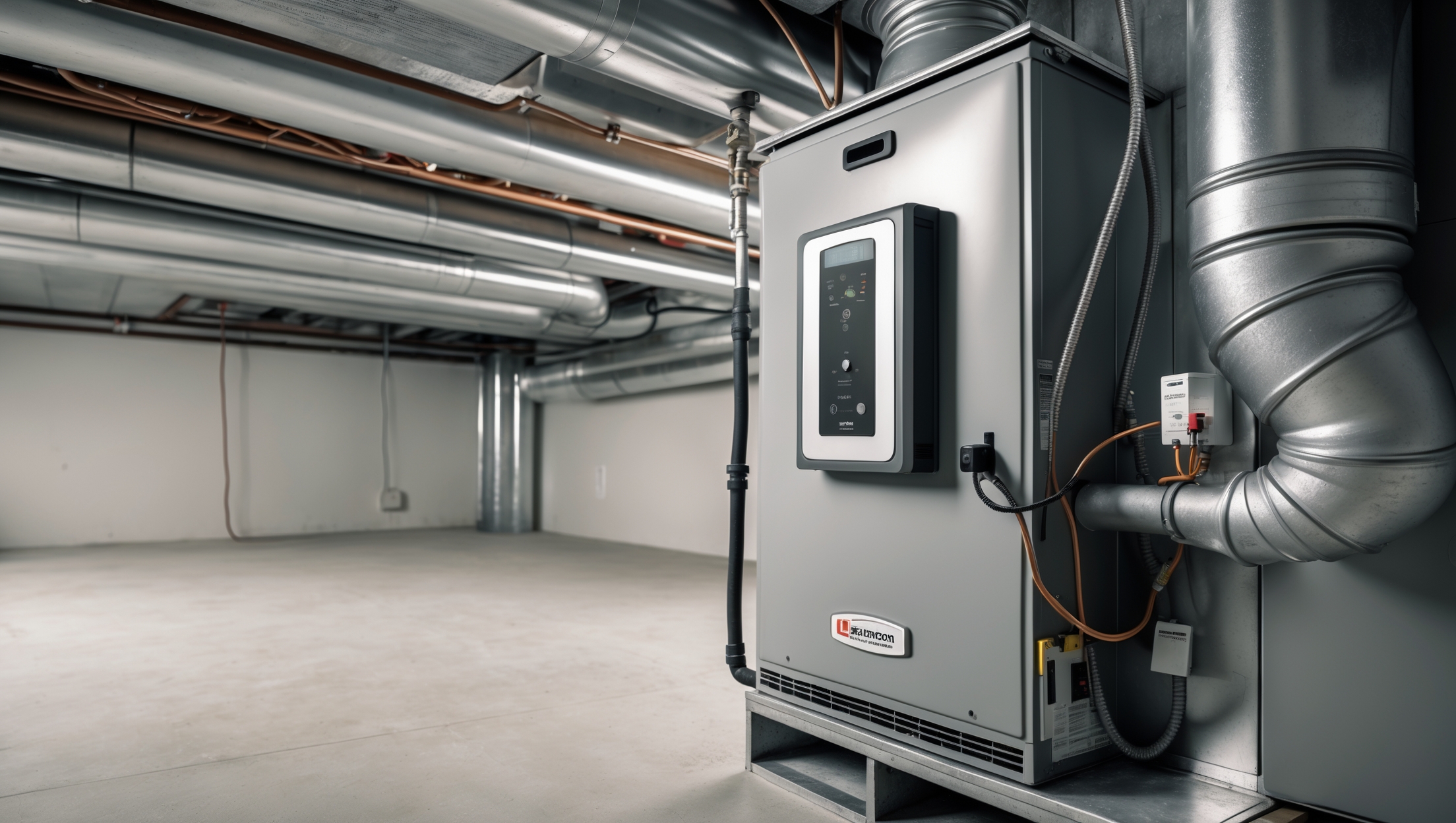
Avoiding Common Mistakes When Installing a Whole-House Humidifier: Cost, Compliance, and Maintenance Insights

Introduction: The Overlooked Impact of Home Humidity Control
When it comes to home improvement, indoor air quality often takes a backseat to projects like kitchen remodels or new flooring. Yet, maintaining proper humidity levels is crucial to comfort, health, and the longevity of your home’s structure. A whole-house humidifier can mitigate dry air issues such as cracked woodwork, static electricity, respiratory discomfort, and even some allergy symptoms. But installing this system isn’t as simple as plugging in a portable unit. Homeowners frequently make costly and potentially hazardous mistakes during installation and maintenance that can offset the benefits—and sometimes lead to property damage or compliance headaches.
This comprehensive guide will walk you through the entire process of whole-house humidifier installation—from the budgeting phase to compliance with local codes, and into long-term maintenance best practices. We’ll highlight the most common pitfalls homeowners encounter, provide actionable solutions, and equip you with the knowledge to confidently improve your indoor environment. Whether you’re a DIY enthusiast or planning to hire a pro, understanding these critical factors will help you avoid unnecessary expenses, stay safe, and ensure your new humidifier works efficiently for years to come.
Understanding Whole-House Humidifiers: Types and Benefits
Evaporative (Bypass) Humidifiers
Evaporative humidifiers are among the most common whole-house systems. They connect to the HVAC ductwork and use a water panel or pad, through which warm air from your furnace passes, picking up moisture before circulating it throughout the house. These systems are usually affordable and relatively simple to maintain.
Fan-Powered Humidifiers
Similar to bypass models, fan-powered humidifiers include a built-in fan that blows air across the water panel, increasing moisture output. They are ideal for larger homes or areas with particularly dry air and work independently of the furnace running.
Steam Humidifiers
Steam humidifiers generate their own steam by boiling water, delivering precise humidity control and higher output. They require more energy and a more complex installation but are effective in large or multi-story homes.
Key Benefits
- Prevents wood floor and furniture cracking
- Reduces static electricity
- Improves respiratory comfort and skin health
- Can help preserve musical instruments and artwork
Cost Breakdown: Budgeting for a Whole-House Humidifier
Equipment Costs
- Evaporative/Bypass: $150–$350
- Fan-powered: $250–$500
- Steam: $600–$1,500+
Installation Costs
- DIY Installation: $0 (tools and time only, but riskier)
- Professional Installation: $300–$900 depending on complexity and local labor rates
Additional Expenses
- Water line materials: $10–$50
- Electrical work (if needed): $50–$200
- Annual replacement pads/filters: $10–$60/year
- Potential permit fees: $25–$100 (varies by locality)
Hidden Costs to Watch For
- Incorrect installation leading to water leaks and drywall damage
- Improper sizing causing inefficient operation and wasted energy
- Neglecting to budget for ongoing maintenance
Compliance and Permit Considerations
Do You Need a Permit?
Many municipalities require permits for HVAC modifications, including humidifier installations, especially if new wiring or plumbing is involved. Always check with your local building department before starting. Avoiding permits can lead to fines or complications when selling your home.
Code Compliance Tips
- Ensure all electrical connections are up to local and national codes (NEC in the US)
- Use approved water supply lines (copper, PEX, or braided stainless steel)
- Install a dedicated shut-off valve for the water line
- Follow manufacturer-specified clearances from combustible materials
- Label all modifications for future reference and inspections
Insurance Implications
Improper installation could void your homeowner’s insurance if a leak or electrical fire occurs due to non-compliant work. Consider informing your insurer of major HVAC updates and keep documentation of permits and professional installation, if applicable.
Essential Tools and Equipment for Installation
- Drill with hole saw attachment (for ductwork access)
- Sheet metal snips
- Adjustable wrenches
- Pliers
- Level and measuring tape
- Screwdrivers
- Voltage tester (for safe electrical connections)
- Pipe cutter (if tapping into copper)
- PTFE thread seal tape
- Bucket and towels (for water line work)
- Personal protective equipment: gloves and safety glasses
Note: Working with HVAC and plumbing systems requires caution. If you’re uncomfortable with electrical or plumbing work, hire a qualified professional.
Common Installation Mistakes—and How to Avoid Them
1. Sizing Errors
Choosing a unit that’s either too small or too large for your home results in ineffective humidity control or unnecessary energy use. Calculate your home’s square footage and consider ceiling heights, insulation, and climate. Manufacturers typically provide sizing charts—use them!
2. Improper Water Supply Connection
A frequent DIY mistake is tapping a saddle valve into an old, corroded water line or failing to use a shut-off. Always use a dedicated, corrosion-free line and install a shut-off valve for maintenance and emergencies.
3. Incorrect Duct Placement
Installing the humidifier on the wrong side of the furnace (supply vs. return) will drastically reduce efficiency and may void the warranty. Follow the manufacturer’s schematic exactly.
4. Skipping the Drain Line or Air Gap
Neglecting to install a proper drain line or air gap can lead to water backing up into your HVAC system, causing mold, rust, and property damage. Always slope the drain line away from the unit and follow plumbing codes for air gaps.
5. Ignoring Electrical Safety
Connecting a humidifier to an overloaded circuit or using improper wire gauge is a fire risk. If you’re not sure, consult an electrician. Always shut off power at the breaker before working.
6. Not Installing a Humidistat
A humidistat regulates when your system operates. Skipping this step means you’ll either over-humidify or under-humidify your home, which can cause just as many problems as dry air (like mold growth and condensation).
7. Poor Sealing Around Duct Penetrations
Failing to properly seal new ductwork holes allows heated or cooled air to escape, reducing the efficiency of your HVAC system. Use foil tape or mastic to seal any penetrations tightly.
Step-by-Step Setup Tutorial: Installing an Evaporative Whole-House Humidifier
Preparation
- Read the manufacturer’s instructions thoroughly.
- Turn off power to your HVAC system at the breaker box.
- Shut off water at the main supply.
Step 1: Mark and Cut Duct Openings
- Position the humidifier template on the supply or return duct as directed.
- Mark the outline, then cut using a hole saw and metal snips.
- Deburr edges to prevent injury or air leaks.
Step 2: Mount the Humidifier
- Attach the unit to the duct with screws or mounting brackets.
- Install the water panel inside the unit.
Step 3: Install Water Line
- Run a water supply line from a nearby cold water pipe, using a T-fitting or saddle valve per code.
- Install a shut-off valve for future maintenance.
- Connect the line to the humidifier, ensuring all fittings are tight.
Step 4: Connect Drain Line
- Install a flexible drain hose from the humidifier to a nearby floor drain or utility sink.
- Maintain a downward slope and add an air gap if required.
Step 5: Electrical Wiring
- Wire the humidifier transformer and humidistat according to the diagram.
- Connect to the furnace control board as specified.
- Secure wires away from moving parts and secure with wire nuts.
Step 6: Install and Set Humidistat
- Mount the humidistat in a central location—either on the return duct or wall, away from direct airflow.
- Set the desired humidity level (typically 30–50%).
Step 7: Test and Inspect
- Turn on water and power.
- Check for leaks at every connection.
- Run the furnace and observe the humidifier cycling on/off with the humidistat.
- Inspect for proper drainage and airflow.
- Seal duct penetrations.
Maintenance Best Practices for Long-Term Performance
Regular Tasks
- Replace the water panel or pad every heating season (more often if you have hard water).
- Inspect and clean the reservoir and drain line to prevent mineral buildup and clogs.
- Test the humidistat for accurate readings.
- Check for leaks or corrosion at all connections.
- Monitor the area around the humidifier for signs of excessive moisture or mold.
Seasonal Shutdown
- Turn off the water supply before air conditioning season.
- Clean and dry the humidifier thoroughly to prevent mold growth.
Annual Professional Inspection
Even with diligent maintenance, schedule a professional HVAC technician to inspect your entire system annually. They’ll check the humidifier, ductwork, and furnace for any hidden issues and ensure efficient, safe operation.
Safety Checklist: Protecting Your Home and Health
- Always turn off power and water before beginning any work.
- Wear gloves and safety glasses when working with metal and water lines.
- Ensure all wiring is secure and protected from moisture.
- Use a GFCI outlet for electrical connections where possible.
- Install a water alarm or leak sensor near the unit for early detection of problems.
- Maintain indoor humidity between 30–50% to prevent mold and dust mite growth.
- Keep children and pets away from the work area during installation and maintenance.
Conclusion: Achieving Healthy Home Comfort—The Right Way
Installing a whole-house humidifier is a transformative home improvement for both comfort and long-term property value. However, it demands thoughtful planning, a clear understanding of local codes, and rigorous attention to detail at every stage—from sizing and cost estimation to compliance, installation, and routine care. Skipping steps, guessing at requirements, or ignoring maintenance can lead to wasted money, insurance woes, or even hidden health hazards like mold and poor air quality. By following the guidance in this article, you’ll be well-equipped to avoid common mistakes, maximize your investment, and enjoy the full benefits of balanced indoor humidity all year long.
If you’re unsure at any stage—especially when it comes to plumbing or electrical work—don’t hesitate to consult a licensed professional. Not only does this protect your home and ensure code compliance, but it also provides peace of mind. Remember, a properly installed and maintained whole-house humidifier won’t just shield your home from the ravages of dry air; it will also enhance your daily living experience, support your health, and safeguard your home’s vital systems for years to come.
Ready to take the next step? Start by reviewing your local codes, assessing your home’s needs, and gathering the right tools and information. With careful preparation and ongoing attention, your new whole-house humidifier will deliver reliable, healthy comfort through every season.
I run a small retail shop and have been dealing with persistent dry air. The article mentions compliance with local codes during installation. Could you clarify which permits or inspections might typically apply when adding a whole-house humidifier in a commercial property, not just a residence?
For a commercial property like your retail shop, installing a whole-house humidifier generally requires obtaining a mechanical or HVAC permit from your local building department. Inspections are usually needed after installation to ensure compliance with safety and building codes, especially if the humidifier connects to your existing HVAC or plumbing systems. Requirements can vary depending on your municipality, so it’s best to check with your local code office or consult a licensed installer familiar with commercial regulations.
Can you go into more detail about the long-term maintenance best practices for evaporative versus fan-powered humidifiers? I’m wondering if one type ends up being more cost-effective or reliable to maintain over several years.
Evaporative humidifiers generally require you to replace the water panel or pad once or twice a year and check for mineral buildup, but the process is fairly straightforward. Fan-powered models use a fan to increase evaporation, which adds a moving part that may need servicing or replacement over time. Over several years, evaporative units tend to be slightly more cost-effective to maintain due to fewer parts that can fail, though both types benefit from regular cleaning and filter changes to ensure reliability.
I see you described both evaporative and fan-powered humidifiers. How do you determine which type makes more sense for your home, especially if you’re trying to balance upfront costs and long-term maintenance needs?
Choosing between evaporative and fan-powered humidifiers depends on your home’s size, your HVAC system, and your budget priorities. Evaporative models are generally less expensive upfront and simpler to maintain, making them a good choice for smaller homes or if you want lower initial costs. Fan-powered units cost more to install but provide higher humidity output, which can be beneficial for larger homes. They may also use more electricity and could need more frequent maintenance due to the fan components. Consider your home’s square footage and how much maintenance you’re comfortable handling before deciding.
I’m a little confused about local code compliance when it comes to installing a whole-house humidifier by myself. Are there specific permits I should be aware of, or inspections that need to happen after installation, especially if I’m connecting to my HVAC system?
When installing a whole-house humidifier yourself, you’ll often need to check with your local building department to see if a permit is required, especially if you’re modifying HVAC or plumbing connections. Many areas do require a permit and may mandate an inspection afterward to ensure the work meets safety codes. It’s always best to confirm requirements with your city or county before starting the installation.
When it comes to long-term maintenance, which common mistakes actually lead to the most expensive repairs later on? I want to make sure I avoid those if I go the DIY route.
The most costly long-term mistakes with whole-house humidifiers often involve neglecting regular filter and pad replacements, failing to clean mineral buildup, and improper installation of water lines leading to leaks. Overlooking these tasks can result in water damage, mold growth, or even damage to your HVAC system, all of which can be expensive to fix. Make sure to follow recommended maintenance intervals and double-check any DIY plumbing connections for leaks.
You mentioned that improper installation can sometimes lead to compliance headaches. Can you clarify what specific local codes or regulations homeowners should be aware of before installing a whole-house humidifier, especially when attempting a DIY install?
Homeowners should check local building codes, especially those related to plumbing and electrical work, before installing a whole-house humidifier. Some areas require permits for modifications to HVAC systems, and you may need to use licensed professionals for electrical connections or water line installations. It’s also important to follow manufacturer instructions, as improper installation can void warranties or violate local regulations. Always consult your municipality’s permitting office for specific requirements.
How do you determine whether your home needs an evaporative (bypass) humidifier or a fan-powered one? Are there specific signs or factors homeowners should consider to avoid over- or under-humidifying when making this choice?
To choose between an evaporative (bypass) humidifier and a fan-powered one, start by considering your home’s size, ductwork layout, and your furnace’s runtime. Bypass models work best with furnaces that run frequently and need additional duct connections. Fan-powered units have their own fans, providing more moisture and suiting larger homes or situations where the furnace cycles less often. Signs like persistent dryness or condensation can indicate if your current setup is under- or over-humidifying. Consulting a professional to assess your home’s specific needs can help ensure balanced humidity levels.
You mentioned that improper maintenance can actually cause property damage. What are some of the most common maintenance mistakes homeowners make with these systems, and what kind of issues can they lead to if left unchecked?
Some of the most common maintenance mistakes include not changing or cleaning the humidifier filter regularly, ignoring mineral buildup in the unit, and failing to inspect for leaks or blockages in the water lines. If these issues are neglected, they can lead to mold growth, water damage to walls or floors, reduced air quality, and increased wear on the system. Regular upkeep helps prevent these problems and extends the life of your humidifier.
How do I make sure my humidifier installation complies with local codes? The guide talks about compliance headaches, and I’d rather not run into issues with permits or insurance later. Are there common code requirements to watch out for?
To ensure your humidifier installation complies with local codes, it’s best to consult your local building department before starting. Common requirements include using licensed contractors, proper electrical connections, and approved water supply lines. Check if you need a permit, and keep all documentation for insurance purposes. Local codes can vary, so reviewing them in advance will help prevent issues down the line.
You discussed both evaporative and fan-powered humidifiers—are there significant differences in installation costs or ongoing energy use between the two types that could affect my budget over time?
Evaporative humidifiers usually have lower installation costs since they rely on your furnace’s airflow to operate, while fan-powered models need an additional fan, making them a bit pricier to install. In terms of energy use, fan-powered models consume more electricity because of the built-in fan, which can lead to slightly higher ongoing energy costs. Over time, these differences can add up, so consider both upfront and long-term expenses when choosing between the two types.
If I want to avoid costly property damage down the road, what are the most common mistakes people make with ongoing humidifier maintenance after installation, and how can I set up a simple schedule to stay on top of it?
One of the most common mistakes is neglecting to change or clean the humidifier filter regularly, which can cause clogs and water leaks. Ignoring mineral buildup in the unit or not checking for leaks in the water line can also lead to property damage. To stay on top of maintenance, mark your calendar to check the filter and water line every month, descale the unit every season, and schedule an annual professional inspection.
As a small business owner managing rental properties, I’m curious how often whole-house humidifiers typically need professional servicing versus what can be handled in-house by maintenance staff?
Whole-house humidifiers generally require professional servicing about once a year, mainly for deep cleaning, inspection, and any necessary repairs. However, routine tasks like replacing water panels or filters, checking for leaks, and cleaning accessible parts can often be handled by in-house maintenance staff on a quarterly basis. Keeping up with manufacturer recommendations helps prevent bigger issues and extends the equipment’s life.