
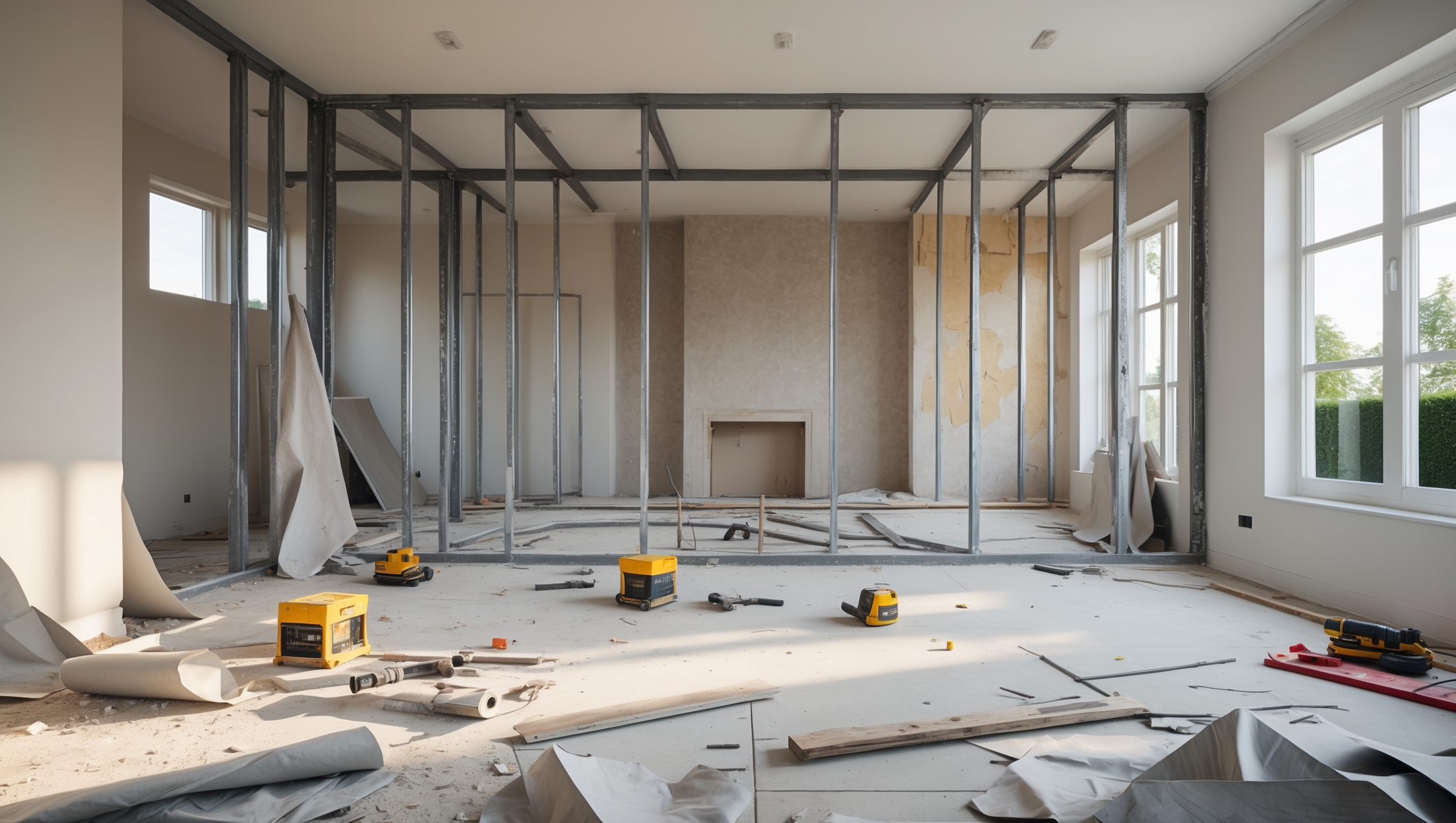
How to Safely Remove Load-Bearing Walls: Cost, Permits, and Best Practices

Introduction: The Big Impact of Removing Load-Bearing Walls
Open-concept living has become a defining feature of modern home design, offering spaciousness, flexibility, and improved natural light. One of the most transformative projects homeowners undertake to achieve this is removing a load-bearing wall. However, this isn’t a simple demolition job—removing a structural wall can dramatically affect your home’s safety and integrity. It requires careful planning, skilled execution, an understanding of local building codes, and a realistic budget. Mistakes can lead to catastrophic structural failures, legal issues, or unexpected expenses. If you’re considering this bold upgrade, this guide will walk you through everything you need to know, from the initial assessment and cost breakdowns to permit requirements, safety protocols, and long-term maintenance. Whether you’re hiring a contractor or tackling parts of the process yourself, understanding the details will help you avoid costly errors and ensure your home remains safe and beautiful for years to come.
How to Identify a Load-Bearing Wall
Why It Matters
Not all interior walls are created equal. While some simply divide spaces, load-bearing walls support the weight of your floors, roof, and everything above. Removing one without proper precautions can lead to sagging ceilings, cracked drywall, or even collapse.
Key Identification Steps
- Blueprints and Plans: Review your home’s original blueprints or consult with a structural engineer. Load-bearing walls are typically indicated in these documents.
- Location in Home: Walls parallel to floor joists are usually not load-bearing, while those perpendicular are more likely to be. Pay attention to the wall’s location relative to beams, columns, and exterior walls.
- Attic and Basement Inspection: In the attic, check which walls have joists resting on them. In the basement, look for beams or posts aligning with the wall above.
- Professional Assessment: When in doubt, always consult a licensed structural engineer or qualified contractor for confirmation before proceeding.
Planning and Budgeting: The Real Costs Involved
Average Cost Breakdown
Removing a load-bearing wall is a significant investment. The total cost depends on wall size, home structure, finish materials, and whether you hire professionals. Here’s a general breakdown:
- Structural Engineer Assessment: $500–$1,500
- Permits and Inspections: $300–$1,000 (varies by location)
- Labor and Demolition: $1,200–$3,000
- Temporary Support Installation: $200–$1,000
- Beam and Material Costs: $800–$4,000 (depends on span and load)
- Finishing (drywall, paint, flooring, electrical rerouting): $1,000–$3,500
Total Estimated Range: $4,000–$14,000+
Hidden Costs to Watch For
- Unexpected Structural Issues: Discovering undersized joists or water damage may require additional repairs.
- Electrical and Plumbing Relocation: Rerouting wires, outlets, or pipes can add $500–$2,000.
- HVAC Adjustments: Ductwork may need to be moved, increasing costs.
- Asbestos or Lead Paint Remediation: Homes built before 1980 may require special handling and disposal.
Budgeting Tips
- Get multiple quotes from licensed contractors.
- Set aside a 10–20% contingency fund for unexpected issues.
- Clarify what is included in each contractor’s bid, especially regarding finishing work.
Permit and Compliance Essentials
Why Permits Are Mandatory
Removing a load-bearing wall is a major structural change, and nearly all municipalities require a building permit. Skipping this step can lead to fines, forced demolition, insurance claim denials, or problems during resale.
How to Obtain a Permit
- Application: Visit your local building department’s website or office. Submit detailed plans, including structural drawings stamped by an engineer.
- Plan Review: The city reviews your plans to ensure they meet local codes and safety standards.
- Permit Fee: Fees typically range from $300–$1,000, depending on project size.
- Inspections: Multiple inspections will be required during and after the project—foundation, framing, and final sign-off.
Common Compliance Mistakes
- Failing to get an engineer’s stamp on structural plans.
- Neglecting to schedule required inspections at each stage.
- Using undersized beams or supports not approved by code.
- Ignoring local fire or egress regulations if the wall removal affects escape routes.
Step-by-Step Removal Process
1. Preparation and Safety Set-Up
- Clear the Area: Remove furniture, rugs, and valuables. Protect floors with drop cloths.
- Turn Off Utilities: Shut off power, water, and HVAC systems in the affected area.
- Install Temporary Supports: Before any demolition, use adjustable steel columns (lally columns) and beams to brace the structure on both sides of the wall.
- Wear Safety Gear: Hard hats, gloves, goggles, and dust masks are essential.
2. Demolition
- Remove Drywall: Use a utility knife and pry bar to carefully remove drywall and expose studs and wiring.
- Disconnect Utilities: If electrical or plumbing lines are present, have licensed professionals disconnect and reroute them safely.
- Remove Studs and Plates: Once utilities are clear, cut and remove wall studs and top/bottom plates.
3. Installing the New Beam
- Beam Selection: Use an engineered beam (such as LVL or steel) sized according to your structural engineer’s specifications.
- Set the Beam: With temporary supports in place, lift the beam into position (may require a crew and special equipment).
- Install Support Columns: Place new columns (posts) under each end of the beam, ensuring load is transferred properly to the foundation.
- Secure Everything: Bolt or fasten the beam and columns per engineer and code requirements.
4. Final Steps and Inspections
- Have Building Inspector Review: Schedule required inspections before closing up the wall.
- Remove Temporary Supports: Only after the inspector gives the green light.
- Finish Work: Install new drywall, patch flooring, paint, and reinstall electrical fixtures as needed.
Essential Tools and Equipment
- Adjustable steel columns (lally columns)
- Hydraulic jacks or screw jacks
- Reciprocating saw, circular saw, and oscillating multi-tool
- Hammer, pry bar, and utility knife
- Drill and impact driver
- Laser level and measuring tape
- Personal protective equipment (PPE): hard hats, gloves, safety glasses, dust mask
These tools are essential for both the demolition and installation phases. For beam lifting and placement, consider renting specialty equipment or hiring a pro.
Safety Checklist: Protecting Your Home and Yourself
- Consult with a licensed structural engineer before starting.
- Obtain all necessary permits before demolition.
- Install adequate temporary supports before removing any framing.
- Shut off utilities and confirm with licensed trades before cutting wires or pipes.
- Use PPE at all times: hard hats, gloves, goggles, dust masks.
- Never exceed the load rating of temporary supports or jacks.
- Have fire extinguishers and first-aid kits easily accessible.
- Keep the work area clear of children and pets.
- Do not attempt beam installation or heavy lifting without adequate help.
- Follow all manufacturer and engineer instructions for materials and installation.
Insurance Considerations
Before You Begin
Contact your homeowner’s insurance provider before starting the project. Some policies require notification of major renovations, and unpermitted work can void coverage. If hiring a contractor, verify they have liability and workers’ compensation insurance.
Post-Project Updates
Once finished, update your policy to reflect changes in your home’s layout or value. Keep copies of permits, inspection reports, and receipts for future claims or resale documentation.
Maintenance and Long-Term Care
Inspect Annually
- Check for cracks in drywall or ceiling lines near the beam or support columns.
- Listen for unusual creaks or settling noises, especially after seasonal changes.
- Ensure posts and beams remain plumb and securely anchored.
Address Issues Promptly
- If you notice sagging, shifting, or separation, consult a structural engineer immediately.
- Minor cracks or nail pops can usually be patched, but recurring issues may indicate a structural problem.
Keep Documentation Accessible
Store all records—engineer reports, permits, inspection approvals, and contractor invoices—in a safe place. This will be invaluable for future renovations, insurance claims, or when selling your home.
Conclusion: Safe Structural Changes Begin With Smart Planning
Removing a load-bearing wall can breathe new life into your home, creating a contemporary, open layout that enhances both aesthetics and functionality. But this is one of the most structurally significant renovations you can attempt, and it carries substantial risks if not executed properly. Thorough planning, a clear understanding of your home’s structure, and strict adherence to building codes and permit requirements are non-negotiable. Investing in professional guidance—especially from a structural engineer—will protect your investment and your family’s safety. Be prepared for the costs involved and never cut corners on materials or inspections. Remember, the true value of this project isn’t just in the dramatic transformation it brings, but in knowing your home remains safe, compliant, and insurable for the future. By following the steps and safety practices outlined above, you’ll ensure your new open space is as secure as it is stunning. Whether you’re a seasoned DIYer or working with contractors, treat structural changes with the respect they deserve. Your home—and those who live in it—will thank you for years to come.
Is it possible to keep costs down by doing the initial demolition myself, or do most contractors require that they handle everything once you’ve confirmed a wall is load-bearing?
Some homeowners do save money by handling the initial demolition themselves, but this depends on the contractor you hire. Many contractors prefer to manage the entire process to ensure safety and avoid liability, especially once it’s confirmed the wall is load-bearing. If you’re considering DIY demolition, discuss it upfront with your contractor. They can let you know what, if any, prep work you can safely do yourself.
The article emphasizes consulting blueprints and a structural engineer to identify load-bearing walls, but in older homes with missing or outdated plans, what’s the best way to confidently determine if a wall is load-bearing before proceeding?
When blueprints are missing or outdated, the safest approach is to inspect the home’s structure directly. Look in the basement or attic to see which walls align with beams, joists, or other structural supports. Load-bearing walls often run perpendicular to floor joists. However, these clues aren’t foolproof—having a licensed structural engineer assess the wall onsite ensures you don’t accidentally compromise your home’s stability.
The article mentions that mistakes during the removal of a load-bearing wall can lead to structural failures and legal issues. If someone accidentally removes part of a wall thinking it’s not load-bearing, what immediate steps should they take to secure their home and prevent further damage?
If someone removes part of a wall that turns out to be load-bearing, they should immediately stop any further demolition and avoid disturbing the area. Support the opening with temporary shoring, such as adjustable steel columns and beams, to prevent collapse. Contact a licensed structural engineer as soon as possible to assess the situation and design a safe, permanent fix. It’s also wise to notify local building authorities, as permits and inspections will likely be required.
If I do go ahead and hire a contractor, what questions should I ask to make sure they follow all the right safety protocols and local codes when removing a load-bearing wall? Are there certain red flags I should watch out for during the process?
When interviewing contractors, ask if they have experience with load-bearing walls, if they will obtain the necessary permits, and if they work with a structural engineer. Make sure they plan to install temporary supports during removal and follow local building codes. Red flags include reluctance to show licenses or permits, vague safety procedures, or dismissing the need for engineering input. Always get everything in writing before work begins.
If I decide to remove a load-bearing wall myself but hire an engineer just for the initial assessment, what are the typical permit requirements and inspections I should expect in most US locations?
If you remove a load-bearing wall yourself, most US locations require you to obtain a building permit before starting. Your city or county may ask for structural plans, often stamped by a licensed engineer. After demolition and installing any new supports, an inspector will usually visit to check the work before you can finish the wall surfaces. It’s important to check with your local permit office since requirements can vary.
Could you elaborate on what factors might most commonly impact the cost of removing a load-bearing wall besides just hiring a contractor? For example, is there a significant difference in expenses based on the wall’s location in the house or any surprises that tend to arise during the project?
Absolutely, several factors can influence the cost beyond just contractor fees. The wall’s location is important—removing a load-bearing wall on an upper floor or one with plumbing or electrical lines inside will usually cost more. Structural surprises, like hidden ductwork or needing a larger support beam, can also increase expenses. Additionally, if you need to patch flooring, ceilings, or move HVAC components, those costs add up.
You mention that removing a load-bearing wall can really impact the safety and integrity of the house. What’s the typical cost range for hiring a professional just for the initial assessment and permit process, before any actual removal work starts?
For just the initial assessment by a structural engineer and handling the required permits, you can typically expect to pay between $500 and $2,000. The lower end covers a straightforward evaluation, while the higher end might include more detailed structural analysis and permit fees, which can vary by location. This cost is separate from any demolition or construction work.
You mentioned that removing a load-bearing wall impacts the structural integrity and might cause legal issues. Can you provide more details about the types of permits I might need for this project and what the process involves for getting approved in most US towns?
When removing a load-bearing wall, you’ll usually need a building permit from your local city or county building department. The process typically involves submitting detailed plans that show how you will support the structure once the wall is removed, often with an engineer’s or architect’s input. Inspections are common before, during, and after the work to ensure safety and code compliance. It’s best to check with your local authority, as some areas may have additional requirements or specific application forms.
You mentioned checking blueprints and possibly hiring a structural engineer. Is it overkill to hire an engineer for a pretty straightforward single-story home, or is it really necessary even for basic projects like this?
Hiring a structural engineer can seem like overkill for a straightforward single-story home, but it’s generally a wise step, even for basic projects involving load-bearing walls. Even in simple homes, removing a load-bearing wall affects the structure’s integrity, and an engineer ensures safety and compliance with local codes. If you’re unsure whether a wall is load-bearing or not, or how best to replace its support, a professional opinion is strongly recommended.
Once a load-bearing wall is removed and replaced with a beam, are there any ongoing maintenance checks I should plan for to make sure everything stays safe and structurally sound over time?
Yes, after a load-bearing wall is replaced with a beam, it’s wise to schedule periodic checks. Look out for any cracks in the ceiling or walls around the beam, unusual sagging, or doors and windows that start sticking. It’s a good idea to have a professional inspect the beam and its supports every few years, especially in the first couple of years after installation, to catch any settling or issues early.