
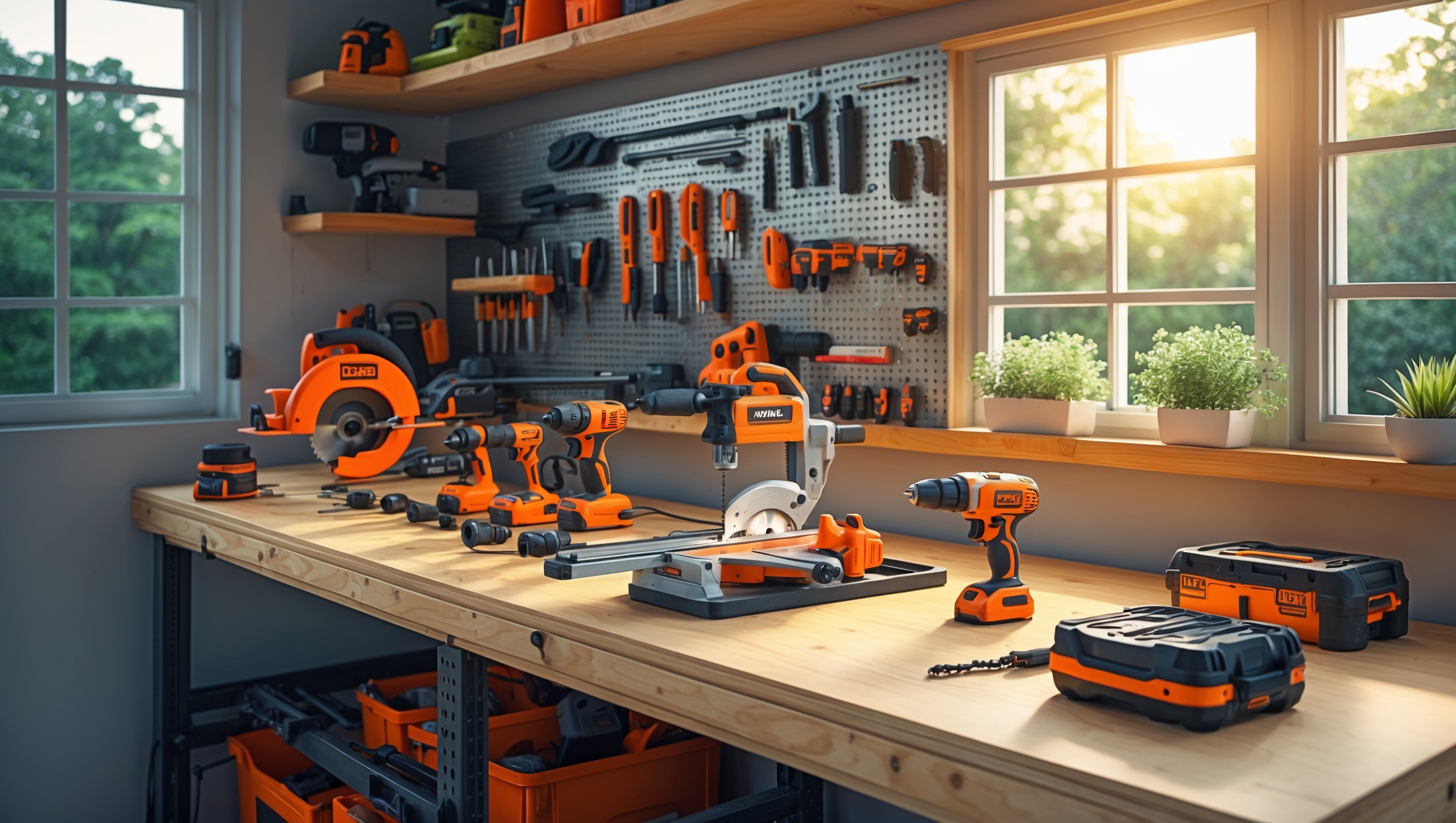
Tool Rental vs. Purchase: A Homeowner’s Guide to Cost-Effective DIY Projects

Introduction: The Homeowner’s Tool Dilemma
Every home improvement project starts with a plan—and the right tools. Whether you’re tackling a minor repair or a major renovation, you’ll quickly face a crucial decision: should you rent or purchase the tools you need? This choice impacts not only your upfront costs, but also your project timeline, storage needs, and long-term budgeting. For many homeowners, the answer isn’t always obvious. Renting can seem practical for one-off jobs, while owning tools offers convenience for frequent fixes. But the true cost-effectiveness depends on several factors, from the nature of your project to local rental rates and future maintenance needs. In this comprehensive guide, we’ll break down when to rent, when to buy, and how to weigh the hidden costs and benefits. By the end, you’ll be equipped to make smart, budget-friendly decisions for every DIY venture—without sacrificing quality or safety.
Understanding the True Costs: Rental vs. Purchase
Initial Financial Outlay
Let’s start with the most tangible factor: money. Tool rental offers a lower initial expense, making it attractive for expensive or specialty items. Purchasing, however, can be more economical over time, especially for tools you’ll use repeatedly. Consider these typical cost comparisons:
- Cordless Drill: Purchase $80–$200; rent $10–$20/day
- Tile Saw: Purchase $300–$600; rent $40–$75/day
- Pressure Washer: Purchase $100–$400; rent $30–$50/day
- Floor Sander: Purchase $500–$1,200; rent $60–$100/day
Factor in project duration. A week-long rental can sometimes approach the tool’s purchase price. Conversely, a single-use tool—like a demolition hammer—rarely justifies buying outright.
Long-Term Value and Depreciation
When you buy, think beyond the purchase price. Quality tools can last decades with proper care. However, they also lose value over time. If you expect to use a tool for multiple projects each year, ownership is often the smarter financial move. For tools used less than once a year, rental typically wins out.
Maintenance and Upkeep
Ownership comes with responsibility. Power tools require regular cleaning, lubrication, blade sharpening, and occasional repairs. These maintenance costs add up—especially if a tool is stored improperly or used infrequently. Rentals, in contrast, are typically maintained by the provider. However, you’re responsible for returning them in clean, working order. Damage fees can apply, so treat rentals with care.
Convenience and Accessibility
Availability of Tools
Owning a well-stocked toolkit means you can start projects on your schedule. No need to coordinate with rental shops or wait for availability—especially during peak home improvement seasons. Renting, however, can mean delays if popular tools are booked out or require advance reservation.
Storage Considerations
Bigger, bulkier tools—think floor sanders or cement mixers—can eat up valuable garage or basement space. If you’re short on storage, renting keeps clutter to a minimum. For compact, versatile tools (like hand drills or laser levels), owning is less of a burden.
Transportation and Handling
Renting often requires a trip to the store and back, plus careful handling to avoid late or damage fees. For large equipment, you may need a truck or trailer. Owning lets you skip this step, but you’re responsible for safe storage and moving the tool as needed.
Project Frequency and Type: Matching Tools to Your Needs
Frequent DIYers vs. Occasional Fixers
If you tackle home repairs or upgrades regularly, building a personal tool collection saves time and money. For occasional projects—like refinishing hardwood floors or installing tile—renting specialty tools is more practical.
Specialized vs. Everyday Tools
Some tools are essential for every homeowner: hammers, tape measures, levels, and screwdrivers. These should almost always be purchased, as you’ll reach for them time and again. More specialized equipment, such as wet saws, drywall lifts, or drain snakes, are best rented unless you foresee multiple uses.
Estimating Future Use
Before buying, ask yourself:
- Will I need this tool for future projects?
- Is it adaptable for different jobs?
- Do I have the skill and time to use it effectively?
Honest answers help prevent costly, underused purchases.
Quality and Performance: Rental vs. Owned Tools
Professional-Grade Equipment Access
Rental centers often stock contractor-grade tools, which are more robust and efficient than entry-level consumer models. This can mean faster work and better results for one-off or demanding jobs. If you only need top-tier performance occasionally, renting is the way to go.
Condition and Reliability
Rentals may have seen heavy use and could show wear, dull blades, or inconsistent performance. Inspect before accepting and ask for a demonstration if you’re unsure. When you own a tool, you control its condition and maintenance—leading to greater reliability over time.
Learning Curve
Specialty rentals often include quick-start guides or in-person briefings. Still, you’ll need to be comfortable operating unfamiliar equipment. If you plan to buy, invest time in learning both safe operation and basic troubleshooting.
Hidden Costs and Risks
Rental Fees Beyond the Sticker Price
Watch out for extra charges, such as:
- Late return fees
- Cleaning fees
- Damage waivers or insurance
- Fuel or consumables (for gas-powered tools)
These can add 10–25% to the quoted daily rate. Always review the rental agreement.
Ownership Costs: Repairs, Batteries, and Accessories
Replacement parts, batteries, blades, and attachments can drive up the total cost of ownership. For battery-powered tools, consider the lifespan and replacement cost of batteries when budgeting.
Risk of Damage or Loss
Lost or damaged rental tools incur steep replacement costs. At home, improper storage or neglect can shorten a purchased tool’s life. Always follow manufacturer guidelines for care and storage.
Environmental and Community Considerations
Reducing Waste Through Sharing
Renting or sharing tools with neighbors reduces the environmental impact of manufacturing, shipping, and disposing of tools that see little use. Some communities offer tool libraries—local cooperatives where you can borrow tools for a small fee.
Supporting Local Businesses
Renting from a local shop keeps money in your community and often comes with expert advice. Some rental centers even offer classes or hands-on demos to build your skills.
Decision Framework: How to Choose for Your Next Project
Key Questions to Ask
- How often will I realistically use this tool?
- What is the total cost to rent vs. buy (including accessories and fees)?
- Do I have space to store and maintain it?
- Do I need top-tier, professional-grade equipment?
- Can I share or borrow the tool from friends or a tool library?
Quick Reference: When to Rent
- Large, expensive, single-use, or specialty tools
- When storage space is limited
- If you want to try before you buy
- For projects requiring professional-grade performance
Quick Reference: When to Buy
- Essential, frequently used hand and power tools
- When you value immediate access and project flexibility
- For tools adaptable to many future projects
- If you want to control tool condition and maintenance
Maximizing Value: Tips for Smart Tool Rental and Ownership
How to Save on Rentals
- Reserve ahead, especially during peak seasons
- Bundle multiple tools for package discounts
- Return on time and in clean condition to avoid fees
- Compare rates at local and national rental centers
How to Buy Tools Wisely
- Buy the best quality you can afford for core tools
- Look for sales, refurbished models, or used tools with a warranty
- Join loyalty programs at hardware stores for discounts and perks
- Invest in proper storage (tool chests, cabinets, wall racks) to extend tool life
Maintaining Your Investment
- Clean and inspect tools after every use
- Store in a dry, secure location
- Follow manufacturer maintenance schedules
- Keep records of warranty and repair information
Case Studies: Real-World Scenarios
Case 1: The Occasional Renovator
Emily planned to renovate her guest bathroom, including tiling the shower and floor. She rented a tile saw and wet vacuum, as she had no plans for future tile work. She purchased a cordless drill and basic hand tools for ongoing home maintenance. By renting specialty equipment and buying everyday tools, she saved over $400 compared to buying everything outright.
Case 2: The Frequent DIYer
John owns a 1950s fixer-upper. He invested in a set of quality power tools, including a circular saw, drill/driver, and orbital sander, which he uses for ongoing repairs and projects. For rare jobs (like refinishing hardwood floors), he rents professional equipment. This approach gives him flexibility and ensures he always has the right tool for the job.
Case 3: The Community-Minded Homeowner
Sara and her neighbors started a tool-sharing group. Each member purchased one or two quality tools and shared them through an online calendar. For big, specialized jobs, they pooled funds to rent equipment. This reduced costs, minimized storage issues, and built stronger community ties.
Conclusion: Making the Smart Choice
Choosing between renting and buying home improvement tools is not just about price tags—it’s about practicality, convenience, long-term value, and sometimes even community. Start by honestly assessing your project needs, frequency of use, available space, and budget. For core tools you’ll use often, invest in quality and treat them as long-term assets. For bulky, expensive, or highly specialized tools, embrace the flexibility and cost savings of rental. Don’t overlook emerging options like tool libraries or neighborhood sharing, which can combine the best of both worlds.
Remember, the right tools—used safely and maintained carefully—can make DIY projects smoother, safer, and more enjoyable. Avoid the trap of buying for every possible scenario, and focus on building a toolkit that matches your skills and ambitions. Use rentals to fill in gaps, test new tools before you commit, or access professional-grade gear for that one-off project. With a little planning, you’ll stretch your home improvement budget further, reduce clutter, and feel confident that you have exactly what you need—when you need it. The smartest homeowners know that a good decision at the start of a project saves time, money, and frustration down the road.
If I end up buying a tool like a cordless drill and only use it a few times a year, is there a general rule for when owning actually pays off compared to renting? I’m trying to figure out if storage and maintenance outweigh the savings over time.
A common guideline is that if you’ll use a tool at least three times a year, buying often makes more sense than renting, especially for versatile items like cordless drills. For occasional use, factor in storage space and minor upkeep. If those aren’t burdens for you, owning can still be more convenient and cost-effective after a few uses compared to rental fees.
For tool storage and long-term care, what tips do you have for small business owners who might have limited space? Does the article recommend any solutions for keeping owned tools in good condition without a dedicated workshop?
For small business owners with limited space, the article suggests using wall-mounted racks, pegboards, and stackable bins to organize tools efficiently. Regularly cleaning and oiling tools before storing them in a dry area can help maintain their condition. Even without a dedicated workshop, keeping tools in lockable cabinets or portable toolboxes can protect them and make the most of available space.
I noticed your cost breakdown for renting versus buying tools like tile saws and floor sanders. Could you elaborate on how to account for ongoing maintenance or potential repair costs when deciding to buy, especially for tools that aren’t used frequently?
When deciding whether to buy a tool you won’t use often, it’s smart to consider maintenance and repair costs. Factor in things like routine cleaning, blade sharpening, oiling, and replacing worn parts. Some tools may need professional servicing after a period of storage. Estimate these expenses over the tool’s expected lifespan and add them to the purchase price. Comparing this total to rental costs for each project can give you a clearer financial picture.
When you mention factoring in project duration, is there a general rule of thumb for how many times I’d need to use a tool per year before it makes more sense to buy instead of rent? For example, if I only use a pressure washer two or three times, is renting still cheaper?
A common rule of thumb is if you’ll use a tool three or more times a year, buying might start to make financial sense, especially for moderately priced items. For a pressure washer, if you only need it two or three times, renting is usually cheaper when you factor in storage, maintenance, and upfront costs. If you anticipate using it more frequently each year, then purchasing could be the better long-term investment.
Could you give more guidance on how to estimate hidden costs, like tool maintenance and storage, when deciding between renting and buying? I have a small garage and I’m worried about where I’d keep larger tools if I purchase them.
To estimate hidden costs, consider the space each tool will occupy and whether your garage can accommodate them without causing clutter. For maintenance, factor in expenses like oil, parts, and your time for upkeep—these add up over years of ownership. Renting can help you avoid both storage stress and maintenance costs, especially for bulky or rarely used tools. If storage is limited, renting might be the simpler, more cost-effective option.