
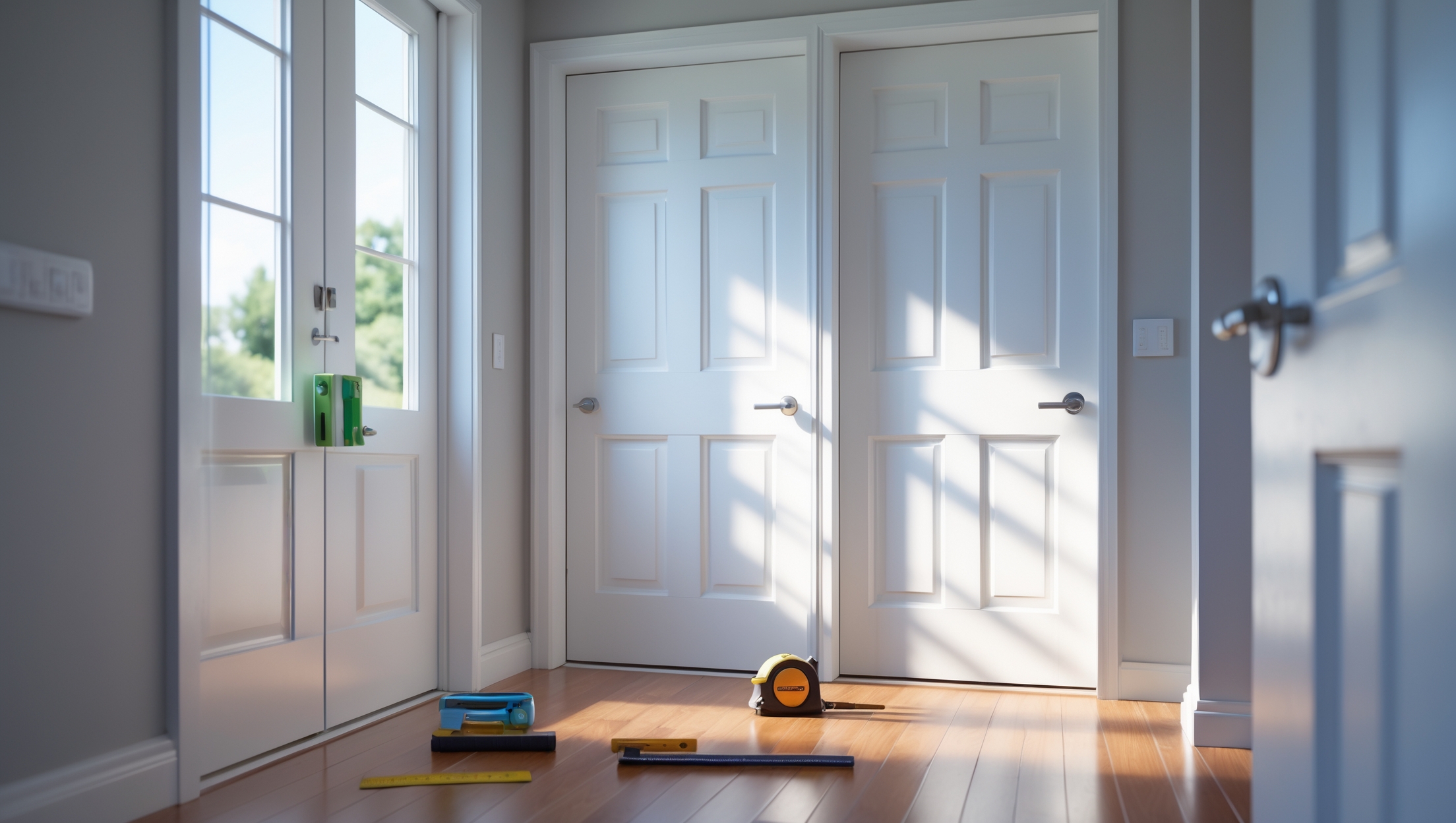
Avoiding Common Mistakes When Replacing Interior Doors: A Detailed DIY Guide

Introduction: Why Replacing Interior Doors Is Tricker Than It Looks
Swapping out interior doors seems straightforward—until you find yourself staring at a crooked slab, a latch that won’t catch, or uneven gaps that ruin the look of your space. Whether you’re freshening up outdated rooms, boosting energy efficiency, or simply replacing damaged panels, interior door replacement is a classic home improvement task that packs a surprising punch in both aesthetics and function. But lurking beneath the surface are pitfalls that can lead to frustration, wasted money, and shoddy results.
This in-depth guide is designed to help homeowners—especially DIY enthusiasts—sidestep the most common mistakes encountered during interior door replacements. We’ll cover everything from precise measuring and selecting the right materials to proper budgeting, essential tools, and compliance with building codes. You’ll get a full step-by-step walkthrough, plus troubleshooting tips for the most frequent issues. Whether you’re working with pre-hung doors or slabs, this article arms you with practical know-how to achieve professional results—without the stress or added expense of fixing preventable errors.
Section 1: Understanding the True Scope—What’s Involved in Replacing Interior Doors?
Door Types: Pre-Hung vs. Slab
The first step is understanding the difference between pre-hung and slab doors. Pre-hung doors come mounted in their own frames, making them ideal for situations where the existing frame is damaged or out-of-square. Slab doors are just the door panel itself—perfect for quick swaps where the frame is in good condition. Your choice here will affect every part of the project, from budgeting to required tools and time investment.
Common Reasons for Replacement
- Updating old or damaged doors
- Improving soundproofing and energy efficiency
- Increasing home value and appeal
- Addressing functional issues (sticking, misaligned latches, etc.)
Potential Challenges
- Non-standard door sizes in older homes
- Out-of-square or damaged frames
- Matching finish and trim styles
- Working around electrical switches or baseboards
Section 2: Cost Breakdown and Budgeting for Interior Door Replacement
Itemized Costs
- Door slab or pre-hung door: $40–$250 each (material and style dependent)
- Hardware (hinges, knobs, latches): $15–$60 per door
- Trim and casing (if replacing): $10–$40 per door
- Finishing materials (paint, stain, brushes): $20–$50
- Tools (if not already owned): $50–$200 (see detailed tools guide below)
- Disposal (if applicable): $0–$30
For a standard interior slab door replacement, expect to spend $75–$250 per door, depending on finish level. Pre-hung doors with new casing and hardware can run $150–$350 per unit.
Budgeting Tips
- Always buy an extra hinge or knob set in case of defects or last-minute changes.
- Factor in the cost of paint or stain, especially if matching existing finishes.
- Account for possible trim or frame repairs—especially in older homes.
- Set aside a 10-15% contingency for unexpected issues (e.g., hidden frame rot, out-of-plumb walls).
Section 3: Essential Tools & Equipment Guide
- Measuring tape (at least 25 feet)
- Carpenter’s square and level
- Pry bar (for removing old trim or casing)
- Hammer and finish nails (or nail gun)
- Drill and screwdriver set
- Chisel set (for mortising hinges if using slab doors)
- Saw (circular saw for trimming doors, handsaw for small cuts)
- Shims (for leveling and aligning doors)
- Wood filler and caulk
- Utility knife
- Safety glasses and work gloves
- Drop cloths or painter’s tape (to protect floors and walls)
- Paint or stain supplies (brushes, rollers, trays)
Section 4: Compliance and Permit Considerations
For most single-family homes, replacing interior doors does not require a building permit as long as you are not altering the structure or making changes to load-bearing walls. However, watch for these exceptions:
- Fire-rated doors: If the door separates a garage from living space, it may need to meet fire code specifications. Always check local codes.
- Historic homes: Local preservation ordinances may restrict door style or materials.
- Multifamily buildings: Condo or HOA rules may dictate approved styles or procedures.
When in doubt, consult your local building department or property manager before starting.
Section 5: Step-by-Step Setup Tutorial—DIY Interior Door Replacement
Step 1: Accurate Measurement
- Measure the width, height, and thickness of the existing door slab and the rough opening (for pre-hung doors).
- Measure at multiple points (top, middle, bottom) to catch any irregularities.
- Note hinge locations and spacing if reusing jambs or using a slab door.
Step 2: Removing the Old Door
- Remove hinge pins using a screwdriver and hammer.
- Gently pry off any casing or trim if replacing (use a putty knife to protect walls).
- If installing a pre-hung door, carefully remove the existing frame and threshold.
Step 3: Preparing the Opening
- Check for square and level—shim the opening as needed.
- Repair any damaged framing or drywall.
- Vacuum debris for a clean work surface.
Step 4: Fitting and Trimming the New Door
- Dry-fit the door slab in the opening; mark and trim as needed for height and width (leave 1/8″ clearance at top and sides, 1/2″ at bottom if above carpet).
- For pre-hung doors, insert the unit into the opening, centering and leveling with shims.
- Check swing direction and clearance before fixing in place.
Step 5: Installing Hinges and Hardware
- Mark and mortise hinge locations (reuse old positions for slab doors).
- Attach hinges to the door and jamb/frame.
- Install latch and knob/lever per manufacturer instructions.
Step 6: Hanging and Testing the Door
- Hang the door and test for smooth swinging, latching, and even gaps.
- Adjust shims as needed, then secure the frame (for pre-hung units) with finish nails or screws.
Step 7: Reinstalling Trim and Finishing Touches
- Replace or install new casing/trim with finish nails.
- Fill nail holes, caulk gaps, and touch up with paint or stain.
- Remove protective coverings, clean up, and enjoy your upgraded space.
Section 6: Avoiding the Most Common Mistakes in Interior Door Replacement
Measurement Mishaps
- Not accounting for floor coverings (carpet, tile, etc.) when trimming doors.
- Forgetting to measure both width and thickness, leading to poor fit.
- Assuming all doors in a house are the same size—always check each opening.
Poor Alignment and Shimming
- Skipping the step of checking for plumb and level frames.
- Over-tightening screws, causing frames to bow.
- Neglecting to use shims at hinges and latch locations, resulting in sticking doors or uneven gaps.
Incorrect Hinge Placement
- Misaligning hinge mortises, causing binding or sagging doors.
- Not pre-drilling holes, leading to split wood or loose screws.
Hardware Installation Errors
- Installing knobs or levers too high or low for user comfort.
- Misaligning latch and strike plate, preventing proper latching.
Neglecting Finishing Touches
- Skipping caulk at trim edges, leaving unsightly gaps.
- Failing to fill nail holes or touch up paint, resulting in a sloppy look.
Pro Tip: Work Methodically
Before moving on to each step, double-check your work. Take your time—rushing is a recipe for costly mistakes. If you’re replacing multiple doors, complete one fully before proceeding to the next.
Section 7: Maintenance Best Practices for New Interior Doors
- Check and tighten hinge screws every six months to prevent sagging.
- Wipe down painted or stained surfaces with a damp cloth—avoid harsh chemicals.
- Inspect and lubricate hinges annually to reduce squeaks and wear.
- Touch up scratches or chips promptly to prevent further damage.
- If your home settles, periodically check for shifting gaps and re-shim if needed.
Section 8: Troubleshooting—What to Do If Something Goes Wrong
- Door won’t latch: Adjust the strike plate or shim the frame at the latch side.
- Door swings open or closed on its own: Check for plumb; adjust shims and retighten frame fasteners.
- Gaps are uneven: Add or reposition shims at hinge or latch locations.
- Door binds or sticks: Sand or plane the sticking edge slightly, then refinish as needed.
- Paint or finish issues: Sand and reapply paint or stain, following manufacturer instructions.
Section 9: Safety Checklist
- Wear safety glasses and gloves when using hand or power tools.
- Secure the work area—keep children and pets away from tools and debris.
- When using saws or drills, work on a stable surface and follow all safety protocols.
- Lift doors with proper posture to avoid back strain.
- Dispose of old doors and materials safely; recycle when possible.
Conclusion: Achieve Flawless Results and Lasting Satisfaction
Replacing interior doors is one of those home improvement projects that, when done right, delivers instant gratification and long-term value. But as you’ve seen, there’s a lot more to it than simply hanging a new panel. From accurate measuring and careful shimming to proper hardware installation and finishing details, every step matters in creating a final product that looks, feels, and functions beautifully. By following the detailed guidance in this article—budgeting realistically, assembling the right tools, and working methodically—you’ll avoid the most common pitfalls that plague DIYers and even some pros.
Investing a little extra time in preparation pays off with doors that swing smoothly, latch securely, and complement your home’s style. Remember to check for compliance in special cases, maintain your new doors regularly, and troubleshoot issues promptly. Home improvements are about more than aesthetics—they’re about increasing comfort, efficiency, and pride in your living space. With the right approach, your next door replacement project can be a resounding success, saving you time, money, and future headaches. Happy upgrading!
Could you give a rough estimate for a realistic DIY budget per door, factoring in essential tools and potential hiccups? I want to avoid underestimating costs before I start replacing all my interior doors.
For a realistic DIY budget per door, expect to spend around $100–$200 if you already have basic tools. This covers a standard interior door, hardware, hinges, and small extras like shims or screws. If you need to buy essential tools—like a chisel, drill, or saw—add $50–$150 more. To cover unexpected issues like trimming or fixing frame alignment, set aside a 10–20% contingency.
In the section about door types, you mention that choosing between a pre-hung and a slab door affects budgeting, tools, and time investment. Could you provide more specific guidance or examples on how these factors differ between the two options?
Choosing a pre-hung door usually requires a bigger upfront budget because it includes both the door and the frame, but it can save you time and reduce alignment issues. You’ll need basic tools like a screwdriver, a level, and shims. A slab door is less expensive but needs more precise measuring and fitting to your existing frame, and you’ll often need additional tools like a chisel, drill, and possibly a planer. Installing a slab door typically takes longer, especially if you need to cut hinge and handle mortises.
Could you clarify what you mean by making sure the new door is code compliant? Are there specific building codes for interior doors that I should be aware of if I’m just replacing a door in my bedroom or bathroom?
When we mention making sure your new door is code compliant, we’re mainly referring to basic safety and functionality guidelines. For most bedrooms and bathrooms, there aren’t strict codes, but you should ensure the door is at least 80 inches tall and 24 inches wide. Also, bedrooms must have doors that open easily for emergency exits. If your home is part of a condo or apartment, there may be additional rules, so it’s a good idea to check with your local building department if you’re unsure.
Can you go into more detail about the building codes you referred to? Are there specific regulations or permits I need to be aware of before starting a DIY replacement, especially in older homes?
Building codes for interior doors mainly address issues like door width (for accessibility), fire safety (especially between garages and living areas), and proper egress routes. In newer homes, standard bedroom and bathroom doors typically don’t require permits, but in older homes you may encounter unusual framing or lead paint concerns. Always check with your local building department before starting—some areas require permits if you’re altering the structure or if the door leads to a fire-rated space. It’s best to confirm local requirements to avoid problems later.
What’s a reasonable average budget range for replacing three interior doors myself if I’m choosing mid-range materials? I want to avoid getting halfway through and realizing I missed some hidden costs or special tools.
For three interior doors using mid-range materials, you can expect to budget around $300 to $600 total. This includes doors (about $70–$120 each), new hinges, knobs, paint or stain, and basic supplies. If you don’t already own them, you might need to rent or buy tools like a chisel, drill, or saw, which could add $25–$75. Factor in some small extra costs for shims or touch-up materials to avoid surprises.
When budgeting for this project, are there any typical hidden costs that first-timers might overlook, like new hardware or specialty tools? I’m trying to avoid surprises once I start replacing my interior doors.
Yes, there are a few hidden costs that people often miss when budgeting for interior door replacement. Besides the cost of the new doors, remember to include expenses for new hinges, handles, and possibly strike plates if the old hardware doesn’t fit. You may also need to buy or rent tools like a chisel, drill bits, or a planer for adjustments. Don’t forget the cost of paint or stain if the doors aren’t pre-finished, as well as shims and screws. Factoring these in can help prevent last-minute surprises.
I noticed you mentioned budgeting for the project, but are there any hidden costs that tend to surprise homeowners when replacing interior doors, like disposal fees or specialized tool rentals?
Yes, hidden costs can catch people off guard during a door replacement project. Besides the obvious expenses, you might need to pay for old door disposal, which some waste services charge separately. Renting or buying specialized tools like a planer, chisel, or door hanging kit can also add to your total cost. Additionally, unexpected repairs to door frames or trim can increase your budget, so it’s wise to set aside a little extra for these possibilities.
Can you explain how to accurately measure for a new slab door if my old frame isn’t perfectly square? I keep ending up with uneven gaps, and I’m not sure if I should be compensating during the measuring or the installation step.
If your old frame isn’t perfectly square, measure the width and height of the opening at several points—top, middle, and bottom for width; left and right for height. Use the smallest measurements to size your new slab so it fits everywhere. Expect to trim and plane the edges of the new door during installation to match the uneven frame. This way, you’ll have even gaps once the door is hung.
You mention that selecting between pre-hung and slab doors can affect the entire process, including budgeting and time investment. Could you provide more details on the typical cost and installation time differences between these options for an average homeowner?
Pre-hung doors generally cost more upfront, typically ranging from $100 to $250 each, but they save time because they come with the frame and hinges already attached. Installing a pre-hung door takes about 1–2 hours. Slab doors are less expensive, usually $30 to $100, but require you to fit hinges and possibly trim the door to size, often taking 2–4 hours per door. So, pre-hung doors cost more but are quicker and simpler for most DIYers.
I’m planning to replace a few interior doors, but I’m not sure how to tell if my frames are out-of-square or in good enough shape for slab doors. Are there straightforward ways to check this before I start buying materials?
Yes, you can check if your frames are square by measuring the diagonals from corner to corner; if both measurements are the same, the frame is square. Also, use a level to check if the sides are plumb and the top is level. Inspect the frame for warps, cracks, or damage, as these could cause problems with new slab doors. Doing these checks before buying materials will help you avoid fitting issues later.
I’m a little confused about when it makes sense to go with a pre-hung door versus just using a slab. If my existing frame is slightly out of square but not seriously damaged, is it still possible to use a slab, or will that lead to those uneven gaps or latch issues you mentioned?
If your existing frame is only slightly out of square but not damaged, you can still use a slab door, but it will require careful trimming and fitting to avoid uneven gaps or latch problems. You’ll need to plane or sand the door edges to match the frame’s shape and check the alignment closely before installing hinges and hardware.
I’m a bit confused about measuring for a new interior door, especially when dealing with older homes with out-of-square frames. Do you have any tips on making sure I get the measurements right before ordering a slab or pre-hung door?
When measuring for a new door in an older home, always measure the width and height of the actual door opening at several points—top, middle, and bottom—since frames may not be perfectly square. Use the smallest measurement to avoid a door that’s too large. For pre-hung doors, check the rough opening as well, and consider using shims during installation to correct for uneven frames.
When working with slab doors, what is the best way to handle situations where the existing frame is slightly out of square, but not enough to justify switching to a pre-hung option? Are there specific tips for shimming or adjusting the slab to avoid gaps and crooked hanging?
When the existing frame is just a bit out of square, you can still use a slab door by carefully scribing and trimming the door’s edges to match the frame’s shape. Use a block plane or sander for minor adjustments and check the fit frequently. Shims can help align hinges, especially if the gap is uneven. Take your time marking and testing before final installation to ensure a snug, even fit without gaps.
I noticed the article mentioned compliance with building codes. Are there specific code requirements I should be aware of when replacing bedroom or bathroom doors, especially if I’m doing a few at once?
When replacing bedroom or bathroom doors, check that the new doors match the minimum width required by your local building code, usually at least 32 inches for bedrooms to allow safe egress. For bathrooms, ensure the door swings do not obstruct required clearances inside. Also, use proper fire-rated doors if any door leads to a garage or separate living unit. It’s a good idea to confirm your local requirements, as codes can vary by area.