
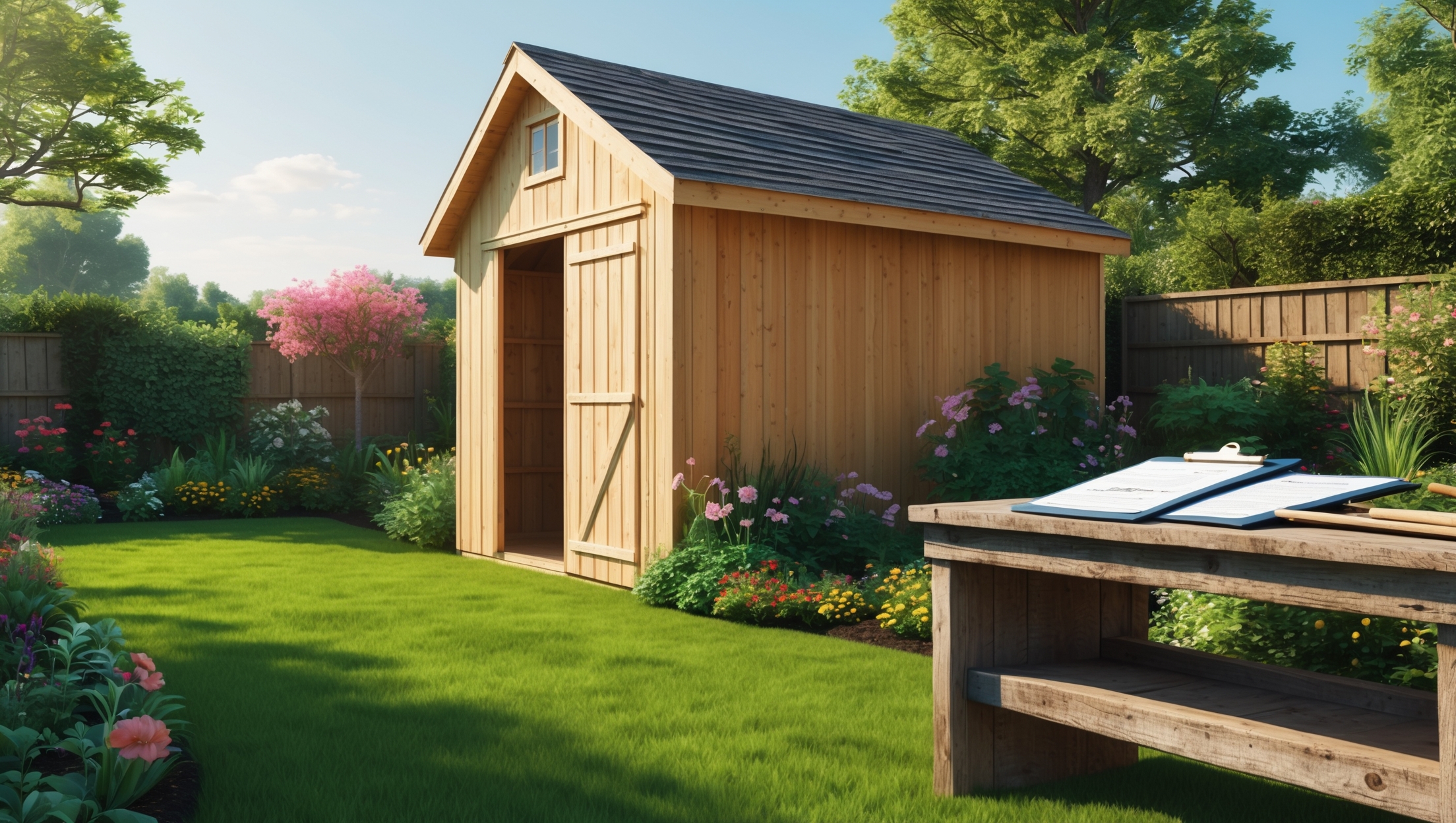
Compliance and Permit Guidelines for Backyard Sheds: Avoid Fines and Build Right

Introduction: Why Compliance and Permits Matter for Backyard Sheds
Adding a backyard shed can be a game-changer for homeowners, providing extra storage, a workshop, or even a cozy retreat. However, what often starts as a simple improvement can quickly turn into a legal and financial headache if you overlook local compliance and permit requirements. Many homeowners mistakenly assume that small, detached structures like sheds don’t need permits or must follow only minimal regulations. In reality, failing to obtain the right permissions and follow codes can result in stop-work orders, fines, forced removals, or future complications when selling your property. Regulations vary widely—what’s allowed in one municipality could be strictly prohibited in another. This article offers a practical, step-by-step guide to understanding, applying for, and navigating compliance and permit processes for backyard sheds. By the end, you’ll know how to avoid common pitfalls, handle inspections, and make sure your new shed is both legal and built to last.
Understanding Local Zoning and Building Codes
What Are Zoning Codes?
Zoning codes regulate land use and determine what structures can be built on your property, where they can be placed, and for what purpose. For sheds, zoning ordinances may restrict:
- Maximum shed size (square footage and height)
- Setback requirements (distance from property lines, fences, homes, and other structures)
- Allowed uses (storage only vs. habitable space)
- Total lot coverage (percentage of your yard covered by buildings)
Always start by checking with your municipal zoning office or local planning department. They can provide a zoning map and explain regulations specific to your lot.
Building Codes: Safety and Construction Standards
Building codes ensure that structures are safe and sound. For sheds, relevant building code requirements often include:
- Foundation types (e.g., slab, piers, skids)
- Structural integrity (framing, bracing, roof loads)
- Electrical installation (if wiring is planned)
- Fire separation distances (especially near the main home or detached garage)
Even if your shed is small, some municipalities apply building codes regardless of size, especially if plumbing or electrical work is involved.
When Do Sheds Require a Permit?
Common Permit Exemptions
Many cities exempt very small sheds from permitting requirements. Typical exemptions include:
- Sheds under a certain size (e.g., 100 or 120 square feet)
- Sheds that are not wired for electricity or plumbing
- Non-permanent structures (built on skids, not anchored)
However, even exempt sheds must still comply with zoning setbacks and lot coverage rules. Check for HOA (Homeowners Association) restrictions if applicable.
When a Permit Is Always Required
You will almost always need a permit if:
- Your shed exceeds the size or height threshold for exemption
- You plan to connect electrical, plumbing, or HVAC systems
- The shed will be used as an office, studio, or other habitable space
- Local codes require it based on location (e.g., flood zones, historic districts)
Contact your local building department to clarify specific thresholds and requirements. Do not rely solely on advice from shed retailers or installers.
Step-by-Step: The Permit Application Process
Step 1: Prepare Site and Shed Plans
Start by drawing a site plan showing:
- Your property boundaries
- Existing structures
- Proposed shed location, size, and setbacks
You’ll also need construction drawings or diagrams for the shed. Many permit offices have sample plans or templates.
Step 2: Submit Your Application
Most permit applications require:
- Permit application form (downloadable from city website or available in-person)
- Site plan and construction drawings
- Permit fee payment (may range from $50 to $500+)
- HOA approval letter, if required
Submit your application online or at the building department. Some areas process minor shed permits at the counter; others may take days or weeks.
Step 3: Plan Review and Approval
The building department reviews your plans for code compliance. They may request clarifications or modifications. If your plans meet all requirements, you’ll get an approved permit and inspection schedule.
Step 4: Inspections
Depending on your municipality and shed features, inspections may include:
- Footing/foundation inspection before concrete pour
- Framing inspection
- Final inspection (after construction is complete)
- Electrical/plumbing inspection, if applicable
Do not skip inspections—lack of approval can invalidate your permit and result in penalties.
Costs and Budgeting for Shed Permits
Permit Fees
Permit fees for sheds vary by municipality and shed size. Expect:
- Small sheds (under exemption threshold): often $0–$75
- Larger or habitable sheds: $150–$500+
- Additional fees for electrical, plumbing, or special zoning reviews
Hidden Costs
Other costs to consider:
- Site surveys (if property boundaries are unclear): $300–$1,000
- Professional drafting of plans: $100–$500
- HOA application fees: $50–$200
- Re-inspection fees if you fail an inspection
Build these costs into your project budget to avoid surprise expenses.
Common Mistakes Homeowners Make (and How to Avoid Them)
- Skipping the permit process entirely: This is the most costly mistake, often leading to fines or forced removal.
- Misinterpreting exemption rules: Don’t rely on hearsay—always check official sources for up-to-date regulations.
- Ignoring setback requirements: Building too close to property lines can trigger legal disputes or require you to move the shed.
- Not getting HOA approval: Even with a city permit, your HOA can require modifications or removal if you don’t follow their guidelines.
- Neglecting inspections: Failing to call for required inspections can invalidate your permit and put your investment at risk.
Special Considerations: Historic Districts, Flood Zones, and Unique Cases
Historic Districts
If your home is in a historic district, extra approvals may be needed. Sheds may need to meet design criteria, use specific materials, or be placed out of public view. Start early—approval can take longer.
Floodplains and Environmental Regulations
In flood-prone areas, special permits ensure your shed won’t increase flood risk. Requirements may include:
- Elevating the shed above base flood elevation
- Using flood-resistant materials
- Anchoring to resist floatation
Contact your local floodplain manager if your property is near water or in a mapped flood zone.
Corner Lots, Easements, and Utility Lines
Sheds can’t be built over utility easements or close to certain utilities. Always call 811 before digging and check with your local utility providers to avoid costly mistakes.
What Happens If You Build Without a Permit?
Unpermitted sheds can result in:
- Stop-work orders and mandatory removal
- Fines ranging from $100 to thousands of dollars
- Problems when selling your home (title companies and buyers often require proof of permits)
- Potential denial of homeowners insurance claims (some insurers won’t cover unpermitted structures)
If you discover your shed lacks a permit, contact your building department ASAP. Many offer “after-the-fact” permitting, though you may pay double fees and need to open up finished work for inspection.
Tips for a Smooth Permit Experience
- Start early: Permit reviews can take several weeks, especially during busy building seasons.
- Be thorough: Complete applications with accurate, detailed plans are processed faster.
- Communicate: Stay in touch with permit officials; clarify doubts before you build.
- Work with pros: Consider hiring a contractor familiar with local codes, especially for complex or large sheds.
- Keep records: Maintain copies of permits, inspection reports, and approvals for your files and future buyers.
Conclusion: Build with Confidence—And Peace of Mind
Building a backyard shed doesn’t have to be stressful or risky. By taking the time to understand your local zoning, securing the right permits, and following compliance best practices, you ensure your investment is protected and your property enhanced—not diminished by legal headaches or costly mistakes. Sheds can add value, storage, and functionality to your yard, but only if you take the steps to make them safe, legal, and durable. Remember, every municipality is different, and what applies in one neighborhood may not in another. The best approach is to start with a call to your local building department, gather clear documentation, and follow the process step by step. This guide has equipped you with practical knowledge and actionable tips for a smooth, compliant shed project. Whether you’re building yourself or hiring a contractor, approaching permits and compliance proactively will save you time, money, and frustration. Build right, and your new shed will be a source of pride—not a problem—for years to come.
I’m planning to build a shed mainly for gardening tools, and I’ve heard that some areas have minimum setback requirements from property lines. How do I find out exactly what setbacks apply to my specific address, and is it possible to get any exceptions if my yard is small?
To find the exact setback requirements for your property, contact your local building or planning department—they can provide details based on your address. Setbacks often vary by zoning, so having your parcel information handy helps. If your yard is small, ask about variance or exemption processes; some areas allow exceptions if you meet specific criteria, but you’ll usually need to apply and possibly attend a hearing.
I’m a bit concerned about the permit process timeline. Once I submit my shed plans to the local planning department, about how long does it typically take to get approval before I can start building?
The permit approval timeline can vary depending on your local planning department, but it’s common for reviews to take anywhere from one to four weeks. Some areas offer expedited processing for a fee, while others may take longer if they require additional information or inspections. It’s a good idea to follow up with your planning department for a more accurate estimate based on your location and project details.
I get how zoning rules impact shed size and placement, but how do you find out if your specific backyard is already close to the total lot coverage limit? Is that something the municipal office can help with, or do you have to calculate it yourself?
To find out if your backyard is already near the total lot coverage limit, you typically start by checking your property’s survey or site plan to see current structures and their footprints. The municipal office can definitely help—contact your local planning or building department, and they can often review your site information or help you calculate your current lot coverage based on existing records and your plans.
The article mentions possible complications when selling your home if you skip compliance steps. Do you have any tips on how to document your permit and inspection process in case you need to prove everything was done legally to future buyers?
Keeping thorough records is very helpful. Save copies of your permit applications, approval documents, inspection reports, and any correspondence with your local authority. Take dated photos at key stages of the shed build to show compliance. Store everything together in a folder—digital or physical—so you can easily share this documentation with future buyers or their agents if questions come up during the sale process.
If my city has different setback requirements than my county, which rules do I need to follow when placing a shed in my backyard? Could this create issues during permit approval?
You should follow the stricter setback requirement between your city and county, as cities often have their own codes that override county rules within city limits. Conflicting requirements can sometimes cause confusion during permit approval, so it’s best to confirm with your city’s building department before submitting your application. This helps ensure your shed placement meets all local regulations and avoids delays.
Does getting a permit for a shed usually require submitting detailed construction plans, or are there cases where basic info is enough? I’m not sure how much documentation I’ll need to prepare if I just want a simple prefabricated shed.
The amount of documentation required for a shed permit often depends on your local regulations and the size of the shed. For small, prefabricated sheds, some areas only ask for basic information like shed size, location on your property, and manufacturer specs. However, others may require more detailed site plans or construction details. It’s best to check with your local building department to confirm exactly what they need for your shed project.
You said that building codes for sheds can involve specific foundation types like slabs or piers. Is there usually a notable cost or time difference between the different foundation options when securing permits and meeting compliance?
Yes, there is often a notable cost and time difference between shed foundations. Slab foundations typically cost more and require more time, as they involve excavation, formwork, and concrete pouring. Pier foundations are usually quicker and less expensive, requiring less labor and materials. When applying for permits, slab foundations might also need more detailed plans and inspections, which can extend approval times compared to piers.
Could you clarify what the process looks like if my initial shed plans don’t meet local lot coverage rules? Is it possible to request a variance, and in your experience, how difficult or time-consuming is that to get approved?
If your shed plans exceed local lot coverage rules, you typically need to apply for a zoning variance. This involves submitting an application to your local planning department, explaining your situation, and often attending a public hearing. Approval can vary—some areas are flexible, while others are strict. The process can take anywhere from a few weeks to a few months, depending on local demand and complexity. It’s worth contacting your local office for specific guidance.
If my city has strict setback requirements but my yard is irregularly shaped, how can I figure out exactly where I’m legally allowed to place a shed? The article mentions municipal zoning offices, but do they actually help review your site plans before you apply?
Municipal zoning offices can definitely assist you with this situation. Many cities will review your proposed site plan before you submit a formal permit application and let you know if it meets setback and placement rules. It’s a good idea to bring a sketch of your property lines, including any odd angles, when you visit or contact them. This way, they can give you clear guidance on where your shed can legally go.
If my property is close to the lot line, how strict are setback requirements? Are there any exceptions or ways to apply for a variance if my yard layout doesn’t allow me to meet the standard setback distance?
Setback requirements are usually enforced strictly, especially near property lines, to ensure safety and access. However, many local governments offer a variance process if unique property features make standard setbacks difficult to meet. You’ll typically need to submit an application explaining your situation, and sometimes attend a public hearing. Check with your local building or zoning office for specific guidelines and procedures in your area.
You mentioned setbacks and lot coverage limits. How do I actually find out what the specific setback measurements are for my property? Is that info something I can look up online, or do I have to go in person to my city’s zoning office to get it?
You can usually find specific setback measurements and lot coverage limits by checking your city or county’s zoning department website, as many municipalities post their zoning codes and maps online. If it’s not available online or if you want to be sure, you can call or visit your local zoning or planning office. They can confirm the exact requirements for your address and answer any questions about how the rules apply to your property.
When it comes to building codes, are there certain foundation types that are usually easier or faster to get approved? I don’t want to run into delays if one option is more likely to slow down the permit process.
Generally, simpler foundation types like concrete blocks or gravel pads tend to be approved more quickly than permanent poured concrete slabs, especially for smaller backyard sheds. These options usually meet code requirements for light structures and involve less paperwork and inspection. However, always check with your local permitting office, since some areas have specific rules based on shed size and intended use.
You mentioned setback requirements and maximum shed size. If my property has an irregular shape and the only available spot is close to the fence, how flexible are municipalities about granting variances for shed placement?
Municipalities sometimes allow variances for shed placement, especially when property shape or size creates challenges. However, you’ll need to apply for a variance and demonstrate a valid reason, like an irregular lot preventing compliance with standard setbacks. Each case is reviewed individually, and approval isn’t guaranteed. It’s a good idea to contact your local planning office to discuss your situation and learn about the process and requirements before moving forward.