
Insurance Considerations for Solar Panel Installation: A Homeowner’s Guide

Introduction
Solar energy is no longer just for the eco-conscious or tech-savvy homeowner—it’s quickly becoming a mainstream home improvement choice. With increasing energy costs and attractive federal and state incentives, more households are turning to rooftop solar panel installations to reduce utility bills and shrink their environmental footprint. But before you contract your installation or sign on for a solar lease, there’s a crucial detail many homeowners overlook: insurance. Adding solar panels to your home can affect your homeowner’s insurance coverage, premiums, and even your eligibility to file claims. Failing to understand these insurance considerations up front can lead to unpleasant surprises—like denied claims, insufficient coverage, or unexpected out-of-pocket costs—if your panels are damaged or cause property issues later on.
This guide delivers a comprehensive, practical look at what every homeowner needs to know about insuring solar panels. We’ll cover how solar installations impact your policy, what coverage options to ask your insurer about, critical documentation, and common pitfalls to avoid. Whether you’re planning a new installation or already have panels on your roof, this article will empower you to make informed, confident decisions—protecting your investment and your home.
Understanding How Solar Panels Affect Homeowner’s Insurance
Solar Panels as Part of the Dwelling
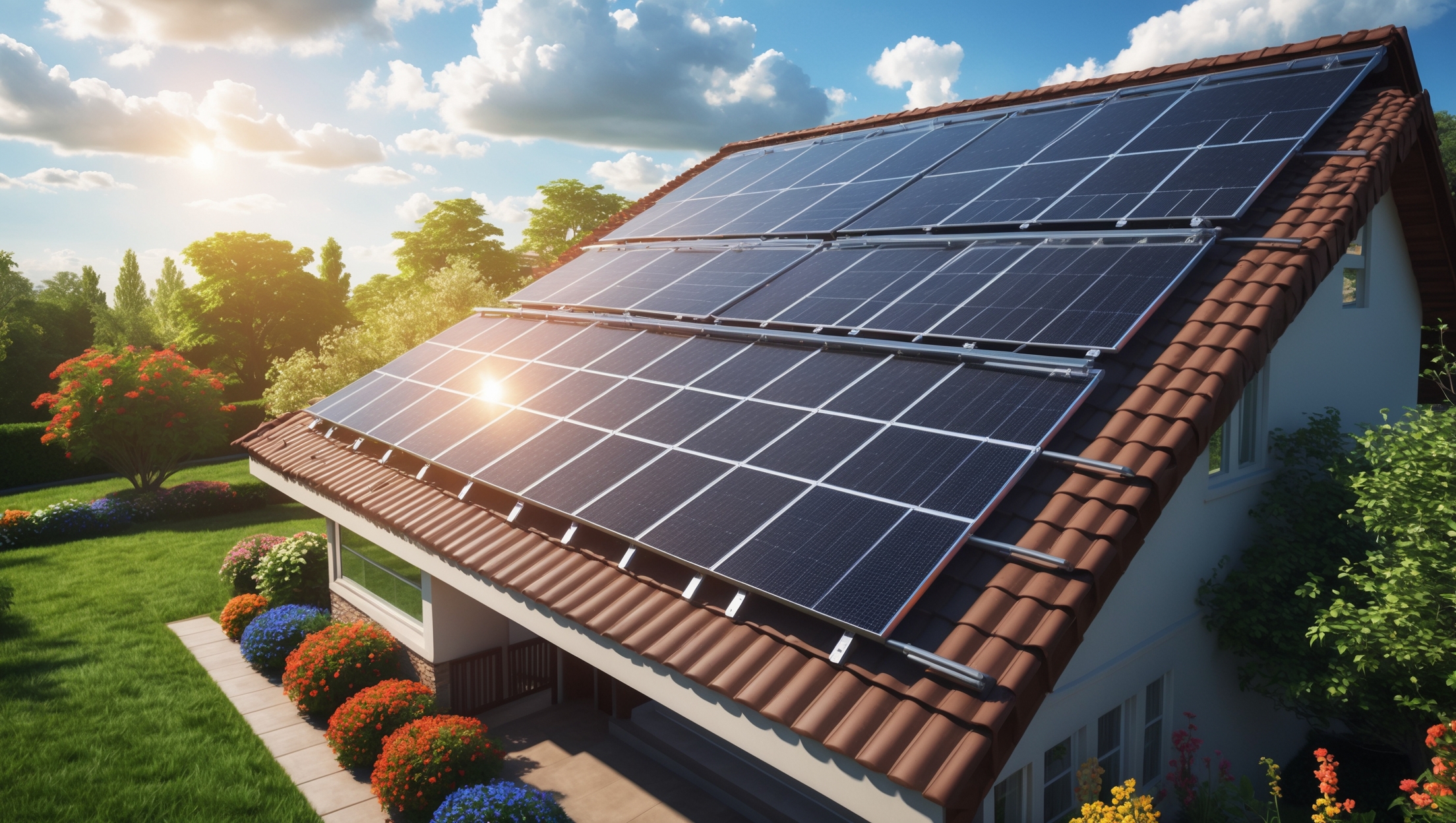
Most rooftop solar panel systems are considered a permanent improvement to your home. As such, insurance companies typically treat solar panels as part of your dwelling or ‘Coverage A’ under a standard homeowner’s policy. This means they are protected against risks like fire, wind, hail, and vandalism—up to your dwelling coverage limit. However, the value and replacement cost of your panels might significantly increase your home’s overall value, potentially requiring an adjustment to your policy limits.
Ground-Mounted and Detached Solar Arrays
If your solar panels are ground-mounted or installed on a detached structure (like a garage or shed), they may be covered differently—often under ‘Other Structures’ or ‘Coverage B’ of your policy. These sub-limits are generally lower than the main dwelling coverage, so you must verify whether your coverage is sufficient for the value of these installations.
Solar Leases, PPAs, and Third-Party Ownership
Not all solar systems are homeowner-owned. If you lease your panels or have a Power Purchase Agreement (PPA), the solar company typically retains ownership—and they may be responsible for insuring the equipment. However, you could still be liable for damage caused by the panels (such as roof leaks or fires), so it’s important to clarify insurance responsibilities in your contract and with your insurer.
Key Insurance Coverage Considerations
Confirming Coverage with Your Insurer
- Contact your insurance provider before installation. Discuss your plans and request written confirmation that your policy will cover the solar panels.
- Ask if your existing dwelling coverage limit is sufficient to include the replacement cost of the new solar panels. If not, request a limit increase.
- Confirm the policy covers all major perils applicable to your location (fire, hail, wind, theft, etc.), as some policies exclude certain risks or have high deductibles for wind/hail damage.
- Request clarification on whether the panels are considered part of the dwelling or other structures, depending on placement.
Special Coverage Riders and Endorsements
Some insurers may require a policy endorsement or rider to cover solar panels, especially if the value is high or the installation is ground-mounted. These add-ons may provide broader protection, such as coverage for electrical surges, mechanical breakdown, or loss of use if your panels are damaged and you have to buy electricity from the grid temporarily.
Liability Protection
Solar panels introduce unique liability risks—such as potential fire, injury during installation or maintenance, or panels detaching in a storm. Ensure your liability coverage is robust, especially if you plan to host maintenance contractors or if your panels are installed in a way that could impact neighbors’ property.
Documentation and Communication Best Practices
Obtain Comprehensive Documentation
- Keep detailed records of your solar installation, including contracts, receipts, warranties, and system specifications.
- Document the entire installation process with dated photos, especially showing the panels in place on your home or property.
- Save all permits and inspection certifications, as insurers may request proof of code-compliance or professional installation in the event of a claim.
Update Your Insurer Promptly
- Notify your insurance company as soon as installation is complete. Provide copies of documentation and request a policy review.
- Ask for an updated declarations page that explicitly states coverage for your solar panels, including replacement cost and perils covered.
Common Insurance Pitfalls with Solar Panel Installations
Assuming Automatic Coverage
Many homeowners assume that adding solar panels is no different from any other renovation and that their existing policy will cover the new system without changes. However, failing to update your insurer may result in inadequate protection—or worse, a denied claim. Always confirm in writing that your policy limits and coverage details reflect your new solar system’s value.
Overlooking Policy Exclusions
Some policies exclude or severely limit coverage for certain types of storm, wind, or hail damage—risks to which solar panels are particularly vulnerable. Others may not cover losses due to faulty installation or maintenance. Review your policy’s exclusions carefully, and consider an endorsement if needed.
Neglecting to Insure Detached or Ground-Mounted Systems
Detached or ground-mounted solar panels present a frequent insurance gap. Since ‘Other Structures’ coverage is often capped at a percentage of your dwelling limit, it may not be enough to fully replace high-value solar arrays. Discuss this with your insurer and request increased sub-limits or a dedicated rider if necessary.
Forgetting About Liability Risks
If your panels cause a fire, roof leak, or injure someone, you could face liability claims. Make sure your liability coverage is adequate, and never let unlicensed contractors perform installations or repairs.
Claim Scenarios: What Homeowners Need to Know
Weather Damage: Hail, Wind, and Storms
Solar panels are built to withstand the elements, but severe hail or wind can cause significant damage. After a storm, inspect your panels for cracks, dents, or signs of detachment. Take photos and contact your insurer promptly if you suspect damage. Be prepared to provide installation records and proof of loss. Some policies may have separate deductibles for wind or hail, so clarify these details in advance.
Fire or Electrical Malfunction
Though rare, electrical faults or installation errors can cause fires. Ensure your system is installed by certified professionals and regularly maintained. If fire occurs, your standard dwelling coverage typically applies—but again, only up to your policy limit. Detailed installation documentation will be essential for your claim.
Theft or Vandalism
While less common, theft or vandalism of solar panels is possible, especially for ground-mounted systems. Standard homeowner’s policies often cover theft, but you must prove ownership and the value of the stolen panels. Police reports and receipts are crucial for a smooth claims process.
How Solar Panels May Impact Your Premiums
Premium Increases
Because solar panels increase your home’s replacement cost, your insurer may raise your premiums accordingly. The increase typically reflects the added value and risk of the panels. However, some insurers offer discounts if solar panels reduce your overall risk, such as lowering fire risk by replacing combustible roofing materials.
Potential Discounts
Some insurance companies offer ‘green home’ or ‘renewable energy’ discounts for solar-equipped homes. Ask your provider about available discounts or incentives. These may offset some or all of the premium increase due to the panels’ added value.
Working with Installers and Insurers: Practical Steps
Choose a Licensed and Insured Installer
- Vet your installer’s credentials, licenses, and insurance coverage. Ask for proof of liability and workers’ compensation insurance.
- Require that installers provide certificates of insurance with your address listed as an additional insured party during installation.
- Request a workmanship warranty that covers both labor and materials for at least 5–10 years.
Coordinate Between Installer and Insurer
- Share your installer’s specifications, certificates, and warranty details with your insurance provider.
- Clarify who is responsible for insuring the panels during construction, as some policies may exclude damage during renovation unless you notify the insurer in advance.
Insurance Checklist Before, During, and After Installation
- Before Installation:
- Contact your insurer; confirm coverage requirements and obtain written approval.
- Request a quote for increased dwelling or other structures coverage, if needed.
- Vet and select a licensed, insured, and reputable installer.
- Collect all installation contracts, plans, and permits.
- During Installation:
- Obtain certificates of insurance from the contractor.
- Document the installation process with photos and notes.
- Retain copies of permits, inspection approvals, and any change orders.
- After Installation:
- Provide your insurer with photos, receipts, and system specs.
- Request an updated declarations page reflecting the new coverage.
- Schedule regular inspections and maintenance, keeping records of all service visits.
Frequently Asked Questions
Will adding solar panels void my homeowner’s insurance?
No, installing solar panels will not void your policy. However, failing to notify your insurer could result in insufficient coverage or denied claims if panel-related damage occurs.
Does my insurance cover damage caused by my solar panels to a neighbor’s property?
Most homeowner’s policies include liability protection, but you should confirm your limits and discuss specific scenarios with your agent. If a panel detaches in a storm and damages neighboring property, your liability coverage generally applies.
Are solar panels covered if I lease them?
Typically, leased panels are insured by the solar company. However, you may be responsible for liability related to panel installation or operation. Review your lease agreement and consult your insurer to clarify your responsibilities.
Conclusion
Investing in solar panels is one of the most impactful home improvement decisions you can make—both for your energy bills and your property value. But protecting your investment doesn’t end with a successful installation. Understanding the insurance implications of solar panels is crucial to avoid costly oversights. From confirming coverage limits and policy endorsements to keeping detailed documentation and proactively communicating with both your installer and insurer, every step you take now helps ensure your solar upgrade is a source of savings and peace of mind—not a future insurance headache.
Take the time to review your current policy, ask the right questions, and obtain all necessary documents before, during, and after your installation. Don’t leave anything to assumption; written confirmation from your insurer is your best safeguard. Remember that insurance is about risk management—not just for your home, but for your family’s financial security. With the right coverage in place, you can enjoy the benefits of clean solar energy with confidence, knowing you are fully protected against life’s unexpected challenges.
Ready to make the switch to solar? Start by talking to your insurance agent and your installer before signing any contracts. With preparation and knowledge, you’ll set the stage for a brighter, safer, and more resilient home powered by the sun.
For someone who already has a solar panel lease in place, what specific documentation would insurance companies usually require, and are there common mistakes people make during the claims process for leased systems?
Insurance companies typically want to see a copy of your solar panel lease agreement, proof of installation, and any maintenance records. It’s important to clarify with your insurer whether coverage is your responsibility or the leasing company’s. Common mistakes include failing to notify the insurer about the leased system, misunderstanding who should file a claim, or not having all lease paperwork ready when making a claim. Always keep your documents organized and update your insurer about any changes.
If I already have a homeowner’s insurance policy, do I need to notify my insurer before installing solar panels, or will they be automatically covered as part of my dwelling?
You should notify your insurer before installing solar panels. While some policies may automatically cover solar panels as part of the dwelling, many require you to update your policy details to ensure full coverage. Informing your insurer helps avoid gaps in protection and may also impact your coverage limits or premiums.
I noticed you mentioned solar panels are usually covered under dwelling coverage, but what about leased systems? Does that change how insurers cover them, or does the leasing company carry separate insurance?
For leased solar panel systems, the panels typically remain the property of the leasing company, so they’re usually responsible for insuring them. Most homeowners insurance policies won’t cover leased panels under dwelling coverage. It’s a good idea to confirm with both your insurer and the leasing company to see who is responsible for what, and make sure there aren’t any gaps in coverage for damage or liability.
Could you clarify how insurance companies handle claims if solar panels are damaged but the rest of the roof is untouched? Do they typically cover the panels as part of the dwelling, or is there a risk of coverage disputes in those situations?
Insurance companies often handle solar panels differently depending on how your policy is written and where you live. Sometimes, solar panels are considered part of the dwelling and covered under your homeowners policy. However, some insurers treat them as separate structures or may require you to add a specific endorsement. This can lead to coverage disputes if only the panels are damaged. It’s wise to check with your insurer to confirm exactly how your panels are covered and update your policy if needed.
Could you clarify what specific documentation I should provide my insurance company after a solar installation? I want to make sure I have everything in place so that there are no issues if I ever have to file a claim in the future.
After your solar panel installation, provide your insurance company with a copy of the installation contract, proof of purchase or payment, warranty information, and all relevant permits or inspection certificates. It also helps to include a detailed system description and photos of the installed panels. Keeping these documents on file ensures your insurer has all the details needed to process any future claims smoothly.
For someone who already has a solar lease rather than owning the panels outright, are there important differences in how insurance companies handle coverage for leased versus owned panels under a standard homeowner’s policy?
Yes, there are some differences. When you lease solar panels, the leasing company typically retains ownership and may carry its own insurance for the panels. However, your homeowner’s policy often still needs to list them as a covered structure or property. Coverage details can vary, so it’s important to inform your insurer about the lease and review your policy to ensure the panels are protected against risks like damage or theft.
If my homeowner’s policy covers rooftop panels as part of the dwelling, do I need to provide my insurer with specific documentation or proof of installation to ensure they’re included, or is it automatically updated once the work is done?
Even if your homeowner’s policy typically covers rooftop panels as part of the dwelling, it’s a good idea to notify your insurer when you install them. Providing proof of installation, like invoices or installation certificates, helps ensure your coverage is updated and accurate. Insurers usually don’t update policies automatically, so reaching out proactively can prevent any issues if you ever need to file a claim.
If my current homeowner’s policy only covers a certain dwelling limit, and adding solar panels raises my home’s value, how do I figure out if I need to increase my coverage? Is there a standard way insurers calculate the value added by solar panels?
To determine if you need to increase your coverage, first find out the cost to replace your home including the new solar panels. Most insurers base coverage on replacement cost, so you’ll want to make sure your policy reflects the updated value. Insurers usually add the full installed cost of the solar panels to your dwelling coverage amount. Contact your insurer with the installation invoice so they can recalculate your coverage needs.
For those of us considering ground-mounted solar arrays, does insurance typically classify them differently from roof-mounted systems? Are there additional documentation requirements or higher premiums for detached installations?
Insurance companies often treat ground-mounted solar arrays differently from roof-mounted systems since they are detached from your home. Ground-mounted systems may be classified as ‘other structures’ on your policy, similar to sheds or detached garages. This can sometimes mean separate coverage limits or higher premiums. Insurers may also request additional documentation, such as site plans or installation details, to fully assess the risk. It’s best to check with your provider to understand their specific requirements and how your policy would be affected.
Regarding claims, you mentioned some homeowners get denied because of insufficient coverage after installing solar panels. What kind of documentation should you have ready during installation to avoid headaches with your insurer later on if you need to file a claim?
To help prevent claim issues, keep detailed documentation of your solar panel installation. This should include purchase receipts, installation contracts, warranty information, photos of the installation process, and any permits or inspection reports you receive. Also, notify your insurer before or immediately after installation so they can update your policy and confirm that your coverage is adequate for the new addition.
If I install a rooftop solar system, how do I figure out whether my current homeowner’s insurance policy automatically covers the panels, or if I need to let my provider know and update my coverage? I don’t want to risk being underinsured without realizing it.
To determine if your current homeowner’s insurance covers rooftop solar panels, check your policy’s dwelling or structures coverage details. Many policies include solar panels if they’re permanently attached, but it’s important to confirm with your insurer. Contact your provider to discuss the addition and ask if they require a policy update or documentation. This way, you’ll ensure your coverage is sufficient and avoid any potential gaps.
Could you clarify if adding rooftop solar panels always requires increasing your homeowner’s insurance policy limits, or does it depend on the value of the panels compared to your existing coverage?
Whether you need to increase your homeowner’s insurance policy limits after adding rooftop solar panels depends on the value of the panels in relation to your current coverage. If your current policy limits are high enough to cover the added value of the solar panels as part of your home’s total insured value, you may not need to increase them. However, if the panels significantly increase the value of your property, raising your policy limits is a good idea to ensure full coverage.
If I install solar panels but don’t update my dwelling coverage limit right away, could that cause issues if I need to file a claim in the first year? I’m wondering how fast I need to notify my insurance company after installation.
If you don’t update your dwelling coverage limit after installing solar panels, you might not have enough insurance to cover damage or loss involving the new system. Most insurers require prompt notification—ideally as soon as installation is complete. Delaying could mean your panels aren’t fully protected if you need to file a claim, especially within the first year. It’s best to notify your insurance company right after installation to ensure your coverage reflects the added value.
If I lease my solar panels instead of buying them, does that change how they’re covered under my homeowner’s insurance, or do I need to get separate insurance for leased panels?
When you lease solar panels, they usually remain the property of the leasing company, which typically insures them. However, you should still notify your homeowner’s insurance provider about the leased panels. In many cases, you won’t need separate insurance, but your provider may adjust your policy or recommend an endorsement for additional coverage. Always check your lease agreement and speak with both the leasing company and your insurer to confirm what’s needed.