
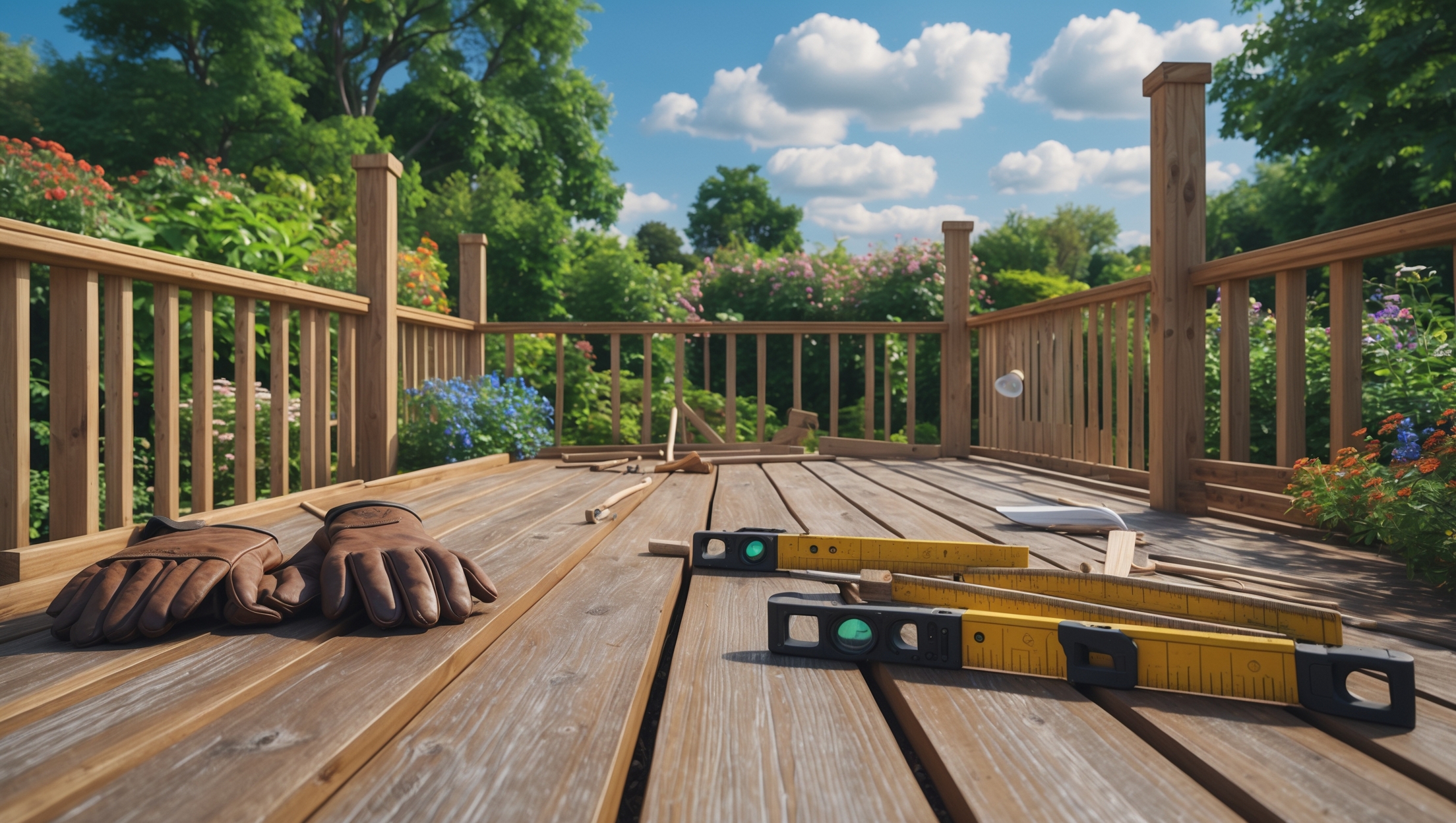
The Essential Safety Checklist for DIY Deck Building Projects

Introduction: Why Safety Matters in DIY Deck Building
Building a deck is one of the most rewarding home improvement projects a homeowner can undertake. A well-designed deck expands your living space, enhances your home’s value, and provides a perfect spot for relaxation or entertaining guests. However, deck construction isn’t as simple as assembling a few boards—structural failures, code violations, and safety oversights can turn your dream project into a costly or even dangerous mistake. According to national studies, improperly built decks are a leading cause of home improvement-related injuries. Many of these incidents are entirely preventable with the right knowledge and a meticulous approach to safety. This comprehensive guide provides a step-by-step safety checklist, covering essential planning, preparation, material selection, structural integrity, compliance measures, and post-build inspections. Whether you’re a first-time builder or a seasoned DIYer, following these best practices ensures your deck is not only beautiful but also safe, durable, and up to code.
Planning Safely: Laying the Groundwork
1. Assess Your Site
Start with a thorough site assessment. Identify underground utilities by calling your local utility locate service before digging any post holes. Check for proper drainage—standing water can weaken footings and lead to wood rot. Consider proximity to trees, as roots may interfere with foundation stability and falling leaves can accelerate deck wear.
2. Research Local Building Codes
Deck construction is regulated by building codes that dictate minimum standards for structural integrity, safety, and accessibility. Visit your municipality’s building department website or office to obtain the latest deck requirements, including:
- Minimum footing depth (to prevent frost heave)
- Beam and joist sizing
- Guardrail and handrail specifications
- Maximum spacing between balusters
- Ledger board attachment rules
Failing to comply can result in fines, forced demolition, or insurance claim denials if accidents occur.
3. Obtain Necessary Permits
Most municipalities require a building permit for deck projects. Submit detailed plans, including drawings and structural calculations. The permitting process may involve reviews and inspections at key stages, ensuring your build meets safety standards. Skipping this step risks future legal and financial headaches.
Preparation: Setting Up for a Safe Build
1. Gather the Right Safety Gear
Personal protective equipment (PPE) is non-negotiable. Assemble the following before you begin:
- Safety glasses or goggles (for cutting and drilling)
- Sturdy gloves (to prevent splinters and hand injuries)
- Dust mask or respirator (especially when cutting treated lumber)
- Steel-toe boots (to protect feet from dropped materials)
- Hearing protection (for power tool use)
- Knee pads (for extended work on the ground)
2. Prepare Your Tools and Workspace
Inspect all power and hand tools for wear or damage. Use only grounded extension cords rated for outdoor use. Set up a clear, level workspace free of tripping hazards. Keep children and pets away from the construction area, and mark off the site with caution tape if possible.
Material Selection: Choosing Components for Safety
1. Pressure-Treated Lumber
Always use pressure-treated lumber or naturally rot-resistant wood (like cedar or redwood) for any part of the deck that contacts the ground. Untreated wood deteriorates rapidly when exposed to moisture, risking collapse.
2. Rated Fasteners and Connectors
Use only fasteners and connectors (screws, bolts, joist hangers, post anchors) that are rated for outdoor and structural use. Galvanized or stainless-steel hardware resists corrosion—never substitute interior-grade fasteners, as they will quickly rust and fail.
3. Composite Materials (Optional)
If opting for composite decking, ensure it is installed according to manufacturer instructions. Composites can behave differently than wood, especially in terms of expansion, contraction, and required fasteners.
Structural Integrity: Building for Safety
1. Footings and Foundations
Dig post holes to the depth required by local codes, typically below the frost line to prevent shifting. Use concrete to secure posts, ensuring they are plumb (vertically straight) and aligned. Allow concrete to cure fully before proceeding.
2. Ledger Board Attachment
The ledger board connects your deck to the house and is a critical structural component. Improper attachment is a leading cause of deck collapses.
- Remove all siding behind the ledger before installation.
- Use lag screws or through-bolts—not nails—to fasten the ledger to the house framing.
- Install flashing above and behind the ledger to prevent water intrusion.
Have your ledger inspected before continuing with the deck frame.
3. Beams, Joists, and Framing
Follow approved plans for beam and joist sizing and spacing. Use metal joist hangers and hurricane ties where required. Double-check that all framing members are level and square before fastening.
4. Guardrails and Stairs
Guardrails must meet height and strength requirements—usually at least 36 inches high and able to withstand a 200-pound lateral force. Baluster spacing should prevent a 4-inch sphere from passing through. Stairs should have consistent rise and run, with secure handrails installed on at least one side.
Electrical and Lighting Safety
1. Outdoor Electrical Outlets
If your deck will include lighting or outlets, use only weatherproof, Ground Fault Circuit Interrupter (GFCI)-protected outlets and enclosures. All wiring must be rated for outdoor use and installed according to code—consider hiring a licensed electrician if you’re uncertain.
2. Low-Voltage Lighting
Low-voltage lighting kits are popular for decks, but connections must be secure and protected from moisture. Route wires to avoid trip hazards, and test all fixtures before finalizing installation.
Worksite Safety Practices
1. Lifting and Handling Materials Safely
Deck boards, beams, and posts are heavy. Always lift with your legs, not your back, and get help with long or awkward pieces. Store materials flat and off the ground to prevent warping and tripping hazards.
2. Power Tool Safety
- Read the manual for each tool before use.
- Keep hands clear of blades or bits and use push sticks as needed.
- Disconnect power when changing blades or bits.
- Never use power tools in wet conditions.
3. Fall Protection
Falls are a leading cause of injury during deck construction. Use a sturdy ladder with rubber feet and always maintain three points of contact. If working at height, consider temporary railings or a personal fall arrest system.
Inspections: Verifying Your Deck’s Safety
1. Pre-Cover Inspections
Before you install deck boards, schedule an inspection if required by your permit. Inspectors will check post depth, framing connections, and ledger attachment. Making corrections at this stage is much easier than after completion.
2. Final Inspection
Once your deck is complete—including stairs, guardrails, and any electrical components—request a final inspection. The inspector will verify adherence to plans and code, ensuring your deck is safe for use.
Post-Build Safety Maintenance
1. Regular Inspections
Inspect your deck at least once a year for signs of rot, loose fasteners, protruding nails, and wobbly railings. Replace any damaged boards or hardware promptly. Pay extra attention to areas where the deck attaches to the house and where water collects.
2. Cleaning and Surface Care
Keep the deck surface free of leaves, moss, and debris to prevent slips and accelerate drying. Use a non-slip coating on stairs and high-traffic areas if needed. Reseal or stain wood decks every 2-3 years to preserve integrity.
3. Winter Safety
In snowy climates, clear snow promptly with a plastic shovel to avoid damaging the wood. Avoid using salt or harsh chemicals, which can corrode metal hardware and harm wood fibers.
Common Safety Pitfalls and How to Avoid Them
- Ignoring Permits: Always obtain the necessary permits. Skipping this step can result in unsafe builds and costly remediation.
- Improper Ledger Attachment: Use proper fasteners and flashing to prevent collapse and water damage.
- Using Indoor Materials Outdoors: Only use pressure-treated or rot-resistant lumber and outdoor-rated fasteners.
- Neglecting Guardrails and Stairs: Ensure all railings and stairs are secure and meet code requirements.
- Overloading: Don’t exceed the structural load your deck is designed to support. Consider furniture, grills, and gatherings in your calculations.
Conclusion: Build with Confidence—And Safety
Deck building is a significant investment of time, effort, and resources. By prioritizing safety at every stage—from site assessment and permit acquisition to final inspection and ongoing maintenance—you protect not just your project, but your family and guests for years to come. Too often, preventable mistakes lead to injuries, property damage, or expensive code violations. This essential safety checklist empowers you to avoid those pitfalls, ensuring your DIY deck is sturdy, compliant, and built to last. Remember, a beautiful deck means little if it’s not safe. Take the time to research, plan, and execute every step with care. Consult local building officials when in doubt, and never hesitate to bring in a professional for critical structural or electrical work. With the right approach, you’ll enjoy peace of mind every time you step onto your deck. Your outdoor oasis should be a place for celebration and relaxation—start with safety, and you’ll build a foundation for years of enjoyment.
If I follow this safety checklist but subcontract out part of the build, like installing footings, what steps should I take to make sure that part is still up to code and passes inspection?
If you’re subcontracting work like installing footings, ask your subcontractor for proof of their licensing and experience with similar projects. Before work begins, share your local building codes and permit requirements with them. After installation, inspect the work yourself and schedule any mandatory city inspections. Keeping clear communication and proper documentation throughout helps ensure everything meets code and will pass inspection.
I’m a bit concerned about the underground utilities you mentioned during site assessment. If my utility lines are close to where I want the deck, is it still safe to proceed, or should I consider a new spot entirely?
If your utility lines run close to your planned deck location, it’s safest to reconsider the spot. Building over or near utility lines can be hazardous and might restrict future repairs or maintenance by utility companies. Before making any decisions, contact your local utility providers for a detailed site assessment. They can mark the lines and advise on the safest course of action.
When you mention checking for proper drainage to avoid wood rot under the deck, do you have tips on how to improve drainage if the site naturally collects water or stays damp after rain?
If your site tends to collect water or stay damp, consider grading the ground so it slopes away from the deck area to encourage runoff. You can also add a gravel layer or French drain beneath the deck to help water drain more efficiently. Avoid blocking airflow under the deck, as good ventilation will help keep the area dry and reduce the risk of wood rot.
You mention that code violations can be a big issue when building your own deck. If my municipality’s website doesn’t have clear info on deck requirements, what’s the best way for a small business to ensure compliance before starting construction?
If your municipality’s website lacks clear deck guidelines, the best approach is to contact your local building department directly, either by phone or in person. Explain your project details and ask about permits, inspections, and specific codes. You can also consult a local licensed contractor or architect familiar with area requirements—they often know what’s needed for compliance and can help avoid costly mistakes.
When checking for proper drainage during the site assessment, are there specific signs I should look for that indicate potential water problems, especially if my backyard slopes toward the house?
When your backyard slopes toward the house, watch for signs like pooling water near the foundation, soggy or muddy patches after rain, or erosion lines in the soil. Check if existing landscaping channels water toward the house and inspect for dampness or mold on exterior walls. These indicate poor drainage. It’s important to plan grading or install proper drainage solutions before building your deck.