
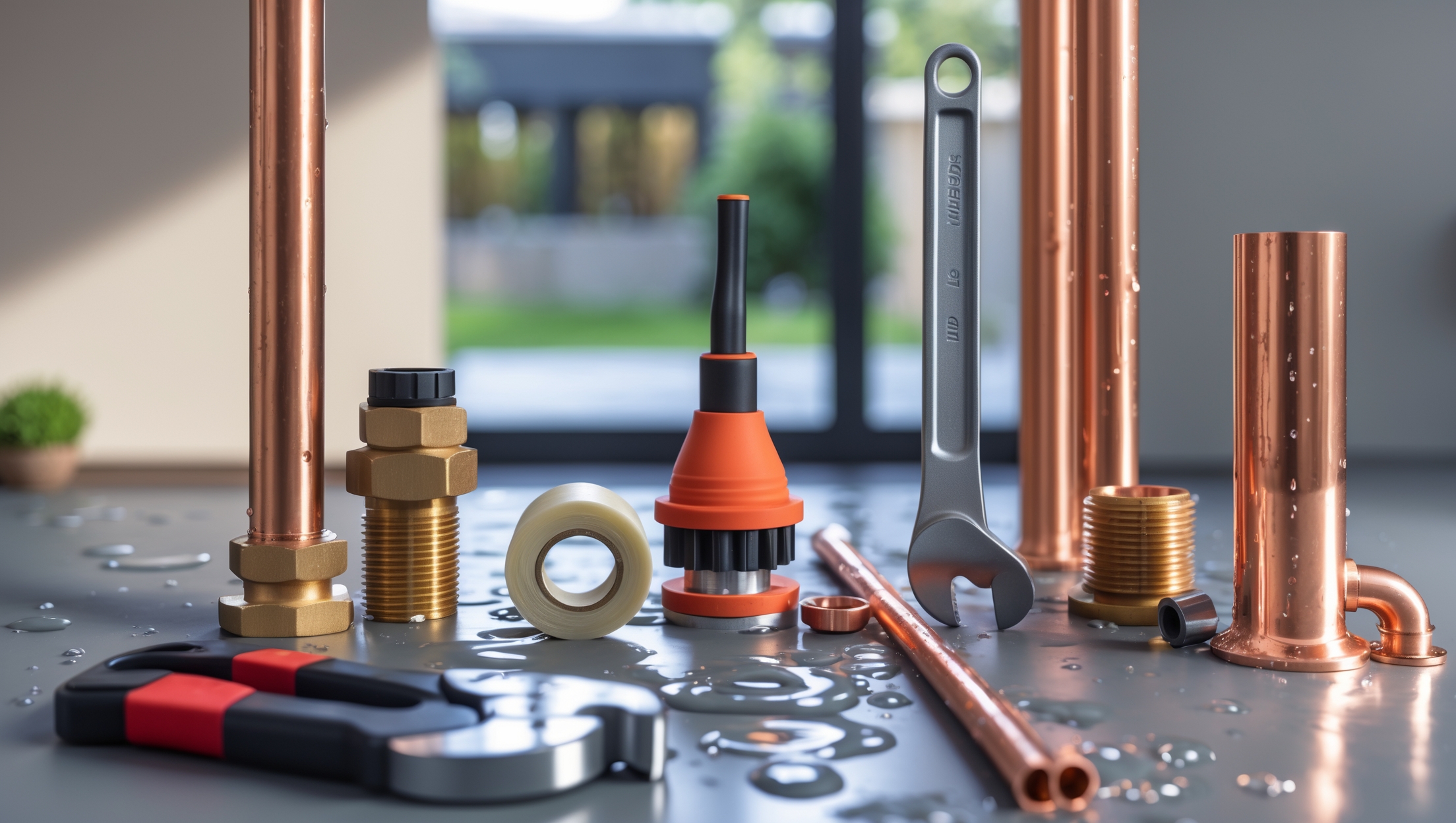
Essential Plumbing Tools Homeowners Should Own: A Complete Equipment Guide

Introduction: Why Every Homeowner Needs Plumbing Tools
Plumbing emergencies rarely announce themselves in advance. A leaky faucet, clogged drain, or a dripping pipe can strike at the most inconvenient times. While calling a plumber is sometimes necessary, many common plumbing issues can be addressed quickly and safely with the right tools—saving both time and money. However, for most homeowners, knowing which plumbing tools are truly essential can be confusing. The market is crowded with gadgets and specialized equipment, yet only a core selection is necessary for tackling routine repairs and maintenance. This comprehensive guide will walk you through the must-have plumbing tools every homeowner should keep in their toolkit, explain their specific uses, and offer expert tips for safe and effective handling. Whether you’re a new homeowner or looking to upgrade your DIY arsenal, understanding these tools will empower you to manage minor plumbing tasks confidently, avoid costly water damage, and maintain your home’s plumbing system in excellent condition.
The Core Plumbing Toolkit: What Every Home Needs
1. Adjustable Wrench
An adjustable wrench is essential for gripping and turning nuts and bolts of various sizes. It’s particularly useful when working with supply lines and compression fittings. Look for one with a firm, comfortable grip and a jaw that won’t slip under pressure. A 10-inch model is versatile enough for most residential tasks.
2. Pipe Wrench
No plumbing toolkit is complete without a classic pipe wrench. This heavy-duty tool is designed for turning threaded pipes and fittings, providing the leverage needed to loosen or tighten stubborn connections. For most homeowners, a pair of 10-inch and 14-inch pipe wrenches will cover typical home plumbing needs.
3. Plunger
The humble plunger is your first line of defense against clogged sinks, tubs, and toilets. For best results, keep two types on hand: a cup plunger for sinks and tubs, and a flange plunger for toilets. These tools work by creating suction to dislodge blockages.
4. Basin Wrench
Changing out a faucet or tightening hard-to-reach nuts under the sink can be a real challenge without a basin wrench. Its long shaft and pivoting jaw make accessing tight spaces behind sinks much easier, turning potentially frustrating repairs into straightforward projects.
5. Slip-Joint Pliers
Slip-joint pliers, also known as channel-lock pliers, are versatile for gripping, twisting, and turning. Their adjustable jaws can accommodate a range of pipe diameters and fasteners, making them indispensable for both plumbing and general home maintenance.
6. Pipe Cutter
When working with copper or plastic pipes, a pipe cutter ensures clean, straight cuts. This tool is easier and safer than a hacksaw, reducing the risk of leaks due to uneven edges. Choose a cutter matched to your pipe material for best results.
7. Plumber’s Tape (Teflon Tape)
Also known as Teflon tape or PTFE tape, this thin white tape is used to seal threaded pipe joints, preventing leaks. It’s affordable, easy to store, and essential for assembling or repairing threaded connections.
8. Hacksaw
A hacksaw is required for cutting through metal or plastic pipes, bolts, and brackets. Ensure you have spare blades and always use the tool with care, wearing gloves and eye protection as needed.
9. Drain Auger (Plumber’s Snake)
For clogged drains that resist plunging, a drain auger can save the day. This flexible tool snakes down pipes to break up or extract blockages, making it a must-have for homeowners prone to recurring drain clogs.
10. Bucket and Old Towels
While not a tool in the traditional sense, keeping a sturdy bucket and a few old towels nearby is crucial for catching water and cleaning up spills during repairs. These simple items can prevent water from spreading and causing damage.
Specialty Plumbing Tools Worth Considering
While the above tools will handle most basic plumbing jobs, certain situations call for more specialized equipment. You may not use these as frequently, but having them on hand can make specific repairs easier and safer.
- Compression Sleeve Puller: Useful for removing compression sleeves from copper pipes without damage.
- Faucet Valve Seat Wrench: Needed for replacing worn valve seats in older faucets.
- Tube Bender: For bending soft copper or aluminum tubing without kinking.
- Plumbing Torch: Required for sweating (soldering) copper pipes during repairs or installations.
- PEX Crimp Tool: Essential for homeowners updating plumbing with PEX piping.
Choosing Quality Tools: What to Look For
When building your plumbing toolkit, quality matters. Cheap tools may break under pressure, damage fixtures, or even cause injury. Consider these factors when purchasing:
- Material: Opt for tools made from durable materials like forged steel or high-quality alloys for longevity.
- Ergonomics: Comfortable, non-slip handles reduce hand fatigue and risk of accidents.
- Brand Reputation: Trusted brands often stand behind their products with warranties and better customer support.
- Adjustability: Tools with adjustable jaws or heads accommodate a wider range of jobs.
- Maintenance: Choose rust-resistant finishes and store tools in a dry area to prevent corrosion.
Safety First: Handling Plumbing Tools Responsibly
Even a simple plumbing job can become hazardous without proper safety precautions. Here are essential safety tips for using plumbing tools at home:
- Always turn off the water supply before starting repairs.
- Wear gloves when cutting pipes or handling sharp tools.
- Use eye protection when sawing or using a plumbing torch.
- Ensure good lighting and a clean working area.
- Never force tools; if something isn’t budging, reassess your approach to avoid breakage or injury.
- Keep tools dry and free from oil or grease to maintain a secure grip.
How to Use Your Plumbing Tools: Step-by-Step Examples
Unclogging a Sink with a Plunger
- Remove the sink stopper and fill the basin with enough water to cover the plunger cup.
- Place the plunger over the drain and push down firmly to create a seal.
- Plunge with quick, upward motions 10–15 times.
- Remove the plunger and observe if the water drains. Repeat if necessary.
Replacing a Faucet Supply Line with an Adjustable Wrench
- Shut off the water supply and open the faucet to drain remaining water.
- Use the adjustable wrench to loosen and remove the old supply line nuts.
- Wrap plumber’s tape around the threads of the new supply line.
- Attach and tighten the new supply line with the wrench.
- Turn the water supply back on and check for leaks.
Cutting Copper Pipe with a Pipe Cutter
- Mark the pipe where you need to cut.
- Clamp the pipe cutter onto the pipe at the mark.
- Rotate the cutter around the pipe, tightening slightly with each turn.
- Continue until the pipe is cut cleanly through.
Maintenance Tips for Your Plumbing Tools
Proper maintenance extends the lifespan of your plumbing tools and ensures they’re ready when you need them most. Here’s how to care for your equipment:
- Clean tools after each use with a dry cloth to remove dirt and moisture.
- Inspect for signs of rust, wear, or damage and address issues promptly.
- Apply light machine oil to moving parts on wrenches and pliers.
- Store tools in a dry, organized toolbox to prevent loss and corrosion.
- Sharpen or replace saw blades as needed for safe, efficient cuts.
- Keep plumber’s tape in a plastic bag or container to prevent contamination.
Budgeting for Your Plumbing Toolkit
Building a basic plumbing toolkit doesn’t have to break the bank. Here’s a general cost breakdown for the essentials:
- Adjustable Wrench: $15–$35
- Pipe Wrench: $20–$50
- Plunger: $8–$20 each
- Basin Wrench: $15–$30
- Slip-Joint Pliers: $12–$25
- Pipe Cutter: $13–$30
- Plumber’s Tape: $2–$5 per roll
- Hacksaw: $10–$25
- Drain Auger: $20–$40
- Bucket and Towels: $0–$15 (use old household items if available)
In total, expect to spend approximately $130–$250 for a high-quality starter kit. Consider buying tools individually as needs arise or investing in bundled kits for savings.
When to DIY and When to Call a Professional
While these tools empower you to handle many plumbing issues, recognize your limits. Call a licensed plumber for:
- Major leaks or burst pipes
- Persistent clogs not resolved with a plunger or auger
- Water heater repairs
- Complex installations (e.g., new bathroom plumbing)
- Work requiring permits or code compliance
Attempting advanced repairs without the proper skills or tools can lead to costly damage and safety risks. When in doubt, seek professional help.
Conclusion: Equip Yourself for Plumbing Success
Owning a thoughtfully assembled plumbing toolkit is one of the most empowering steps you can take as a homeowner. Not only does it prepare you to tackle sudden leaks, clogs, or fixture replacements, but it also saves you the cost and hassle of waiting for a professional for minor issues. Each tool described in this guide serves a specific, practical purpose—and together, they form the backbone of DIY home plumbing maintenance. By choosing quality tools, maintaining them properly, and using them with safety in mind, you’ll be ready to resolve most routine problems efficiently and confidently.
Remember, the goal isn’t to replace professional plumbers but to handle the everyday challenges that come with homeownership. With the right knowledge and equipment, you can prevent small issues from turning into major headaches and preserve the integrity of your home’s plumbing system for years to come. Start building your plumbing toolkit today, and you’ll appreciate the peace of mind and self-reliance it brings the next time you face a drippy faucet or slow drain.
If I’m just starting to build my plumbing toolkit, which of these essential tools should I prioritize buying first for the most common emergencies? I want to avoid overspending but still be prepared for typical household issues.
To cover the most common household plumbing emergencies without overspending, start with a plunger, an adjustable wrench, a pipe wrench, and a pair of tongue-and-groove pliers. These tools will help you handle clogged drains, leaky connections, and basic repairs. As you gain experience or face new issues, you can gradually add more specialized tools to your kit.
I’m interested in the plunger recommendation. Are there particular brands or features to look for when buying a cup or flange plunger to make sure they are actually effective, or are most models pretty similar?
When choosing a plunger, look for sturdy handles and high-quality rubber that creates a strong seal. For toilets, a flange plunger is best, and for sinks, a cup plunger works well. Some trusted brands include OXO, Korky, and Simplehuman, but the key is ensuring a comfortable grip and flexible, thick rubber rather than thin or rigid materials. Avoid very cheap plungers, as they often don’t seal well or last long.
You note that adjustable wrenches should have jaws that do not slip under pressure. Are there specific brands or materials to look for that are more reliable, and how often should these tools be checked or maintained to ensure they’re still safe to use?
Look for adjustable wrenches from reputable brands like Crescent, Channellock, or Klein Tools, as these are known for durability and reliability. Wrenches made from chrome-vanadium steel are especially strong and resistant to rust. To keep your tools safe, inspect them every few months for worn or loose jaws, clean them after use, and occasionally apply light oil to the moving parts to prevent sticking or corrosion.
Could you provide tips on how to safely loosen a stubborn pipe with a pipe wrench without risking damage to the plumbing? I’m worried about accidentally cracking something if I use too much force.
When loosening a stubborn pipe, always grip the pipe firmly with the pipe wrench, positioning the jaws fully around the fitting—not just the pipe—for better support. Apply steady, even pressure without jerking. If the pipe doesn’t budge, try applying penetrating oil and wait a few minutes. Supporting the pipe with a second wrench can help prevent twisting or cracking. Take your time and avoid excessive force; if it still won’t move, consider consulting a professional to avoid damage.
You mentioned that an adjustable wrench and a pipe wrench are both important for home plumbing tasks. Are there specific materials or finishes to look for in these tools to ensure durability, especially if they’ll be stored in a damp basement or garage?
When choosing adjustable and pipe wrenches for storage in damp areas, look for tools with chrome or nickel-plated finishes, as these help resist rust and corrosion. Forged steel construction is also a good sign of durability. For added protection, consider wiping your tools with a light coat of oil before storing, and keep them in a toolbox or on a rack to limit moisture exposure.
The guide mentions having both a cup plunger and a flange plunger. If I can only get one due to space and budget, which type would be more versatile for most household plumbing emergencies?
If you can only get one plunger, a flange plunger is generally more versatile. It has a rubber flap (the flange) that makes it effective for toilets, but you can also fold the flange in to use it on sinks and tubs like a cup plunger. This way, you’ll be prepared for most common household clogs with just one tool.
Is there a recommended budget range for assembling this core toolkit as described? I want to make sure I’m getting reliable tools without overspending, especially since the article mentions the market is crowded with gadgets and specialized equipment.
For a solid and reliable set of core plumbing tools, you can expect to spend between $100 and $250, depending on the brands and where you shop. Focus on buying high-quality basics like adjustable wrenches, a pipe wrench, pliers, a plunger, and a pipe cutter. Skip specialty gadgets unless you have a specific need, and consider purchasing individual tools instead of large kits to ensure you get sturdy, lasting equipment.
Could you elaborate a bit on how to safely use the adjustable wrench without damaging supply lines or compression fittings? I’m worried about accidentally rounding off nuts if I’m not careful.
To avoid damaging supply lines or compression fittings with an adjustable wrench, always ensure the jaws are snug around the nut before applying pressure. Adjust the wrench so it fits tightly, and pull it rather than push to minimize slipping. It’s also best to use the smooth side of the jaws, not the corner edges, and to avoid overtightening. For delicate fittings, using two wrenches—one to hold the fitting steady and one to turn the nut—can help prevent twisting or rounding off the nut.
You mention adjustable wrenches and pipe wrenches in different sizes. For a first-time buyer on a tight budget, which tool would be more urgent to get right away if I can only afford one for now?
If you have to choose just one tool to start with, an adjustable wrench is generally more versatile for basic home plumbing tasks. It can handle a variety of nut and bolt sizes, making it useful for jobs like tightening faucet connections or replacing supply lines. Pipe wrenches are more specialized for gripping round pipes, but for most beginner repairs, an adjustable wrench will cover more needs.
If I’m just putting together my first plumbing toolkit on a tight budget, which of these essential tools should I prioritize buying first? Are there any decent starter kits you’d recommend that include the basics without overspending?
For a budget-friendly starter plumbing toolkit, focus on essentials like an adjustable wrench, a pipe wrench, a plunger, a pair of channel-lock pliers, and plumber’s tape. These handle most basic tasks and repairs. Many hardware stores offer beginner kits that bundle these tools together affordably—just make sure the kit covers these basics and check reviews for quality before purchasing.
You mention having both a cup plunger and a flange plunger for different situations around the house. If I have to pick just one due to limited storage, which type would be more versatile for handling most common clogs?
If you need to choose just one plunger, a flange plunger is generally more versatile. Its design works well for both toilets and, with the flange tucked in, can also be used on sinks and tubs. While a cup plunger is best for flat surfaces, the flange style gives you more flexibility for different types of clogs around the house.
When using a plunger, are there certain situations where it’s better to call a professional instead of trying to clear the clog myself? I’m worried about making things worse if I use the wrong plunger or technique.
If the clog is severe, recurring, or if plunging doesn’t restore normal flow after several attempts, it’s wise to call a professional. Also, if you notice water backing up in other fixtures (like sinks or tubs), hear gurgling noises, or see sewage coming up, stop plunging and get expert help. These signs can indicate a deeper blockage or a bigger issue that plunging alone can’t fix.
I noticed the guide recommends both a cup plunger and a flange plunger. Is it really necessary to have both if I’m mostly dealing with bathroom sinks and toilets in my business, or can I get by with just one type?
It’s helpful to have both types because they serve different purposes. A cup plunger works best for flat surfaces like bathroom sinks and tubs, while a flange plunger is designed specifically for toilets, creating a better seal for effective plunging. If your work mainly involves both sinks and toilets, having both will make you more efficient and prepared for any clogs you encounter.