
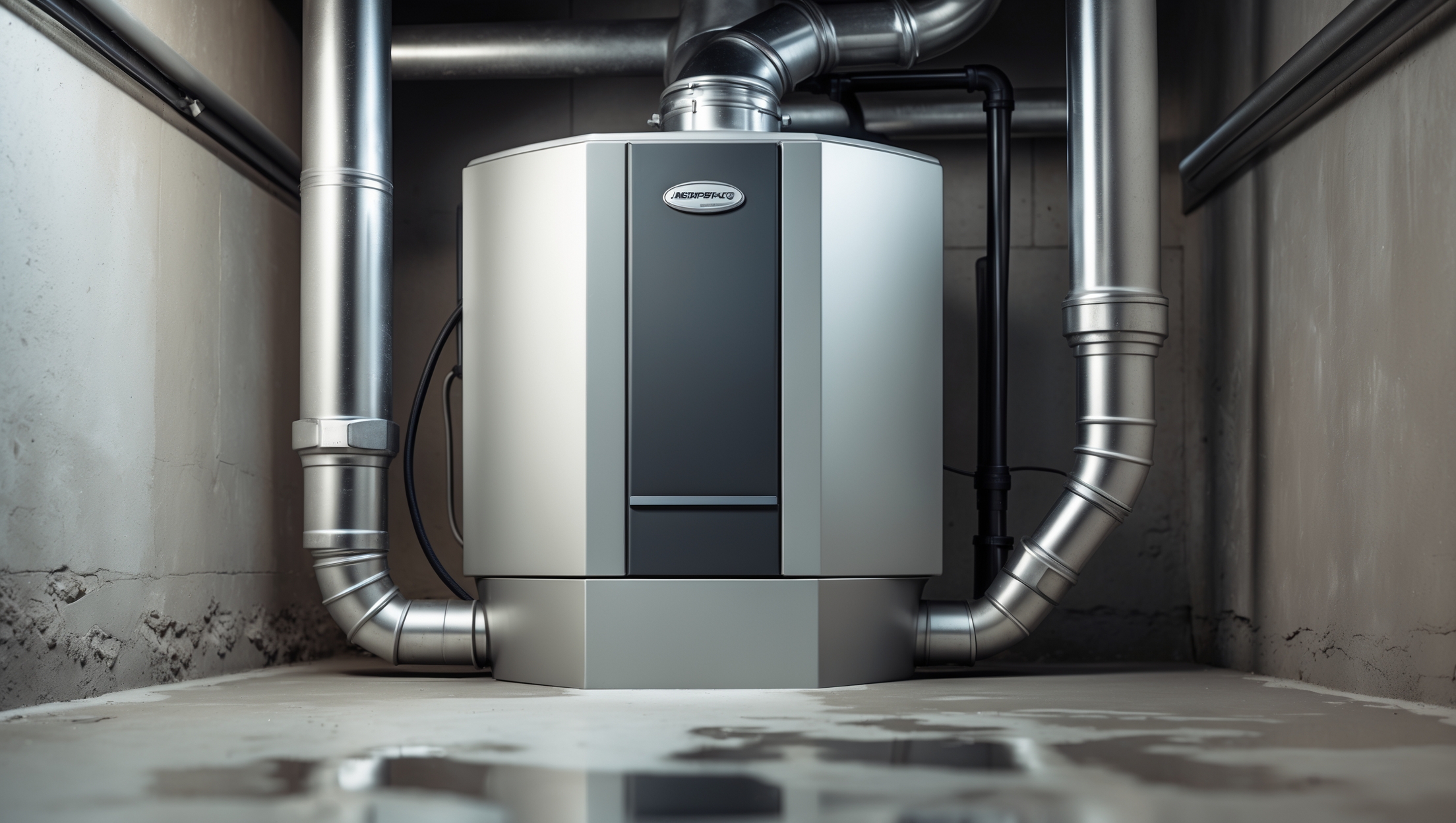
Sump Pump Maintenance Best Practices: Preventing Basement Floods Year-Round

Introduction: Why Sump Pump Maintenance Matters
Basement flooding is one of the most distressing and costly problems homeowners can face. A single heavy rainstorm or a rapid spring thaw can send gallons of water seeping into your basement, damaging floors, walls, and treasured belongings. At the heart of your basement’s defense is the sump pump—a humble workhorse tasked with directing water safely away from your home’s foundation. Yet, too many homeowners treat their sump pumps with “out of sight, out of mind” neglect, only discovering problems when it’s too late.
Routine sump pump maintenance isn’t just a box to check on your home improvement list—it’s a strategic, money-saving move that prevents water damage, mold growth, and insurance headaches. Whether you’re new to homeownership or have weathered many a storm, understanding the essentials of sump pump care can mean the difference between a dry basement and a costly disaster. In this in-depth guide, you’ll find clear, practical steps for year-round sump pump maintenance, troubleshooting advice, and a checklist to keep your system in top shape. Let’s make sure your basement stays dry no matter what Mother Nature throws your way.
How Sump Pumps Work: The Basics
Before diving into maintenance, it helps to understand how a sump pump system operates. Typically installed in a pit (the sump basin) at the lowest point of the basement, the pump’s job is simple: when water fills the basin to a certain level, a float switch triggers the pump to turn on and expel water through a discharge pipe, safely away from your foundation.
There are two common types:
- Submersible Sump Pumps: Placed inside the sump pit, fully submerged during operation—quieter and more powerful, ideal for finished basements.
- Pedestal Sump Pumps: Sits above the pit, easier to service but generally noisier and less powerful.
Both types require regular maintenance for reliable operation.
Key Risks of Sump Pump Neglect
- Basement Flooding: The most obvious risk, resulting in costly repairs to flooring, drywall, and personal property.
- Mold and Mildew: Lingering moisture can lead to health hazards and expensive remediation work.
- Foundation Damage: Persistent water intrusion can undermine your home’s structural stability.
- Insurance Limitations: Many policies won’t cover flood damage due to poor maintenance or lack of backup systems.
Essential Tools & Supplies for Sump Pump Maintenance
- Work gloves
- Bucket and sponge or wet/dry vacuum
- Flashlight or work light
- Garden hose
- White vinegar or mild detergent
- Pipe brush or old toothbrush
- Replacement batteries (for backup systems)
- Screwdriver or wrench (if disassembly is needed)
- Level (for float adjustment)
- Owner’s manual (for model-specific instructions)
Monthly Sump Pump Maintenance Checklist
- Inspect the Power Source: Ensure the pump is plugged into a dedicated GFCI outlet. Check for tripped breakers or frayed cords.
- Test the Pump Operation: Pour a bucket of water into the pit. The float should rise, activating the pump. Listen for smooth operation and watch that water is expelled through the discharge pipe.
- Clear Debris: Remove any dirt, gravel, or foreign objects from the sump pit that could block the float or clog the pump.
- Check the Discharge Line: Inspect the exterior pipe for blockages, freezing, or signs of damage. Ensure the end is free from obstructions and directs water away from the foundation.
Quarterly Maintenance Steps
- Clean the Pump and Pit: Unplug the pump and remove it from the pit. Rinse off dirt and debris with a garden hose. Clean the pit with a wet/dry vacuum or sponge. Use vinegar or a mild detergent to scrub away buildup.
- Check the Float Mechanism: Examine the float for free movement. Remove any obstructions and ensure it doesn’t catch on wires or walls.
- Inspect the Check Valve: The check valve prevents water from flowing back into the pit. Make sure it is tight and functioning. Listen for unusual noises during pump operation.
- Test Backup Systems: If you have a battery backup or water-powered backup, test its operation and replace batteries as needed.
Annual Maintenance: Deep Dive
1. Remove and Clean the Pump Thoroughly
Once a year, unplug the sump pump, disconnect it from the discharge line, and remove it from the pit. Scrub the pump, float, and impeller with a pipe brush and mild detergent. Check for cracks, rust, or worn parts.
2. Inspect the Sump Pit Structure
Look for pit wall cracks or signs of excessive sediment. Clean out all silt, gravel, and debris. Consider installing a pit cover if you don’t have one to minimize debris intrusion.
3. Service the Discharge Line
Detach the exterior discharge pipe if possible. Flush it with a hose to clear blockages. Inspect all joints for leaks and ensure the pipe slopes away from the house.
4. Replace the Backup System Battery
Most battery backups need a new battery every 2–3 years. Mark your calendar and test operation after installation.
5. Test Alarm Systems
Some systems have water level alarms or Wi-Fi alerts. Test these features and replace batteries as needed for peace of mind.
Troubleshooting Common Sump Pump Issues
- Pump Won’t Turn On: Check power supply, GFCI outlet, and breaker. Test the float switch. Listen for motor sounds—if silent, the motor may be dead.
- Constant Running Pump: Could be a stuck float, faulty switch, or water recirculating due to a failed check valve. Adjust or replace as needed.
- Strange Noises: Vibrations, grinding, or rattling may indicate debris in the impeller or worn bearings. Clean and inspect moving parts.
- Slow Pumping: Clogs in the intake screen or discharge pipe, or a failing motor, can reduce efficiency. Clean screens and flush pipes.
- Water in Pit, Pump Not Working: Test with a bucket of water. If still nonfunctional, call a professional for service or pump replacement.
Preventative Upgrades and Accessories
- Battery Backup System: Essential for homes prone to power outages during storms. Installs alongside your primary pump for uninterrupted operation.
- Water-Powered Backup: Uses municipal water pressure to operate without electricity. Useful in areas with reliable water supply.
- Sump Pump Alarms: Notifies you via sound or smartphone when water levels rise unexpectedly.
- Pit Covers: Keeps debris out and reduces evaporation, which can increase humidity and mold risk in the basement.
- Freeze Protection for Discharge Lines: Special adapters or insulation prevent ice blockages in cold climates.
Seasonal Maintenance Tips
Spring
Check for winter freeze damage to pipes. Test pump before the rainy season starts.
Summer
Ensure pit and discharge area are clear of mud, grass, and debris. Monitor during summer storms.
Fall
Inspect and clear leaves from exterior discharge pipes. Test the backup system as power outages become more likely.
Winter
Add insulation or freeze protection to discharge lines. Verify pit cover is in place to reduce basement humidity.
When to Call a Professional
- Repeated pump failures or unexplained noises
- Major electrical issues or rewiring needs
- Persistent flooding despite regular maintenance
- Upgrading to a newer or more powerful pump model
- Water damage that extends beyond the pit area
Annual professional inspections can catch hidden problems and extend the life of your system.
Frequently Asked Questions
- How long does a sump pump last? Most units last 7–10 years with proper care. Heavy use or poor maintenance shortens lifespan.
- Should I install a backup system? Yes—especially if your area is prone to storms or power outages. Backup systems are an inexpensive insurance policy.
- What size sump pump do I need? Most homes require a 1/3 or 1/2 horsepower pump. Consult your owner’s manual or a pro if you’re unsure.
- Can I perform all maintenance myself? Most routine tasks are DIY-friendly, but don’t hesitate to call a pro for electrical or major mechanical issues.
Conclusion: Keeping Your Basement Dry for the Long Haul
Consistent, thorough sump pump maintenance is one of the smartest investments you can make in your home’s health and safety. By adopting a monthly, quarterly, and annual schedule, you’ll dramatically reduce the risk of basement flooding, mold growth, and expensive water damage. This process doesn’t require advanced skills—just a willingness to learn your system, keep a checklist, and make maintenance a habit.
Remember: your sump pump quietly stands guard against nature’s worst moods. Don’t wait for a crisis to learn its importance. With the tools, tips, and troubleshooting strategies outlined in this guide, you’ll be prepared for any storm. Set reminders for regular inspections, test your system before the rainy season, and upgrade with backups and alarms as your home’s needs change. When in doubt, consult a professional to ensure your sump pump system remains your home’s unsung hero.
By making sump pump care part of your year-round home improvement routine, you’re not just preventing floods—you’re preserving your peace of mind and protecting your investment for years to come.
If my sump pump seems to be running even when there hasn’t been much rain, should I be concerned about a malfunction or possible groundwater issues? What troubleshooting steps would you recommend in that scenario based on the maintenance practices outlined here?
If your sump pump runs frequently despite little or no rain, it could indicate a malfunction or persistent groundwater seepage. First, check if the float switch is stuck or debris is causing it to activate. Confirm that the discharge pipe isn’t blocked and that the check valve is working correctly. Also, inspect for plumbing leaks or high groundwater levels around your foundation. If these steps don’t reveal the issue, consider consulting a professional to ensure your system is working as intended.
I want to start doing routine maintenance but I’m on a tight budget. Could you share which sump pump maintenance tasks are most critical and which ones could wait a bit if I have to prioritize?
If you’re on a budget, focus first on checking the sump pump’s power source, cleaning the pump inlet screen, and testing the pump by pouring water into the pit to ensure it turns on. These steps are essential for reliable operation. Less urgent tasks, like deep cleaning the pit or checking the discharge pipe for clogs, can be done less frequently if needed.
Does your guide cover how often I should be testing the sump pump throughout the year, especially if there haven’t been any big storms for a while? I’m worried I might forget since it’s out of sight most of the time.
Yes, the guide does address how often you should test your sump pump. It’s recommended to check it at least every three months, even if there haven’t been any recent storms. Setting a recurring reminder on your phone or calendar can help ensure you don’t forget, since it’s easy for sump pumps to slip your mind when they’re out of sight.
You mentioned both submersible and pedestal sump pumps, and I’m not sure which one I have in my basement. Is there a specific step in the maintenance checklist that’s different depending on the pump type, or is the routine pretty much the same for both?
The general maintenance routine is similar for both submersible and pedestal sump pumps, like checking for debris and testing the float. However, with pedestal pumps, you should avoid getting the motor wet since it sits above the sump pit. For submersible pumps, it’s easier to remove the pump for thorough cleaning because they’re designed to be underwater. Just be mindful of the motor’s position when cleaning.
The article talks about submersible and pedestal sump pumps, but is one type generally more reliable over the years with proper maintenance? I am trying to decide which style to install in an older home with a finished basement.
With regular maintenance, both submersible and pedestal sump pumps can be reliable. Submersible pumps are better for finished basements because they handle debris well and operate quietly under the floor. Pedestal pumps often last longer since their motors stay above water, but they’re noisier and less discreet. For a finished basement in an older home, many homeowners prefer submersible pumps for their quiet operation and efficiency.
Could you explain how often homeowners should inspect or test their sump pump system throughout the year, particularly before heavy rain or thawing periods? I want to make sure I’m not missing a critical window for maintenance.
Homeowners should inspect and test their sump pump system at least once every three to four months, and always just before periods of heavy rain or spring thaw. This includes checking for debris, making sure the float switch moves freely, and running a test cycle by pouring water into the pit. Regular checks help catch issues early and ensure the pump is ready when you need it most.
You mentioned routine maintenance as a money-saving move, but could you give an idea of how often I should check or service my sump pump if my basement only floods occasionally? I want to avoid overdoing it but still be safe.
For a basement that only floods occasionally, checking your sump pump at least twice a year is usually enough—once before the rainy season and once before winter. If you notice heavy rains in the forecast, a quick test run is a good idea. Annual professional servicing is helpful but not always necessary unless you notice issues like strange noises or the pump running constantly.
You mention that both submersible and pedestal sump pumps need regular maintenance. Are there any major differences in what needs to be checked or replaced between the two types, especially for someone with a finished basement?
Yes, there are a few key differences. With submersible pumps, it’s important to check the sealed housing for leaks and ensure the pump is free from debris, as they’re submerged in water. For pedestal pumps, focus more on the motor above the sump pit—keep it dust-free and make sure the vent holes are clear. Both types need the float switch and discharge line checked, but submersibles may require more attention to water-tight seals, especially in a finished basement.
You brought up mold growth as a risk from neglecting the pump. If I discover my sump pump failed after a storm, what immediate steps should I take to avoid further water damage and mold before a professional can get there?
If your sump pump has failed and there’s water in your basement, start by unplugging any electronics in the area for safety. Remove standing water using a wet/dry vacuum or buckets. Open windows and use fans or dehumidifiers to help dry out the space quickly, as mold can start growing within 24–48 hours. Remove damp items like rugs or boxes to a dry area, and wipe down surfaces to minimize moisture before a professional arrives.
The article mentions both submersible and pedestal sump pumps—does maintenance differ significantly between the two types, especially for troubleshooting common issues like float switch failures?
Maintenance does differ a bit between submersible and pedestal sump pumps. Submersible pumps are sealed and sit underwater, so you’ll need to remove them from the pit to inspect or clean the float switch and pump housing. Pedestal pumps keep the motor above water, making it easier to check and service the float and switch. Either way, regularly cleaning debris, testing the float, and checking power connections are important for both types, especially to prevent float switch failures.