
Garage Door Replacement: Cost Breakdown, Permit Tips, and Maintenance Essentials

Introduction: Why Garage Door Replacement Is a Smart Home Improvement
Garage doors often play an underappreciated role in home improvement, yet they are a major component of curb appeal, energy efficiency, home security, and property value. Whether your existing door is a relic from another era, showing signs of wear and tear, or causing heating and cooling losses, replacing it can yield impressive returns. However, many homeowners underestimate the complexity involved. From deciphering a maze of garage door types and materials, to understanding hidden cost factors, permits, and essential maintenance, this project is more than a simple swap. In this comprehensive guide, we break down the real costs, explain how to navigate local permit requirements, and provide actionable maintenance advice to ensure your new garage door stands the test of time. If you’re considering a garage door replacement—whether for aesthetics, function, or both—this article equips you with the practical insights needed to avoid surprises and maximize your investment.
Cost Breakdown: What Goes Into Garage Door Replacement?
1. Types of Garage Doors and Material Costs
The material and type you choose has the largest impact on both upfront and long-term costs. Here are the most common options:
- Steel Doors: Durable and low-maintenance, with basic models starting around $600–$1,200 and premium insulated or carriage house styles reaching $2,500 or more.
- Wood Doors: Classic look but high-maintenance. Expect $1,200–$4,000 depending on species, thickness, and custom design.
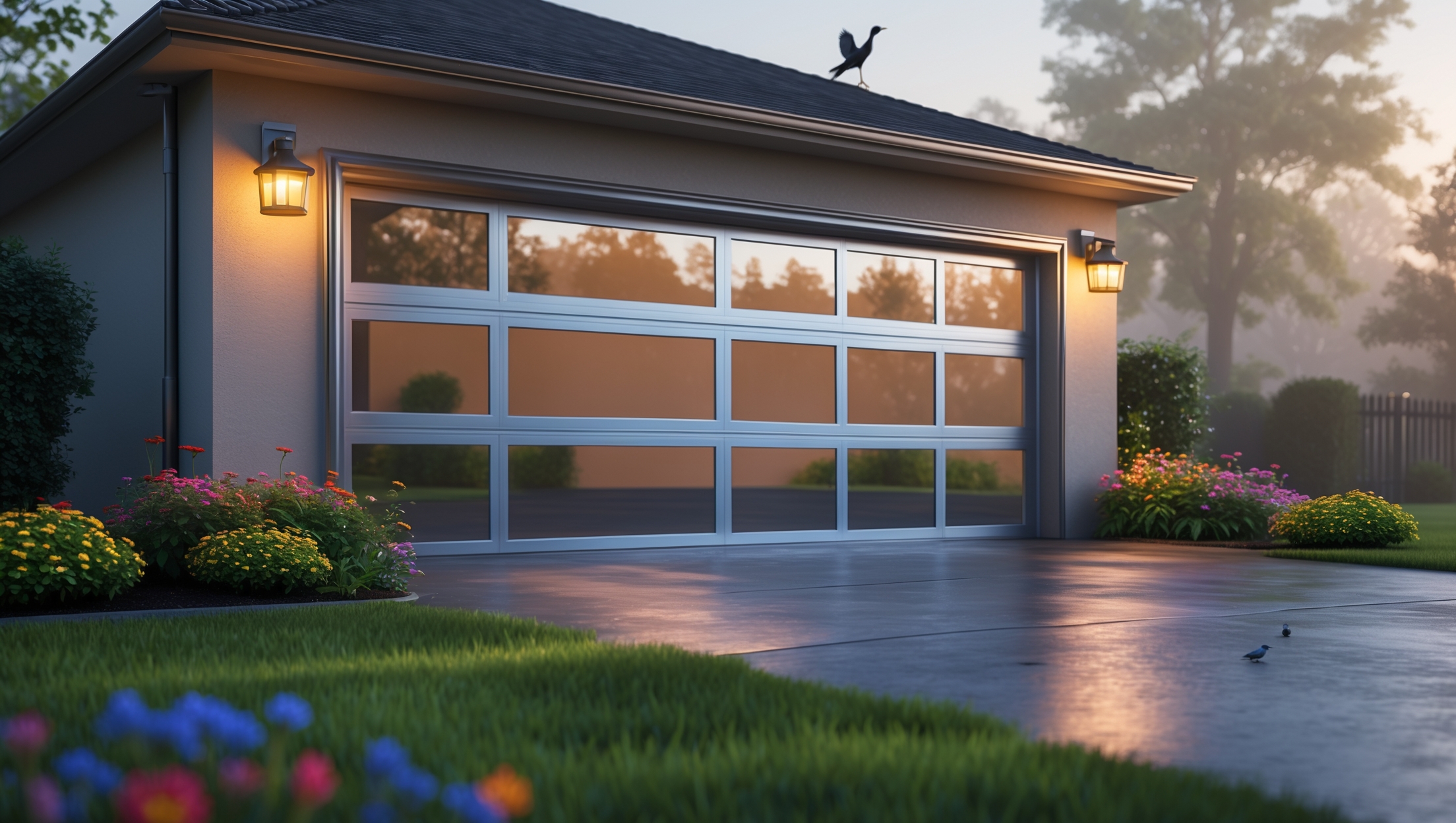
- Aluminum Doors: Lightweight and rust-resistant, ranging from $800–$2,000. Best for modern aesthetics, but less insulated.
- Fiberglass Doors: Mimics wood, resists dents and corrosion; $1,000–$2,100, but can yellow or crack with age.
- Vinyl Doors: Low-maintenance, weather-resistant, and dent-proof. Costs $900–$1,900, but fewer style options.
2. Insulation and Energy Efficiency Upgrades
Insulated garage doors, especially those with polyurethane cores and high R-values (R-12 to R-18), cost 15–30% more than non-insulated models. However, they can reduce energy bills and improve comfort, especially if your garage is attached to living space.
3. Customization and Hardware
- Windows and Design Elements: Decorative windows, custom colors, and hardware add $150–$800 to the base price.
- Automatic Openers: Excluding installation, openers range from $200 for a basic chain-drive to $600+ for whisper-quiet belt-drive or smart openers.
- Smart Features: Smartphone connectivity, battery backup, and security cameras can add $100–$400.
4. Labor and Installation
Professional installation costs vary based on region, complexity, and door type:
- Basic installation: $300–$500 for a standard door and opener.
- Custom or oversized doors: $500–$900 or more, especially for double doors or specialized framing.
- Removal and disposal: $75–$200 for hauling away the old door.
5. Hidden or Additional Costs
- Structural repairs: Damaged framing or headers can add $150–$1,000 depending on severity.
- Electrical work: New wiring for openers or outlets may cost $120–$400.
- Permit fees: $50–$200, depending on your municipality (more on this below).
- Weather-stripping and sealing: $50–$120 for materials and installation.
6. Total Cost Range
For a typical single-car garage door, expect a total project cost (door, opener, installation, and basic features) between $1,200–$3,000. Custom or high-end double doors can reach $4,500–$7,000 or more. Always get multiple quotes and detailed breakdowns—don’t settle for vague estimates.
Permits and Compliance: What Homeowners Need to Know
1. Are Permits Required for Garage Door Replacement?
Permit requirements vary significantly by location. Here’s a general rule of thumb:
- Simple replacement, same size/type: May not require a permit in some municipalities.
- Structural changes: Widening the opening, installing new framing, or significant electrical work typically requires a permit.
- Historic districts or HOAs: Even a basic replacement can trigger design review and permitting.
2. How to Check Local Requirements
- Visit your city or county building department website and search for “garage door permit.”
- Call or visit in person with your property address and project details.
- If you’re in an HOA or historic area, check for additional review or approval steps.
3. What’s Involved in the Permit Process?
- Application: Submit a basic application form, sometimes with plans or product specs.
- Fees: Typically $50–$200, but can be higher if structural or electrical work is included.
- Inspections: Some areas require a final inspection to confirm proper installation and code compliance, especially for fire separation, wind load, and safety features (like auto-reverse).
Always ask your contractor if they’ll handle permits or if it’s your responsibility. Unpermitted work may cause headaches when selling your home or filing insurance claims.
Step-by-Step: Choosing the Right Garage Door
1. Assess Your Needs and Priorities
- Security: Do you need reinforced doors or tamper-resistant locks?
- Insulation: Is your garage attached or used as a workshop or gym?
- Aesthetics: Match your home’s style—traditional, modern, carriage, etc.
- Maintenance: Do you prefer low-maintenance materials?
2. Measure Accurately
Measure the width and height of the opening, headroom (distance from top of opening to ceiling), and side room. Take multiple measurements and consult manufacturer guides, as size errors can lead to costly returns or delays.
3. Compare Features and Warranties
- Panel construction: Single, double, or triple-layer for added durability and insulation.
- Spring systems: Torsion springs last longer and operate more smoothly than extension springs.
- Hardware quality: Look for galvanized steel hinges, heavy-duty rollers, and rust-resistant tracks.
- Warranties: Reputable brands offer 5–10 year (or lifetime) warranties on panels, paint, and hardware.
4. Get Written Quotes
Request itemized quotes from at least three local installers. Ensure it includes:
- Door and opener make/model
- Detailed labor costs (including removal and disposal)
- Permit fees (if any)
- Timeline for installation
- Warranty details
Essential Maintenance for Your New Garage Door
1. Monthly Visual and Sound Inspection
Stand inside the garage and watch the door operate. Listen for scraping or grinding noises. Check for:
- Loose hardware (hinges, brackets, rollers)
- Frayed cables or springs
- Rust spots or warping
- Weather-stripping gaps
2. Lubricate Moving Parts
- Apply silicone-based lubricant to rollers, hinges, and tracks every six months.
- Wipe away dirt or buildup before lubricating to avoid grit accumulation.
3. Test Auto-Reverse Safety Features
Place a 2×4 or similar object under the door and close it. The door should immediately reverse when it contacts the object. Also, test photo-eye sensors by waving an object in their path—the door should stop and reverse. If not, adjust or replace sensors immediately.
4. Clean and Inspect Weather-Stripping
Weather-stripping prevents drafts and moisture. Clean it with mild soap every 2–3 months and replace if cracked or loose to maintain insulation and protect against leaks.
5. Check Balance and Tension
Disconnect the opener and manually lift the door halfway. A properly balanced door will stay in place. If it falls or flies up, call a professional to adjust the spring tension—never attempt spring adjustments yourself.
6. Annual Pro Check-Up
Schedule a professional inspection at least once a year, especially if your door is under heavy use. Technicians will check spring wear, cable integrity, and opener settings, catching small issues before they become costly repairs.
Common Garage Door Replacement Mistakes—and How to Avoid Them
- Underestimating costs: Failing to budget for hidden expenses like permits, disposal, or electrical work.
- DIY installation risks: Garage doors are heavy, spring systems are under tension, and improper installation is dangerous. Always hire a qualified installer unless you have extensive experience.
- Ignoring insulation: Don’t choose the cheapest, uninsulated door if your garage is attached or climate-controlled.
- Neglecting permits: Skipping permits can lead to fines, forced removal, or insurance issues.
- Forgetting maintenance: Even new doors need regular care to avoid premature failure.
Smart Features and Upgrades Worth Considering
1. Smart Openers and Connectivity
Modern openers can connect to your smartphone, allowing you to monitor and control access remotely. Features include:
- Automatic alerts if the door is left open
- Temporary guest access codes
- Integration with home automation systems
2. Enhanced Security Hardware
- Rolling code technology to prevent hacking
- Heavy-duty locking mechanisms or deadbolts
- Integrated security cameras for monitoring the garage area
3. Storm and Wind Resistance
If you live in a hurricane-prone or high-wind area, look for doors rated for wind loads. Reinforced doors may be required by code and can dramatically reduce storm damage risk.
Frequently Asked Questions
How long does a typical garage door replacement take?
Most professional installations are completed in 3–6 hours, but custom or oversized doors can require a full day. Factor in extra time if structural repairs or electrical upgrades are needed.
Can I reuse my existing garage door opener?
Possibly, if it’s compatible with your new door and still within its lifespan (typically 10–15 years). However, upgrades to safety and smart features often make replacing the opener worthwhile.
Is it worth upgrading to an insulated door?
Yes, especially if your garage is attached or doubles as a workshop or living space. Insulated doors improve comfort, reduce utility costs, and often operate more quietly.
Conclusion: Maximize the Value of Your New Garage Door
Replacing your garage door is more than just an aesthetic upgrade—it’s a strategic investment in your home’s security, energy efficiency, and resale value. By understanding the full spectrum of costs, navigating permits and compliance, and choosing the right materials and features, you can avoid common pitfalls that plague many homeowners. A well-chosen door, installed by a qualified professional and maintained regularly, will provide reliable service for decades. Don’t overlook smart upgrades like enhanced openers and security features, which can future-proof your garage and add convenience to your daily routine. Most importantly, never underestimate the importance of regular maintenance; simple monthly checks and annual professional tune-ups can prevent costly repairs and extend your door’s lifespan. With the actionable guidance in this article, you’ll be prepared to make informed decisions, avoid unnecessary expenses, and enjoy all the benefits of a safe, attractive, and reliable new garage door for years to come.