
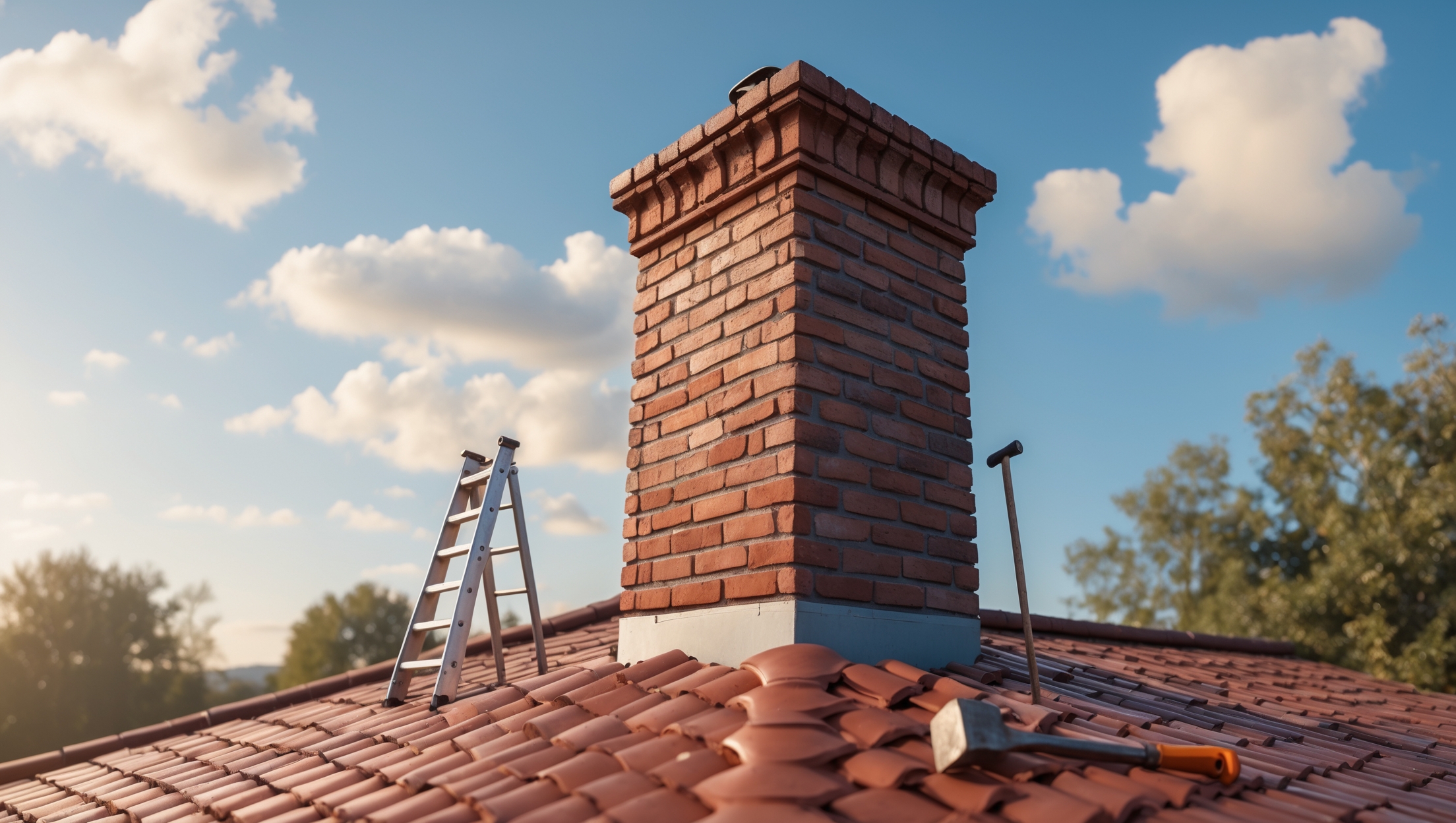
Navigating Chimney Repairs: Cost Factors, Permits, and Essential Maintenance

Introduction: The Overlooked Importance of Chimney Repairs
For many homeowners, the chimney is a silent workhorse, venting smoke and dangerous gases safely away from living spaces. But neglecting chimney repairs can lead to costly damage, fire hazards, and compliance headaches. Whether you enjoy cozy fires every winter or just use your fireplace occasionally, understanding the nuts and bolts of chimney upkeep is essential. This guide dives into practical details: the real costs behind repairs, crucial permit requirements that can trip up even seasoned renovators, and everyday maintenance habits that keep your chimney—and your home—safe and efficient.
Unlike other home improvement projects, chimney work is governed by strict codes due to the risks involved: structural failure, carbon monoxide leaks, and even house fires. The repair process often requires specialized skills and equipment, and skipping key steps can have serious consequences. From identifying early warning signs of chimney trouble to budgeting for both routine and emergency fixes, this article will help you avoid common pitfalls and make smart, informed decisions. We’ll also break down when you need to pull permits (and how to get them), plus share practical maintenance checklists you can implement right away. Let’s make chimney care straightforward—and help you protect your home for years to come.
Understanding Chimney Anatomy: What Needs Repair and Why
The Core Components
- Chimney Cap: Prevents water, debris, and animals from entering.
- Crown: The concrete top layer that seals the masonry.
- Flue: The passageway for smoke and gases.
- Liner: Protects chimney walls from heat and corrosion.
- Masonry/Stack: The brick or stone structure supporting it all.
- Damper: Controls airflow and retains heat.
- Smoke Chamber: Funnels smoke from the fireplace to the flue.
Common Repair Issues
- Cracked Crowns: Allow moisture to seep in, leading to masonry damage.
- Spalling Bricks: Bricks flake or fall off due to freeze-thaw cycles or water penetration.
- Deteriorated Mortar: Gaps form between bricks, weakening the structure and letting in water.
- Damaged Flue Liners: Increases risk of fire due to heat transfer to combustible materials.
- Missing Caps or Flashing: Leads to leaks, animal intrusion, and rapid internal damage.
Recognizing these elements and their vulnerabilities helps you spot problems early—before they escalate into major repairs or safety hazards.
Cost Breakdown: What to Expect When Budgeting Chimney Repairs
Factors Influencing Chimney Repair Costs
- Extent of Damage: Minor cracks cost less than rebuilding sections of the stack.
- Chimney Height & Accessibility: Taller or hard-to-reach chimneys increase labor and equipment costs.
- Material Type: Brick, stone, and metal chimneys have different repair needs and price points.
- Geographic Location: Labor rates and permit fees vary widely by region.
- Special Features: Decorative crowns, custom caps, or historic details drive up costs.
Typical Repair Costs (2024 Estimates)
- Chimney Cap Replacement: $150–$500
- Crown Repair or Replacement: $500–$2,500
- Repointing (Tuckpointing) Mortar: $800–$2,000 (for partial repointing; full repointing can exceed $4,000)
- Flue Liner Replacement: $2,000–$5,000 (depends on liner type and chimney height)
- Leaking Flashing Repair: $300–$1,000
- Masonry Rebuild (Partial): $1,500–$4,000
- Full Chimney Rebuild: $8,000–$15,000+
Note: Emergency repairs, such as after a chimney fire or storm damage, may incur premium charges for urgent service, scaffolding, or hazardous conditions.
Budgeting Tips
- Always get at least three itemized quotes from certified chimney pros.
- Ask if the estimate includes scaffolding, debris removal, and post-repair inspection.
- Factor in annual inspection and cleaning costs ($150–$400 per year) to avoid bigger bills later.
- Consider phased repairs for large jobs—address structural risks first, then cosmetic fixes as funds allow.
Permits and Compliance: What Homeowners Need to Know
When Are Permits Required?
Most municipalities require permits for any structural chimney repair, including:
- Rebuilding all or part of the masonry stack
- Installing or replacing a flue liner
- Major crown repairs or replacement
- Extending or reducing chimney height
Cosmetic touch-ups, cap replacements, and minor mortar patching usually do not need permits, but always verify with your local building department. Failure to obtain permits can result in fines, forced demolition of unapproved work, and insurance claim denials after a fire or collapse.
How to Obtain a Chimney Repair Permit
- Contact your city or county’s building department—many offer online applications.
- Submit detailed repair plans (drawings, material specs, contractor license info).
- Pay the permit fee (ranges from $50 to $500+, depending on scope and location).
- Schedule required inspections (often before, during, and after key phases).
- Keep all permits and inspection records for future home sales or insurance needs.
Code Compliance Essentials
Repairs must meet International Residential Code (IRC) and National Fire Protection Association (NFPA) standards. This includes:
- Proper flue liner sizing and material
- Masonry replacement using fire-rated mortar and bricks
- Minimum clearances from combustibles
- Correct installation of caps, crowns, and flashing
Hiring certified chimney professionals helps ensure your project passes inspection the first time.
Step-by-Step Chimney Repair Process: What to Expect
1. Inspection and Diagnosis
A certified chimney sweep or mason assesses the chimney using visual checks, digital cameras, and moisture meters. They’ll identify issues like cracks, damaged liners, or leaks.
2. Preparing the Site
- Set up scaffolding or roof harnesses for safe access.
- Protect surrounding roof and landscaping with tarps.
- Remove loose debris and old mortar or damaged bricks.
3. Executing Repairs
- Repointing: Remove old, crumbling mortar and replace with new, fire-rated mix.
- Crown Repair: Clean and resurface or pour a new crown with proper slope for drainage.
- Flue Liner: Remove damaged liner, install new stainless steel or ceramic liner, and seal connections.
- Cap/Flashing: Install new metal cap and re-flash base to prevent leaks.
4. Cleanup and Inspection
- Clear all debris from site; safely dispose of hazardous materials.
- Conduct post-repair inspection with building official (if required).
- Obtain written documentation of completed, code-compliant work.
Essential Tools and Equipment for Safe, Effective Repairs
- Scaffolding and roof safety harnesses
- Masonry saws and tuckpointing grinders
- Pointing trowels and mortar bags
- Chimney cameras (for internal inspection)
- Caulk guns (for flashing and crown sealant)
- Wire brushes and vacuum for soot removal
- Moisture meters
- Personal protective equipment (PPE): gloves, goggles, dust masks
DIY repairs should be limited to surface cleaning or very minor mortar patching. For anything structural, flue-related, or involving heights, always hire a professional with the right gear and experience.
Maintenance Best Practices: Keeping Chimneys Safe and Sound
Annual Inspection and Cleaning
Schedule a professional inspection and sweep every year, ideally before the heating season. Certified sweeps use cameras to spot hidden cracks, creosote buildup, and obstructions (like bird nests) that can cause fires or carbon monoxide leaks.
Moisture Control
- Check and repair flashing around the chimney base annually.
- Install or replace chimney caps to block rain and snow.
- Seal minor cracks in the crown with waterproof, heat-resistant sealant.
- Direct downspouts and gutters away from the chimney structure.
Monitor for Warning Signs
- Efflorescence (white staining) on masonry—signals water intrusion.
- Rust on damper, cap, or firebox components.
- Strong odors (creosote or dampness).
- Visible cracks, gaps, or spalling bricks.
- Debris or soot falling into the fireplace.
Addressing these early can prevent expensive structural repairs.
DIY Maintenance You Can Safely Perform
- Keep fireplace and hearth clean of ash and soot.
- Inspect the visible portion of the chimney from the ground or attic for signs of wear.
- Trim overhanging branches to prevent debris buildup and rodent access.
Never attempt to clean or repair internal flues or high masonry without professional training and equipment.
Chimney Repair Case Studies: Lessons from Real Homes
Case Study 1: Water Damage from Missing Cap
A homeowner noticed dampness and musty odors in the living room after heavy rain. Inspection revealed a missing chimney cap and cracked crown, allowing water to seep into the masonry. Repairs included a new stainless steel cap, crown resurfacing, and repointing lower sections. Total cost: $2,300. Insurance denied the claim due to lack of maintenance records. Lesson: Annual inspections and basic cap maintenance could have prevented thousands in repairs.
Case Study 2: Failed DIY Mortar Patch Leads to Major Rebuild
Attempting to patch visible cracks with standard mortar, a DIYer inadvertently used the wrong material, which expanded and worsened the cracks over the winter. The chimney required a partial rebuild the following spring. Total cost: $5,800. Lesson: Use only fire-rated materials and consult a pro for anything beyond superficial repairs.
Conclusion: Proactive Chimney Care Pays Off
Chimneys are often out of sight and out of mind—until problems arise. But proactive care, informed budgeting, and code-compliant repairs can keep your fireplace safe, efficient, and ready for years of enjoyment. Understanding the true costs of various repairs helps you plan ahead and avoid sticker shock. Knowing when permits are required saves you from legal or insurance headaches. And following a practical maintenance routine—annual inspections, moisture control, and prompt attention to warning signs—reduces the risk of serious damage or fire.
Don’t wait for smoke or crumbling bricks to signal trouble. Partner with certified chimney professionals for inspections and major repairs, and keep good records of all work for your own peace of mind and future home resale. With a smart, proactive approach, chimney care is a manageable investment that protects your largest asset and your family’s safety. Make chimney maintenance a regular part of your home care checklist—you’ll be glad you did every time you enjoy a safe, crackling fire on a chilly night.