
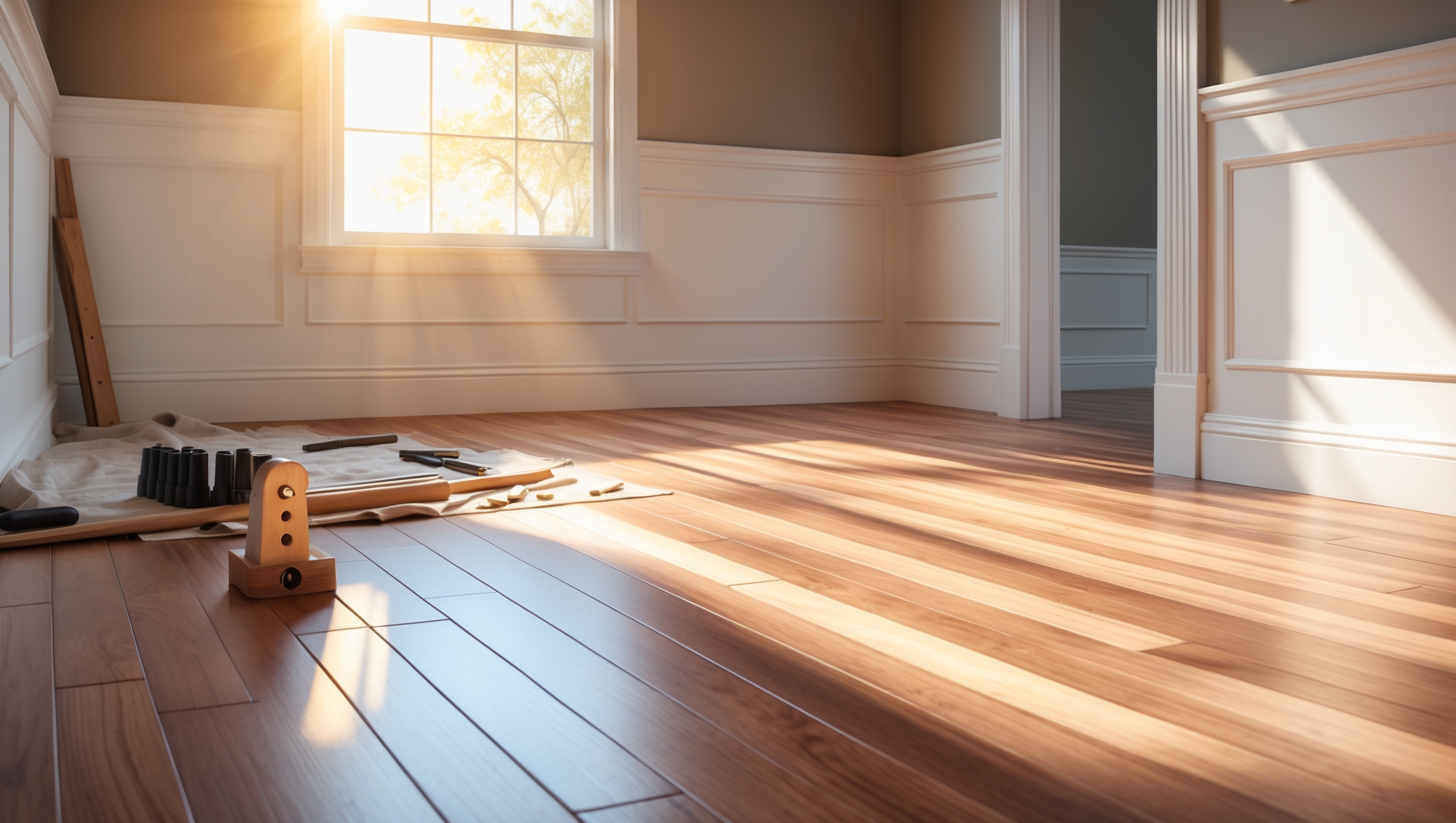
Beginner Flooring Installation Mistakes: How to Lay a Perfect Floor Every Time

Introduction: Why Flooring Installation Mistakes Are So Common
Installing new flooring is one of the most rewarding DIY projects homeowners tackle. The right floor can transform a room, boost property value, and provide a sense of accomplishment. But despite its appeal, flooring installation is riddled with pitfalls—especially for beginners. Missteps can lead to unsightly gaps, buckling, creaking, premature wear, and expensive corrections that erase any initial savings. Most errors happen before the first plank is even laid, often due to overlooked preparation, incorrect product selection, or skipping essential steps in the process. This comprehensive guide dives deep into the most common flooring installation mistakes, why they happen, how to avoid them, and step-by-step solutions for a flawless finish. Whether you’re revamping a single room or your entire home, this resource will help you sidestep rookie errors and achieve professional-quality results with confidence.
Choosing the Right Flooring Material: Don’t Start on the Wrong Foot
Assessing Your Space and Lifestyle Needs
One of the earliest—and most critical—mistakes is selecting the wrong type of flooring for your space. Each material has unique pros, cons, and requirements. Consider the following before choosing:
- Room Usage: High-traffic areas (like kitchens and hallways) need durable options such as luxury vinyl plank, porcelain tile, or hardwood. Bedrooms and offices can handle softer surfaces like carpet or engineered wood.
- Moisture Levels: Bathrooms, laundry rooms, and basements require water-resistant or waterproof flooring. Hardwood is a poor choice in damp locations; opt for tile, vinyl, or concrete instead.
- Pets and Kids: Scratch-resistant and easy-to-clean surfaces, such as laminate or luxury vinyl, are ideal for homes with pets or children.
- Subfloor Condition: Uneven or damaged subfloors may rule out certain materials. Floating floors can mask minor imperfections, while glue-down or nail-down products require a flat, stable base.
Common Material Selection Mistakes
- Choosing based solely on appearance, ignoring durability or maintenance needs
- Not accounting for long-term wear in high-traffic or wet areas
- Overlooking manufacturer-recommended installation methods
- Purchasing insufficient extra material for cuts, waste, and future repairs
Tip: Always buy 10–15% more flooring than measured to allow for mistakes and future patching.
Preparing the Subfloor: The Foundation for Success
Why Subfloor Prep Matters
Your finished floor is only as good as what’s beneath it. Skipping or rushing subfloor preparation is a leading cause of installation failures. Issues like squeaking, buckling, and visible seams often stem from hidden problems below the surface.
Critical Subfloor Mistakes
- Ignoring Flatness and Levelness: Most flooring products specify a maximum allowable deviation (typically 1/8″ over 6 feet). Even small bumps or dips can telegraph through and cause planks to separate or tiles to crack.
- Installing Over Wet or Damp Subfloors: Moisture trapped under flooring leads to mold, warping, and adhesive failure. Always test concrete slabs and wood subfloors with a moisture meter.
- Skipping Cleaning: Dust, debris, and leftover adhesives prevent proper bonding and can affect the final appearance.
- Overlooking Repairs: Failing to address squeaks, loose boards, or damaged subfloor panels creates ongoing problems.
How to Do It Right
- Remove all old flooring, nails, and adhesives.
- Check for level using a long straightedge; fill low spots with leveling compound and sand down high spots.
- Repair loose or squeaky boards by screwing them securely to joists.
- Test for moisture and address any issues before proceeding.
- Vacuum thoroughly to remove all dust and debris.
Acclimation: The Step Most DIYers Skip
Many flooring materials—especially hardwood, engineered wood, and laminate—must be acclimated to the room’s temperature and humidity before installation. Skipping this step leads to expansion, contraction, and unsightly gaps or buckling after the floor is installed.
Proper Acclimation Procedure
- Store unopened boxes of flooring in the installation room for at least 48–72 hours.
- Maintain normal indoor temperature and humidity throughout the process.
- For hardwood, follow the manufacturer’s specific acclimation guidelines, which may require longer periods.
Warning: Never store flooring in garages, basements, or outdoors before acclimation. Rapid environmental changes can damage the material.
Underlayment: The Unsung Hero
Installing the right underlayment is essential for sound absorption, moisture protection, and a smooth surface. The wrong underlayment—or none at all—can lead to noise, poor insulation, and even voided warranties.
Common Underlayment Mistakes
- Skipping underlayment entirely for laminate or engineered flooring
- Using the wrong type (e.g., foam underlayment on radiant heat systems)
- Overlapping seams improperly, causing ridges
- Forgetting vapor barriers over concrete slabs
Best Practices
- Choose underlayment recommended by the flooring manufacturer for your product and subfloor.
- Tape seams according to instructions to keep moisture out.
- Trim excess material neatly at edges to prevent bunching under baseboards.
Layout Planning: Measure Twice, Cut Once
Poor layout planning results in narrow, awkward end pieces, misaligned seams, and wasted material. Proper planning ensures a balanced, attractive appearance and minimizes waste.
Common Layout Errors
- Failing to dry-fit the first few rows to check seam alignment
- Starting against an uneven wall without snapping a straight reference line
- Not staggering joints correctly—should be at least 6 inches apart for wood/laminate
- Ending with strips less than 2 inches wide, which are prone to splitting and look unprofessional
Expert Layout Tips
- Calculate row widths before starting; adjust the first row if needed to avoid a sliver at the end.
- Use a chalk line to mark a straight starting point, especially in older homes where walls may not be square.
- Lay out planks from multiple boxes at once to mix colors and patterns for a natural look.
Installation Techniques: Avoiding Visible Flaws and Structural Issues
Hardwood and Laminate: Floating, Gluing, or Nailing
- Floating Floors: Click-lock planks must be tightly joined without force. Gaps or forced fits will compromise the lock and stability.
- Glue-Down Floors: Use only recommended adhesives and spread evenly. Wipe excess glue immediately to avoid surface damage.
- Nail-Down: Nails must be spaced and angled correctly to prevent squeaks. Always check for subfloor obstructions before nailing.
Tile: Spacing and Leveling
- Use calibrated spacers to maintain consistent grout lines.
- Check for level frequently with a spirit level and adjust as needed.
- Don’t walk on freshly set tiles until the adhesive cures fully—usually 24 hours.
Vinyl Plank and Sheet Vinyl
- Ensure planks are tightly butted with interlocks fully engaged.
- For sheet vinyl, avoid stretching and allow edges to relax before trimming.
- Use a roller to ensure full adhesion and eliminate air bubbles.
Common Mistakes Across All Types
- Forgetting to leave expansion gaps (typically 1/4″ to 1/2″) around all walls and fixed objects
- Cutting planks or tiles with dull blades, resulting in chipped edges
- Failing to clean joints and seams before connecting pieces
- Not following the manufacturer’s stagger pattern, reducing floor stability and aesthetics
Working Around Obstacles: Doors, Vents, and Irregular Spaces
Tricky spaces can trip up even experienced DIYers. Rushing through doorways, vent cutouts, or angled walls often results in ugly gaps or poorly fitting pieces.
How to Handle Obstacles Correctly
- Undercut door jambs with a flush-cut saw so flooring can slide underneath for a seamless look.
- Trace vents and floor outlets carefully onto the flooring; cut slowly with a jigsaw for accuracy.
- For curved or irregular walls, create a cardboard template before transferring the shape to the plank or tile.
- Always dry-fit custom cuts before final installation.
Finishing Touches: Baseboards, Transitions, and Cleanup
Baseboards and Quarter-Round
- Remove baseboards before installation for the cleanest edge; reinstall or replace after flooring is down.
- Use quarter-round or shoe molding to cover expansion gaps without pinning the floor in place.
- Paint or stain trim before attaching to minimize mess.
Transition Strips
- Choose the correct transition type for each doorway (T-molding, reducer, threshold, etc.).
- Allow for height differences between adjacent floor types.
- Install transitions securely but avoid gluing or nailing into the floating floor itself.
Final Cleanup and Protection
- Remove all debris and dust before replacing furniture.
- Use felt pads under furniture legs to prevent scratches.
- Avoid wet cleaning for at least 48 hours after installation, or as directed by the manufacturer.
Maintenance Starts on Day One
Proper care begins immediately after installation. Neglecting maintenance can void warranties and shorten the life of your new floor.
Maintenance Best Practices
- Sweep or vacuum regularly to remove grit that can scratch the surface.
- Clean up spills promptly to prevent staining or warping.
- Use only manufacturer-approved cleaning solutions.
- Maintain appropriate indoor humidity (35–55% for wood floors) to minimize expansion and contraction.
Bonus: Essential Tools Every DIY Floor Installer Needs
- Measuring tape and chalk line
- Rubber mallet and tapping block
- Pull bar (for tight spaces)
- Flooring spacers
- Jigsaw or flooring saw
- Moisture meter
- Utility knife (for vinyl and laminate)
- Vacuum or shop vac
- Spirit level or straightedge
- Knee pads for comfort
Conclusion: Flooring Success Starts with Careful Preparation
Installing a new floor is an investment in your home’s comfort, beauty, and value. While the process can seem daunting, most beginner mistakes are entirely avoidable with a bit of planning and attention to detail. From choosing the right material for your lifestyle to prepping the subfloor, acclimating your planks, and following best practices for layout and installation, each step is crucial to achieving a flawless, long-lasting finish. Remember that shortcuts in preparation and installation usually lead to costly repairs or disappointing results down the road.
Take the time to read manufacturer instructions, gather the proper tools, and never rush through the foundational steps. If you encounter unexpected challenges—such as hidden subfloor damage or unusually shaped rooms—pause and research the best solution before proceeding. Careful planning, patience, and a commitment to quality will reward you with a floor that not only looks professional but stands the test of time. Don’t let beginner flooring mistakes dampen your home improvement enthusiasm—with the right knowledge and a methodical approach, you can lay a perfect floor every time.