
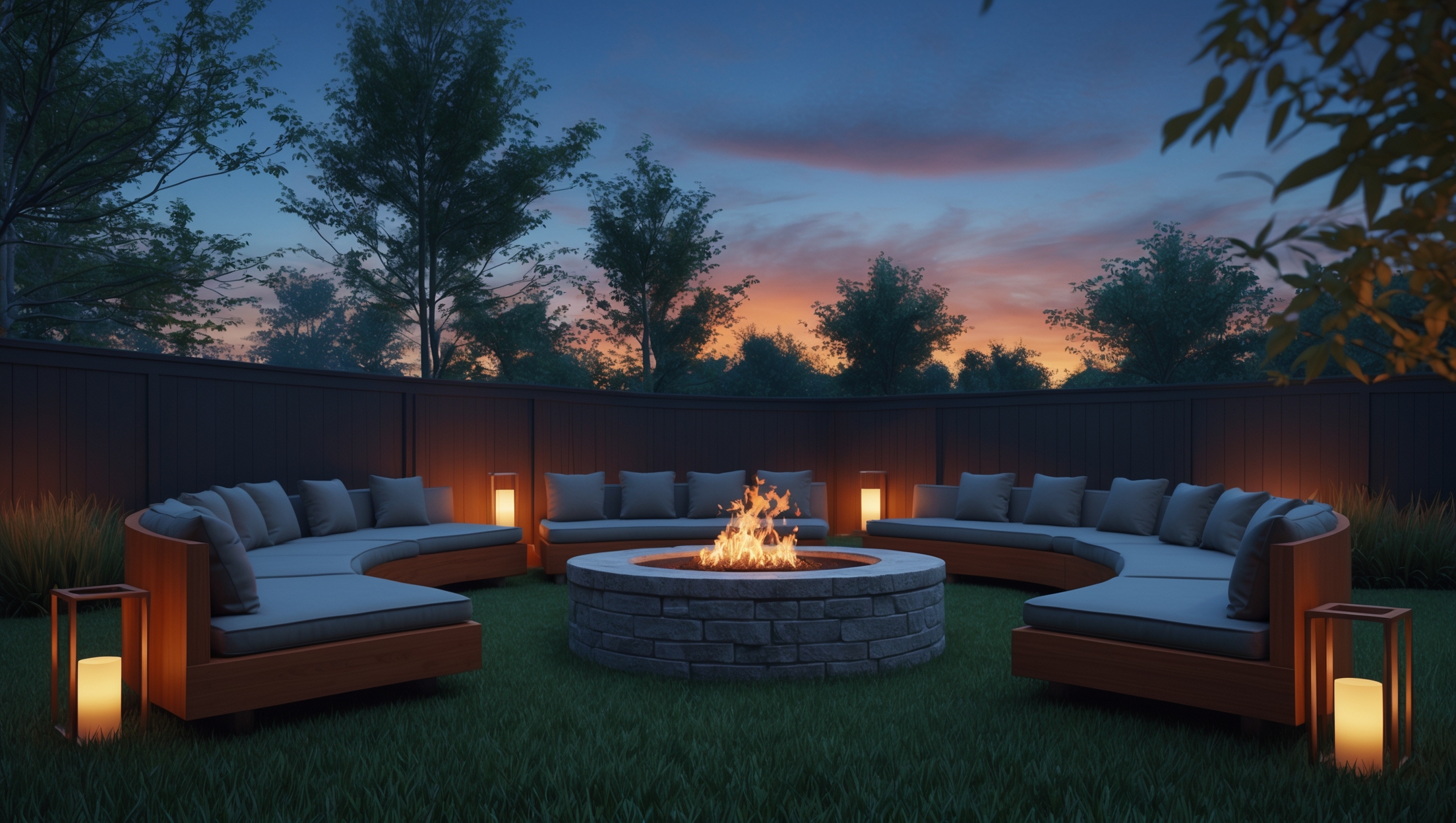
How to Build a Safe and Stylish Backyard Fire Pit: Permits, Costs, and Step-by-Step Guide

Introduction
Backyard fire pits have become one of the most sought-after features for homeowners aiming to enhance outdoor living. Whether you envision cozy gatherings on cool evenings, roasting marshmallows with family, or simply adding a striking focal point to your landscape, a well-built fire pit delivers warmth, ambiance, and value. However, constructing a fire pit requires more than stacking stones and lighting a flame. There are crucial safety codes, local regulations, material choices, and budgeting factors to consider before you even break ground. This comprehensive guide will walk you through every phase of building a safe and stylish backyard fire pit—starting from legal compliance and cost planning, through material selection and tool requirements, all the way to a detailed, step-by-step construction process. Whether you’re a first-timer or a seasoned DIY enthusiast, you’ll find practical, actionable advice to avoid common pitfalls and create a fire feature that’s both functional and compliant with local laws. Let’s turn your backyard dream into a safe, legal, and beautiful reality.
Understanding Fire Pit Regulations and Permits
Why Compliance Matters
Fire pits, while simple in concept, can quickly become a safety hazard if improperly built or positioned. Local municipalities and fire departments enforce rules to minimize fire risks to property and people. Noncompliance can lead to hefty fines, forced removal, or—in a worst-case scenario—property damage and injury. Before starting your project, research and secure any necessary permits to ensure your fire pit is not only beautiful but fully legal.
Common Local Codes and Restrictions
- Setback Requirements: Most municipalities require fire pits to be a minimum distance from structures, property lines, and combustible materials—typically 10-25 feet.
- Burn Bans: Some areas prohibit open flames during dry seasons or high-wind conditions. Check if your local government issues seasonal burn bans.
- Allowed Fuel Types: Wood-burning pits may be restricted in urban areas due to air quality concerns. Propane or natural gas may be required.
- Permit Necessity: Some cities require a building or fire department permit for permanent fire pits, especially if connected to a gas line.
- Size Limitations: Local codes may specify maximum diameter and depth for safety and smoke management.
How to Check and Apply for Permits
- Contact your city’s building department or visit their website for guidelines.
- Prepare a site plan showing the pit’s location relative to structures and property lines.
- Submit any required forms and pay applicable fees (typically $25–$150).
- If using gas, coordinate with a licensed plumber for line installation and inspection.
- Document all approvals—inspections may be required before and after construction.
Budgeting for Your Backyard Fire Pit: Full Cost Breakdown
Key Cost Factors
- Materials: Pavers, stones, bricks, or precast blocks; gravel; sand; adhesive; fire-rated bricks or inserts; optional steel ring.
- Tools: Shovel, level, tape measure, wheelbarrow, tamper, masonry saw (optional), gloves, safety glasses.
- Permits and Professional Services: Permit fees, inspection fees, and possible labor for gas connections.
- Accessories: Spark screens, fire grates, seating, lighting, or landscaping enhancements.
Typical DIY Cost Ranges
- Basic Stone Fire Pit (DIY): $250–$700 (materials only)
- Gas Fire Pit (with licensed gas hookup): $900–$2,500+
- Custom or High-End Materials: $2,000–$6,000 (includes professional labor)
Budget 10–20% extra for unexpected expenses such as delivery fees, tool rental, or additional materials.
Choosing the Right Location
Safety and Functionality Considerations
- At least 10–25 feet away from all structures, overhangs, trees, and fences.
- Downwind from your home to minimize smoke intrusion.
- On level, non-combustible ground—avoid wooden decks unless using a fire table rated for deck use.
- Accessible to water source or fire extinguisher.
- Away from underground utilities—call 811 to mark lines before digging.
Material and Equipment Guide
Best Materials for DIY Fire Pits
- Stone or Paver Blocks: Durable, heat-resistant, and available in interlocking varieties for easy stacking.
- Fire Bricks or Inserts: Line the interior for added heat protection and longevity, especially with wood-burning pits.
- Gravel or Lava Rock: Provides drainage and a non-combustible base.
- Steel Fire Pit Rings: Optional, but help maintain shape and protect materials from direct flame.
Avoid using river rocks or non-rated bricks, which can explode under high heat.
Essential Tools and Equipment
- Shovel
- Wheelbarrow or buckets
- Level and tape measure
- Hand tamper or plate compactor
- Masonry adhesive
- Gloves and safety glasses
- Masonry saw (optional for custom shapes)
Step-by-Step Backyard Fire Pit Construction
Step 1: Plan and Mark the Site
- Choose a level area away from structures and overhanging branches.
- Mark out the pit’s perimeter using spray paint or rope. A common diameter is 36–44 inches.
- Double-check with your site plan and local setback requirements.
Step 2: Excavate and Prepare the Base
- Dig out the marked area to a depth of 6–8 inches.
- Remove sod, roots, and debris.
- Level the bottom and compact the soil using a tamper.
- Add 2–3 inches of gravel for drainage. Compact the gravel base until firm and level.
Step 3: Lay the First Course of Blocks or Stones
- Lay out the first ring of fire-rated blocks or stones, checking for a tight fit and level surface.
- Use a rubber mallet to adjust height as needed.
- Apply masonry adhesive between blocks for added stability (if recommended by manufacturer).
Step 4: Build Up the Walls
- Continue stacking additional courses, staggering seams for strength and visual appeal.
- Use a level to verify each course. Apply adhesive as you go.
- If using a steel fire pit ring, set it in place before adding the final course.
- For wood-burning pits, line the interior with fire bricks or a steel insert.
Step 5: Finish the Interior and Surroundings
- Fill the bottom with a layer of sand or lava rock for drainage and insulation.
- Add a spark screen or grate if desired.
- Optional: Landscape around the pit with pavers, gravel, or seating for a finished look.
Safety Checklist for Backyard Fire Pits
- Never burn trash, plastics, or treated lumber.
- Keep a bucket of sand or a fire extinguisher nearby during use.
- Supervise children and pets at all times.
- Install a spark screen to contain embers.
- Do not use lighter fluid or accelerants.
- Fully extinguish the fire before leaving the area.
- Comply with all local burning restrictions and advisories.
Maintaining Your Fire Pit for Safety and Longevity
Routine Cleaning
- Remove ashes and debris after each use (once fully cool).
- Check for block or brick damage—replace as needed.
- Clean fire rings or grates to prevent rust buildup.
Seasonal Maintenance
- Inspect and reseal pavers annually if recommended.
- Cover the fire pit during long periods of non-use to prevent water damage.
- Check for shifting or settling, and re-level blocks as needed.
Gas Fire Pit Maintenance
- Inspect gas lines annually—hire a professional for repairs.
- Test ignition systems and clean burners per manufacturer instructions.
Frequently Asked Questions
Do I need a permit for a portable fire pit?
Most portable, store-bought fire pits do not require a permit, but always check with local authorities. Permanent or gas-connected installations usually do.
Can I build a fire pit on my deck?
Only use specially designed fire tables or bowls rated for deck use. Never build a masonry fire pit on a combustible surface.
What is the safest fuel for a backyard fire pit?
Natural gas and propane are the cleanest and easiest to control. Wood is traditional but produces embers and more smoke.
Conclusion
Adding a fire pit to your backyard can transform your outdoor space into a year-round gathering spot, creating memories and adding value to your home. However, the process demands careful planning—not just in design, but in safety, legal compliance, and budgeting. By understanding local regulations, accounting for all costs, choosing the right materials, and following a methodical construction process, you can avoid the most common (and costly) mistakes. Remember, the key to a successful fire pit project is not just creative flair but a commitment to safe practices and responsible enjoyment. Before lighting your first fire, double-check compliance, have safety equipment on hand, and educate all users on appropriate fire pit conduct. With proper construction and ongoing maintenance, your backyard fire pit will provide years of safe, cozy ambiance for family and friends. Now you’re ready to enjoy crackling flames and starlit evenings—confident in the knowledge that your fire feature is as safe and legal as it is beautiful.