
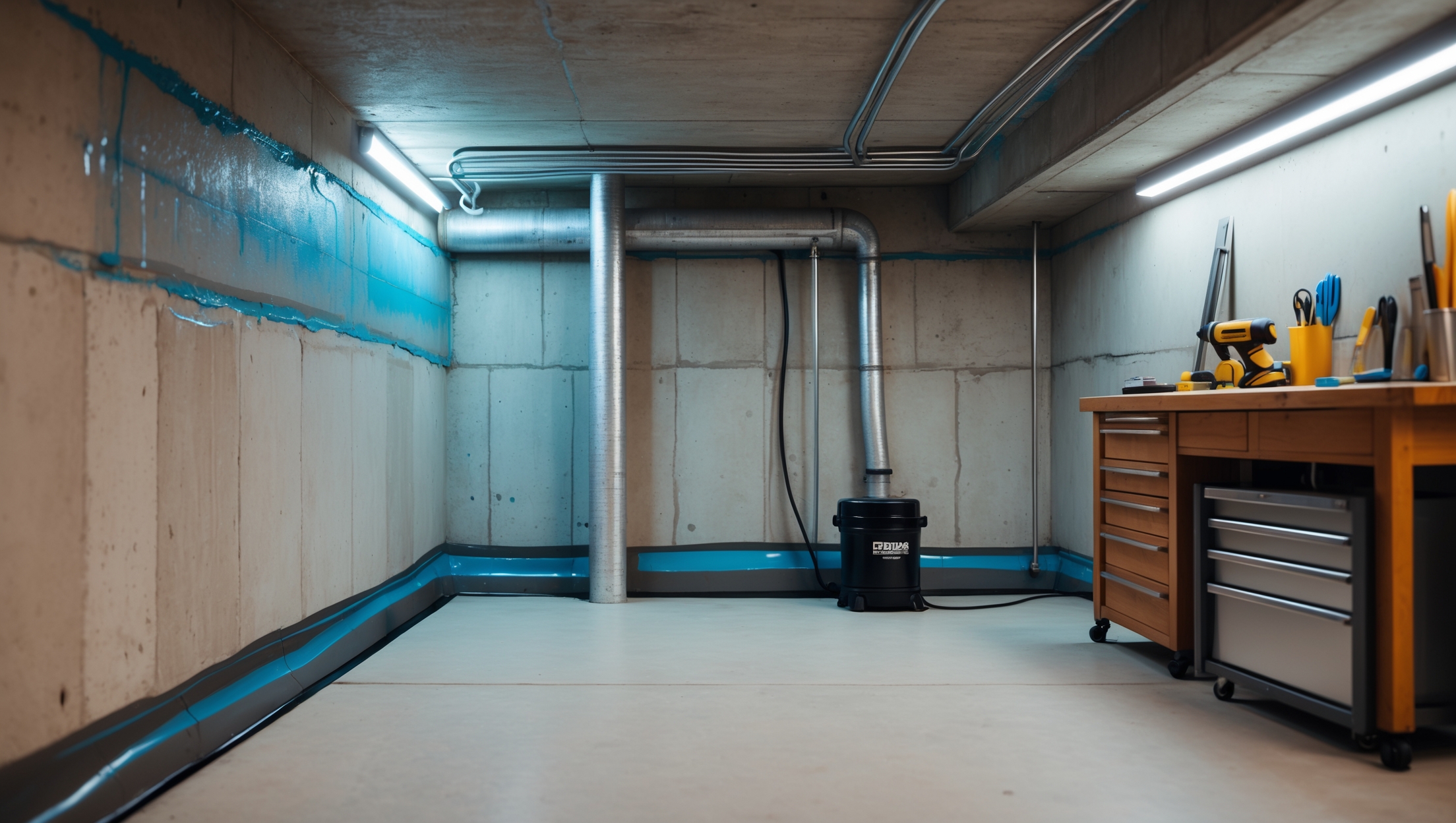
Basement Waterproofing 101: Costs, Compliance, and Maintenance Demystified

Introduction: Why Basement Waterproofing Deserves Your Attention
Basements are often the unsung heroes of home functionality, offering extra storage, living space, and even acting as the foundation’s backbone. However, they are also notorious for being vulnerable to moisture and water intrusion. Whether you’re planning to finish your basement or simply want to ensure your home’s structural integrity, understanding the ins and outs of basement waterproofing is critical. Water issues can lead to mold growth, structural damage, and a host of health hazards. Navigating the world of waterproofing can seem daunting—especially when it comes to costs, compliance requirements, and ongoing maintenance. This comprehensive guide will walk you through everything you need to know to protect your investment, avoid costly mistakes, and keep your basement dry for years to come.
Understanding the Causes of Basement Water Problems
Hydrostatic Pressure
Hydrostatic pressure refers to the force exerted by groundwater against your basement walls. When the soil around your foundation becomes saturated, water looks for the path of least resistance—often seeping through cracks or porous concrete.
Poor Drainage and Grading
Improperly graded landscapes and faulty gutters can direct rainwater toward your foundation, increasing the risk of leaks. Ensuring water flows away from your home is a foundational step in any waterproofing strategy.
Structural Cracks
Small cracks in basement walls or floors might seem insignificant, but they are common entry points for water. Over time, these can widen and compromise the structural integrity of your home if not addressed promptly.
Types of Basement Waterproofing Systems
Interior Waterproofing Solutions
- Sealants and Epoxy Injections: Useful for minor cracks and preventing vapor transmission, but not a permanent fix for major leaks.
- Interior Drainage Systems: French drains or channel systems installed along the basement perimeter collect water and direct it to a sump pump.
- Sump Pumps: Essential for homes with high water tables or frequent flooding, these systems actively remove collected water from the basement.
Exterior Waterproofing Solutions
- Excavation and Membrane Application: Involves digging around the foundation, repairing cracks, and applying a waterproof membrane or coating.
- Exterior Drain Tiles: Perforated pipes installed along the foundation’s footing that channel water away from the home.
- Grading and Gutter Upgrades: Redirecting surface water through landscaping and improved gutter/downspout design.
Hybrid Solutions
In many cases, a combination of interior and exterior systems delivers the best results, especially in older homes or those with chronic water issues.
Cost Breakdown: What to Expect and How to Budget
Cost Factors
- Extent of Water Damage: Minor repairs are less expensive than addressing widespread mold or structural issues.
- Type of Waterproofing: Interior sealants start as low as $500, while full exterior excavations can reach $15,000 or more.
- Square Footage: Larger basements require more materials and labor, driving up costs.
- Local Labor Rates: Prices vary by region and contractor expertise.
Typical Pricing Ranges
- Interior Sealants and Crack Repairs: $500–$2,500
- Interior Drainage Systems: $2,000–$7,000
- Sump Pump Installation: $1,000–$3,500
- Exterior Excavation and Membrane: $5,000–$15,000
- Exterior Drain Tile System: $8,000–$15,000
Keep in mind, these are ballpark figures. Request multiple quotes and ask for itemized breakdowns to avoid hidden costs.
Budgeting Tips
- Prioritize the most urgent repairs first; sometimes phased work is possible.
- Factor in permit fees, inspection costs, and potential landscape restoration.
- Set aside at least 10–15% contingency for unexpected discoveries during the project.
Compliance and Permit Considerations
When Are Permits Required?
Basement waterproofing often involves structural work or alterations to drainage, both of which usually require permits. Common triggers include:
- Excavating around the foundation.
- Installing new drainage systems or sump pumps.
- Making structural repairs to walls or floors.
How to Navigate the Permit Process
- Research Local Regulations: Visit your city or county building department website for specific requirements.
- Work With Licensed Contractors: Reputable pros handle permitting and inspections as part of their service.
- Schedule Inspections: Most projects require sign-offs at multiple stages—prior to backfilling trenches, after system installation, and upon completion.
Common Compliance Pitfalls
- Skipping permits can lead to fines, forced removal of unapproved work, and issues during home resale.
- Unpermitted drainage connections to city sewers may violate codes and result in penalties.
- DIYers must ensure all electrical work for sump pumps meets code, including GFCI outlet requirements.
Preventing Common Waterproofing Mistakes
Overlooking Source Control
Neglecting to address exterior drainage—such as clogged gutters or poor grading—means interior fixes might only offer short-term relief.
Improper System Selection
Not all basements require the same solution. For example, relying solely on sealants in an area with high groundwater is unlikely to succeed. Always match the system to the water intrusion source.
Ignoring Maintenance
Even the best waterproofing systems require periodic inspection and upkeep. Failure to maintain sump pumps or drains can lead to system failure at the worst possible time.
Step-by-Step: How to Waterproof Your Basement
Step 1: Diagnose the Problem
- Inspect for visible cracks, stains, or mold.
- Check outside for standing water near the foundation.
- Test humidity levels with a moisture meter.
Step 2: Improve Exterior Drainage
- Clean gutters and downspouts; extend them at least 6 feet from the foundation.
- Adjust landscape grading so soil slopes away from the house.
Step 3: Seal Interior Cracks
- Use hydraulic cement or epoxy for minor cracks.
- Monitor for recurring leaks before proceeding with bigger repairs.
Step 4: Install or Upgrade Interior Drainage
- Break up perimeter floor to install a French drain or channel system.
- Connect to a reliable sump pump with battery backup.
Step 5: Consider Exterior Excavation
- Hire professionals for large-scale excavation and membrane application.
- Backfill with gravel and install exterior drain tiles if needed.
Step 6: Schedule Required Inspections
- Coordinate with local inspectors after each major phase.
- Keep documentation for future reference or resale.
Maintenance Best Practices for a Dry Basement
Monthly Maintenance
- Check for new cracks or signs of dampness.
- Test the sump pump by pouring water into the pit.
- Clear debris from drains and window wells.
Seasonal Checklist
- Spring: Inspect gutters after thaw, repair landscape erosion, and check for foundation movement.
- Summer: Ensure dehumidifier is working; monitor humidity during wet spells.
- Fall: Clean gutters, check downspout extensions, and trim back vegetation.
- Winter: Watch for ice dams on the roof and clear snow from basement window wells.
Annual Tasks
- Have sump pumps and backup systems professionally serviced.
- Schedule a foundation inspection if you see new or worsening cracks.
- Review your home insurance policy to confirm water damage coverage.
Safety Considerations During Basement Waterproofing
Personal Safety
- Wear protective gear: gloves, goggles, and masks when handling chemicals or working in confined spaces.
- Ensure proper ventilation when applying sealants or epoxies.
- Use GFCI outlets for all electrical equipment in damp areas.
Structural Safety
- Never remove load-bearing walls or alter supports without professional guidance.
- Hire qualified contractors for large-scale excavation to avoid foundation damage or cave-ins.
Case Study: From Leaky Nightmare to Dry Retreat
The Problem
A 1960s colonial home in the Midwest suffered from chronic basement leaks every spring. The homeowner tried DIY patching, but the problem persisted and mold began to grow.
The Solution
- Professional assessment revealed poor grading and a failed exterior drain tile.
- The team regraded the landscape, installed a new French drain and sump pump, and applied a waterproof membrane to the exterior walls.
The Results
After one season, the basement remained dry—even during record rainfall. The homeowner now performs quarterly maintenance and keeps detailed records for insurance and resale value.
Conclusion: Invest in Dry, Worry-Free Living
Basement waterproofing isn’t simply an optional upgrade—it’s a crucial component of home preservation and safety. By understanding the sources and solutions for water intrusion, you can make informed decisions that fit your budget and protect your property. Remember, the cheapest fix isn’t always the most effective; a tailored approach often pays dividends in the long run. Compliance with permits and building codes not only keeps you legal but also adds long-term value to your home. Diligent maintenance ensures your investment stands the test of time, transforming your basement from a perpetually damp worry into a dry, functional retreat for your family. Whether you’re tackling minor cracks or embarking on a full-scale waterproofing project, arming yourself with practical knowledge is the first step toward a safer, healthier, and more resilient home.