
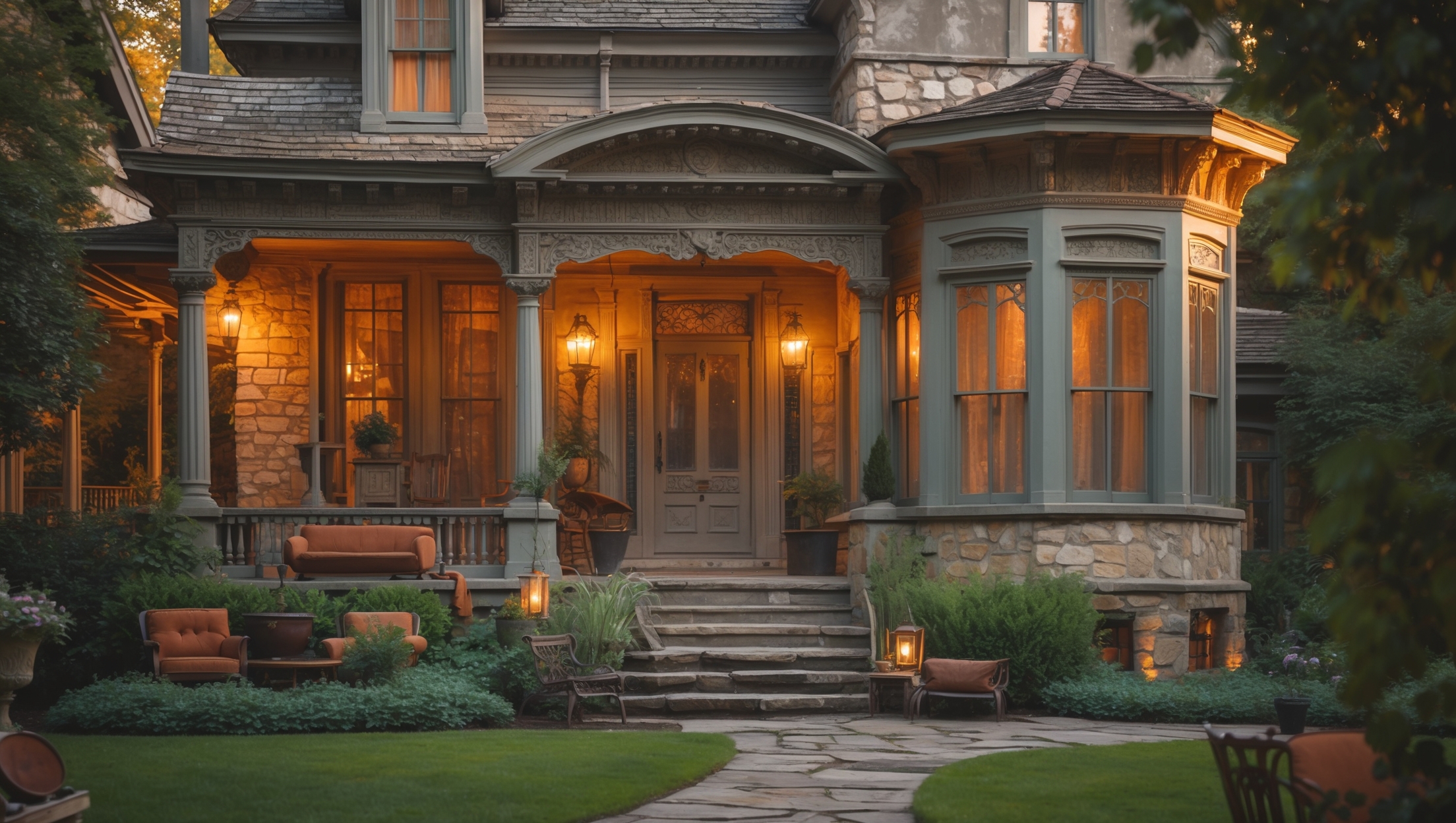
A Beginner’s Guide to Complying with Historic Home Renovation Regulations

Introduction: The Allure and Challenge of Historic Home Renovation
There’s something magical about owning a historic home—the character-rich moldings, the antique hardwood floors, and the sense of living within a chapter of history. But when it comes to renovation, these architectural gems present a unique set of challenges. Unlike modern homes, historic properties are often protected by local, state, or even federal regulations designed to preserve their distinctive features. Whether you’re eyeing a Victorian in Boston, a Craftsman bungalow in Pasadena, or a Colonial Revival in Charleston, compliance is not optional—it’s a legal and ethical responsibility. For beginners, navigating these rules can be daunting. Where do you even start? How do you budget for compliance? What paperwork is required? And which mistakes could put your investment, or even your home’s legal status, at risk? In this comprehensive guide, we’ll demystify the compliance process for historic home renovations. You’ll learn practical steps to get started, key budgeting strategies, common pitfalls, and how to collaborate with authorities and preservation experts. The goal: help you restore your historic home with confidence, integrity, and respect for its storied past.
Understanding Historic Designation: What Makes a Home ‘Historic’?
Types of Historic Designations
Before any work begins, you need to identify how your property is classified. Historic homes fall into several categories:
- National Register of Historic Places: The federal list, managed by the National Park Service. Listing brings honor and potential tax incentives, but also certain renovation constraints.
- State and Local Registers: Many states and cities have their own registries, often with stricter guidelines than federal rules.
- Historic Districts: Properties inside a designated district may be subject to collective rules, even if your home isn’t individually listed.
How to Confirm Your Home’s Status
Check with your local planning or preservation office, or search the National Register’s online database. Don’t assume a home’s age equals historic status—formal designation is required for legal protections and restrictions to apply.
Key Compliance Principles for Historic Home Renovations
The Concept of ‘Appropriateness’
Most historic commissions or boards evaluate proposed renovations on one core principle: does the work maintain the property’s historic character? This includes:
- Materials: Using wood instead of vinyl, or traditional glass instead of modern composites, whenever possible.
- Design Details: Preserving original trim, windows, doors, and unique features.
- Scale and Massing: Additions or changes must blend with the property’s existing proportions and style.
Commonly Regulated Elements
Not all renovations are regulated equally. Typically scrutinized elements include:
- Exterior facades and features visible from the street
- Rooflines and dormers
- Windows and doors
- Porches, columns, and balustrades
- Paint colors (in some jurisdictions)
Interiors are less often regulated unless the property is a National Historic Landmark or subject to special covenants.
Step-by-Step Compliance Checklist
1. Research Applicable Regulations
Start by identifying all relevant preservation ordinances. Many cities offer online guidelines and downloadable packets. If unclear, call your local historic commission.
2. Schedule a Pre-Application Meeting
Most authorities encourage informal consultations. Bring photos, sketches, and your initial ideas. Early feedback can help you avoid costly redesigns later.
3. Assemble Your Project Team
- Architects with Historic Experience: They understand preservation guidelines and can design compliant solutions.
- Licensed Contractors: Preferably those who have worked on historic projects in your area.
- Preservation Consultants (optional): Useful for complex projects or if tax credits are sought.
4. Prepare Your Application
Typical submission requirements include:
- Detailed plans and elevation drawings
- Materials specifications and samples
- Photographs of existing conditions
- A narrative explaining your goals and compliance approach
5. Submit for Review and Attend Public Hearings
Some projects require a public hearing. Be prepared to present your case and answer questions. Listen respectfully to commission feedback; flexibility is key.
6. Obtain Permits and Approvals
Once approved, you’ll receive a Certificate of Appropriateness (COA) or similar document. Only then should you apply for standard building permits and begin work.
7. Schedule Inspections as Required
Some authorities will inspect the work mid-project or upon completion to ensure compliance. Keep your paperwork handy.
Budgeting for Historic Compliance: Where Costs Hide
Special Materials and Craftsmanship
Expect to pay more for authentic materials (e.g., reclaimed wood, handmade tiles) and skilled craftsmen. These extras can add 20–50% to typical renovation costs.
Design and Consultation Fees
Hiring architects, consultants, and submitting multiple plan revisions incurs higher soft costs. Build in a 10–15% buffer for professional fees.
Permit and Review Fees
Historic review boards often charge higher or additional fees compared to standard permits—sometimes several hundred dollars extra.
Project Delays
Expect longer timelines for reviews, public hearings, and specialty materials procurement. Factor in 2–3 months longer than a standard renovation, especially for exterior changes.
Potential Financial Offsets
- Tax Credits: Federal and state programs may offset up to 20–30% of qualified expenses, but require strict adherence to guidelines.
- Grants: Some local governments or non-profits offer small grants for preservation work.
Common Mistakes Beginners Make—and How to Avoid Them
Skipping the Pre-Approval Process
Never start work—especially demolition or window replacement—without written approval. Unauthorized changes can result in hefty fines, forced reversals, or even lawsuits.
Assuming Interior Changes Are Exempt
Some districts regulate certain interior features, like staircases, fireplaces, or floor plans. Always double-check your local rules.
Using Inappropriate Materials
Modern, off-the-shelf materials (like vinyl siding or aluminum windows) are usually prohibited on visible facades. Always verify acceptable materials before purchasing.
Underestimating Timeline and Cost
Historic renovations take longer and cost more. Build in at least a 20% contingency for surprises—like hidden structural issues or mandated design changes.
Not Documenting the Existing Conditions
Take extensive photos before starting. This helps with compliance documentation and can be crucial for insurance or tax credit claims.
Working with Preservation Authorities: Tips for a Positive Experience
Be Transparent and Proactive
Share your goals and constraints openly. Most commissions are willing to find reasonable compromises if you demonstrate respect for the home’s history.
Prepare to Educate Yourself
Familiarize yourself with the Secretary of the Interior’s Standards for Rehabilitation—the gold standard for historic renovations in the U.S.
Stay Organized
- Keep copies of all correspondence and approvals
- Track expenses for potential tax credits
- Organize material samples and product documentation
Engage the Community
Neighborhood associations and local preservation groups can be allies. Their support may sway public hearings and help you find reputable contractors.
Case Study: Navigating Compliance in a Victorian-Era Home
Background: The Smith family purchased an 1890s Victorian in a local historic district, planning to restore its porch and update the kitchen. Their district required a Certificate of Appropriateness for all exterior changes.
- Step 1: They met with the historic commission for early advice, learning that the porch’s turned wood columns and gingerbread trim were protected elements.
- Step 2: Their architect designed a restoration plan using custom-milled woodwork, matching original details. They submitted plans, photos, and samples for approval.
- Step 3: At the public hearing, they answered questions and addressed neighbor concerns about paint color and railing height.
- Step 4: Upon approval, they carefully documented all work, took before-and-after photos, and saved invoices for tax credit applications.
Result: The project took three months longer than expected but preserved the home’s historic charm. The Smiths received a state preservation tax credit, offsetting 25% of their qualified expenses.
Best Practices for Long-Term Historic Home Stewardship
Routine Maintenance Matters
Compliant renovations are only part of the story. Regular maintenance—like gutter cleaning, roof inspections, and careful repainting—prevents costly damage and preserves historic value.
Document Every Change
Maintain a home history file with photos, approvals, and material records. This helps with future projects, resale value, and potential disputes.
Stay Informed
- Subscribe to local preservation newsletters
- Attend workshops or commission meetings
- Network with other historic homeowners for tips and support
Conclusion: Preserving the Past, Building for the Future
Renovating a historic home is a deeply rewarding, yet undeniably complex, journey. The extra steps required to comply with historic regulations are more than bureaucratic hurdles—they’re a way to honor craftsmanship, maintain neighborhood character, and ensure your investment endures for generations. For beginners, the biggest challenges often arise not from the work itself, but from misunderstanding the rules or underestimating the time and resources required. By researching your home’s designation, assembling the right team, budgeting with compliance in mind, and engaging proactively with preservation authorities, you can avoid common pitfalls and achieve a renovation that satisfies both legal requirements and your personal vision. Remember, each decision you make is a balance between modern comfort and historical integrity. Document your journey, stay organized, and never hesitate to seek guidance from experts or your local community. With patience, flexibility, and respect for your home’s story, you can transform a historic property into a vibrant, lasting legacy—one that both honors the past and welcomes the future.