
Tool Rental vs. Ownership: A Comprehensive Cost and Convenience Guide for Home Renovators

Introduction: The Tool Dilemma for Home Renovators
Whether you’re planning a single-room refresh or a full-scale home transformation, one question inevitably arises: should you rent or buy your renovation tools? Power tools and specialty equipment are the backbone of every successful home improvement project, but purchasing every tool you might need can quickly bloat your budget and clutter your storage. On the other hand, frequent trips to the rental center can add up in both time and money, especially if your project goes off schedule. For many DIYers and even experienced renovators, the decision isn’t always clear-cut. This comprehensive guide breaks down the real costs, convenience factors, and strategic considerations behind renting versus owning your renovation tools. We’ll explore which tools are worth investing in, when rental makes more sense, and how to maximize your project budget and workspace efficiency. By the end, you’ll have a clear, practical framework to decide what belongs in your toolbox—and what doesn’t.
Understanding the True Costs: Purchase vs. Rental
Initial Investment and Depreciation
Buying tools outright requires a significant upfront investment. High-quality power tools, such as miter saws, impact drivers, and rotary hammers, can range from $100 to $600 or more each. While a purchased tool becomes a long-term asset, it also begins to depreciate immediately. Factor in wear and tear, maintenance, and potential obsolescence as newer models emerge.
Rental Fees and Time Constraints
Tool rental centers charge by the hour, day, or week. For example, renting a tile saw might cost $40 per day, while a floor sander could run $60 per day. Some tools have minimum rental periods or additional costs for late returns and cleaning. If your project timeline is uncertain or stretches out, rental costs can quickly exceed the price of purchasing, especially for frequently used tools.
Hidden Expenses and Overlooked Factors
- Transportation: Large or heavy tools often require a truck or van for pickup and return.
- Consumables: Rental tools may not include blades, bits, or sanding pads, which you’ll need to buy separately.
- Downtime: Damaged or malfunctioning rental tools can cause project delays while you wait for replacements.
- Storage and Maintenance: Ownership means you’ll need a secure, dry place to store tools and time to maintain them.
Convenience: Project Planning and Workflow
Immediate Availability
Owned tools are always on hand, enabling you to work at your own pace, tackle unexpected tasks, or handle last-minute repairs. This flexibility is invaluable for projects that evolve or for homeowners who appreciate spontaneous improvements.
Rental Scheduling and Hassles
Renting requires advance planning. Popular tools may be out of stock during busy seasons, and rental periods can pressure you to rush through work. Pickup and return trips add time and logistical complexity—especially if the rental center is not nearby.
Maintenance and Reliability
With ownership, you control the tool’s condition and can perform preventative maintenance. Rental tools may be heavily used and less reliable, increasing your risk of mid-project malfunctions. However, reputable rental centers regularly service their inventory and may offer replacement guarantees.
Case Studies: Real-World Scenarios
Case Study 1: The One-Time Kitchen Remodel
Sarah is planning a one-time kitchen renovation. She needs a tile saw, demolition hammer, and floor sander—tools she’s unlikely to use again. After comparing prices, she finds that renting these tools for three days each costs about $210 total, versus over $700 to purchase. Renting saves her money, avoids storage headaches, and ensures she uses professional-grade equipment.
Case Study 2: The Ongoing Home Flipper
Mike renovates two to three houses per year. He frequently uses drills, saws, and nailers, but occasionally needs a drywall lift or a specialty floor nailer. Mike invests in high-quality, multipurpose tools he uses regularly, but rents infrequently used, bulky equipment. Over two years, this approach saves him over $1,200 in rental fees and eliminates the need to store oversized tools.
Case Study 3: The DIY Enthusiast with a Growing Project List
Lena enjoys small projects throughout the year—building a deck, installing shelves, fixing trim. She starts by buying a basic toolkit and adds specialty tools as her skills and projects expand. By owning her most-used items and renting specialty tools for occasional projects, Lena balances convenience, cost, and storage.
Which Tools Are Worth Owning?
Some tools are worth owning for nearly every homeowner, while others make sense only for specific tasks. Here’s a practical breakdown:
- Essential Power Tools: Cordless drill/driver, circular saw, jigsaw, oscillating multi-tool, and a quality sander. These tools are used in diverse projects and provide ongoing value.
- Hand Tools: Tape measure, hammer, utility knife, screwdrivers, pliers, and a level. Inexpensive, durable, and indispensable.
- Specialty or Large Equipment: Tile saws, floor sanders, demolition hammers, drywall lifts, and scaffolding are better rented unless you use them frequently or have ample storage.
When Renting Is the Smarter Choice
- One-off Projects: If you know you’ll use a tool only once or twice, renting is almost always more economical.
- Space Constraints: Large tools require significant storage. Renting avoids clutter and risk of damage from improper storage.
- Access to Professional-Grade Equipment: Rental centers offer commercial-quality tools that may outperform consumer-grade versions available for purchase.
- Trying Before Buying: Unsure whether a certain tool suits your style or needs? Rent first to test it out.
Maximizing Value: Tips for Smart Tool Rental
Plan Your Project Carefully
Draft a detailed project timeline and list all tools required for each stage. This minimizes rental periods and helps avoid multiple trips to the rental center.
Reserve in Advance
During peak renovation seasons (spring and summer), reserve tools well ahead of your project start date. Confirm pickup and return policies, including weekend and holiday hours.
Inspect Tools Before Leaving the Rental Center
Check for damage, missing parts, and ensure all safety features function properly. Take photos if needed for your records, and clarify what’s included with the rental (blades, bits, safety gear).
Understand the Rental Agreement
Ask about cleaning requirements, late fees, deposit policies, and liability for damage or loss. Some rental centers offer insurance or damage waivers for peace of mind.
Bundle Rentals
If you need multiple tools, ask about bundle discounts or extended rental rates. Some stores offer package deals for common renovation projects.
Maximizing Value: Tips for Smart Tool Ownership
Buy Quality Over Quantity
Invest in reputable brands known for durability and readily available replacement parts. Cheap tools may cost less upfront but can fail quickly or deliver poor results.
Maintain Your Tools
Clean and lubricate tools after each use, store them in a dry location, and follow manufacturer instructions for battery care or blade replacement. Well-maintained tools last longer and perform better.
Keep an Organized Workspace
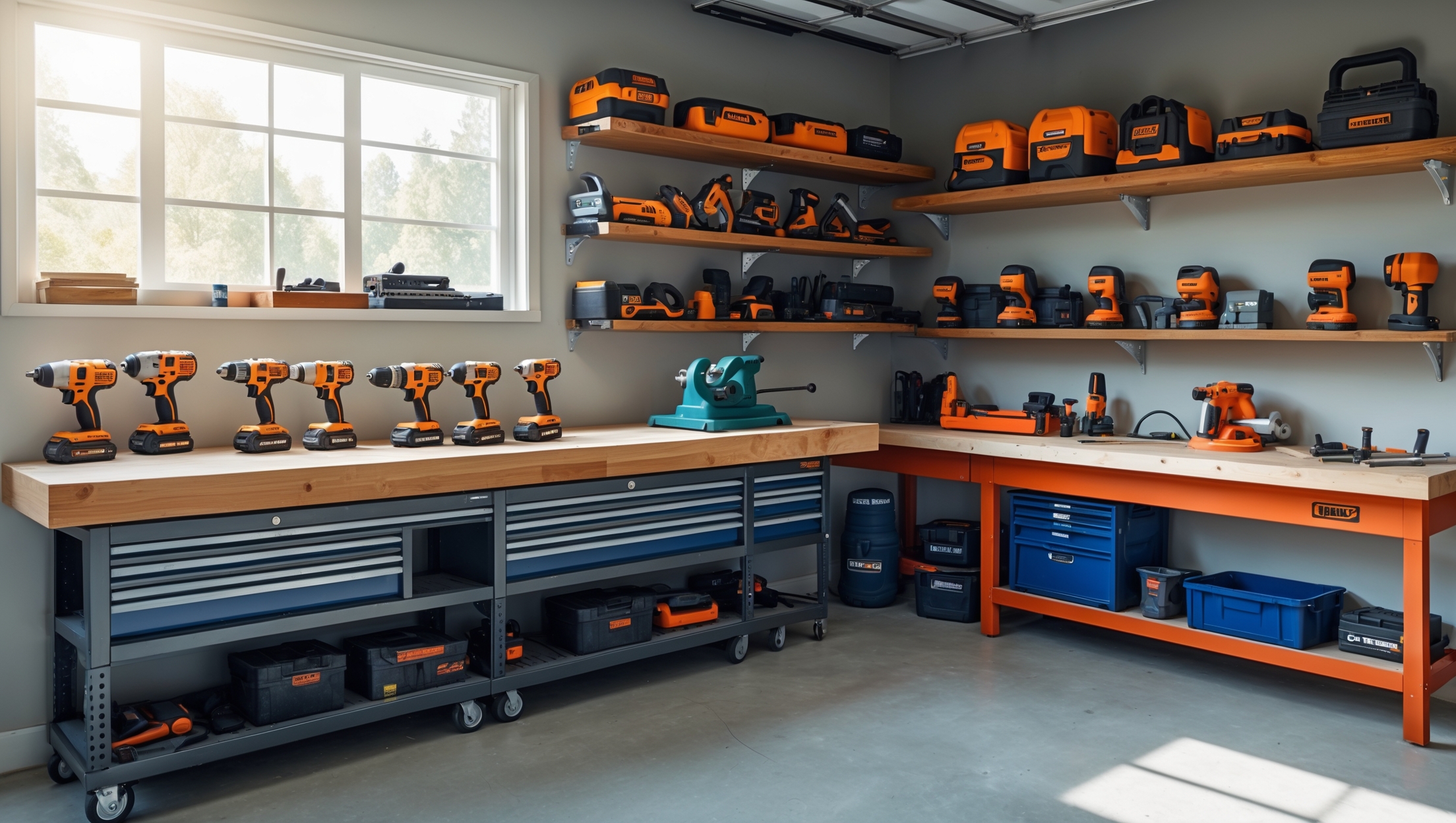
Use pegboards, shelving, and labeled bins to keep tools accessible and protected. An organized shop saves time and reduces frustration during projects.
Track Warranties and Receipts
Maintain a digital or physical file of receipts and warranty documents. This aids in repairs, returns, or resale.
Sell or Lend Rarely Used Tools
If you finish a project and don’t anticipate future use, consider selling the tool or lending it to friends or neighbors. Some communities have tool libraries for shared use.
Environmental and Community Considerations
Reducing Waste
Renting tools you seldom use helps reduce resource consumption and landfill waste. Tools that sit unused for years may become obsolete or corroded beyond repair.
Supporting Local Businesses
Local rental centers and tool libraries are often small businesses that provide jobs and invest in your community. Renting supports these enterprises and fosters connections with fellow DIYers.
Sharing Economy and Tool Libraries
Many cities now offer tool libraries or co-ops, where members can borrow a wide variety of tools for a modest membership fee. This approach combines the savings of renting with the convenience of ownership and strengthens local networks.
Summary Table: Buy vs. Rent Decision Matrix
| Factor | Buy | Rent |
|---|---|---|
| Initial Cost | High upfront | Low upfront |
| Long-term Value | High if used often | Low |
| Convenience | Immediate access | Requires planning |
| Maintenance | Your responsibility | Handled by rental center |
| Storage Needs | Yes | No |
| Best For | Frequent DIYers, pros | Infrequent users, one-offs |
Conclusion: Making the Right Choice for Your Project
The decision to rent or buy renovation tools comes down to your unique circumstances—project scope, budget, available space, and long-term DIY ambitions. For homeowners tackling a single renovation or lacking storage, renting offers access to high-quality equipment without the burdens of ownership. Those with ongoing projects, a passion for hands-on work, or the desire to build a robust toolkit benefit from purchasing essential tools for immediate availability and long-term savings. Remember, the most cost-effective toolkit is one that aligns with your actual needs, not just your wish list. Take time to plan your project, research your options, and consider community-based alternatives like tool libraries. By weighing the true costs and conveniences, you’ll make smarter investments, avoid unnecessary clutter, and complete your renovation projects with confidence and efficiency. Ultimately, the right mix of owned and rented tools empowers you to achieve professional-quality results—without breaking the bank or your back.